

Issue · Budget & Taxes
Budget & Taxes
Every budget & taxes bill, vote, and legislator stance in United States, automatically classified by Maddy, our AI policy reader.
Total bills
2,411
119th Congress
Top supporter
Clay Fuller
87% support rate
Top opponent
Eleanor Holmes Norton
0% support rate
Ranked legislators
10
5 support · 5 oppose
Key legislators
Who's moving budget & taxes in United States
| Legislator | Party | Stance | Support rate | Decisive votes |
|---|---|---|---|---|
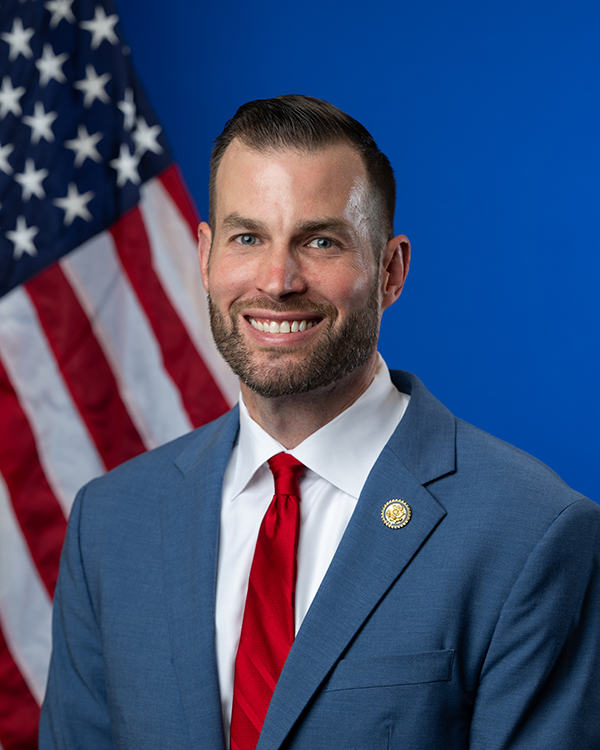
Clay Fuller
House · District 14
|
R |
Strong +
|
87% | 46 |
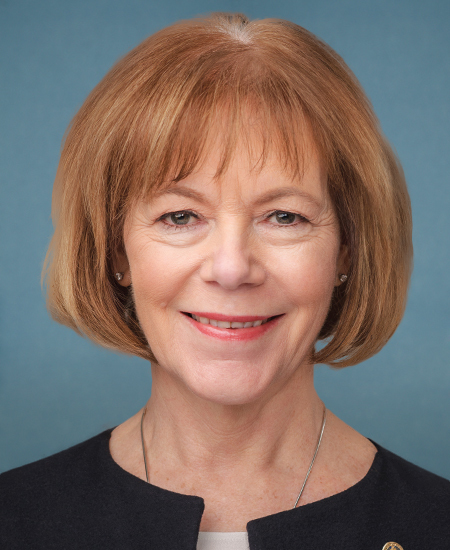
Tina Smith
Senate
|
D |
Strong +
|
83% | 77 |
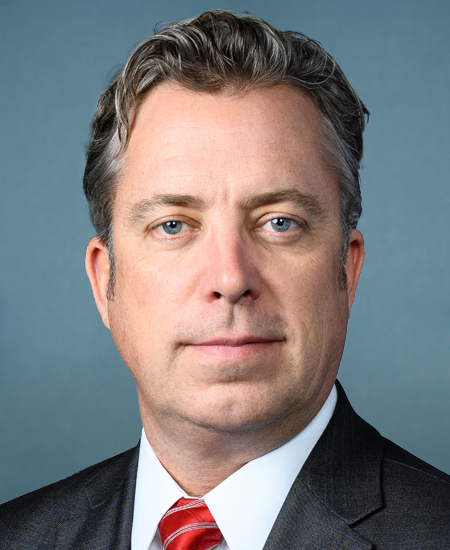
Andrew Ogles
House · District 5
|
R |
Strong +
|
83% | 65 |
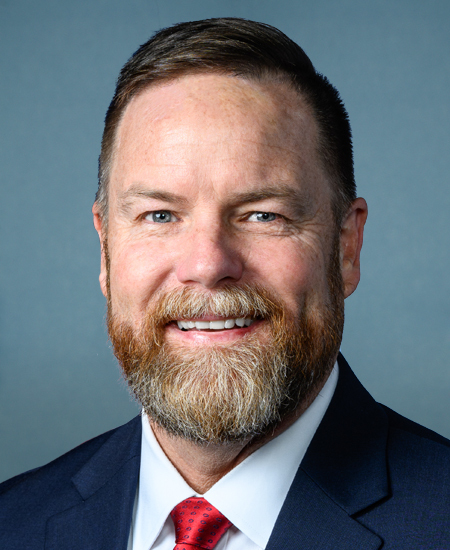
Aaron Bean
House · District 4
|
R |
Strong +
|
83% | 69 |
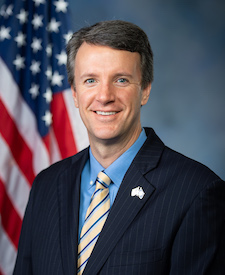
Ben Cline
House · District 6
|
R |
Strong +
|
83% | 69 |
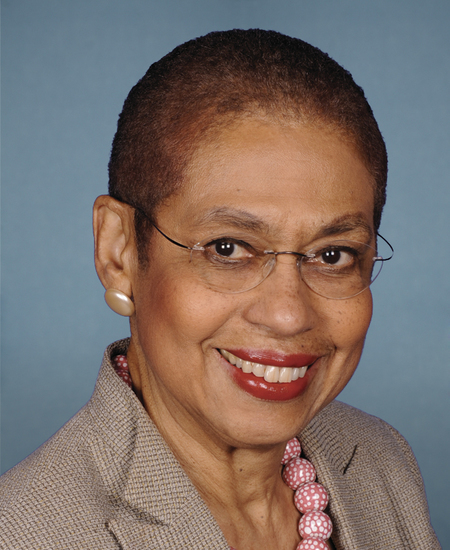
Eleanor Holmes Norton
House · District At-Large
|
D |
Strong −
|
0% | 26 |
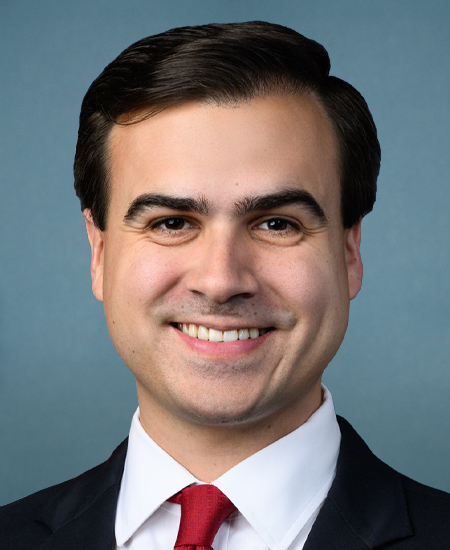
Pablo José Hernández
House · District At-Large
|
D |
Strong −
|
7% | 28 |
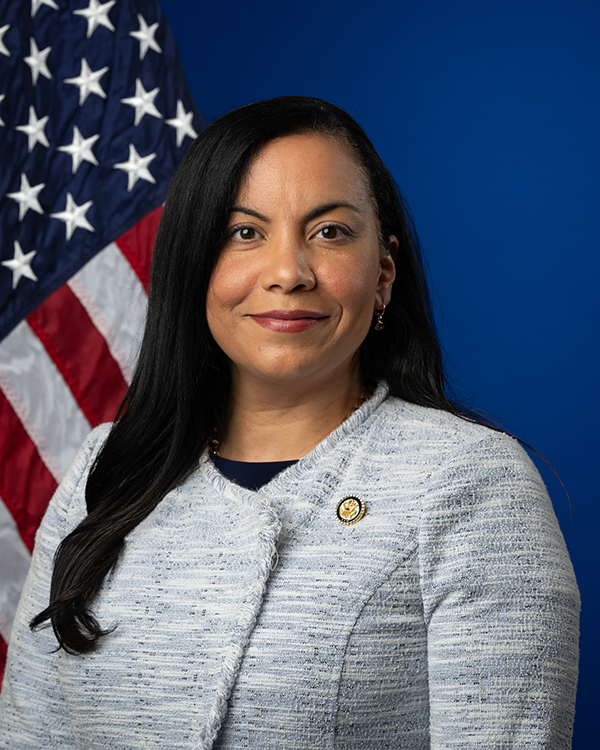
Analilia Mejia
House · District 11
|
D |
Strong −
|
13% | 45 |
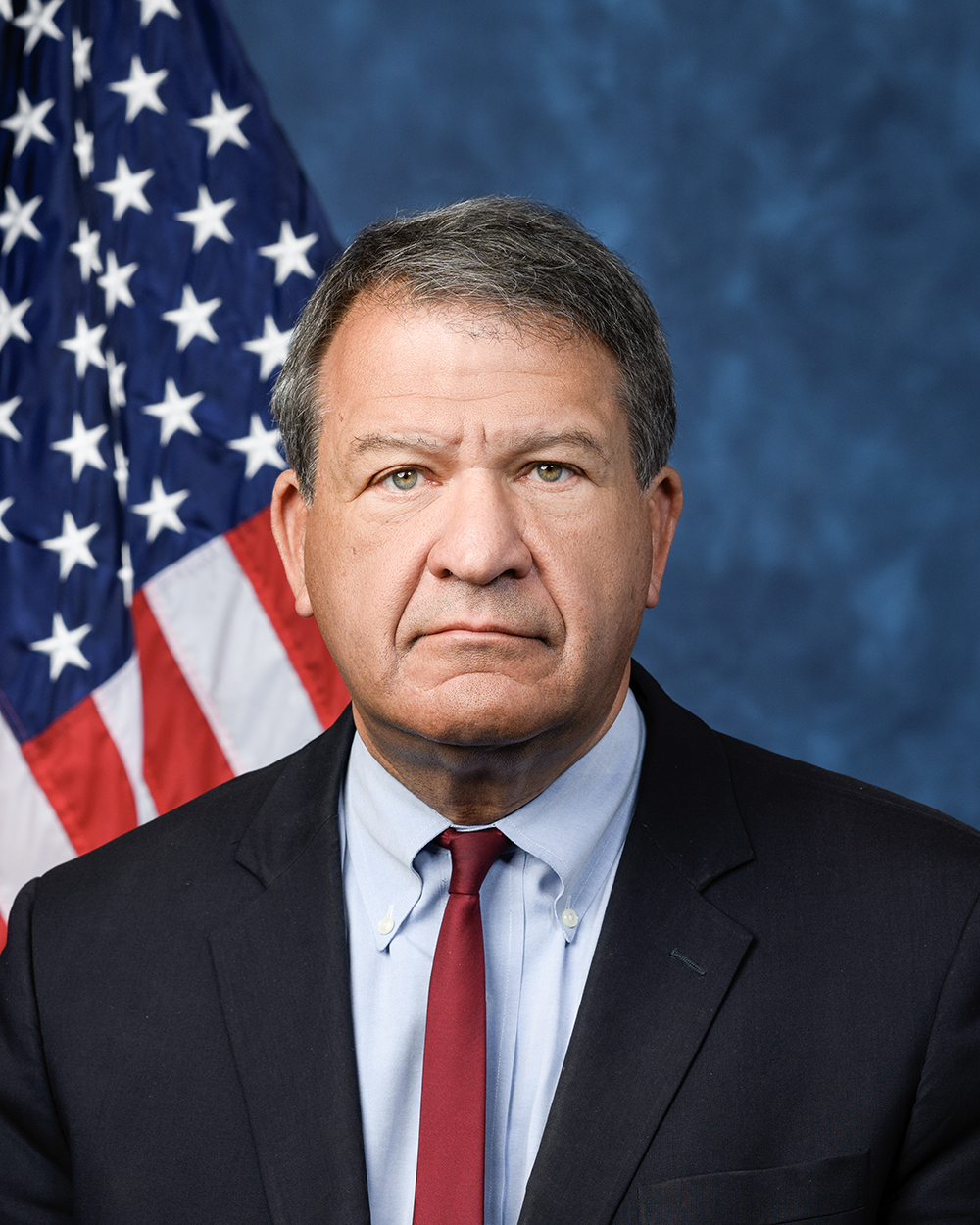
George Latimer
House · District 16
|
D |
Strong −
|
13% | 67 |
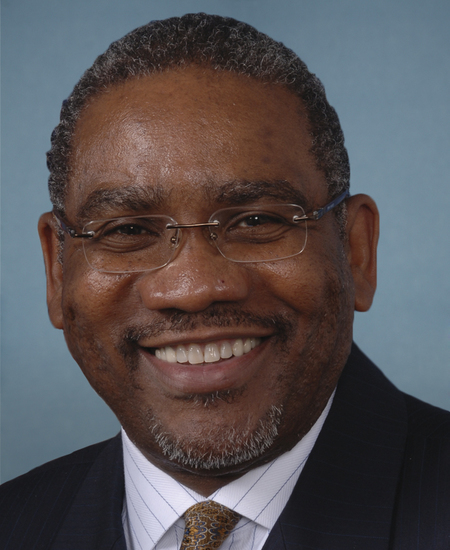
Gregory W. Meeks
House · District 5
|
D |
Strong −
|
14% | 66 |
Showing 1,691–1,700 of 2,411
bills
All budget & taxes bills
S 827: Supporting Rural Veterans Access to Healthcare Services Act
Topics
✓ Budget & TaxesSupports Budget & TaxesIncreases VA transportation grant funding (up to $50k) for rural veterans' healthcare access, expanding eligibility and raising maximum grant amounts to cover transportation costs.
✓ HealthcareSupports HealthcareExpands VA transportation grants to improve rural veterans' healthcare access, increasing funding to $50k with eligibility expansions for tribal organizations.
✓ TransportationSupports TransportationIncreases VA transportation grants for rural veterans' healthcare access, directly funding transportation services to improve access.
✓ VeteransSupports VeteransExpands VA transportation grants to rural veterans, includes tribal/Native Hawaiian orgs, increases funding to $50k for healthcare access.
Sub-Topics
Roads & Highways
Veteran Benefits
Veteran Healthcare
Veteran Mental Health
Tags
Tribal Nations
S 653: A bill to amend the Internal Revenue Code of 1986 to treat membership in a health care sharing ministry as a medical expense, and for other purposes.
Topics
✓ Budget & TaxesSupports Budget & TaxesBill creates new tax deduction for health care sharing ministry payments, providing tax relief to individuals by treating these costs like medical expenses under tax code.
✓ HealthcareSupports HealthcareAllows tax deductions for health care sharing ministry payments, expanding affordable coverage options and reducing out-of-pocket costs for members.
Sub-Topics
Insurance
S 335: Rural Hospital Support Act
Topics
✓ Budget & TaxesSupports Budget & TaxesIncreases Medicare payments for rural hospitals via revised reimbursement formulas, directly boosting government spending on essential healthcare services.
✓ HealthcareSupports HealthcareBill increases Medicare funding for rural hospitals via rebased payment formulas, directly strengthening healthcare access and provider financial stability for vulnerable communities.
S 269: Ending Improper Payments to Deceased People Act
S 208: A bill to amend the Public Health Service Act to reauthorize the Stop, Observe, Ask, and Respond to Health and Wellness Training Program.
Topics
✓ Budget & TaxesSupports Budget & TaxesBill extends funding for SOAR program (2025-2029) and reallocates $20M from HHS fund, directly funding a health wellness program per budget adjustments.
✓ HealthcareSupports HealthcareExtends funding for SOAR program training healthcare providers on patient wellness, directly advancing healthcare services through structured provider training.
Sub-Topics
Public Health
HR 2031: HOME Investment Partnerships Reauthorization and Improvement Act of 2025
Topics
✓ Budget & TaxesSupports Budget & TaxesBill increases HOME program funding from $5B to $6B annually (2025-2029), directly supporting affordable housing as essential public service funding.
✓ HousingSupports HousingReauthorizes HOME program with increased funding ($5B→$6B+) and expands affordable housing eligibility to small-scale units, directly supporting housing access.
S 2076: HCBS Relief Act of 2025
Topics
✓ Budget & TaxesSupports Budget & TaxesIncreases federal Medicaid HCBS funding by 10% (capped at 95%), mandating states use funds for worker wages, reduced waitlists, and service quality. Directly boosts public service funding.
✓ HealthcareSupports HealthcareIncreases Medicaid HCBS funding by 10% (capped at 95%) requiring states to raise worker wages, reduce waitlists, and improve services - directly advancing healthcare access and quality.
✓ Labor & EmploymentSupports Labor & EmploymentRequires states to use funds to raise wages/benefits for HCBS workers, directly advancing worker compensation under Labor & Employment policies.
S 239: Crow Revenue Act
Tags
Tribal Nations
S 129: No Tax on Tips Act
Topics
✓ Budget & TaxesSupports Budget & TaxesCreates federal tax deduction for service workers' tips, reducing taxable income for lower/middle earners (excludes high earners >$250k), aligning with tax relief indicators.
✓ Labor & EmploymentSupports Labor & EmploymentProvides tax deduction for tips, increasing net income for service workers in tip-dependent roles, directly supporting wage compensation.