Issue · Budget & Taxes

Budget & Taxes

Every budget & taxes bill, vote, and legislator stance in United States, automatically classified by Maddy, our AI policy reader.

Total bills
2,411
119th Congress
Top supporter
Clay Fuller
87% support rate
Top opponent
Eleanor Holmes Norton
0% support rate
Ranked legislators
10
5 support · 5 oppose
Key legislators

Who's moving budget & taxes in United States

Legislators moving budget & taxes in United States
Legislator Party Stance Support rate Decisive votes
Clay Fuller
Clay Fuller House · District 14
R
Strong +
87% 46
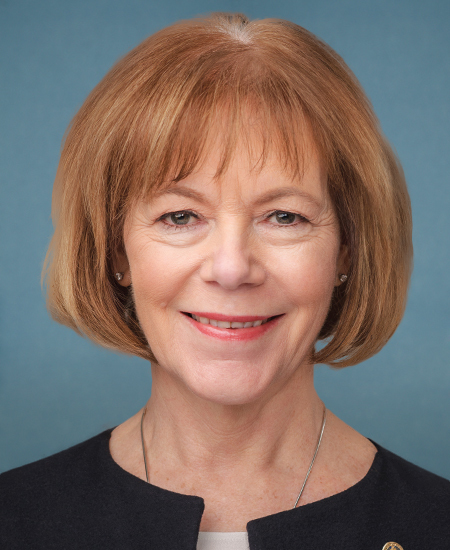
Tina Smith
Tina Smith Senate
D
Strong +
83% 77
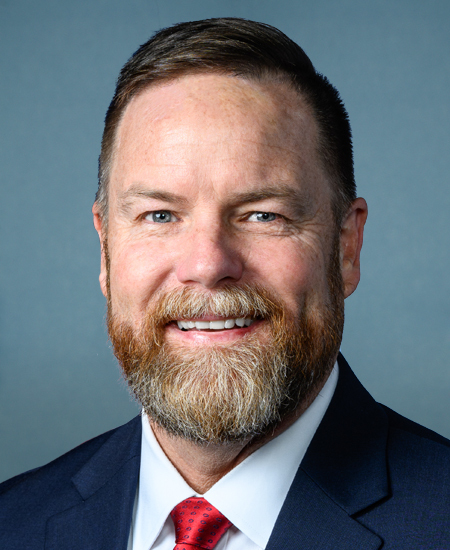
Andrew Ogles
Andrew Ogles House · District 5
R
Strong +
83% 65
Aaron Bean
Aaron Bean House · District 4
R
Strong +
83% 69
Ben Cline
Ben Cline House · District 6
R
Strong +
83% 69
Eleanor Holmes Norton
Eleanor Holmes Norton House · District At-Large
D
Strong −
0% 26
Pablo José Hernández
Pablo José Hernández House · District At-Large
D
Strong −
7% 28
Analilia Mejia
Analilia Mejia House · District 11
D
Strong −
13% 45
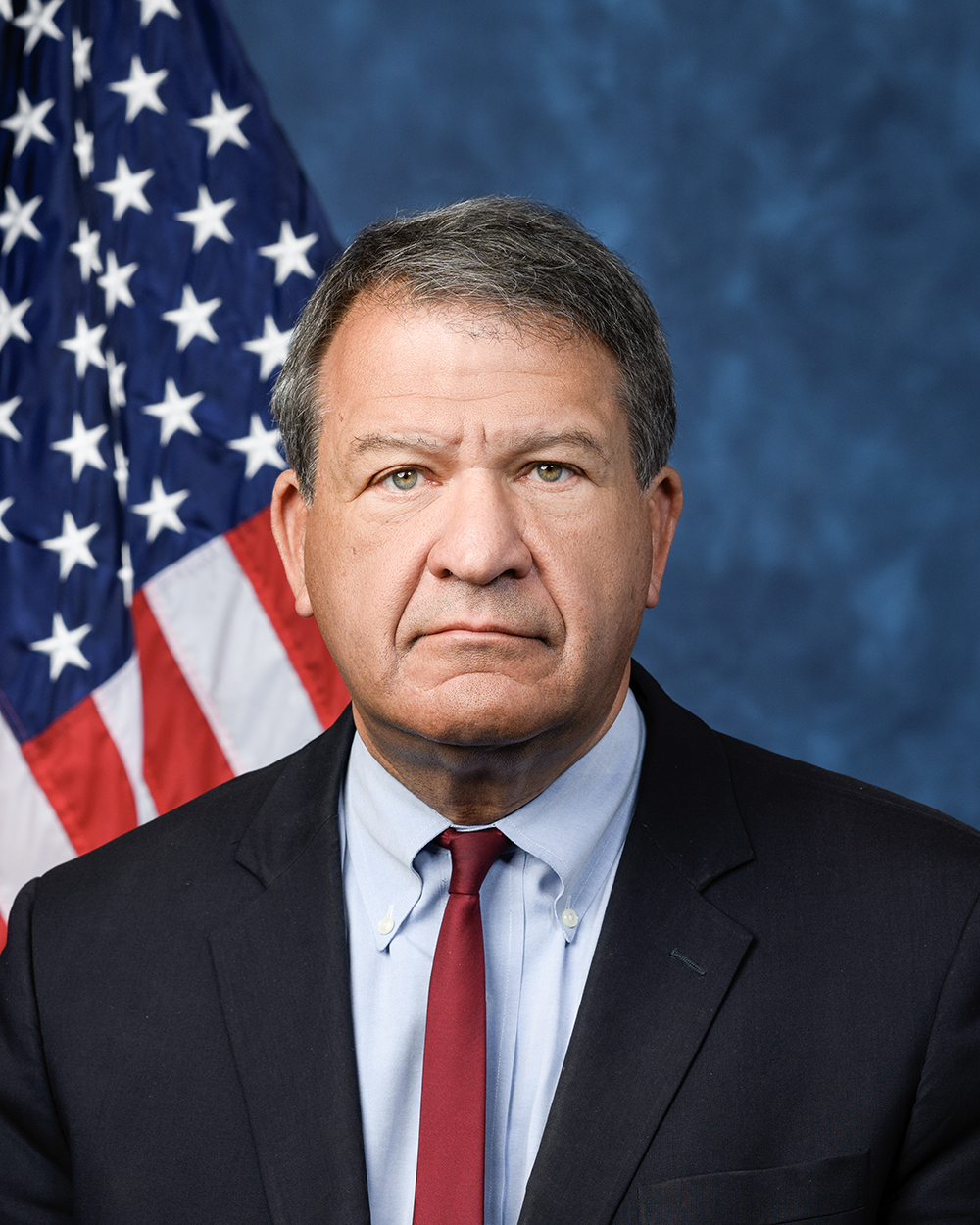
George Latimer
George Latimer House · District 16
D
Strong −
13% 67
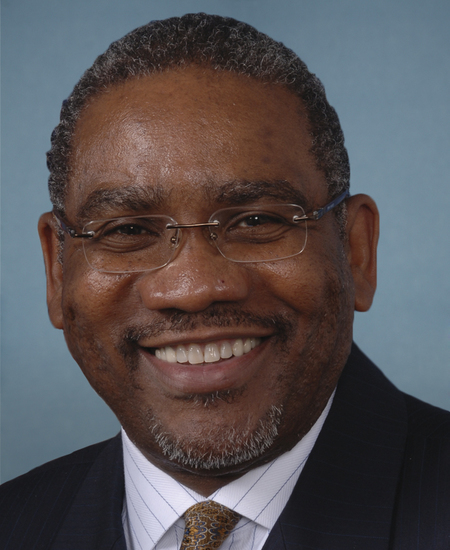
Gregory W. Meeks
Gregory W. Meeks House · District 5
D
Strong −
14% 66
Showing 1,641–1,650 of 2,411 bills

All budget & taxes bills

in committee · United States · Senate Apr 10, 2025

S 1425: Red Tape Reduction Act of 2025

This bill simplifies tax reporting for businesses using third-party payment platforms (like Venmo or PayPal). It reinstates a $10,000 annual transaction value threshold and a 50-transaction limit for reporting payments to the IRS, meaning businesses only need to report payments that exceed either threshold. It also extends this rule to backup withholding requirements and adds an exception: if a business was already reporting payments in the previous year, they don’t need to report again this year unless their transaction volume changes significantly. The bill directly affects businesses and payment processors handling third-party network transactions, reducing administrative burdens for smaller transactions.
in committee · United States · Senate Apr 9, 2025

S 1393: American Family Act

The American Family Act creates a new monthly child tax credit that would provide $300 per month for each child under age 6 and $300 per month for each child age 6 and older, with income-based eligibility limits. The credit would be refundable, meaning it could be paid even if a family owes no income tax, and would replace the current annual child tax credit. The bill establishes income thresholds ($150,000 for joint filers) above which the credit begins to phase out, with full phase-out at $400,000 for joint filers. It also includes provisions for "presumptive eligibility" to allow for advance payments based on previous tax returns or government program data. The bill would terminate the existing annual child tax credit after 2024, replacing it with this monthly payment system.
Sub-Topics Income Tax Tax Credits
in committee · United States · Senate Mar 14, 2025

S 1079: Restoring Law and Order Act of 2025

S 1079, the Restoring Law and Order Act of 2025, creates a federal grant program to provide state and local law enforcement agencies (including tribal entities) with funding to address specific crime priorities. The grants fund hiring officers, targeting vehicle thefts and carjackings, prosecuting violent crime (including repeat offenders), using bail/pretrial detention for dangerous offenders, combating drug/fentanyl crimes, processing evidence faster, and deporting criminal aliens. The $500 million appropriation for fiscal year 2026 (with funds available until 2030) comes from rescinded unobligated balances previously allocated for diversity initiatives. Agencies receiving grants must maintain audit records and allow oversight of fund usage by the Attorney General.
in committee · United States · Senate Mar 12, 2025

S 977: End Taxpayer Funding of Gender Experimentation Act of 2025

This bill prohibits federal funds from covering gender transition procedures in any federal health program, including Medicaid, military health care, and federal employee benefits. It broadly defines "gender transition procedures" to include hormone treatments, surgeries (like hysterectomies or breast implants), and cosmetic procedures, while excluding treatment for disorders of sex development, medical emergencies, or precocious puberty. The bill also modifies the Affordable Care Act to block federal premium tax credits and cost-sharing subsidies for health plans covering these procedures, though it allows states or individuals to pay for separate coverage using non-federal funds. It directly affects federal health programs, Medicaid, and ACA marketplace plans by restricting federal funding for gender transition care.
Sub-Topics Insurance Medicaid
in committee · United States · Senate Mar 12, 2025

S 989: Precious Metals Parity Act

This bill amends the Internal Revenue Code to treat income from precious metals the same as income from foreign currencies for regulated investment companies (RICs), such as mutual funds. Specifically, it adds "precious metals" to the list of assets exempt from certain tax rules under Section 851(b)(2)(A). This change directly affects RICs that hold precious metals (like gold or silver) as part of their investment portfolios, aligning their tax treatment with that of foreign currency holdings. The policy shift removes a prior distinction in how RICs are taxed on income generated from these assets. The amendment applies to taxable years beginning after the bill's enactment date.
in committee · United States · Senate Feb 25, 2025

S 707: No Bailout for Sanctuary Cities Act

S 707, the "No Bailout for Sanctuary Cities Act," defines "sanctuary jurisdictions" as states or localities that restrict sharing immigration status information with federal authorities or refuse to comply with federal detainer requests (except for crime victims/witnesses). The bill prohibits such jurisdictions from receiving federal funds intended to provide services like food, shelter, healthcare, legal aid, or transportation to undocumented immigrants, starting 60 days after enactment or the next fiscal year. It requires the Secretary of Homeland Security to annually report to Congress on jurisdictions failing to comply with federal immigration requests. This bill directly affects state and local governments with specific immigration policies, withholding targeted federal funding as a consequence.
in committee · United States · Senate Mar 11, 2025

S 930: A bill to amend the Internal Revenue Code of 1986 to exclude from gross income capital gains from the sale of certain farmland property which are reinvested in individual retirement plans.

This bill allows farmers who sell qualified farmland to a "qualified farmer" to exclude capital gains from their taxable income if they reinvest the proceeds into an individual retirement plan (IRA) within 60 days. To qualify, the land must have been used for farming by the seller for 10 years, and the buyer must agree in writing to maintain the land as farmland for at least 10 years. If the buyer sells the land or stops using it for farming within that decade, they must repay the excluded gains plus interest as an additional tax. The bill also temporarily increases IRA contribution limits for these reinvestments, applying to sales after the law's enactment.
Sub-Topics Income Tax Tags Agriculture
in committee · United States · Senate Feb 6, 2025

S 474: Fair Funding for Rural Hospitals Act

This bill establishes minimum annual funding levels for Medicaid Disproportionate Share Hospital (DSH) payments to states, directly affecting rural hospitals and state Medicaid programs. For fiscal years 2025 through 2029, it sets a minimum $20 million DSH allotment per state, and for 2030 onward, it requires states to maintain the prior year's minimum amount adjusted for inflation. The provision prevents states from reducing DSH funding below these specified floors, ensuring consistent support for hospitals serving high numbers of low-income patients. It applies to all states receiving Medicaid DSH payments under federal law.
Sub-Topics Hospitals Medicaid Tags Rural Communities
in committee · United States · Senate Mar 12, 2025

S 1004: Pregnant and Postpartum Women Treatment Reauthorization Act

This bill reauthorizes a federal program supporting pregnant and postpartum women with substance use disorders. It increases annual funding from $29.9 million to $38.9 million for fiscal years 2025-2029, updates terminology to "health care services," and requires applicants to include outreach plans targeting women disproportionately impacted by maternal substance use disorder. The program directly affects eligible women seeking treatment during pregnancy and postpartum, ensuring continued access to care through expanded funding and targeted outreach. The changes apply to the existing Public Health Service Act program (Section 508) without altering its core purpose.
in committee · United States · Senate Feb 4, 2025

S 400: Paid Family and Medical Leave Tax Credit Extension and Enhancement Act

S 400 enhances the tax credit for employers that provide paid family and medical leave to their workers. Employers can now choose to calculate the credit based on either wages paid to employees on leave or premiums paid for an insurance policy covering the leave. The bill clarifies that state or local government-paid leave counts toward the leave provided but does not count toward the credit amount, and extends the credit to cover up to six months of leave. Additionally, it requires the Small Business Administration and IRS to conduct outreach to help employers understand and use the credit.
Sub-Topics Tax Credits Paid Leave
Showing 1,641 to 1,650 of 2,411 bills