Maddy summaryThis bill establishes "cottage family homes" as a new foster care placement option under federal law. It defines these homes to require trauma-informed care, prohibit seclusion/restraints (except brief physical restraint for safety), ensure children can participate in normal activities, and maintain family connections. The bill removes time limits on foster care payments for children in these homes and gives states flexibility to classify them as foster family homes if they serve children's best interests. It directly affects foster children placed in cottage homes and the agencies operating them.
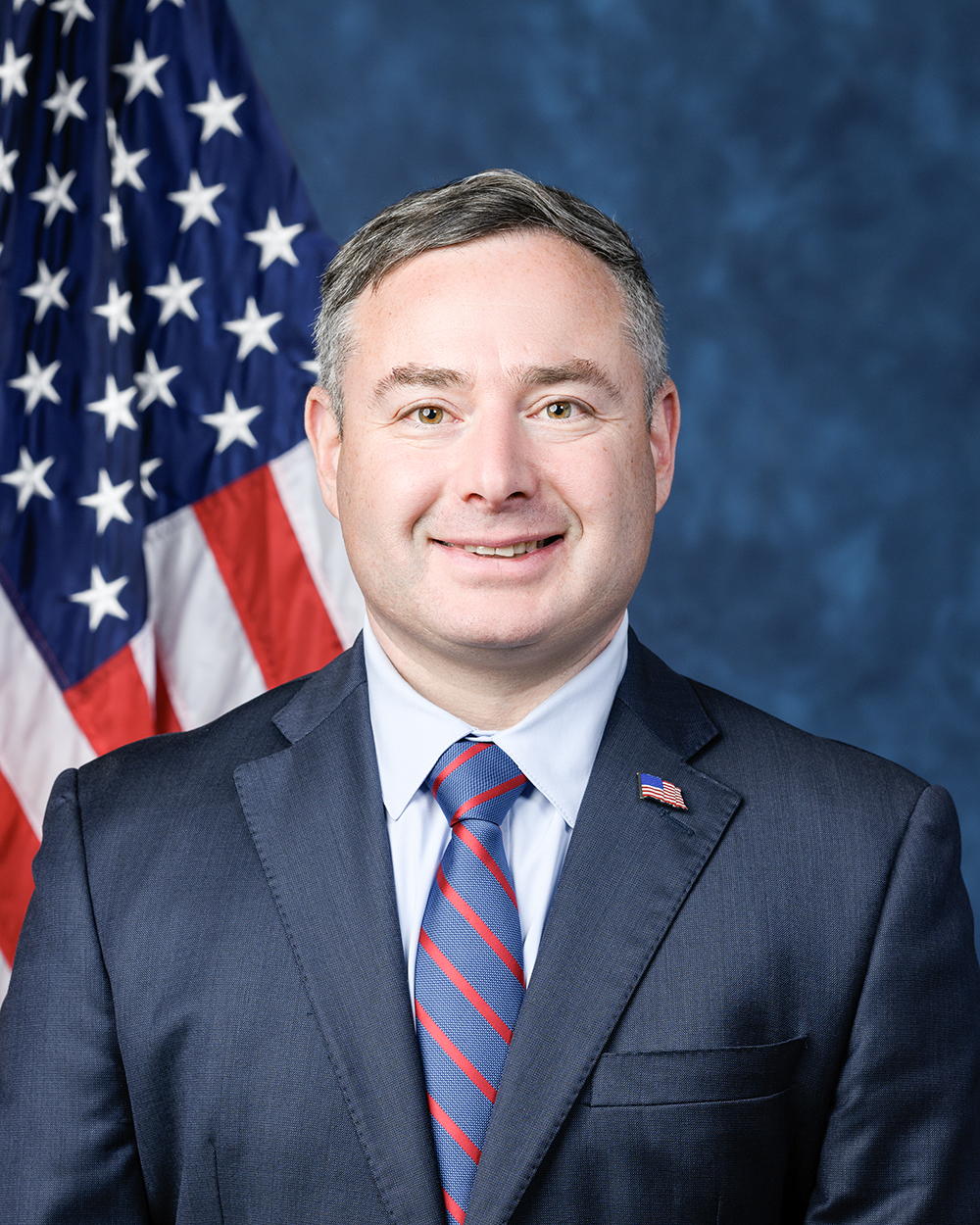
Rep. Eugene Simon Vindman
Sponsored bills
Maddy summaryHR 4989, the Streamlining Rural Housing Act of 2025, requires the Departments of Housing and Urban Development (HUD) and Agriculture (USDA) to simplify coordination for rural housing projects funded by both agencies. Within 180 days, they must create a memorandum of understanding to evaluate environmental review processes, designate a lead agency for efficiency, and maintain existing environmental standards. The bill establishes an advisory group with housing stakeholders - including nonprofits, developers, and residents - to guide implementation. It mandates a report within one year with recommendations to improve project efficiency without reducing resident safety, shifting long-term costs, or undermining environmental standards. This bill directly affects rural housing projects funded by HUD or USDA by targeting bureaucratic delays in approvals.
Maddy summaryThis bill extends the expiration date for a provision allowing certain vehicles to use High Occupancy Vehicle (HOV) lanes without meeting standard occupancy requirements. Specifically, it amends federal law to change the deadline from September 30, 2025, to September 30, 2031. The change directly affects drivers and vehicle operators who currently qualify for this exemption under existing rules. It is a procedural reauthorization, not a policy change, maintaining the current HOV lane exemption rules for an additional six years.
Maddy summaryThis bill establishes a permanent Rural Housing Preservation and Revitalization Program to help maintain affordable housing in rural areas. It provides mechanisms for loan restructuring, extends rental assistance contracts for up to 20 years, and streamlines application processing for housing assistance. The bill also adjusts rural housing voucher programs to better respond to tenant needs, including allowing for interim and annual reviews of voucher amounts based on income changes. These changes directly affect low-income rural residents living in federally assisted housing and the housing providers who manage these properties.
Maddy summaryThe CLEAN Pacific Act of 2025 establishes a U.S. program to assist 16 Pacific Island nations - including Fiji, Palau, and Samoa - in combating drug trafficking by improving their capacity to seize, destroy, and manage chemicals used in illicit drug production and related hazardous waste. The program requires the U.S. Secretary of State to create a 5-year implementation plan for each country, including specific goals for clearing chemical backlogs, preventing re-entry into drug production, and reducing environmental harm, with annual progress reports to Congress. It mandates funding from existing foreign aid budgets to support law enforcement training, shared equipment, and infrastructure upgrades in beneficiary countries. The initiative directly affects U.S. agencies (State, Defense, Justice) and the listed Pacific nations through concrete policy actions focused on counternarcotics operations and environmental safety.
Maddy summaryHR 4965, the Counseling for Career Choice Act, requires schools to strengthen career guidance programs for students. It directly affects K-12 school counselors and students by mandating specific components, including identifying local job market trends with workforce agencies, providing financial aid awareness, and developing personalized career plans. Key provisions require schools to create systems for counselors to access workforce data, offer professional development, and connect students to apprenticeships, internships, dual enrollment, and job training programs. The law also encourages using technology like AI tools to support career counseling and evaluate student outcomes. This focuses on preparing students for college and careers through structured, data-informed school counseling services.
Maddy summaryHR 4940, the AIRFARE Act, requires the TSA to create a system at domestic airports within 180 days to streamline gate passes for caregivers. It allows air carriers to issue up to two gate passes per trip for caregivers (parents, guardians, or individuals pushing wheelchairs) accompanying minors (under 18) or passengers needing assistance (e.g., wheelchair users). Caregivers can link these passes to existing TSA Pre-Check status using their Known Traveler Number. The bill directly affects families and travelers with mobility or health needs by improving access to flights without requiring separate security screenings.
Maddy summaryHR 4926, the Highway Funding Transferability Improvement Act, increases the percentage of federal-aid highway funds that states can transfer between different transportation projects from 50% to 75%. This change directly affects state transportation departments managing federal highway funds, giving them greater flexibility to shift resources between projects like road repairs and new construction. The key provision amends Section 126(a) of Title 23, U.S. Code to allow states to reallocate a larger portion of their allocated funds without federal approval. This is a procedural adjustment to existing funding rules, not a new policy.
Maddy summaryThis bill increases funding limits for the Rural Microentrepreneur Assistance Program, directly helping small rural business owners seeking loans. It raises the maximum loan amount from $50,000 to $75,000 and changes loan coverage to 100% for eligible project costs (with a 50% cap on real estate improvements like construction). The program's funding period is extended from 2019-2023 to 2026-2030. These changes aim to provide greater financial support for rural entrepreneurs starting or expanding small businesses.
Maddy summaryHR 4945, the GO Ag Act, creates a $5 million grant program to fund new agricultural education programs in secondary schools. It provides competitive grants (max $100,000 per school) for schools to develop new programs focused on agriculture, including curriculum, equipment, and work-based learning. To qualify, schools must show programs are new, align with regional employer needs, and include sustainable funding beyond the grant. Grantees must track student progress (including special populations) and submit annual reports on program effectiveness through 2028.