Maddy summaryThis bill prohibits federal courts from excluding potential jurors based on disability or age. It amends jury selection laws to require reasonable accommodations (like sign language interpreters or accessible seating) so people with disabilities can serve if otherwise qualified. The law removes automatic disqualification for "infirmity" and ensures individuals aren't barred from jury service solely due to disability when accommodations could enable participation. It directly affects millions of Americans with disabilities and older adults who may have been previously excluded from federal jury duty. The changes apply specifically to jury service in U.S. district courts.
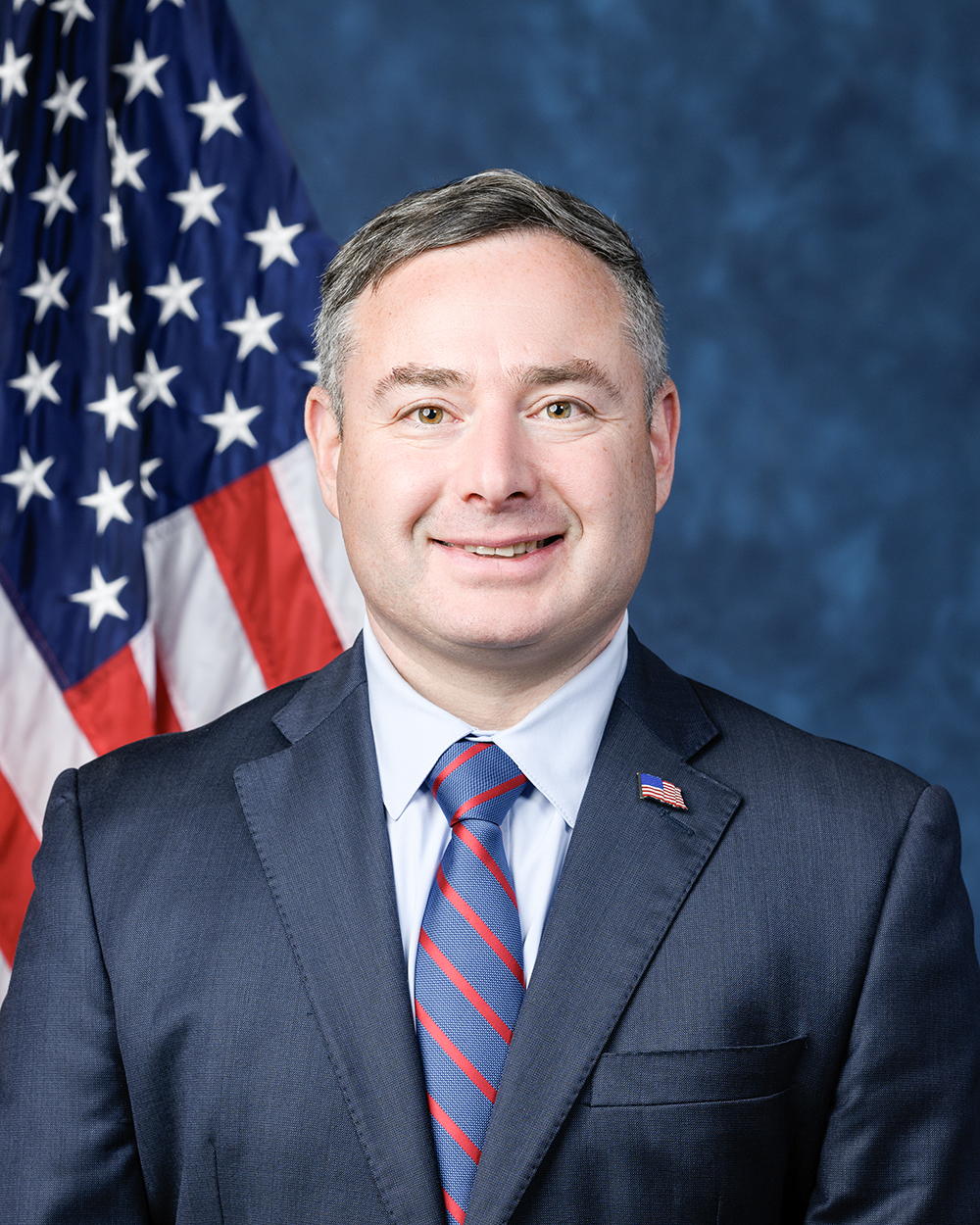
Rep. Eugene Simon Vindman
Sponsored bills
Maddy summaryHR 5097 establishes a new grant program under the Agricultural Marketing Act of 1946 to help specialty crop producers in the U.S. adopt mechanized and automated equipment. The bill directs the Secretary of Agriculture to award grants covering equipment like drones, sorting machines, precision irrigation systems, and robotic tools, plus required training for their use. Recipients must contribute at least 50% of the costs through non-Federal matching funds. This program directly affects commercial specialty crop growers by providing financial support to modernize operations and improve efficiency.
Maddy summaryThe SkyFoundry Act of 2025 establishes a Defense Department program to rapidly develop, test, and manufacture small unmanned aircraft systems (sUAS). It mandates two key facilities: an Army-operated innovation hub for research and design, and a production facility capable of building 1 million sUAS annually at an existing Army depot meeting specific land and infrastructure requirements (15,000 acres total, 8 million sq ft of facilities). The program leverages existing Army depots, uses alternative acquisition methods to speed development, and ensures the government retains intellectual property rights for systems created. It also designates sUAS as essential for national defense under the Defense Production Act, enabling prioritized industrial capacity and streamlined approvals.
Maddy summaryThis bill changes Medicaid payment rules to provide more financial support for safety-net hospitals - those serving high numbers of low-income patients. It allows states to use unspent federal funds from prior years to increase payments to these hospitals, without exceeding the overall annual funding cap. States cannot recoup payments already made to hospitals under older rules, and must report any increased payments in their annual Medicaid reports. The changes apply to payments for Medicaid plan years starting after the bill's enactment.
Maddy summaryThe Protecting Young Minds Online Act requires the Center for Mental Health Services to develop and implement a strategy helping local communities address how new technologies, such as social media, affect children's mental health. This strategy will provide communities with practical resources and guidance to support children's well-being in digital environments. The bill amends the Public Health Service Act to add this specific requirement for the Center. It directly affects the Center for Mental Health Services (which must create the strategy) and local communities (which will use the strategy to address technology-related mental health challenges for children).
Maddy summaryThis bill requires the Health and Human Services and Labor Secretaries to review all federal grant programs supporting the nursing workforce and submit a report to Congress within one year. The report must include recommendations to improve specific goals: increasing nursing faculty (especially in underserved areas), creating pathways for experienced nurses to become faculty, and expanding opportunities for licensed practical nurses to become registered nurses. It does not create new funding or programs but mandates a comprehensive review of existing initiatives. The bill directly affects federal agencies managing nursing workforce grants and aims to identify ways to strengthen nursing education pipelines.
Maddy summaryHR 5032, the Nitazene Control Act, permanently classifies all nitazenes and their chemical analogs as Schedule I controlled substances under the Controlled Substances Act. This means these synthetic opioids, which are significantly more potent than fentanyl and linked to overdose deaths, are now federally banned for all non-medical use. The bill creates a broad chemical definition covering substances with specific structural features (a benzimidazole core and mu-opioid receptor activity), preventing new analogs from evading regulation. It includes a temporary 18-month exemption for researchers already studying these substances under active FDA-approved protocols, requiring them to notify the DEA and apply for proper registration within that period. The law directly affects the illicit drug market and ongoing research involving nitazenes, aiming to streamline enforcement and prevent new analogs from entering the supply chain.
Maddy summaryHR 5031, the *Preserving Patient Access to Long-Term Care Pharmacies Act*, requires Medicare Part D plans and Medicare Advantage plans with drug coverage (MA-PD) to pay long-term care pharmacies an additional supply fee for each specified prescription dispensed to eligible beneficiaries during 2026 ($30) and 2027 (adjusted for inflation). This fee must be paid alongside existing reimbursements for drug costs and dispensing, with a $10,000 penalty for non-payment. The bill also directs the GAO to study long-term care pharmacy payment sustainability under Medicare, analyzing historical payments for brand/generic drugs and dispensing fees. It aims to ensure uninterrupted pharmacy access for Medicare beneficiaries in long-term care settings, particularly in rural areas.
Maddy summaryHR 5011, the Violent Antisemitism Threat Assessment Act, requires the Secretary of Defense to submit a report by March 20, 2026, to the House and Senate Armed Services Committees. The report must assess how violent antisemitism functions within transnational extremist movements, including specific examples of antisemitic violence, related propaganda, and threats to U.S. citizens, citizens abroad, and government personnel. It mandates an overview of antisemitic ideologies in extremist groups, a review of violent acts motivated by such ideologies, and an analysis of how these threats impact U.S. national security interests. This bill creates a new reporting requirement focused on gathering specific data on antisemitic extremism, without changing existing laws or creating new programs.
Maddy summaryThis bill permits military retirees and veterans receiving 100% disability compensation (under 38 U.S.C. §1114) to contribute a portion of their retired pay or disability benefits to the Thrift Savings Plan (TSP). It applies only to individuals who already held a TSP account before separating from service. The bill requires the Federal Retirement Thrift Investment Board, with Defense and Veterans Affairs, to issue implementing regulations within 180 days of enactment. This creates a new pathway for these veterans to grow retirement savings using their existing benefit payments.