Maddy summaryHR 6093, the Agricultural Cooperative Energy Savings Act of 2025, expands eligibility for certain USDA programs to include agricultural cooperatives with fewer than 2,500 employees. This change directly affects smaller agricultural cooperatives that previously did not qualify under existing rules. The bill amends Section 9007(c)(1)(A)(i) of the Farm Security and Rural Investment Act of 2002 to add these cooperatives to the list of eligible participants. The key mechanism is simply broadening the definition of qualifying entities for existing USDA program access. This is a procedural change to eligibility criteria, not a new program.
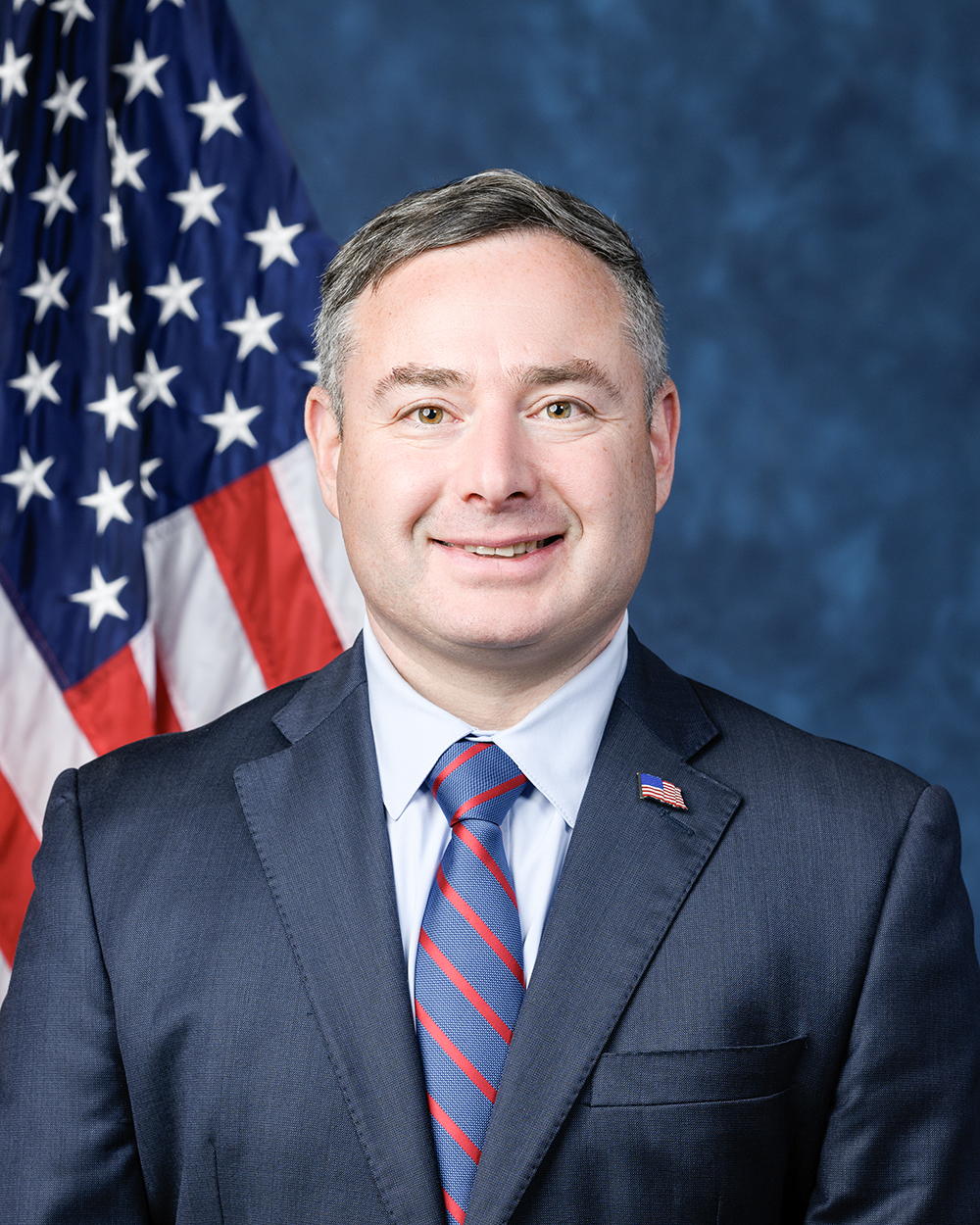
Rep. Eugene Simon Vindman
Sponsored bills
Maddy summaryThe Fire Innovation Unit Act establishes a 7-year federal pilot program to test and deploy new wildfire prevention, detection, and response technologies. It connects private companies, nonprofits, and universities (covered entities) with government agencies like FEMA, tribal fire departments, and land management agencies (covered agencies) to jointly test technologies in real-world scenarios. Key provisions include identifying priority technology areas - such as remote sensing, safety equipment, community resilience tools, and autonomous systems - and requiring annual reports to Congress on costs, effectiveness, and procurement barriers. The program aims to accelerate the adoption of proven, cost-effective technologies through public-private partnerships, with the pilot ending seven years after enactment.
Maddy summaryThis bill increases annual funding for the Rural Economic Development Loan and Grant Program from $10 million to $12 million, effective for fiscal years 2026 through 2030. It directly affects rural communities eligible for loans and grants under this program, which supports local economic development projects. The key mechanism is a specific funding amendment to Section 313B of the Rural Electrification Act of 1936. This change extends and boosts financial resources for rural infrastructure and community initiatives without altering program eligibility or administration.
Maddy summaryThis bill creates a pilot program providing development loans to beginning farmers and ranchers for long-term capital investments that benefit their operations for more than one year, such as equipment, soil health improvements, or business setup. Loans are capped at $100,000 with interest rates of 0-3% and repayment terms of 3-10 years, requiring borrowers to complete training on farm management, bookkeeping, and risk planning. The program aims to address current limitations where beginning farmers face under-investment due to existing annual operating loans. The Secretary of Agriculture must evaluate the pilot and report biennially to Congress on its outcomes.
Maddy summaryHR 5341, the LOCAL Foods Act of 2025, expands an existing exemption under the Federal Meat Inspection Act. It allows individuals who own livestock (in whole or part) to slaughter, prepare, or transport meat products for their own household, nonpaying guests, or employees without federal inspection. The bill adds a requirement that if an owner uses an agent for these tasks, they must maintain custody and specific identification of the meat products as determined by the Secretary. This directly affects small-scale livestock owners and handlers who produce meat for personal or limited household use, not commercial sale.
Maddy summaryThe Claiming Age Clarity Act (HR 5284) requires the Social Security Administration to update its official terminology by January 1, 2027. It directs the replacement of specific terms: "early eligibility age" becomes "minimum monthly benefit age," "full retirement age" and "normal retirement age" become "standard monthly benefit age," and "delayed retirement credit" is eliminated, with "maximum monthly benefit age" used instead of age 70 references. This change applies to all Social Security Administration rules, regulations, guidance, and materials, both online and in print, affecting how the agency communicates retirement benefit rules to the public.
SBA Fraud Enforcement Extension Act This bill extends the statute of limitations to 10 years for fraud-based criminal and civil offenses with respect to the Shuttered Venue Operators Grant and the Restaurant Revitalization Fund COVID-19 relief programs.
Give Kids a Chance Act of 2025 This bill expands the Food and Drug Administration’s (FDA’s) authority with respect to research on rare pediatric diseases, including by permitting the FDA to take enforcement action against drug sponsors that fail to satisfy pediatric study requirements and by reauthorizing programs that support pediatric research. Specifically, the bill modifies requirements relating to molecularly targeted pediatric cancer investigations to permit research on new drugs in combination with active ingredients that have already been approved, provided certain conditions are met; permits the FDA to take enforcement action against drug sponsors that fail to comply with pediatric study requirements, if such sponsors demonstrated a lack of due diligence in satisfying the requirement; renews the FDA’s authority to award priority review vouchers to sponsors of new products intended to treat rare pediatric diseases through September 30, 2029; and reauthorizes through FY2027 certain funding for the National Institutes of Health to support priority pediatric research. The bill also provides statutory authority for the FDA’s interpretation of the orphan drug exclusivity period. The bill specifies, consistent with FDA regulations, that the seven-year market exclusivity period for drugs for rare diseases or conditions (i.e., orphan drugs) prohibits the approval of the same drug for the same approved use or indication with respect to the disease or condition. (In Catalyst Pharmaceuticals, Inc. v. Becerra , a court rejected the FDA’s interpretation and held that orphan drug exclusivity extends to all uses or indications for the disease or condition.)
Maddy summaryHR 5697, the Passenger Rail Liability Adjustment Act of 2025, sets the effective date for adjustments to the liability cap for passenger rail operators. Specifically, any adjustment to the liability cap under federal law that occurs during 2026 must take effect 90 days after a required notice is issued. This procedural bill does not change the liability cap amount itself but establishes a clear timeline for when such adjustments become effective. It directly affects passenger rail operators subject to the liability cap under 49 U.S.C. § 28103.
Maddy summaryHR 4802, the Securing Infrastructure from Adversaries Act of 2025, bans the use of federal funds for certain foreign-made LiDAR technology in transportation projects. It prohibits the Secretary of Transportation from procuring, obtaining, or contracting for LiDAR technology from specified "covered foreign countries," "covered LiDAR companies," or "covered LiDAR technology" starting June 30, 2026. Contractors must certify they will not use banned technology, and the Secretary may grant limited waivers for national security reasons, requiring congressional notification. This directly affects transportation infrastructure projects funded by the Department of Transportation, including grants and contracts.