

Maddy summaryThe Digital Skills for Today's Workforce Act establishes a new grant program to expand digital workplace skills training for workers, particularly those with barriers to employment such as low educational attainment, low earnings, or limited English proficiency. The program provides funding to states to award subgrants to eligible entities like community colleges and workforce organizations for training through classroom instruction, apprenticeships, and work-based learning. States must prioritize serving individuals with employment barriers and report on outcomes related to digital skills development. The bill aims to create "digitally resilient" systems and individuals who can adapt to changing technology demands in the workforce. This program is funded through appropriations for fiscal years 2026 through 2030.
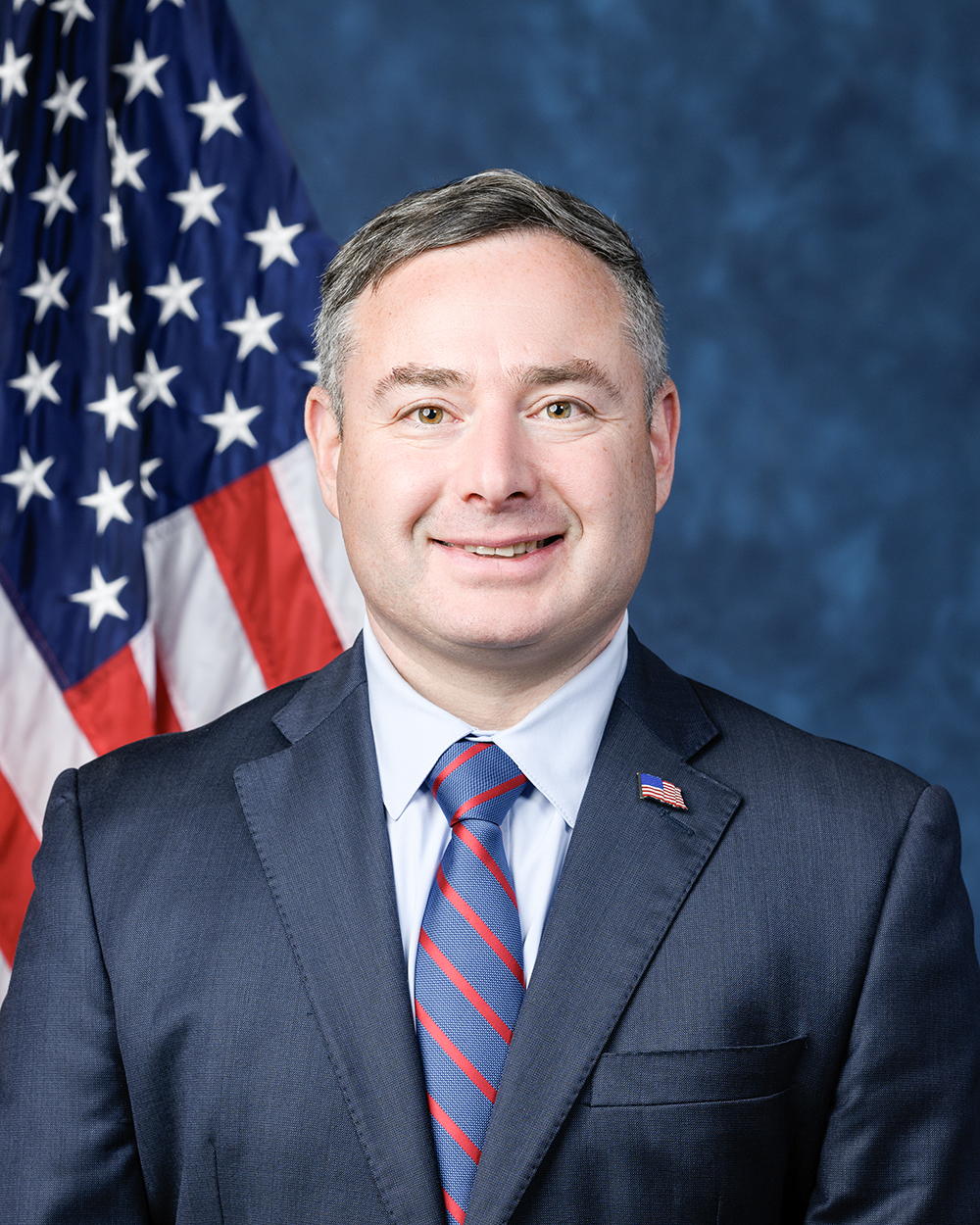
Rep. Eugene Simon Vindman
Sponsored bills
Maddy summaryThis bill increases the annual contribution limit for certain retirement savings accounts from $2,500 to $5,000. It directly affects workers participating in defined contribution retirement plans (like 401(k)s) who meet basic eligibility requirements. The key change raises the maximum amount individuals can contribute annually to these accounts, with the new limit applying to taxable years starting after December 31, 2026. The bill also updates related definitions in retirement law to align with this increased limit.
Maddy summaryHR 6394, the Midwives for MOMS Act of 2025, provides federal grants to fund midwifery education programs at accredited colleges and universities. It allocates $15 million annually for general midwifery schools (50% for student support, 25% for program expansion, 25% for clinical supervisors) and $20 million annually for nurse-midwifery programs with similar funding splits. Priority is given to institutions serving rural areas, economically disadvantaged communities, and health professional shortage areas. The bill directly affects midwifery and nurse-midwifery education programs, excluding those within nursing schools, to expand training capacity.
Maddy summaryThe Independence Investment Fund Act (HR 6412) establishes a Treasury Department fund to invest in U.S. companies developing critical and emerging technologies, prioritizing biotechnology. The fund makes seed-to-mid-stage equity investments (typically $1 million to $10 million per company) to strengthen national security and economic security while aiming for financial self-sustainability through returns. It requires an advisory board to set investment strategy and a supervisory board to approve investments, with annual reporting to Congress on progress toward goals. The bill authorizes $975.5 million for fiscal year 2025 (including $300 million for biotech), directing investments away from foreign entities of concern and toward companies vulnerable to adversarial foreign capital.
Maddy summaryHR 6407, the RCORP Authorization Act, authorizes $165 million annually (2026-2030) to fund the Rural Communities Opioid Response Program. This program provides grants to states, tribes, rural health offices, and other eligible entities to expand prevention, treatment, and recovery services for opioid and substance use disorders in rural areas. Funds can support planning, evidence-based service models, and coordination with local communities but cannot be used for real property acquisition. The bill directly affects rural communities facing opioid crises and the organizations delivering care through these grants.
Maddy summaryHR 6403 expands eligibility for homeless children and youth services to include those verified as homeless through other federal programs (like Head Start, domestic violence assistance, or youth services), with verification timelines extended from 14 to 30 days. The bill requires annual public reporting of detailed homeless data - including age, disability status, and length of homelessness - to HUD, and prohibits service providers from prioritizing specific subpopulations without local data justification. It directly affects homeless youth under 24, unaccompanied youth, and families with children, ensuring consistent access to education, housing, and support services across federal programs.
Maddy summaryThis bill streamlines the process for broadband providers to install facilities in public rights-of-way near rail corridors and on railroad property. It requires providers to notify railroads when placing facilities in intersecting areas (with specific details) and to submit formal applications for railroad rights-of-way, including engineering plans and safety details. Railroads can only deny applications for safety reasons (like infrastructure damage or passenger risk) and must charge providers only for actual safety-related costs. Disputes over approvals or fees are resolved by the FCC within 90 days, with railroads and providers required to follow safety standards and industry guidelines. The law aims to balance broadband expansion with railroad safety and operational needs.
Maddy summaryThis bill establishes a new interagency Task Force to dismantle foreign scam operations targeting Americans, particularly through "pig butchering" scams in Southeast Asia. The Task Force, chaired by the Secretary of State, will coordinate efforts across multiple agencies to shut down scam centers, impose sanctions on perpetrators, and support victims of trafficking. It requires a detailed strategy within 180 days and annual reports to Congress on progress, including sanctions imposed and funds recovered. The bill authorizes $30 million for these efforts in fiscal years 2026-2027, focusing on countries like Cambodia, Laos, and Burma where scam centers operate with forced labor.
Maddy summaryHR 1848, the Houthi Human Rights Accountability Act, requires the U.S. State Department and USAID to submit three reports within 180 days of enactment: one on Houthi indoctrination efforts in Yemen, one on obstacles to humanitarian aid in Houthi-controlled areas, and one on human rights abuses committed by the Houthis (including child soldier recruitment and enforced disappearances). The bill mandates annual sanctions determinations under existing laws against Houthi members who restrict aid or commit human rights violations. It directly targets the Houthi group (Ansarallah) in Yemen, focusing on accountability for their actions. The legislation expires five years after enactment.
Maddy summaryThe Kidd's Stuttering Act requires Medicaid and CHIP to screen children aged 2-6 for stuttering and speech fluency during routine well-child visits starting January 1, 2027. It also mandates that Medicaid and CHIP cover specified speech therapy services for childhood stuttering (defined as "specified speech therapy services") with coverage rules no more restrictive than those for other speech disorders like language delays. The bill ensures these services include telehealth options and applies to all states administering Medicaid or CHIP. This directly affects children with stuttering who qualify for Medicaid or CHIP, aiming to improve early detection and access to treatment.