Maddy summaryThis bill recognizes the service of individuals who were members of the U.S. Cadet Nurse Corps between July 1, 1943, and December 31, 1948, by treating that service as active duty for specific burial-related benefits. It requires the Secretary of Defense to issue an honorable discharge to eligible individuals within one year of the bill's enactment, designating their discharge date. The bill allows for commemorative items like service medals or plaques but clarifies that recipients will not receive most VA benefits (only headstones/markers under specific chapters of law). It directly affects living cadet nurses from that era and their families for burial purposes.
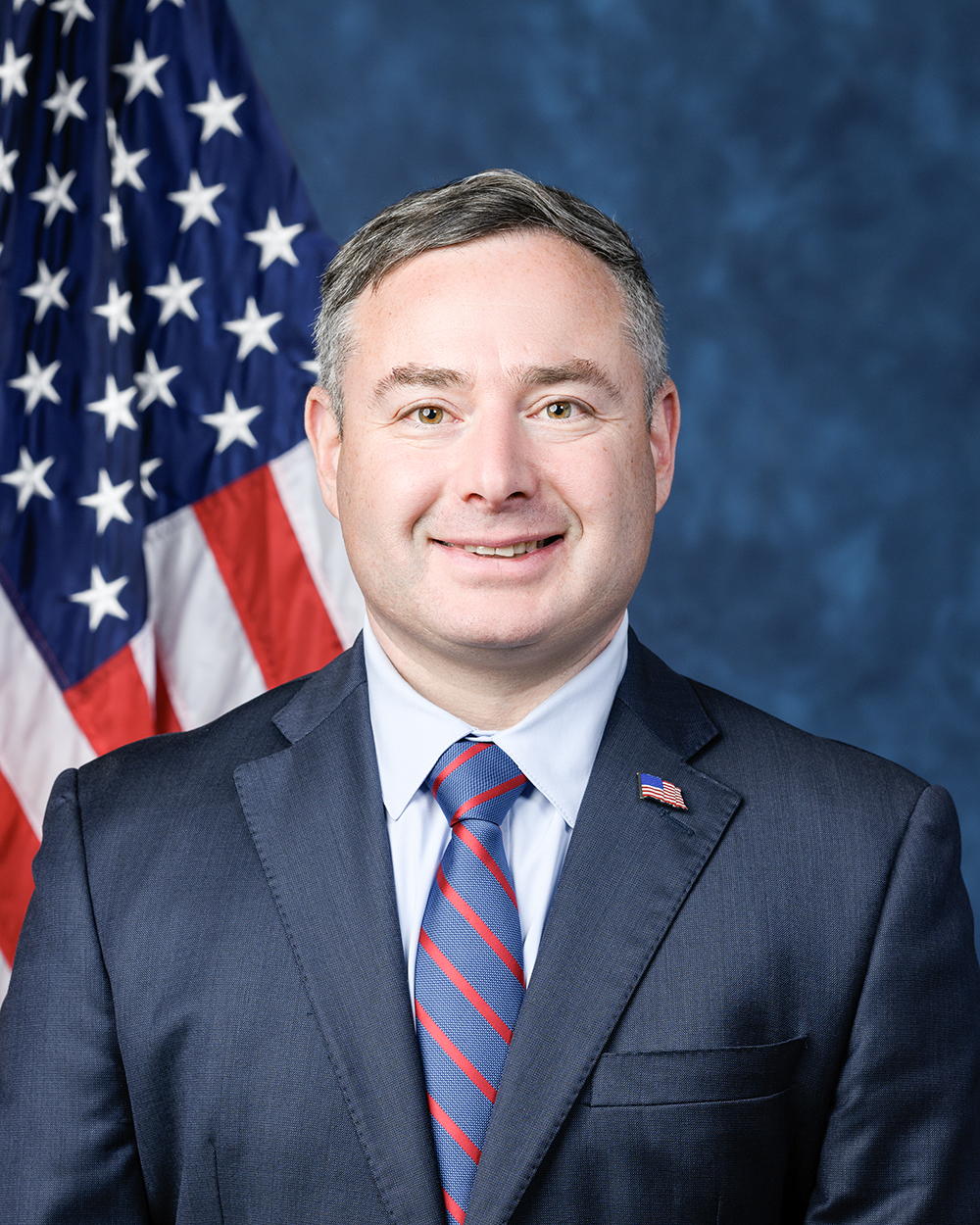
Rep. Eugene Simon Vindman
Sponsored bills
Maddy summaryHR 3309, the Autonomy for All Disabled Veterans Act, increases financial assistance for disabled veterans needing home modifications. It raises the maximum benefit amount for home improvements from $6,800 to $10,000 and for structural alterations from $2,000 to $10,000 under Section 1717(a) of Title 38, U.S. Code. The bill also establishes an automatic annual inflation adjustment based on construction cost index changes, starting each fiscal year. These changes directly affect disabled veterans who qualify for home health services through the VA, applying to those who first apply for benefits after the bill's enactment date.
Maddy summaryHR 6490 establishes a pilot program (the "Push-Text Initiative") for members of the Marine Corps stationed at installations in Okinawa, Japan, and their adult dependents. The program automatically enrolls eligible participants using their provided contact information (with an opt-out option) to send text messages containing specific, timely information. Key topics covered include military spouse employment resources, childcare services, TRICARE benefits, and updates on DOD policies affecting service members and dependents. The Secretary of Defense must report on the program's implementation, participation, costs, and potential for Department-wide expansion by October 2027.
Maddy summaryThis bill establishes a new Coordinating and Expanding Organic Research Initiative within the U.S. Department of Agriculture to better coordinate organic agricultural research across multiple agencies. The initiative will conduct regular surveys of organic research, develop strategic plans, and make recommendations on research priorities including climate adaptation, soil health, and ecosystem services. It authorizes significant funding increases for organic research, starting at $60 million in 2026 and reaching $100 million annually after 2030. The bill directly affects USDA research agencies, organic farmers, and the organic food industry by improving research coordination and increasing funding for organic agricultural science.
Maddy summaryHR 6475, the Preventing Child Trafficking Act of 2025, requires the Department of Justice's Office for Victims of Crime and the Administration for Children and Families' Office on Trafficking in Persons to implement the 2023 Government Accountability Office's recommendations for preventing child trafficking and supporting survivors. The bill mandates these agencies to collaborate using established best practices, develop measurable performance goals for child trafficking programs, and base these targets on existing grantee data. It directly affects federal agencies managing anti-trafficking programs and the children and survivors served by those programs. The bill requires a report to Congress within 180 days detailing how these implementation steps were carried out.
Maddy summaryHR 6449, the "DO NOT Call Act," amends the Telephone Consumer Protection Act of 1993 to strengthen penalties for illegal robocalls. It increases criminal penalties for willful violations to up to one year in prison (or three years for aggravated offenses like repeated high-volume calls or calls intended to support felonies), and raises fines for inaccurate caller identification from $10,000 to $20,000 per violation. The bill directly affects businesses and entities making unsolicited calls without consent, including those using auto-dialers or prerecorded messages. Key provisions define "calls" broadly to include unsolicited texts sent via auto-dialers without prior permission.
Maddy summaryThis bill creates two federal grant programs to support medical residency training in rural areas. The first program provides grants to eligible organizations (like rural hospitals, health centers, and medical schools) to establish or expand residency programs where doctors train in rural settings for over half their residency time, focusing on primary care, high-need specialties, or maternal health. The second program funds technical assistance grants to help these organizations apply for and run the training programs. The bill authorizes $12.7 million annually from 2026 to 2030, with grants for the training programs lasting up to 3 years and technical assistance grants up to 4 years.
Maddy summaryThe Retirement Rollover Flexibility Act allows individuals to directly transfer funds from their Roth IRA to a designated Roth account within an employer's retirement plan without triggering immediate taxes. To qualify, the individual must have only one Roth IRA (excluding certain employer plans) and the account balance must not exceed a specific limit. The bill clarifies that such rollover contributions are treated as investments in the new account, meaning earnings on transferred funds remain tax-free until withdrawal. This change primarily benefits workers who want to move Roth IRA savings to an employer plan, especially during job changes involving automatic account portability.
Maddy summaryThis bill creates several tax credits to increase housing affordability for individuals and families. It establishes a first-time homebuyer credit of up to $25,000 (or $50,000 for first-generation homebuyers) for purchasing a principal residence, with income limits based on household size. It also creates a starter home construction credit for building homes under 1,200 square feet priced below 80% of local median home prices, and a renter tax credit for tenants paying more than 30% of their income in rent. Additionally, it provides a credit for converting non-residential buildings to affordable housing that meets specific income and rent restrictions. The bill includes provisions for inflation adjustments and reporting requirements for these tax credits.
Maddy summaryThis bill expands eligibility for workers' compensation medical care under the Federal Employees' Compensation Act by adding nurse practitioners and physician assistants as covered providers. It directly affects injured federal workers who can now receive care from these professionals within their state-authorized scope of practice. Key provisions redefine "other eligible provider" in the law and update related sections to replace "physician" with "physician or other eligible provider" throughout the statute. The bill requires the Secretary of Labor to issue final regulations within six months of enactment to implement these changes.