Maddy summaryHR 6999, the Tax Relief for Fraud Victims Act, provides tax relief for individuals who experience theft losses involving fraud, deceit, or misrepresentation. It removes a limitation on deducting personal casualty losses and allows victims to elect to treat such fraud-related theft losses as occurring in the year the loss happened (rather than when discovered). The bill also extends the deadline for filing refund claims related to these losses to one year after discovery and applies similar rules to early retirement withdrawals tied to such thefts. These changes apply to losses sustained in taxable years beginning after December 31, 2025.
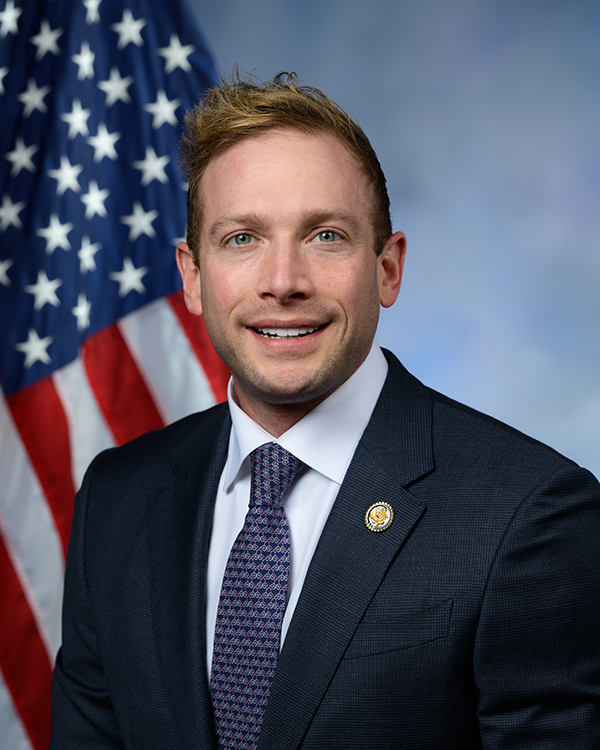
Rep. Max L. Miller
Sponsored bills
Maddy summaryThis bill limits tax deductions for gambling losses to only the amount of gambling gains earned in the same year. It directly affects individuals who report gambling income on their tax returns, requiring them to offset losses against prior gambling winnings rather than using losses to reduce other taxable income. The key provision amends the tax code to restrict wagering loss deductions under Section 165(d), making losses deductible only up to the level of gambling gains. The rule applies to taxable years beginning after December 31, 2025.
Maddy summaryThis bill establishes a certification program for importers meeting specific criteria like compliance with trade laws, supply chain security, and promotion of U.S. manufacturing competitiveness. Certified "Trusted Importers" would receive 10-year licenses allowing reduced or waived tariffs on eligible goods, with tariff decisions based on boosting U.S. manufacturing competitiveness, protecting domestic supply chains, and expanding market access for U.S.-origin products. Foreign entities linked to national security concerns or subject to existing trade restrictions are barred from the program. The program requires regular reporting to Congress on license activity, import volumes, and its impact on U.S. manufacturing competitiveness.
Maddy summaryHR 4837, the Written Informed Consent Act, requires the Veterans Health Administration (VHA) to update its existing directive on informed consent to include additional medication classes. Specifically, it mandates that written informed consent must be obtained before prescribing antipsychotics, stimulants, antidepressants, anti-anxiety medications (anxiolytics), and narcotics (opioids) to veterans. This expansion directly affects veterans receiving these medications through the VA system, ensuring they are informed about specific treatment risks and alternatives. The key mechanism is amending VHA Directive 1005 to broaden its application beyond long-term opioid therapy to cover the newly listed medication types.
Maddy summaryHR 3492, the Protect Children’s Innocence Act, makes it a federal crime to perform genital or bodily mutilation or chemical castration on minors under 18, except for specific medical reasons. The bill broadly defines prohibited procedures to include gender transition-related surgeries (like hysterectomies or mastectomies) and medical treatments such as puberty blockers or cross-sex hormones administered to minors. It criminalizes these acts when they occur across state lines, involve payments, or use interstate commerce, while explicitly banning religious tradition as a defense. Exceptions include medically necessary procedures for health emergencies, childbirth, or conditions certified by a physician.
Maddy summaryThis bill, titled "Pet and Livestock Protection Act," is misleading; it actually focuses on gray wolf management. It requires the Secretary of the Interior to reissue a 2020 rule removing gray wolves from the endangered species list within 60 days of enactment. The bill also prohibits courts from reviewing this reissuance. This directly affects gray wolf populations and management policies in states where wolves are present, shifting regulatory control away from federal endangered species protections.
Miracle on Ice Congressional Gold Medal Act This act provides for the award of Congressional Gold Medals to the members of the 1980 U.S. Olympic men's ice hockey team in recognition of the team's achievement at the 1980 Winter Olympic Games.
Maddy summaryThis bill extends and increases tax credits for sustainable aviation fuel (SAF) producers. It raises the credit rate from 20 cents to 35 cents per gallon for certain SAF facilities and from $1.00 to $1.75 per gallon for others, while requiring SAF to meet ASTM International standards and exclude palm oil or petroleum-derived sources. The credit period is extended from ending in 2029 to 2033, applying to fuel produced after December 31, 2025. The bill directly affects SAF producers meeting these specific criteria, aiming to incentivize cleaner fuel production for the aviation industry.
Maddy summaryThis bill directs the American Battle Monuments Commission to correct historical errors by identifying Jewish World War I and II veterans buried overseas under incorrect Christian markers (Latin crosses) and replacing them with appropriate markers. It establishes a 10-year program to contact families of affected veterans, with the Commission funding the effort at $500,000 annually through nonprofit contracts. The program specifically targets veterans buried in foreign U.S. military cemeteries with markers indicating non-Jewish faith, addressing a documented mistake affecting approximately 900 Jewish servicemembers. This directly affects Jewish veterans' families by honoring their heritage and correcting past burial inaccuracies.
Maddy summaryHRES 930 is a symbolic resolution designating December 8, 2025, as "Jimmy Lai Day" to honor Jimmy Lai's advocacy for free press, religious freedom, and democracy in Hong Kong. It calls on the People's Republic of China and Hong Kong authorities to release Jimmy Lai and other Hong Kong prodemocracy advocates detained under Hong Kong's National Security Law. The resolution does not create new laws or policies but expresses congressional support for Lai's work and condemns the imprisonment of those advocating for Hong Kong's freedoms. It directly affects U.S. diplomatic messaging toward China, not Hong Kong's legal system or residents.