HR 3492 United States House · 119th Congress

Protect Children’s Innocence Act

HR 3492, the Protect Children’s Innocence Act, makes it a federal crime to perform genital or bodily mutilation or chemical castration on minors under 18, except for specific medical reasons. The bill broadly defines prohibited procedures to include gender transition-related surgeries (like hysterectomies or mastectomies) and medical treatments such as puberty blockers or cross-sex hormones administered to minors. It criminalizes these acts when they occur across state lines, involve payments, or use interstate commerce, while explicitly banning religious tradition as a defense. Exceptions include medically necessary procedures for health emergencies, childbirth, or conditions certified by a physician.
Bill status passed 3 of 5 stages cleared
Introduction
May 2025
Committee Review
Dec 2025
House Passage
Dec 2025
Senate Passage
President
Introduced May 19, 2025 Last action Dec 18, 2025
Maddy AI version diff · 1 comparison

What changed between versions

Introduced in House Engrossed in House · 7 edits · Dec 17, 2025
MODERATE
The Engrossed version of HR 3492 makes several substantive changes to the Protect Children's Innocence Act: it adds a new exemption for procedures performed to normalize precocious puberty, broadens the definition of covered mutilation to include urethral reconstruction surgery and non-facial physiological features, narrows the medical exception for complications from prior procedures by replacing 'gender transition procedures' with the statute's own defined terms, and redefines 'biological sex' more simply while adding separate definitions for 'male' and 'female' based on reproductive capacity.
Scope change
The bill's scope was slightly broadened (urethral reconstruction and non-facial physiological features now covered) while simultaneously narrowed in one respect (new precocious puberty exemption). The definitional changes to 'biological sex' and the addition of 'male'/'female' definitions clarify but do not fundamentally alter who is covered.
ELIGIBILITY

New exemption (g)(2)(E) allows genital or bodily mutilation or chemical castration of a minor diagnosed with precocious puberty when the purpose is to normalize puberty. This is a significant carve-out from the criminal prohibition.

Exception (g)(2)(C) was narrowed: the prior version exempted complications from 'previous gender transition procedures,' while the new version exempts only complications from 'a previous genital or bodily mutilation procedure or chemical castration' as defined in the statute.

DEFINITION

The definition of 'biological sex' was simplified from a multi-factor test (reproductive potential, sex chromosomes, hormones, gonads, genitalia present at birth) to simply 'the classification of the person as male or female at birth.'

New definitions for 'male' and 'female' were added, each defined by reference to a reproductive system that produces sperm (male) or eggs (female), with exceptions for congenital anomalies, historical accidents, or intentional or unintentional disruption.

The exclusion in (g)(1)(B) was expanded from excluding only 'a mental health disorder' from the definition of a minor's health, to also excluding 'mental, behavioral, or emotional distress.' This makes it harder to claim a medical necessity defense based on psychological conditions.

SCOPE

New paragraph (h)(1)(F) adds urethral reconstruction surgery (with or without metoidioplasty or phalloplasty) to the list of procedures constituting genital or bodily mutilation.

Definition (h)(1)(C) was broadened from covering only 'facial features' to 'facial or other physiological features,' expanding which plastic surgeries fall under the prohibition.

Floor votes · House Dec 17, 2025

How they voted

216211
Passed · 6 other
Total votes 433
Dec 17, 2025
D Democratic213
3 Yea 207 Nay 3
97% Nay
I Independent1
1 Yea
100% Yea
R Republican219
212 Yea 4 Nay 3
96% Yea
Vote distribution
All Yea All Nay Mixed No data
Full legislative history

Actions timeline

Total actions
21
Key actions
7
Committee
6
Amendments
1
Dec 18, 2025
Committee
Received in the Senate and Read twice and referred to the Committee on the Judiciary.
upper
Dec 17, 2025
Lower · Passed
On passage Passed by the Yeas and Nays: 216 - 211 (Roll no. 351). (text of amendment in the nature of a substitute: CR H5992-5993)
lower
Dec 17, 2025
Lower · Passed
Passed/agreed to in House: On passage Passed by the Yeas and Nays: 216 - 211 (Roll no. 351).
lower
Dec 17, 2025
Lower · Passed
Ms. Balint moved to recommit to the Committee on the Judiciary. (text: CR H5999-6000)
lower
Dec 17, 2025
Lower · Passed
Rule H. Res. 953 passed House.
lower
Dec 17, 2025
Lower · Passed
Rules Committee Resolution H. Res. 953 Reported to House. Rule provides for consideration of H.R. 6703, H.R. 498 and H.R. 3492. The resolution provides for consideration of H.R. 6703 and H.R. 498 under a closed rule and H.R. 3492 under a structured rule with one hour of general debate and one motion to recommit on each bill.
lower
Sep 26, 2025
Lower · Passed
Reported (Amended) by the Committee on Judiciary. H. Rept. 119-311.
lower
Jun 10, 2025
Introduced
Ordered to be Reported in the Nature of a Substitute (Amended) by the Yeas and Nays: 17 - 10.
lower
Jun 10, 2025
Lower · Passed
Committee Consideration and Mark-up Session Held
lower
May 19, 2025
Committee
Referred to the House Committee on the Judiciary.
lower
May 19, 2025
Introduced
Introduced in House
lower
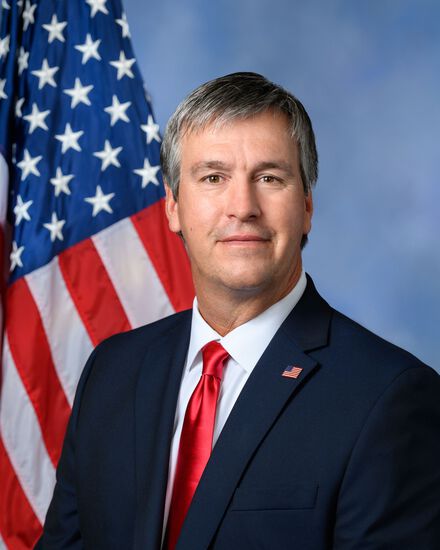
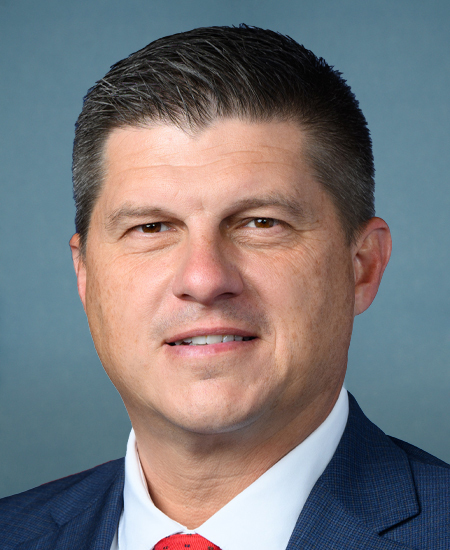
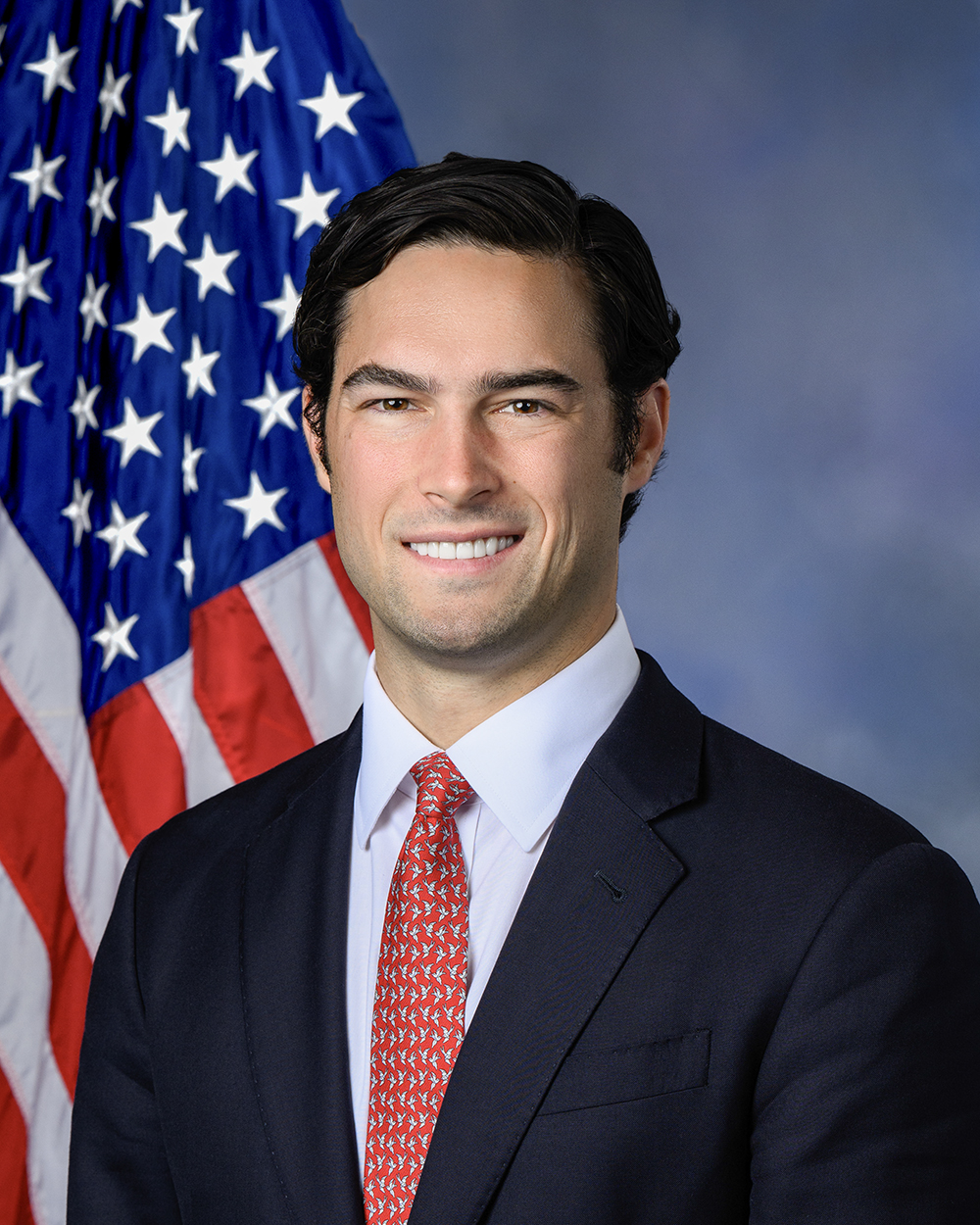
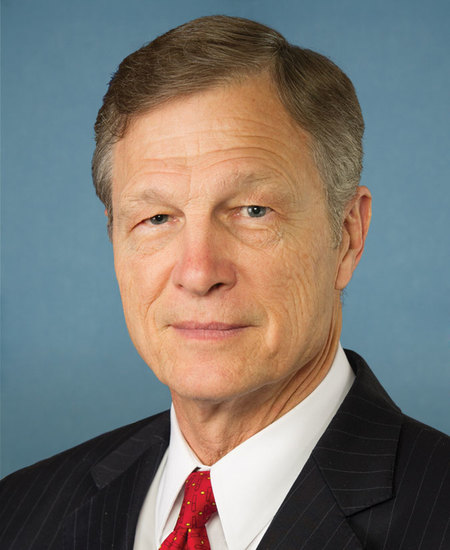
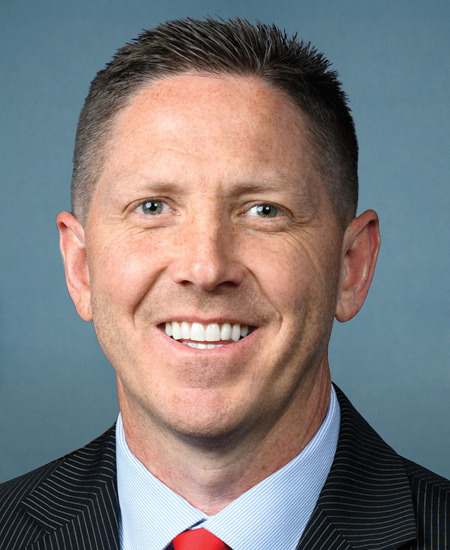
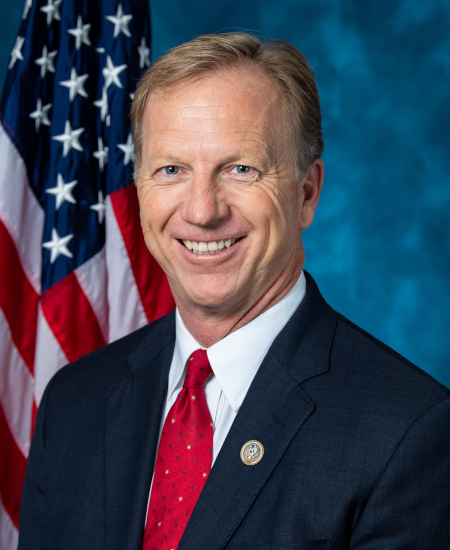
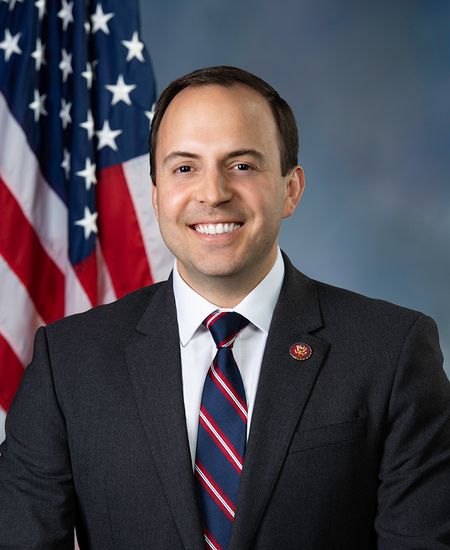
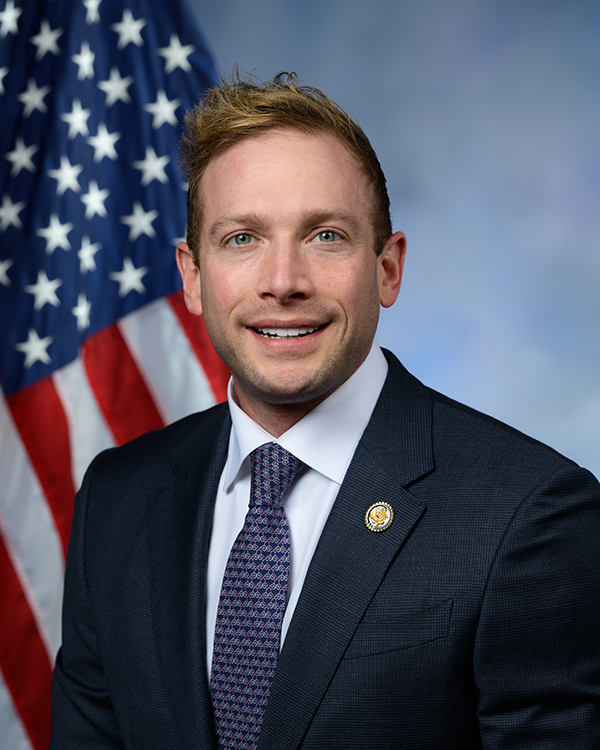
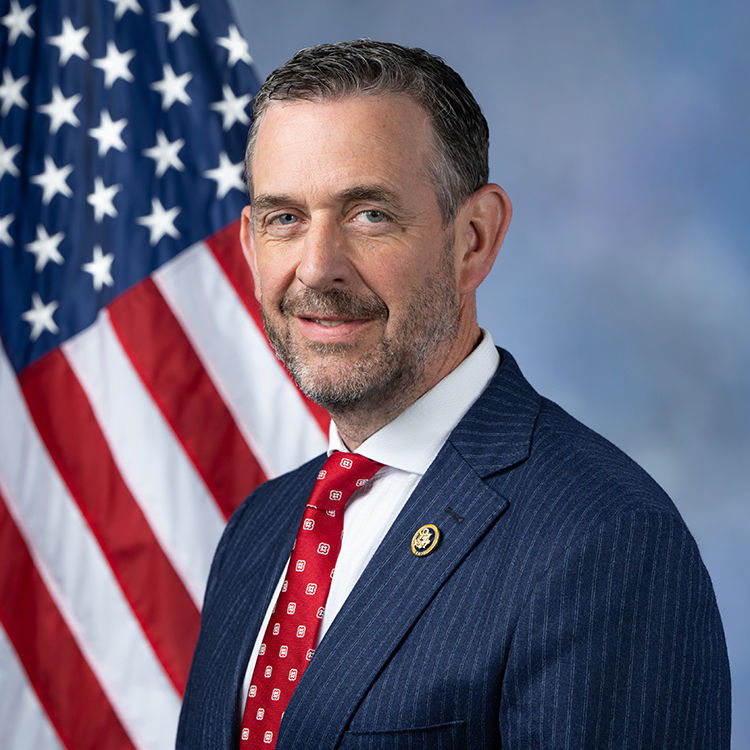
1 primary · 44 co-sponsors
Sponsors