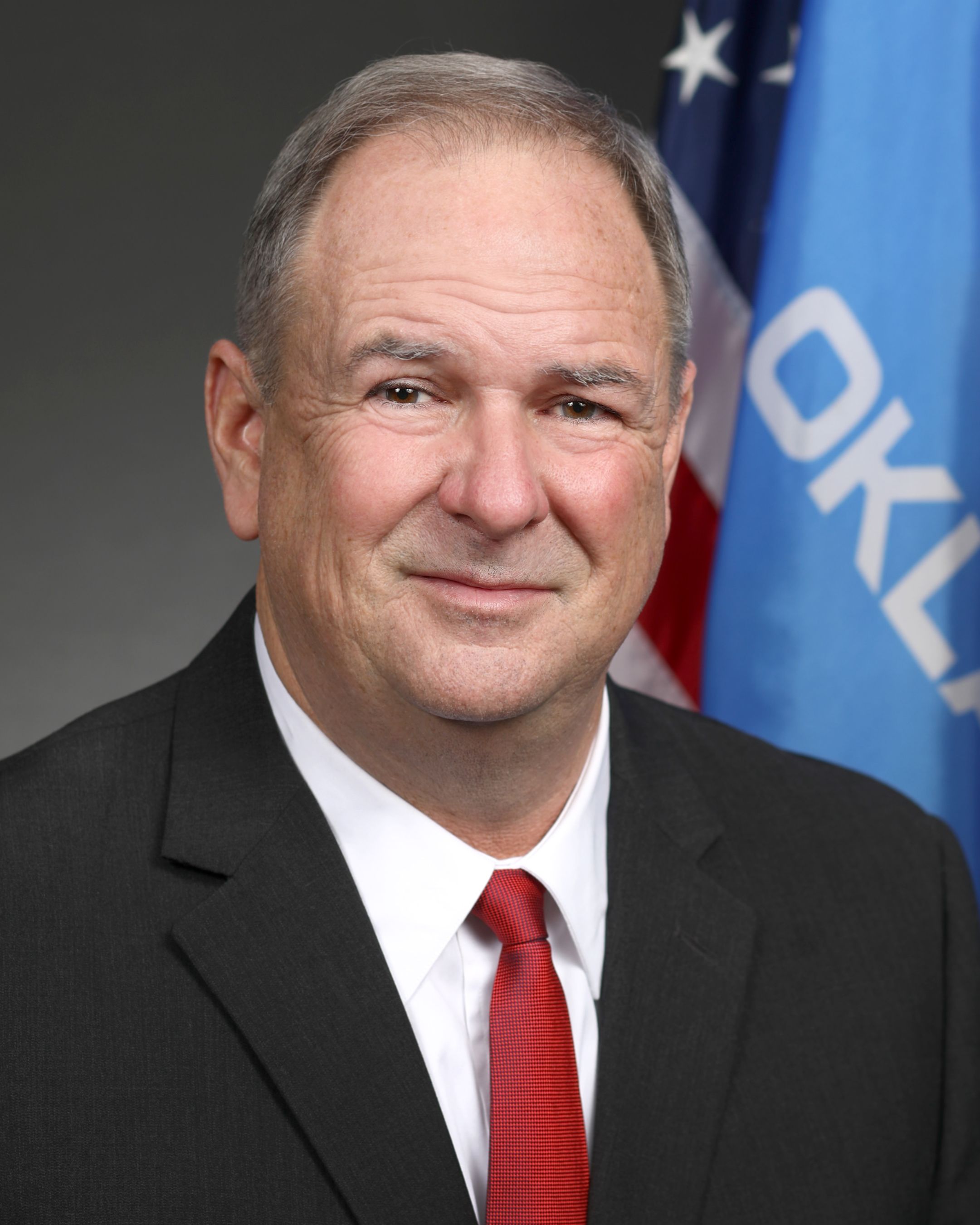
Photo of Eric Roberts
R Oklahoma House · District 83 On the 2026 ballot

Rep. Eric Roberts

Compare
Total votes
4,215
all sessions
Attendance
98%
74 missed
Higher than 83% of chamber peers
With party
96%
of cast votes
Near the chamber average
Bipartisan score
3%
crosses aisle rarely
Near the chamber average
Sponsored
143
bills & resolutions
Near the chamber average
Committees
3
assignments
143 bills and resolutions

Sponsored bills

Total
143
Primary
143
Co-sponsor
0
This page
143
matching current filters
Primary HB 3858
In committee · Oklahoma House · Lead sponsor
Health insurance; Health Insurance Act of 2026; effective date.

Maddy summaryHB 3858 is a procedural bill that names the "Health Insurance Act of 2026" and sets its effective date as November 1, 2026. It contains no substantive policy changes to health insurance regulations or requirements. The bill does not amend existing law or create new obligations for insurers, consumers, or providers. This is a noncodified naming resolution with no direct impact on policy or affected parties.

In committee Feb 3, 2026 0 co-sponsors
Primary HB 3846
In committee · Oklahoma House · Lead sponsor
Revenue and taxation; ad valorem taxation; exemptions; affordable housing projects; effective date.

Maddy summaryHB 3846 creates a new property tax exemption for affordable housing projects financed through Low Income Housing Tax Credits (LIHTC) under federal law. It directly affects developers and operators of such housing who receive LIHTC financing. The bill requires these properties to maintain at least 75% occupancy - either as a single-family dwelling or with an average 75% rate across multi-family units - to keep the tax exemption. If occupancy falls below this threshold, the property loses its exemption for the next assessment year, requiring annual reporting to county assessors.

In committee Feb 3, 2026 0 co-sponsors
Primary HB 3863
In committee · Oklahoma House · Lead sponsor
Health; Oklahoma Rare Disease Reform Act of 2026; effective date.

Maddy summaryBased solely on the provided bill text, a summary cannot be generated. The context only includes the bill's title, effective date (November 1, 2026), and a note that it is "not to be codified in the Oklahoma Statutes." No substantive provisions, mechanisms, or policy changes are described in the text. The summary section of the bill is empty, and the context does not specify what the "reform" entails or who it would affect. Without details on the actual policy, a factual summary meeting the requested criteria cannot be provided.

In committee Feb 3, 2026 0 co-sponsors
Primary HB 3847
In committee · Oklahoma House · Lead sponsor
Revenue and taxation; foreclosure lien; unpaid taxes; population cap; effective date.

Maddy summaryHB 3847 prevents the sale of single-family homes for unpaid property taxes in Oklahoma counties with over 100,000 residents, specifically protecting elderly or disabled homeowners. It requires homeowners aged 65+ or classified as totally disabled (with medical proof), living in their home (not renting it), earning below federal poverty income guidelines, and owning property valued under $180,000 to qualify for an exemption. Homeowners must apply annually to the county treasurer with proof of eligibility, though taxes, interest, and penalties continue to accrue during the exemption. The bill applies only to large counties (per 2020 Census) and takes effect November 1, 2026.

In committee Feb 3, 2026 0 co-sponsors
Primary HB 3857
In committee · Oklahoma House · Lead sponsor
Law enforcement; Law Enforcement Deconfliction Act of 2026; effective date.

Maddy summaryHB 3857 is a procedural bill that names the "Law Enforcement Deconfliction Act of 2026" and sets its effective date as November 1, 2026. It contains no substantive policy changes or mechanisms, as it is explicitly stated to be "noncodified" (not added to Oklahoma's official statutes). The bill solely establishes the act's name and effective date without altering law enforcement procedures or affecting any specific groups. This is a routine naming and effective date bill with no direct policy impact.

In committee Feb 3, 2026 0 co-sponsors
Primary HB 1865
Signed into law · Oklahoma House · Lead sponsor
Elections; directing for ballots to be printed in advance of election; hours for voting; clarifying applicability to county election board; directing voter appear at assigned polling place; prohibiting voting centers; effective date; emergency.

Maddy summaryHB 1865 requires all Oklahoma election ballots to be printed in advance of election day, mandates polling places open from 7:00 a.m. to 7:00 p.m. (with voters in line at closing allowed to vote), and requires voters to go to their assigned polling place instead of using centralized voting centers. The bill prohibits county election boards from operating voting centers (where voters can vote at any location in the county) except during emergencies approved by the State Election Board. It also clarifies that county election boards must follow these rules and specifies that emergency exceptions for voting centers are limited to precincts directly impacted by the emergency. The law takes effect July 1, 2025.

Signed into law May 27, 2025 0 co-sponsors
Primary HB 1863
Signed into law · Oklahoma House · Lead sponsor
Children; Children's Code; multidisciplinary child abuse team; review; functions; secure database; protocol; Commission on Children and Youth; requirements; rules; codification; effective date.

Maddy summaryHB 1863 requires Oklahoma counties to form multidisciplinary child abuse teams (including police, medical staff, and child welfare workers) to handle cases of child sexual abuse, physical abuse, or neglect. These teams must create joint investigation protocols to minimize trauma for child victims, use a secure database for case reviews, and eliminate duplicative efforts across agencies. The bill increases penalties for confidentiality breaches from $500 to $5,000 fines and mandates annual reviews of teams by the Commission on Children and Youth. It directly affects district attorneys' offices, child protective services, and the Commission on Children and Youth. The law standardizes procedures for investigating and reviewing child abuse cases statewide.

Signed into law May 27, 2025 0 co-sponsors
Primary HB 1865
Signed into law · Oklahoma House · Lead sponsor
Elections; directing for ballots to be printed in advance of election; hours for voting; clarifying applicability to county election board; directing voter appear at assigned polling place; prohibiting voting centers; effective date; emergency.

Maddy summaryHB 1865 requires all Oklahoma election ballots to be printed in advance of election day, sets fixed voting hours from 7:00 a.m. to 7:00 p.m. (allowing voters already in line at 7:00 p.m. to cast ballots), and mandates that voters go to their assigned polling place instead of using countywide voting centers. It also clarifies procedures for canceling voter registrations of people convicted of felonies, requiring tribal courts and federal courts to notify election boards directly. The bill applies to all county election boards and voters participating in state elections, with exceptions only for emergencies affecting specific precincts. It takes effect July 1, 2025, after being approved by the governor on May 22, 2025.

Signed into law May 27, 2025 0 co-sponsors
Primary HB 1863
Passed · Oklahoma House · Lead sponsor
Children; Children's Code; multidisciplinary child abuse team; review; functions; secure database; protocol; Commission on Children and Youth; requirements; rules; codification; effective date.

Maddy summaryHB 1863 amends Oklahoma's Children's Code to require each county (or group of contiguous counties) to establish multidisciplinary child abuse teams led by district attorneys. These teams - comprising police, medical staff, mental health professionals, and child welfare workers - must develop joint investigation protocols to reduce trauma for child victims, eliminate duplicate efforts, and use a secure database for case reviews. The Commission on Children and Youth gains authority to create rules, conduct annual reviews of teams, and remove ineffective teams, while also increasing fines for unauthorized disclosure of child abuse records from $500 to $5,000. The law, enacted without gubernatorial signature on May 25, 2025, directly affects county child welfare systems, law enforcement, and the Commission on Children and Youth.

Passed May 27, 2025 0 co-sponsors
Primary SB 473
Signed into law · Oklahoma Senate · Lead sponsor
Rural Economic Action Plan; requiring development of plan to measure certain qualitative effects. Effective date.

Maddy summarySB 473 requires entities receiving funding under Oklahoma's Rural Economic Action Plan of 1996 to develop a plan measuring the community impact (such as local business growth or resident well-being) of their projects. These entities must use public surveys or input from local governments to gather this data and submit a report detailing the effects of at least two projects to the Oklahoma Department of Commerce by January 1, 2028. Costs for creating the plan and report must be covered using existing initial planning funds allocated under the Rural Economic Action Plan. The bill applies directly to organizations administering rural economic development projects funded through this program.

Signed into law May 15, 2025 0 co-sponsors
Showing 21 to 30 of 143 bills
Previous 1 2 3 4 15 Next