

Maddy summaryHB 1658 regulates laser hair removal practitioners in Oklahoma by requiring all providers to use only FDA-approved devices and hold specific licenses or certifications. It mandates a 40-hour training program for practitioners (completed internally or via third parties under physician oversight), requires facilities to be overseen by a physician (with exemptions for Advanced Practice Registered Nurses), and establishes protocols for patient evaluations, informed consent, and complication management. The law also specifies that physicians must be available for real-time communication during procedures but need not be physically present. This bill directly affects laser hair removal practitioners, clinics, and supervising physicians, becoming effective immediately upon passage as an emergency measure.
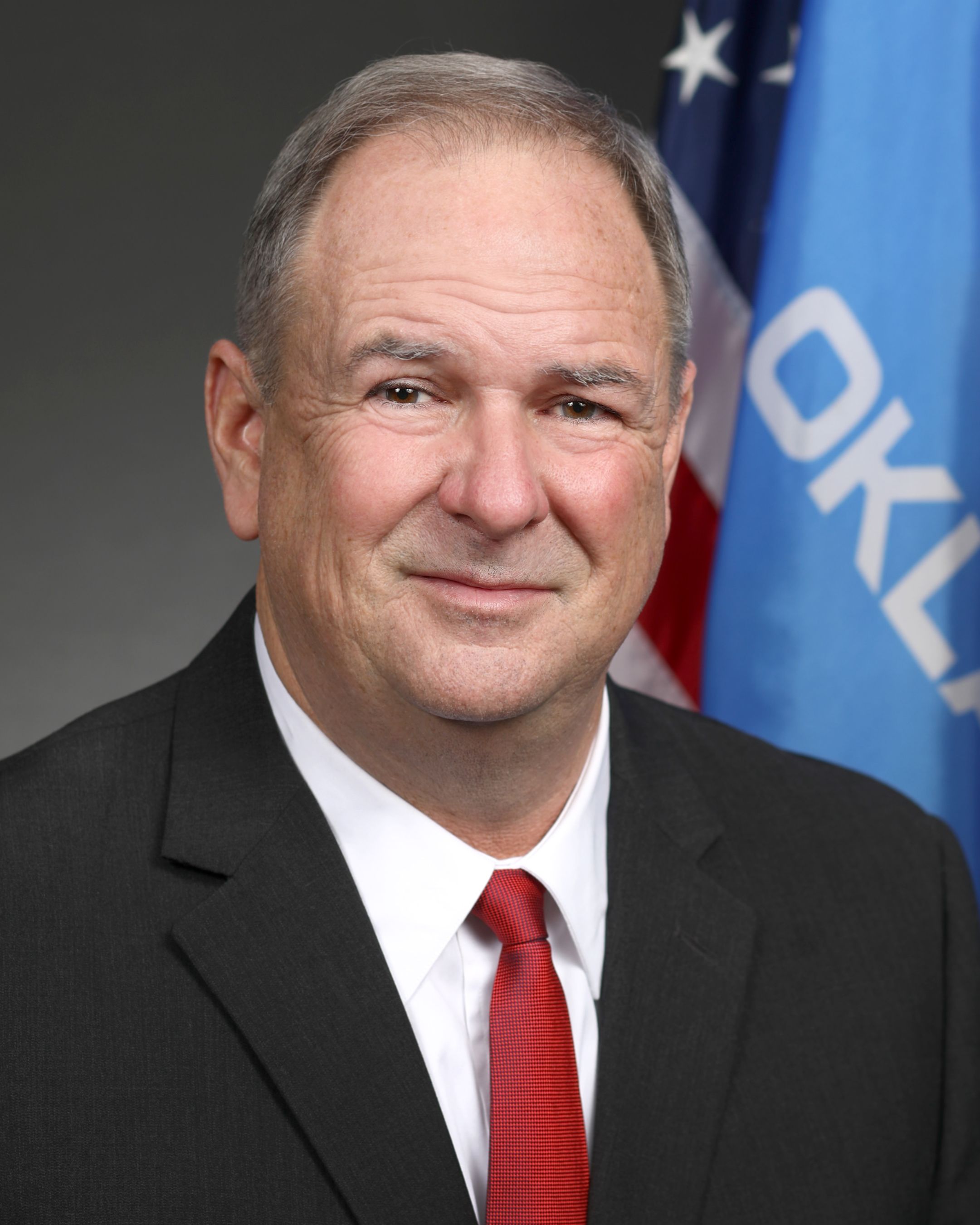
Rep. Eric Roberts
Sponsored bills
Maddy summaryThis bill establishes new requirements for individuals performing laser hair removal and for the facilities where these procedures take place. It mandates that laser practitioners must either hold a specific health professional license or operate under the supervision of a physician, certified physician assistant, or Advanced Practice Registered Nurse (APRN), and complete a 40-hour training program. Additionally, it requires laser hair removal facilities to be overseen by one of these medical professionals, who is responsible for establishing safety protocols, reviewing patient records, and conducting an initial patient evaluation. The overseeing medical professional is not required to be physically present during procedures but must be available for real-time communication.
Maddy summarySB 473 requires entities receiving funding under Oklahoma's Rural Economic Action Plan of 1996 to develop a plan measuring the qualitative effects (like community impact or public sentiment) of their funded projects. These entities must use public surveys or inquiries to assess effects and submit a report on at least two projects by January 1, 2028. The costs for creating these plans and reports must be covered using specific initial planning funds authorized under Oklahoma law. The bill takes effect November 1, 2025.
Maddy summarySB 450 repeals two sections (5301 and 5302) of Oklahoma's statutes that established the Oklahoma Military Base Closure Prevention Task Force. This procedural bill eliminates the legal basis for the task force without creating new policy or affecting any specific groups. The repeal becomes effective November 1, 2025. The bill does not change any government operations or impose new requirements.
Maddy summarySB 450 repeals two specific sections (5301 and 5302) of Oklahoma Statutes that established the Oklahoma Military Base Closure Prevention Task Force. This bill formally dissolves the task force by removing its legal foundation, with the repeal taking effect on November 1, 2025. No new policies or direct impacts on residents are created by this repeal.
Maddy summaryHB 1861 amends Oklahoma's prostitution-related offense penalties in Section 1031 of the statutes. It creates a new felony charge for engaging in prostitution while knowingly infected with HIV (Section B), increases penalties for child prostitution (Section C), and escalates violations near schools/churches to felony status with fines up to $7,500 and up to 5 years in prison (Section D). The bill directly affects individuals committing these specific prostitution-related offenses under the defined circumstances. It takes effect November 1, 2025.
Maddy summaryHouse Bill 1861 amends Section 1031 of Title 21 of Oklahoma Statutes, which concerns crimes and punishments related to prostitution and obscenity. The bill specifies penalties for various offenses, including engaging in prostitution while knowing one has HIV, child prostitution, and other violations committed near schools or churches. These offenses carry punishments ranging from misdemeanors with fines and community service to felonies with imprisonment and higher fines. This bill directly affects individuals convicted of these specified criminal provisions and is set to become effective on November 1, 2025.
Maddy summaryHB 1860 requires that crime scene and autopsy photographs of victims submitted to Oklahoma's Pardon and Parole Board for clemency hearings be kept confidential and not released to the public. It directly affects victims and their families whose images are used in such hearings, ensuring their privacy. The bill amends Oklahoma's Open Records Act to explicitly list these victim photographs as confidential records under Section 24A.5(p), preventing public disclosure. It also mandates that these photographs be included in a separate hearing packet for the Board, separate from other case materials.
Maddy summaryHB 1860 requires crime scene and autopsy photographs submitted to Oklahoma's Pardon and Parole Board for clemency hearings to be kept confidential. It adds these specific victim photographs to the list of records exempt from public disclosure under the Oklahoma Open Records Act. This protects victims' families from having sensitive images made public during clemency proceedings. The bill directly affects individuals involved in clemency cases where such photographs are part of the hearing packet.
Maddy summaryHB 1864 modifies Oklahoma's sales tax exemption for tangible vehicle purchases. It amends Section 1357 of the Oklahoma Sales Tax Code to adjust the exemption rules for sales of vehicles, directly affecting dealers and buyers of new or used vehicles. The bill clarifies that the exemption applies to vehicle sales but does not change the existing tax treatment for vehicle purchases. The specific changes to the exemption language are detailed in the amended tax code section, which was passed by committee in March 2025. The bill does not introduce new exemptions or specifically target veterans, as implied in the title but not reflected in the text.