

Maddy summarySB 1451 requires Oklahoma voter registration applications to include specific information, such as an Oklahoma driver's license number or the last four digits of a Social Security number (if no license exists), a handwritten signature, and details about prior registration in another state. It mandates county election boards to transmit certain voter data - like full name, date of birth, and previous address - to the State Election Board at least four times yearly when applicants registered in another state. The bill also specifies that residence addresses must include a street address (not a post office box) and clarifies that sensitive data like partial SSNs remains confidential. These changes directly affect voters applying for registration in Oklahoma and county election offices managing voter records.
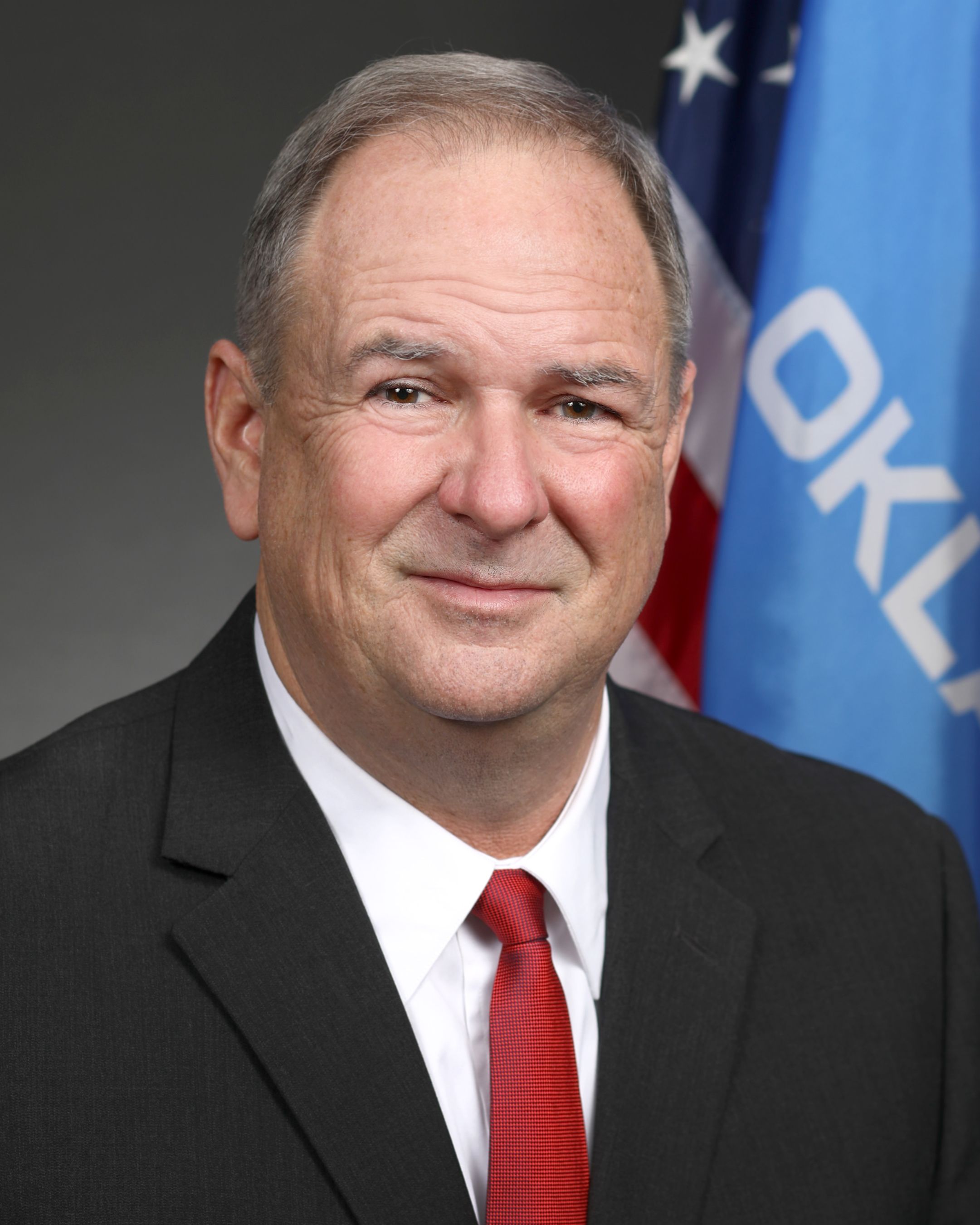
Rep. Eric Roberts
Sponsored bills
Maddy summaryHB 3849 establishes the Oklahoma Mentoring Children of Incarcerated Parents Program under the Oklahoma Commission on Children and Youth. It provides one-on-one mentoring services to two specific groups: children in juvenile custody outside the home, and children identified as at risk of entering the juvenile justice system, who have parents in prison. The bill requires the Commission to issue competitive grants every three years to qualified 501(c)(3) nonprofit organizations meeting strict criteria, including serving ages 6-18, having statewide presence, 3+ years working with this population, and adhering to safety protocols. Grants are capped at $1,500 per mentor-mentee match, with awards to be made by November 1, 2024, for services starting in 2026. The program is effective November 1, 2026.
Maddy summaryHB 3852 changes Oklahoma's process for appointing election precinct officials (inspectors, judges, and clerks). It shortens their terms from four to two years and requires county election boards to appoint these officials every two years, using nominee lists submitted by the top two political parties in the county. County central committees must provide lists equal to twice the number of precincts by June 15 after a gubernatorial election, with appointments finalized by July 1. The bill affects county election boards and precinct staff, taking effect November 1, 2026.
Maddy summaryHJR 1019 proposes a constitutional amendment requiring that every general election race for federal, state, county, and municipal offices include a candidate from each political party recognized under Oklahoma law that filed a candidate for that race. To qualify, a candidate must have filed during the designated timeframe and become their party's nominee by winning the primary or runoff. This rule would apply to all such elections, though it explicitly preserves the Legislature’s authority to maintain primary systems. The amendment would remain in effect unless repealed by voter initiative or referendum, with the Legislature required to enact implementing laws within one session after approval.
Maddy summarySB 1195, the "Racing Facility and Racetrack Nuisance Immunity Act," prevents lawsuits from nearby property owners (within three miles) against racing facilities for nuisance claims under specific conditions. It grants immunity if the facility obtained all required construction permits and established a legal right to the development area *before* the neighboring property owner purchased land or built structures. However, this protection ends if the facility violates federal, state, or local laws governing its operations. The bill takes effect on November 1, 2026.
Maddy summarySB 1236 creates the Administrative Report Consolidation Board to reduce redundant reporting for Oklahoma public school districts and technology centers. The Board, composed of appointed superintendents representing different county population sizes, must evaluate current reporting requirements and recommend consolidating all required annual reports to no more than ten per district type by August 1, 2027. It will submit findings to state education agencies and lawmakers, with follow-up reports due annually after 2028. This bill directly affects school districts by targeting administrative burden reduction through consolidated reporting requirements.
Maddy summaryHB 3848, the "Transient Sex Offender Elimination Act of 2026," establishes new rules for housing and rehabilitation programs for registered sex offenders in Oklahoma. It requires program houses (residential facilities for multiple offenders) to be at least 3,000 feet from protected zones and single-family homes to be at least 1,000 feet away, while mandating incarcerated sex offenders complete victim impact and life skills programs before release. Offenders must receive a reentry portfolio with housing/employment plans and approved rehabilitation curriculum upon release, and the law applies retroactively to all current offenders. The act takes effect November 1, 2026, and requires annual reports on program outcomes to the Legislature.
Maddy summaryHB 3850 requires Oklahoma's Department of Corrections to fully fund a program enabling all state prison inmates to earn high school equivalency diplomas (like a GED) before release, removing prior financial hardship exemptions. It mandates that the department assess each inmate's educational needs upon intake, prioritize those with basic literacy gaps or nearing release dates, and link program completion to parole eligibility. Inmates refusing recommended education programs lose earned credits and face parole eligibility risks. The law applies broadly to all inmates except those documented as incapable of benefiting from education. It takes effect November 1, 2026.
Maddy summarySB 1446 modifies Oklahoma's penalties for offenses involving child sexual abuse material and child sex trafficking. It increases penalties for "child prostitution sex trafficking" to a Class B1 felony, requiring a minimum 10-year prison sentence and escalating fines (up to $15,000 for repeat offenses). The bill directly affects individuals convicted of these specific crimes under Sections 1029 and 1030 of Oklahoma law. It also updates statutory references and includes community service requirements for related misdemeanor violations. The law takes effect November 1, 2026.
Maddy summaryHJR 1074 proposes a constitutional amendment to create the Oklahoma Veterans Lottery Trust Fund, funded by the Oklahoma Veterans Lottery game. The fund would provide grants exclusively for four specific purposes: youth education programs by veteran service organizations, emergency assistance for individual veterans or their families, indigent funerals, and veteran outreach programs with over 50% veteran attendance. A Board of Governors, appointed by major veteran service organizations and the Oklahoma Veterans Council, would manage the fund. The amendment prohibits using these funds to replace existing state funding for veterans, military, or their families, and requires annual reviews by the State Board of Equalization to ensure funds enhance - not supplant - other veteran support programs.