Maddy summaryHB 2188 requires Oklahoma public schools to conduct standardized hearing screenings for students in pre-kindergarten, kindergarten, first, second, third, fifth, seventh, and eleventh grades (or equivalent age groups) using specific equipment and methods. It mandates screenings by approved providers listed on a statewide registry, with results documented in written reports for school districts and parents. Exemptions apply if students provide recent hearing test certifications from licensed audiologists within six months. The bill establishes clear protocols for screening frequency, equipment standards (e.g., pure tone audiometers), and parent notification when follow-up exams are needed.
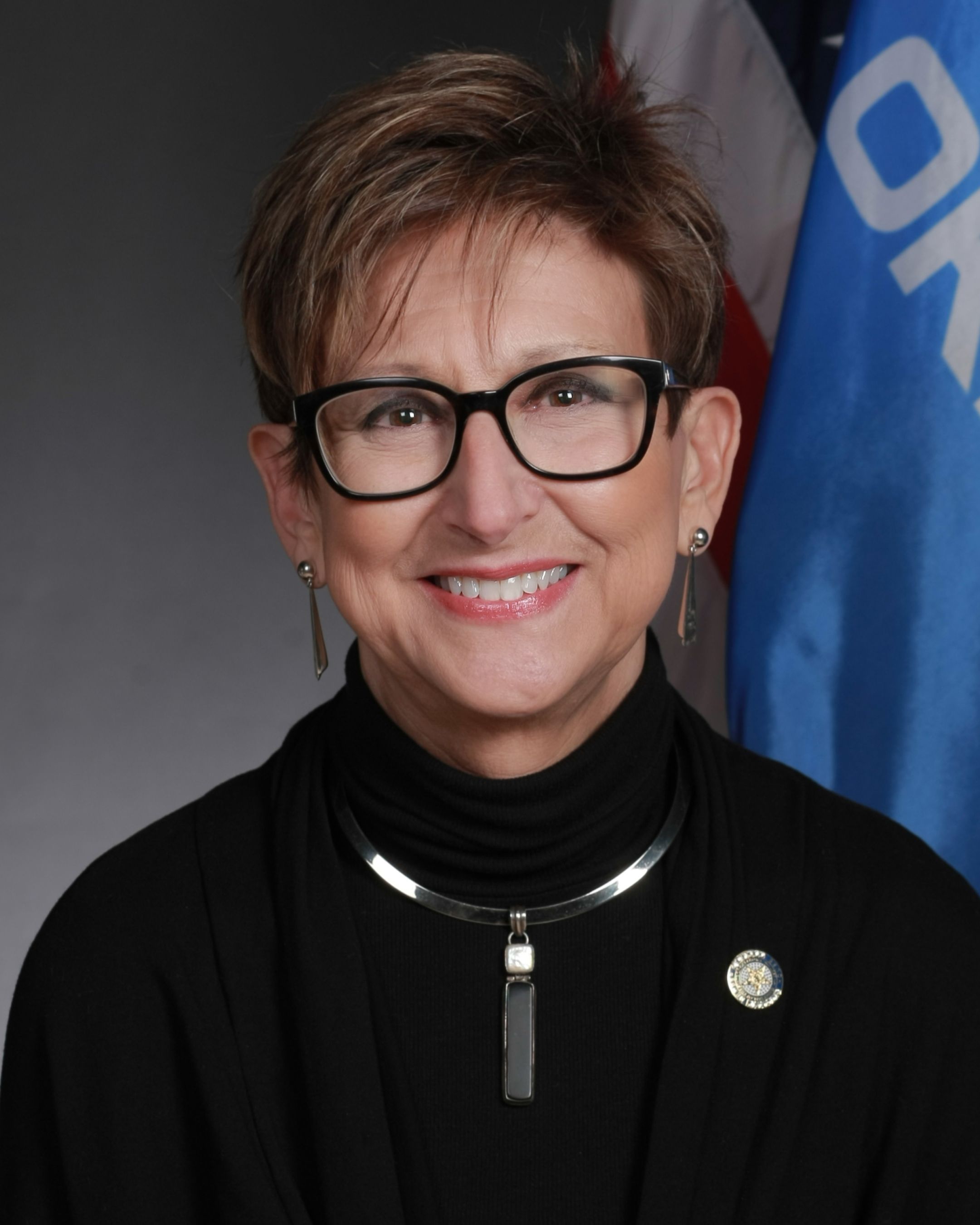
Rep. Meloyde Blancett
Sponsored bills
Maddy summaryHB 1474 establishes the Oklahoma Housing Act of 2025 as the official name for future housing-related legislation in the state. The bill does not create new housing programs or change existing laws but serves as a procedural measure to formally title future housing initiatives. It sets an effective date of November 1, 2025, for when the named act will begin applying to housing matters. This legislation primarily affects state housing officials and agencies by providing a consistent legal framework for housing policy implementation.
Maddy summaryHB 1470 requires lenders to clearly disclose a loan's interest rate (fixed or variable) and all associated fees on the first page of loan documents. Borrowers must then sign or initial to confirm they've read and understood these details. The bill applies directly to lenders offering consumer loans in Oklahoma and affects all borrowers receiving loan paperwork. It takes effect on November 1, 2025, mandating upfront transparency about loan costs.
Maddy summaryHB 1469 creates an income tax credit program for Oklahoma taxpayers covering qualified education expenses for eligible students. It directly affects parents, guardians, or legal custodians who pay for private school tuition or approved educational services (like tutoring, materials, or assessments) for children in Oklahoma. The credit amount varies by family income (ranging from $5,000 to $7,500 annually) and includes special provisions for schools serving homeless students or financially disadvantaged students (90% of enrollment below 250% of federal poverty level). The bill requires taxpayers to submit receipts to the Oklahoma Tax Commission and limits credits to expenses not covered by scholarships or discounts.
Maddy summaryHB 2187, titled the "Oklahoma Public Health and Safety Reform Act of 2025," creates a new legislative act with no substantive policy provisions. It establishes the act's name and sets an effective date of November 1, 2025, but explicitly states it will not be codified in the Oklahoma Statutes. The bill does not describe any specific changes to public health or safety laws or identify affected groups. As a procedural measure naming the act and setting an effective date, it contains no concrete policy mechanisms. The bill is currently in early committee review with no further details provided in the text.
Maddy summaryHB 2186, the "Pretrial Data Collection Act," requires Oklahoma police departments, sheriff offices, and county jails to collect and report specific data about individuals in pretrial detention starting January 1, 2026. It mandates monthly collection of demographic details (like race, age, ZIP code, and unhoused status), offense information, mental health/substance use disorder status, jail costs, and facility metrics (such as operational capacity and average stay length). This data must be submitted to the Oklahoma State Bureau of Investigation and published publicly in machine-readable format by July 2026. The bill directly affects law enforcement agencies, county jails, and the public, aiming to standardize pretrial data for transparency and analysis.
Maddy summaryHB 1471 exempts certain coin-operated vending devices from licensing fees under Oklahoma law. It specifically adds a new exemption for devices manufactured before January 1, 2000, that dispense entertainment (like games or music) for $0.50 or less per play, provided they do not involve gambling - defined as outcomes based solely on chance without requiring skill. This directly affects owners of older, low-cost entertainment devices in locations like convenience stores or arcades. The bill does not change existing exemptions for devices in schools, churches, military bases, or those selling newspapers, postage, or periodicals. The exemption takes effect November 1, 2025.
Maddy summaryHB 1471 expands Oklahoma's exemptions from coin-operated vending device licensing fees to include devices manufactured before January 1, 2000, that dispense entertainment (like games or music) for 50 cents or less per play, provided they do not involve gambling (defined as outcomes based solely on chance without skill). This directly affects owners of older, low-cost entertainment devices in public spaces, such as arcades or community centers, by removing their licensing fee requirement. The bill amends existing law to add this specific exemption category, clarifying that devices must not rely on pure chance for outcomes. It becomes effective November 1, 2025.
Maddy summaryHB 2186, the "Pretrial Data Collection Act," requires Oklahoma municipal police departments, county sheriff offices, and county jails to collect and report specific data about pretrial detainees starting January 1, 2026. It mandates monthly reporting of detailed information including demographics (race, age, ZIP code), offense details (charge description, location), health conditions (mental illness, substance use disorders), facility costs, and detention outcomes (release dates, length of stay). The Oklahoma State Bureau of Investigation will publish this data in an accessible, machine-readable format online, searchable by county and other categories. This law directly affects law enforcement and detention facilities by creating standardized data collection on pretrial populations for transparency and analysis.
Maddy summaryHB 1470 requires lenders to clearly disclose all loan terms upfront in plain language on the first page of loan documents. Specifically, lenders must show the interest rate type (fixed or variable) and a complete table of all fees and charges associated with the loan. Borrowers must then sign or initial to confirm they’ve read and understood these details before finalizing the loan. The bill takes effect on November 1, 2025, directly impacting lenders who issue consumer loans and borrowers who receive them.