Maddy summaryHB 4408 requires the Oklahoma Department of Corrections and the Administrator of the Courts to submit annual data by July 31st on offenders convicted only of crimes reclassified under State Question 780 (which reduced penalties for certain low-level offenses). This data includes unique offenders, days served, and sentence lengths for offenses now classified as misdemeanors or with adjusted dollar thresholds. The Legislative Office of Fiscal Transparency must then calculate the state's annual savings from reduced incarceration costs within 30 days, using actual data or best estimates if needed. The final calculation is binding and cannot be revised later, with the bill taking effect November 1, 2026.
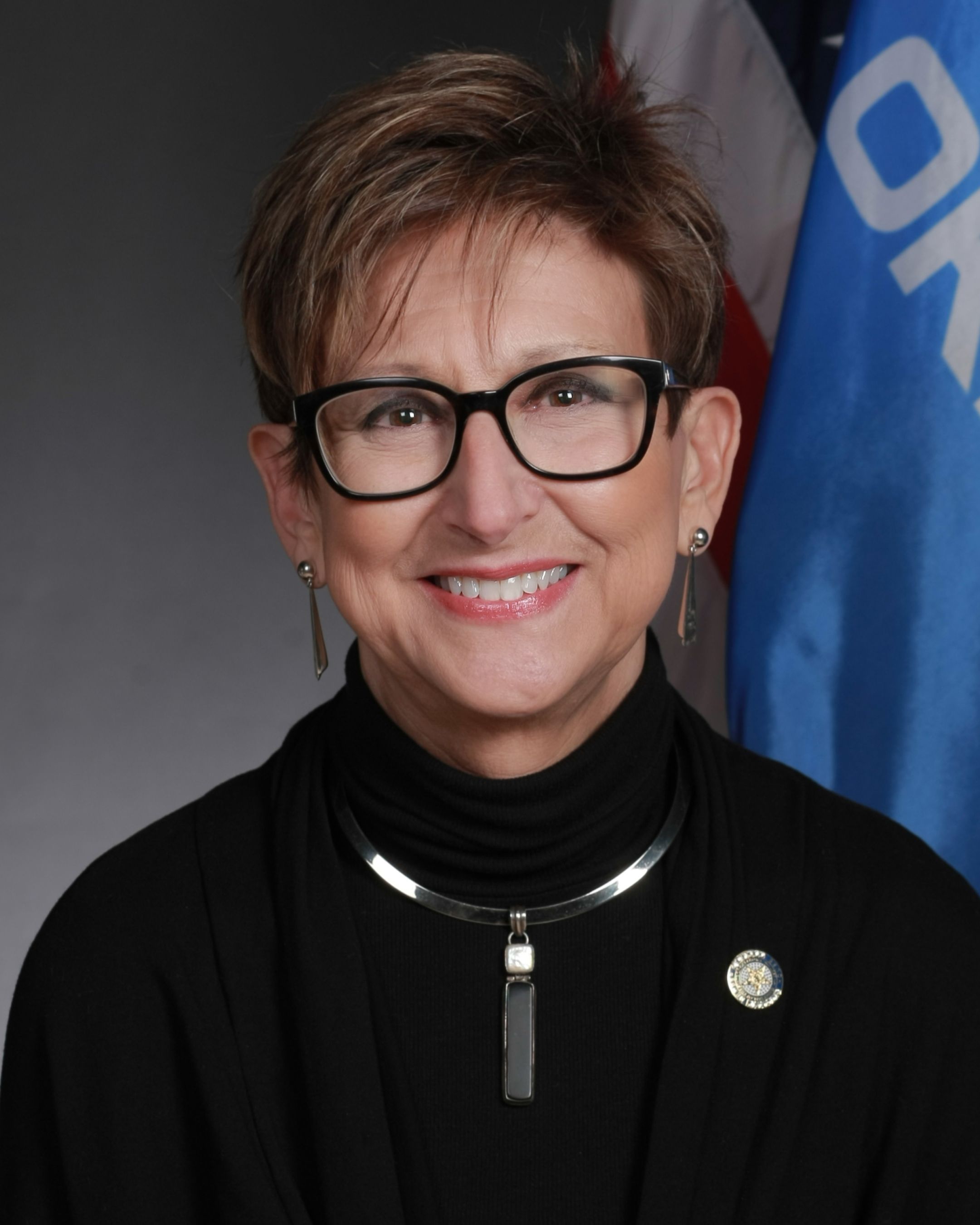
Rep. Meloyde Blancett
Sponsored bills
Maddy summaryHB 4409 creates a new bipartisan Legislative Workforce Housing Committee to improve Oklahoma's affordable housing access. The committee, composed of equal members from both legislative chambers and parties, will work directly with the Oklahoma Housing Finance Agency to administer the state's Housing Stability Program and develop policy changes. It will establish its own meeting rules and may seek input from community groups or outside experts to address housing needs. The bill takes effect November 1, 2026, and does not change existing housing funding or programs.
Maddy summaryHB 4414 creates a zero-interest loan program administered by Oklahoma Housing Finance Agency (OHFA) to build affordable single-family homes statewide. It prioritizes homebuilders seeking to develop housing in communities affected by federally declared natural disasters within the last year. The bill requires OHFA to develop a community needs assessment tool to allocate funds and prohibits participants from also claiming the Oklahoma Affordable Housing Tax Credit. OHFA must submit annual reports detailing program outcomes to state leadership, with the law taking effect November 1, 2026.
Maddy summaryHB 4413 requires facilities burning hospital, medical, or infectious waste to comply with existing U.S. Environmental Protection Agency (EPA) air emission standards. It prohibits any facility not meeting current EPA standards, monitoring, reporting, and permitting requirements from burning such waste in Oklahoma. The bill directly affects municipal solid waste incinerators that handle medical waste, mandating they align with federal rules or cease this activity. The law takes effect November 1, 2026, and codifies EPA definitions for medical waste as used in 40 C.F.R. §60.51c.
Maddy summaryHB 4407 creates the "Options Counseling for Long-term Care Revolving Fund" within Oklahoma's State Treasury to provide free long-term care planning assistance. The fund, financed by state/federal appropriations, donations, and grants, will allow the Oklahoma Department of Human Services to offer in-person or phone counseling about long-term care options to individuals or their representatives. Money from the fund can be spent without annual budget restrictions, with expenditures requiring standard state approval processes. The bill takes effect July 1, 2026, and is classified as an emergency measure.
Maddy summaryHB 4410 regulates referral agencies that connect seniors to assisted living facilities. It requires agencies to provide clear, written disclosures to consumers before referrals, including fee details, payment responsibility, and the right to terminate services without penalty. The bill prohibits agencies from charging fees for facility transfers within the same provider, after 12 months of service, or for referrals to unlicensed facilities. It also bans conflicts of interest (like owning facilities they refer to) and mandates background checks, insurance, and annual facility license audits for referral agencies. These changes directly affect consumers choosing care, referral agencies, and assisted living facilities.
Maddy summaryHB 4411 amends Oklahoma's Parental Choice Tax Credit program to allow taxpayers to claim credits for private school tuition and related expenses (like textbooks and tutoring) at accredited schools, with credit amounts based on family income (up to $7,500 annually for lower-income families). It requires accredited private schools to publicly display their tuition costs and updates the Oklahoma Tax Commission's website to include program details. The bill directly affects Oklahoma parents/guardians with eligible students who choose accredited private schools and the Tax Commission in administering the program. The credit applies to qualified expenses for students attending accredited private schools or participating in approved nonpublic learning programs.
Maddy summaryHB 4412 creates a permanent revolving fund in Oklahoma's State Treasury called the "ADvantage Waiver Home and Community-based Services for Seniors Revolving Fund." This fund, managed by the Oklahoma Health Care Authority, will provide home and community-based care services to seniors who would otherwise require nursing facility placement but choose to remain in home or community settings instead. The fund will be financed using state and federal funds, donations, grants, and other designated contributions, with no annual budget restrictions. It becomes effective July 1, 2026, to support seniors seeking alternatives to nursing home care.
Maddy summaryHB 4416, the "Pretrial Data Collection Act," requires Oklahoma police departments, sheriff offices, and county jails to collect standardized data on individuals in pretrial detention starting January 1, 2027. It mandates monthly reporting of specific details including demographic information (race, age, ZIP code), arrest and charge details, health conditions (mental illness, substance use disorders), jail costs, and facility capacity to the Oklahoma State Bureau of Investigation. The bill also requires the Bureau to publish this data in a public, searchable, machine-readable format on its website by July 1, 2027, for agencies with 500+ employees. This legislation aims to create transparency around pretrial detention practices through standardized data collection and public access.
Maddy summaryHB 4417 is a procedural bill that names the "Air Quality Reform Act of 2026" and sets its effective date as November 1, 2026. It contains no substantive policy changes or mechanisms for air quality regulation. The bill solely creates the act's name and establishes its implementation date. This is a formal naming and effective date provision with no direct policy impact on air quality standards or affected parties.