Maddy summaryHB 4415, titled the "Environment and Natural Resources Efficiency Act of 2026," is a procedural bill that establishes the act's name and sets its effective date for November 1, 2026. The bill text contains no substantive policy provisions or mechanisms, as it only defines the act's title and effective date without outlining any specific environmental or resource efficiency measures. No direct impacts on individuals, businesses, or government programs are described in the provided text. This is a naming and effective date bill with no concrete policy changes detailed.
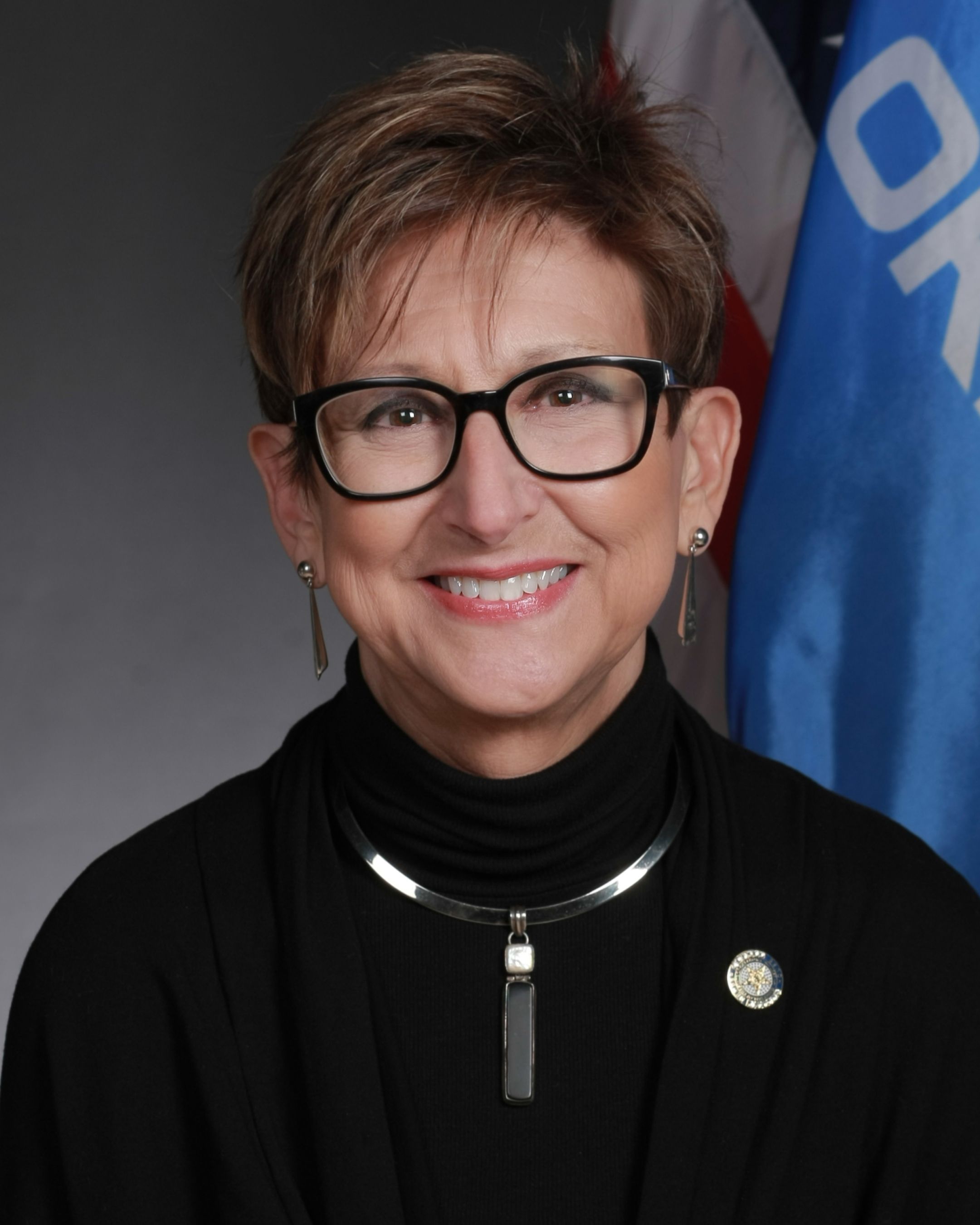
Rep. Meloyde Blancett
Sponsored bills
Maddy summaryThe context provided for HB 4419 does not include the bill's specific provisions or policy details. It is titled the "Campaign Spending Act of 2026," is noncodified (not added to Oklahoma Statutes), and will take effect November 1, 2026. Without the actual text of the act or its substantive rules, no summary of its mechanisms, affected parties, or concrete changes can be generated. A complete summary requires the full legislative language, which is not included in the provided information.
Maddy summaryThe provided context for HB 4418 includes only the bill's title, effective date, and minimal procedural text - no substantive provisions or policy details are described. The bill is titled the "Oklahoma Memory Care and Alzheimer's Reformation Act of 2026" and is set to take effect November 1, 2026, but the bill text excerpt is incomplete and lacks any explanation of its actual content or mechanisms. Without the full text or summary of the bill's provisions, a factual summary of what it does, who it affects, or its key mechanisms cannot be generated. More detailed information about the bill's specific requirements or changes to health care policy would be needed to fulfill this request.
Maddy summaryHB 2185 requires Oklahoma's Department of Human Services, Office of Juvenile Affairs, and local governments (counties/municipalities) to report suspected crimes against children in their care to law enforcement and follow up every 30 days until resolution. It mandates documenting all actions in the child's file when an employee or contractor of these entities is suspected of committing a crime under Oklahoma law (Sections 1111 or 1123 of Title 21). This procedural bill codifies existing accountability measures for child welfare agencies, directly affecting children under state or local custody and the agencies responsible for their safety. The law takes effect November 1, 2025.
Maddy summaryHB 2185 requires Oklahoma child welfare agencies (Department of Human Services, Office of Juvenile Affairs, and local counties/municipalities) to ensure police investigate suspected crimes against children in their care. If an employee or contractor is suspected of committing a crime against a child under their custody, the agency must follow up with law enforcement every 30 days until the case resolves. Agencies must document all actions in the child’s file. The bill takes effect November 1, 2025, and applies to cases involving crimes under Oklahoma Statutes Sections 1111 or 1123.
Maddy summaryHB 2189 creates the Oklahoma Workforce Housing Commission to oversee affordable housing initiatives. The commission, working with the Oklahoma Housing Finance Agency, must submit annual reports to the legislature starting December 1, 2026. Key provisions include adjusting the commission's initial report deadline from 2034 to 2028 and requiring ongoing annual reporting to legislative leaders. This bill directly affects state housing programs and legislative oversight of affordable housing efforts. The commission's work aims to improve housing access through structured reporting and planning.
Maddy summaryThis bill creates the Oklahoma Workforce Housing Commission within the Oklahoma Housing Finance Agency to oversee affordable housing initiatives. The Commission must submit annual reports to the Oklahoma Legislature, House Speaker, Senate President Pro Tempore, and its legislative members starting December 1, 2026. It directly affects the Oklahoma Housing Finance Agency and state lawmakers by establishing a new oversight body for workforce housing programs. The bill amends deadlines, shifting the effective date for certain provisions to November 1, 2028, and requires ongoing legislative reporting on housing efforts.
Maddy summaryHB 1472 requires nursing homes, assisted living facilities, and similar care providers that advertise specialized dementia care to disclose specific details about their services. Facilities must submit a standardized form to Oklahoma's State Department of Health covering care philosophy, staffing ratios, resident activities, fees, and facility certifications. This information must be posted on the facility's website and made publicly available through a state-maintained online directory. Facilities falsely advertising dementia care without meeting these standards face civil penalties and misdemeanor charges. The law aims to ensure transparency for families considering care options for loved ones with dementia.
Maddy summaryHB 1472 requires nursing facilities, assisted living centers, and similar care providers that advertise specialized dementia care (e.g., "memory care" or "Alzheimer’s care") to disclose specific details about their services. Facilities must submit a standardized form to Oklahoma’s State Department of Health before admitting residents, covering areas like staff training, care philosophies, resident activities, fees, and facility accreditations. This disclosure must also be posted on the facility’s website and made available to prospective residents and families. Violations - such as falsely advertising specialized dementia care - may result in civil penalties or misdemeanor charges. The bill directly affects facilities marketing dementia-specific services, ensuring transparency for families making care decisions.
Maddy summaryHB 2188 requires Oklahoma public schools to conduct hearing screenings for students in pre-kindergarten, kindergarten, first, second, third, fifth, seventh, and eleventh grades (or comparable age groups). School districts must use specific equipment meeting ANSI standards, including pure tone audiometers or tympanometers, and screen students who haven't provided recent certification from approved providers. Exemptions apply if a student has a hearing screening within the past six months by a provider listed on the State Department of Health's statewide registry, or if a parent provides certification of a recent audiologist exam for deaf or hard-of-hearing students. The bill also establishes a statewide registry for approved hearing screening providers and mandates annual reports to the State Board of Education.