Issue · Labor & Employment

Labor & Employment

Every labor & employment bill, vote, and legislator stance in Oklahoma, automatically classified by Maddy, our AI policy reader.

Total bills
249
2026 Regular Session
Top supporter
Mark Lawson
87% support rate
Top opponent
Shane Jett
21% support rate
Ranked legislators
10
5 support · 5 oppose
Key legislators

Who's moving labor & employment in Oklahoma

Legislators moving labor & employment in Oklahoma
Legislator Party Stance Support rate Votes
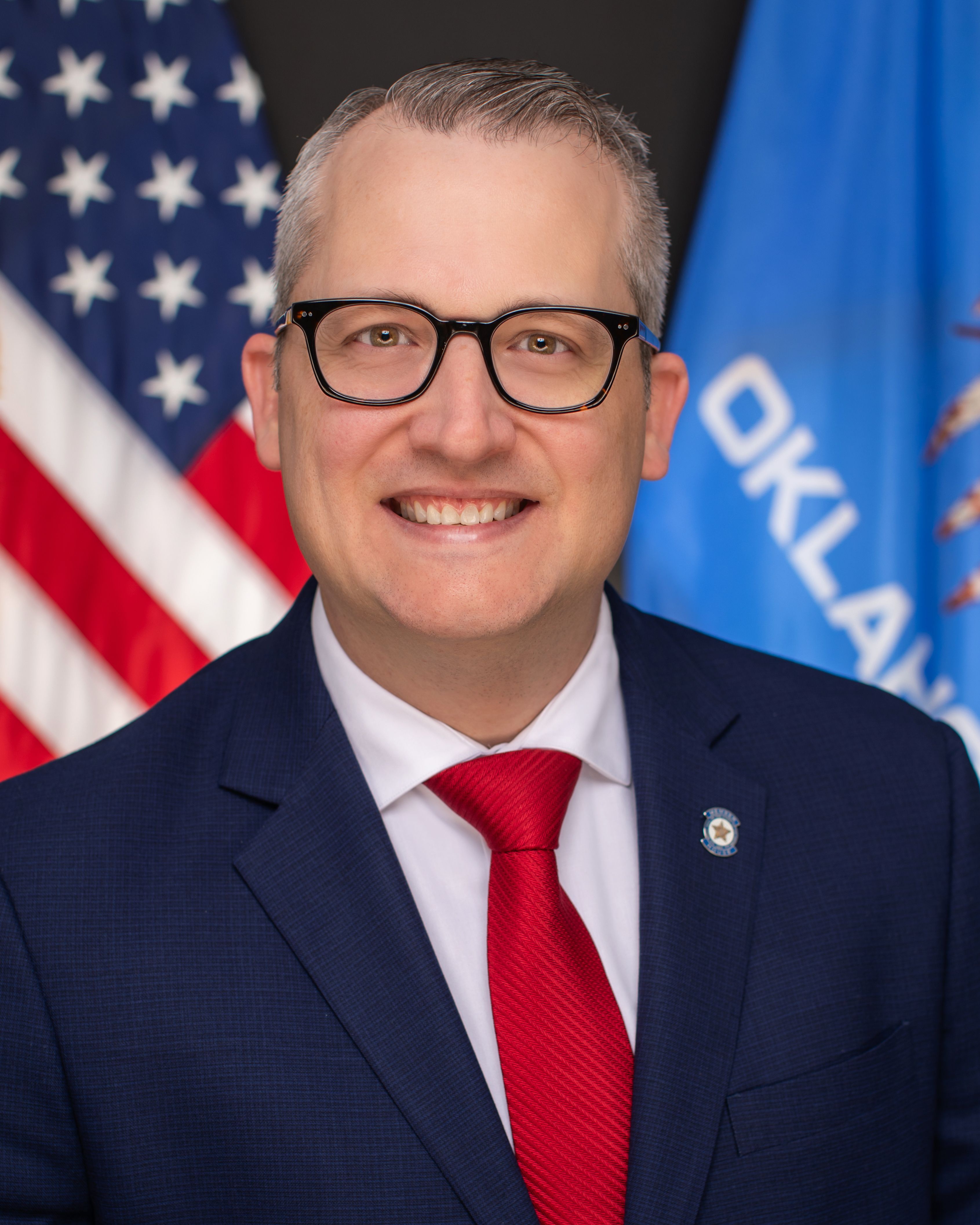
Mark Lawson
Mark Lawson House · District 30
R
Strong +
87% 175
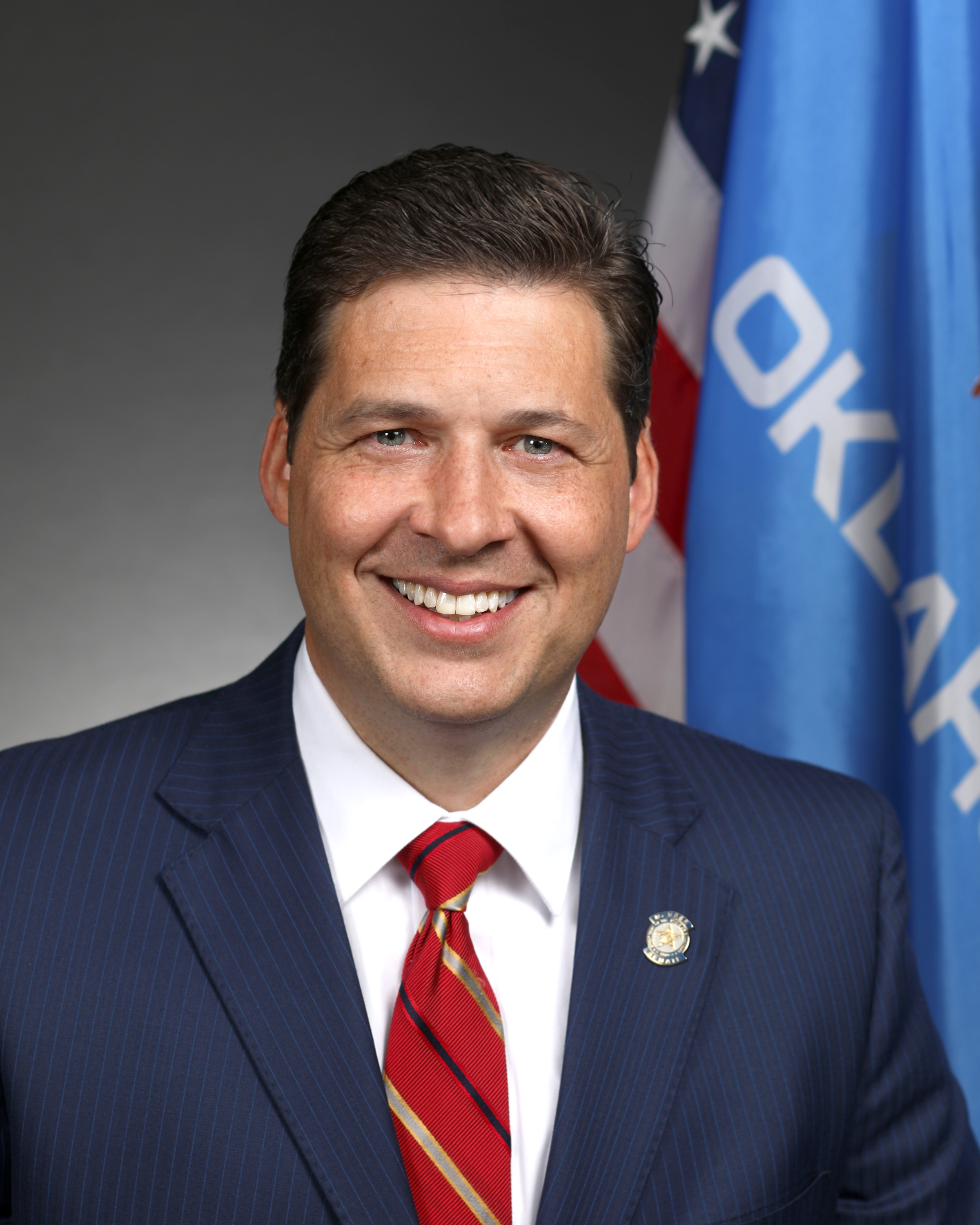
John George
John George House · District 36
R
Strong +
86% 201
Christi Gillespie
Christi Gillespie Senate · District 33
R
Strong +
86% 174
Mark Tedford
Mark Tedford House · District 69
R
Strong +
86% 141
Aaron Reinhardt
Aaron Reinhardt Senate · District 37
R
Strong +
85% 192
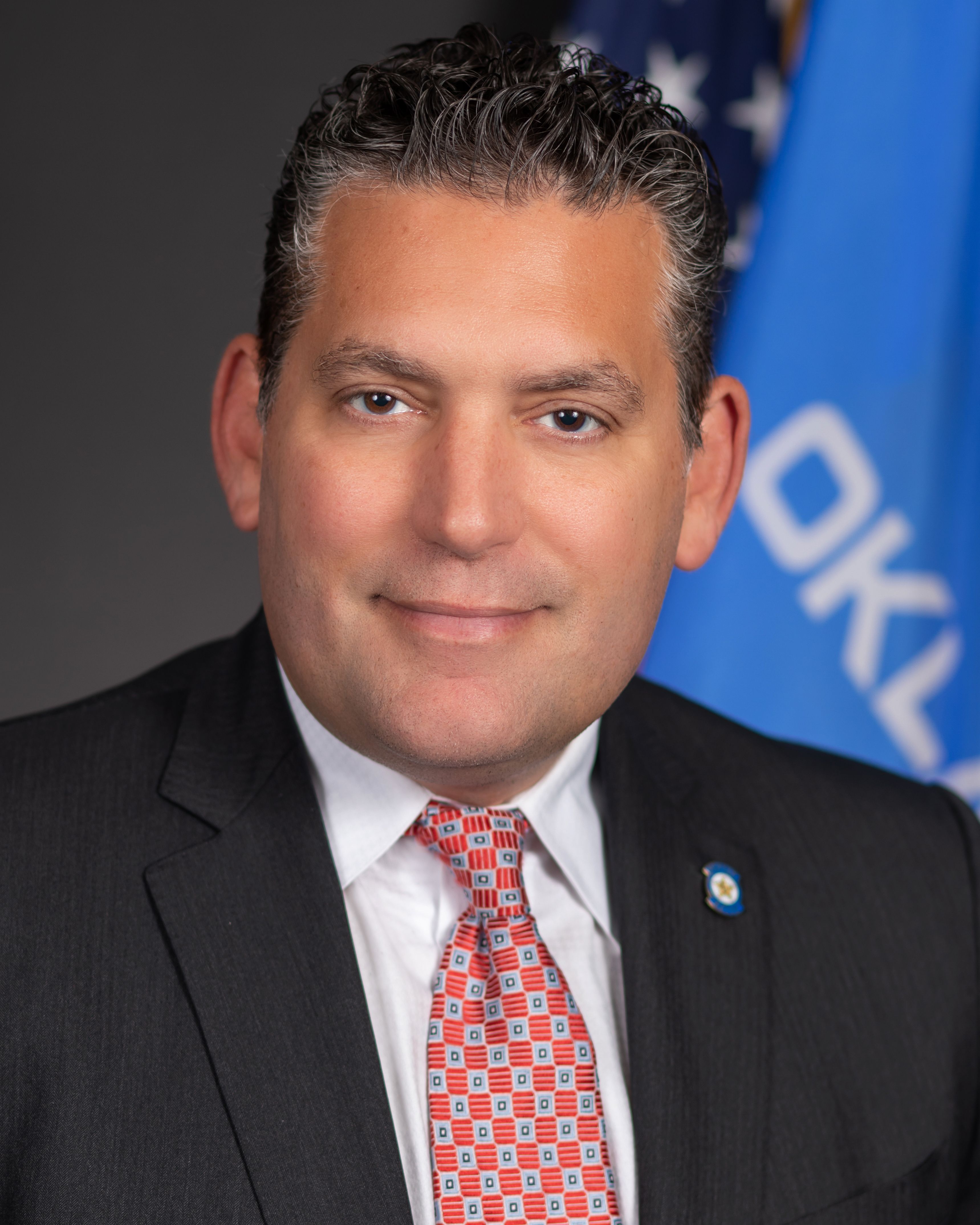
Shane Jett
Shane Jett Senate · District 17
R
Oppose
21% 175
Tom Gann
Tom Gann House · District 8
R
Oppose
22% 201
Rick West
Rick West House · District 3
R
Oppose
25% 196
Molly Jenkins
Molly Jenkins House · District 33
R
Oppose
28% 193
Jim Shaw
Jim Shaw House · District 32
R
Oppose
28% 207
Showing 41–50 of 249 bills

All labor & employment bills

in committee · Oklahoma · Senate Feb 19, 2026

SB 2039: Teachers' Retirement System of Oklahoma; allowing retired members to purchase service credits at certain rate. Effective date. Emergency.

SB 2039 allows retired members of Oklahoma's Teachers' Retirement System to purchase additional service credits at a specific rate. This change modifies Section 17-116.2 of Oklahoma Statutes, enabling retirees to buy extra years of service to increase their future retirement benefits. The bill directly affects retired teachers who wish to boost their pension amounts by purchasing these credits. It does not alter current benefits for active members or change the overall retirement system structure. The policy change is effective immediately, as designated by the bill's emergency clause.
in committee · Oklahoma · Senate Feb 3, 2026

SB 1748: State Fire Marshal; establishing requirements for fire code utilization for inspections. Effective date.

SB 1748 requires mobile food preparation vehicles (like food trucks) operating in Oklahoma to comply with the most current fire code in effect at their last inspection for 10 years, with new inspections based on codes current at the time of each check. It mandates specific fire safety equipment, including a six-liter Class K fire extinguisher for grease-related cooking, and requires annual inspections by the State Fire Marshal. The bill also establishes inspection scheduling (quarterly statewide and twice yearly in counties over 400,000 population) and sets a January 1, 2026, deadline for all vehicles to transition to the new fire code standards. The law takes effect November 1, 2026, and updates inspection protocols for food trucks handling cooking fuels or liquefied petroleum gas.
Sub-Topics Labor Standards
passed · Oklahoma · House Apr 16, 2026

HB 4198: Workplace violence; creating the Protection from Workplace Violence Act; authorizing certain persons to seek protective order relief; codification; effective date.

HB 4198 creates Oklahoma's "Protection from Workplace Violence Act," allowing employers to seek court-issued protective orders against former employees who harass or stalk current employees. It defines workplace harassment and stalking broadly (including repeated contact, following, or electronic communications) and sets clear procedures for filing petitions, obtaining emergency ex parte orders, and scheduling hearings. The law requires specific information in protective orders, limits hearing timelines, and establishes statewide validity for these orders. It directly affects employers (in businesses with over two employees) and current employees seeking protection from former employees’ threatening behavior.
in committee · Oklahoma · Senate Feb 26, 2026

SB 1469: Wages; creating the Oklahoma Earned Wage Access Services Act; requiring the Department of Consumer Credit to administer act; establishing certain duties of earned wage access services providers. Effective date.

SB 1469 creates Oklahoma's Earned Wage Access Services Act, allowing workers to access earned but unpaid wages (like salary or hourly pay already accrued) before their regular payday through licensed providers. It requires providers to obtain a state license ($1,900 total fee), report all transactions to a state database within 24 hours, and follow specific consumer protections. The law directly affects Oklahoma workers (defined as state residents) and providers of these services, with the Department of Consumer Credit overseeing enforcement. Key provisions include defining "earned but unpaid income" to cover both employees and independent contractors, and prohibiting certain provider fees or practices.
in committee · Oklahoma · Senate Feb 16, 2026

SB 1864: Schools; removing minimum salary schedule amounts beginning in certain school year; directing certain personnel to be paid in accordance with certain salary schedule. Effective date. Emergency.

SB 1864 removes Oklahoma's state-mandated minimum salary schedules for certified school personnel (including teachers) starting with the 2026-2027 school year. Instead, school districts will determine their own salary schedules for these employees, replacing the previous state-set pay tables. The bill also requires districts to provide written notice to teachers if retirement benefits would reduce their salary below the district's schedule, and allows districts to credit up to five years of out-of-state or military teaching experience toward salary. This change directly affects public school employees and districts across Oklahoma.
Sub-Topics Teachers
in committee · Oklahoma · Senate Feb 12, 2026

SB 1415: State government; providing for certain nondisclosure agreements to be void and unenforceable. Effective date.

SB 1415 makes most nondisclosure agreements between Oklahoma state employees and their agencies void and unenforceable upon the employee's resignation or termination. This applies directly to state workers leaving their jobs, preventing agencies from legally enforcing confidentiality terms after employment ends. The bill excludes agreements required by law for certain professions (like medical or legal confidentiality). It becomes effective November 1, 2026, and would be codified in Oklahoma Statutes.
in committee · Oklahoma · Senate Feb 3, 2026

SB 1750: State finance; authorizing state agencies to submit certain report to the Director of OMES; granting state agencies certain percentage of certain amount. Effective date. Emergency.

SB 1750 allows Oklahoma state agencies to report cost savings from efficiency measures that do not reduce essential services, compromise health/safety, or cut staff in ways that harm service delivery. If the Office of Management and Enterprise Services (OMES) confirms these savings, agencies receive 10% of the savings as an appropriation. This 10% can be used exclusively for employee bonuses or deposits into employees' pretax retirement accounts. The bill takes effect July 1, 2026, and applies to savings achieved in the 2028 fiscal year and beyond.
in committee · Oklahoma · Senate Feb 3, 2026

SB 1539: Workplace safety; requiring employers and representative employees to take certain actions to address workplace bullying; prohibiting certain actions; providing certain remedies. Effective date.

SB 1539 requires all Oklahoma employers (including those with one or more employees) to prevent and address workplace bullying by implementing written policies, training staff, and establishing fair complaint processes within 90 days. It defines workplace bullying as severe, pervasive conduct creating a toxic environment (excluding minor annoyances) and prohibits employers from forcing mediation before legal counsel, using nondisclosure agreements for complaints, or taking adverse actions against employees who report bullying. Violations allow employees to file lawsuits within three years for compensatory damages, punitive damages in extreme cases, reinstatement, or public correction of reputational harm, with the at-fault party paying attorney fees. The bill takes effect November 1, 2026, directly affecting all Oklahoma workplaces and employees.
Sub-Topics Workplace Safety
passed · Oklahoma · Senate May 7, 2026

SB 1884: School employees; modifying the access statewide professional educators' associations have to school employees; allowing termination of certain membership at any time. Effective date. Emergency.

SB 1884 ensures school districts grant statewide professional educators' associations (like teacher unions) equal access to school employees for activities such as distributing materials, speaking at meetings, and using school facilities. It prohibits schools from conditioning this access on fees, meals, or donations and requires districts to notify the State Board of Education if access is denied within 15 days. The bill also allows school employees to terminate membership in these associations at any time without restrictions or requiring a reason, and invalidates any existing agreements that limit this right. These changes take effect July 1, 2026, applying directly to school employees and educators' associations in Oklahoma.
signed · Oklahoma · Senate May 13, 2026

SB 2084: Governmental Tort Claims Act; limiting settlement awards for wrongful termination claims; providing for inclusion of certain damages. Effective date.

SB 2084 caps settlement amounts for wrongful termination claims by employees of Oklahoma public institutions of higher education (like state universities) at two years of their base salary at termination. It limits total settlements to include back pay and damages but excludes accrued unpaid wages, leave, and retirement contributions already earned. The bill specifically applies to state law claims, not federal ones, and takes effect November 1, 2026. This directly affects public university employees filing termination disputes under Oklahoma law.
Showing 41 to 50 of 249 bills
Previous 1 4 5 6 25 Next