Issue · Labor & Employment

Labor & Employment

Every labor & employment bill, vote, and legislator stance in Oklahoma, automatically classified by Maddy, our AI policy reader.

Total bills
74
119th Congress
Top supporter
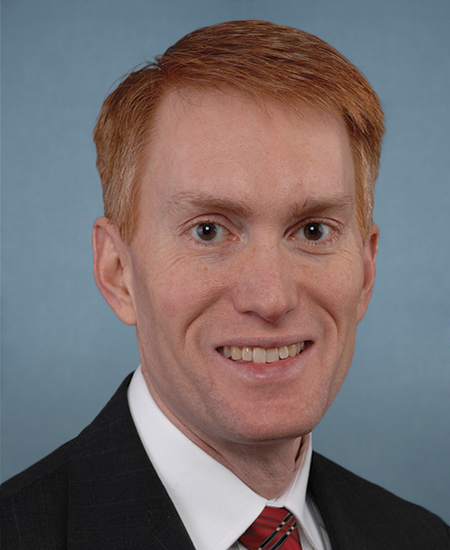
James Lankford
62% support rate
Top opponent
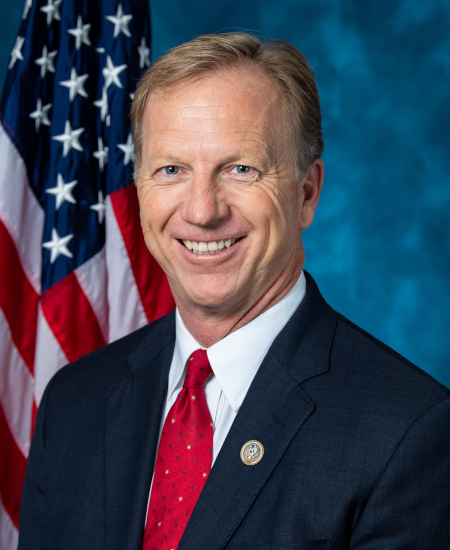
Kevin Hern
38% support rate
Ranked legislators
7
2 support · 5 oppose
Key legislators

Who's moving labor & employment in Oklahoma

Legislators moving labor & employment in Oklahoma
Legislator Party Stance Support rate Votes
James Lankford
James Lankford Senate
R
Support
62% 212
AA
Alan Armstrong Senate
R
Mixed
50% 44
Kevin Hern
Kevin Hern House · District 1
R
Oppose
38% 198
Frank D. Lucas
Frank D. Lucas House · District 3
R
Oppose
38% 194
Josh Brecheen
Josh Brecheen House · District 2
R
Oppose
38% 191
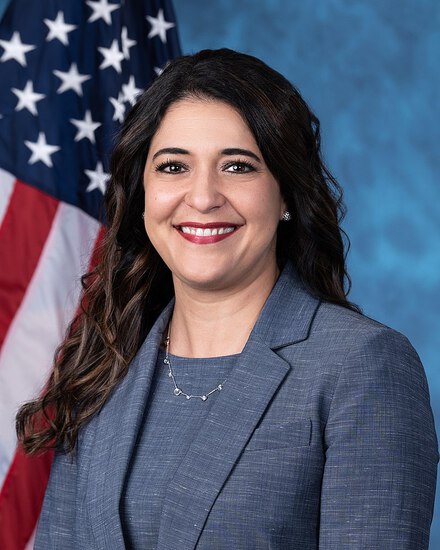
Stephanie I. Bice
Stephanie I. Bice House · District 5
R
Oppose
38% 196
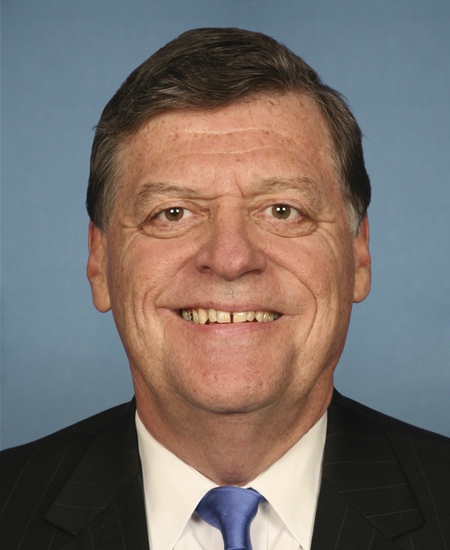
Tom Cole
Tom Cole House · District 4
R
Oppose
38% 196
Showing 1–10 of 74 bills

All labor & employment bills

in committee · United States · House Sep 3, 2026

HR 10250: No Preference Act

HR 10250, known as the No Preference Act, prohibits federal executive agencies and the Department of Defense from requiring or giving preference to contractors based on their use of union labor. The bill amends existing laws to ensure that government contract awards cannot be influenced by whether a company's workers are covered by collective bargaining agreements. This change directly affects federal procurement processes by mandating that offers be evaluated without regard to the labor status of the bidding firms.
in committee · United States · Senate Jul 16, 2026

S 5010: NO BOSS Act

The NO BOSS Act modifies federal rules to allow individuals receiving unemployment benefits to start self-employment businesses without first exhausting their regular benefits. It requires that these self-employment activities include approved entrepreneurial training, business counseling, or a submitted business plan with a market feasibility study. The changes take effect two years after enactment, though states are permitted to adopt similar rules earlier. The Department of Labor will issue regulations and guidance to help state agencies implement these new requirements.
Sub-Topics Unemployment
passed · United States · Senate Jun 24, 2026

SRES 794: A resolution expressing support for the designation of July 10, 2026, as Journeyman Lineworkers Recognition Day.

This resolution expresses support for designating July 10, 2026, as Journeyman Lineworkers Recognition Day to honor the workers who maintain the nation's electricity grid. The bill honors these employees for their critical role in keeping power running daily and for their dangerous work restoring service during disasters and extreme weather. It also commemorates the 130th anniversary of the death of Henry Miller, the first president of the International Brotherhood of Electrical Workers, who died while restoring power. Finally, the resolution encourages Americans to observe this day with reflection on the sacrifices made by lineworkers over the past century.
Sub-Topics Apprenticeships
in committee · United States · Senate May 21, 2026

S 4620: Mandatory E-Verify Act of 2026

The Mandatory E-Verify Act of 2026 makes the E-Verify employment eligibility verification system permanent and mandatory for all employers in the United States, including those who hire, recruit, or refer individuals for jobs. The bill requires employers to use the system within a phased timeline based on company size, ranging from six months for large businesses with 10,000 or more employees to 18 months for smaller businesses with fewer than 20 employees, while exempting agricultural labor verification until 18 months after enactment. Key provisions include increased civil and criminal penalties for non-compliance, the ability for the government to debar repeat violators from federal contracts, and a requirement that states sharing driver's license data with the system remain eligible for certain federal funding. Additionally, the act establishes a self-check feature for individuals to verify their own status, expands data sharing between federal and state agencies to prevent fraud, and creates a good-faith defense for employers who rely on the system's results.
Sub-Topics Work Authorization
in committee · United States · Senate Apr 29, 2026

S 4427: Heat Workforce Standards Act of 2026

The Heat Workforce Standards Act of 2026 prevents the Occupational Safety and Health Administration from finalizing or enforcing a specific proposed rule regarding heat injury prevention in workplaces. This legislation directly affects the Department of Labor and businesses by blocking the implementation of detailed requirements such as mandatory rest breaks and written safety plans. The bill argues that these specific rules are too burdensome and fail to account for unique industry and geographic conditions. By stopping this rule, the act leaves the proposed heat safety standards in a suspended state without changing existing regulations.
in committee · United States · Senate Apr 30, 2026

S 4477: Davis-Bacon Repeal Act

The Davis-Bacon Repeal Act would eliminate federal wage requirements that currently mandate contractors on government-funded construction projects pay workers at least the prevailing local wage rate. By repealing the relevant section of the U.S. Code, the bill removes the legal basis for these minimum wage standards on future contracts. The law includes a transition period that protects existing contracts and those with outstanding bids for 30 days after enactment, ensuring no immediate disruption to ongoing projects. This change would directly affect construction firms and workers involved in federally funded building work by removing the obligation to adhere to specific local wage floors.
in committee · United States · House Jan 21, 2026

HR 7169: UBER Act

The UBER Act establishes new federal requirements for ride-sharing and shared-transportation companies to receive government contracts. To qualify, every driver must be at least 21 years old, hold a valid license from a single state, pass a road test, and demonstrate sufficient English proficiency to communicate with the public and read traffic signs, with an exception for drivers who use American Sign Language. Companies that fail to certify that all their drivers meet these standards will be banned from federal contracts for five years.
passed · United States · Senate Apr 28, 2026

SRES 668: A resolution designating April 2026 as "Second Chance Month".

This Senate resolution designates April 2026 as Second Chance Month to raise awareness about the challenges faced by individuals with criminal records as they reenter society. The bill highlights how legal and societal barriers, such as restrictions on employment, housing, and education, often prevent formerly incarcerated people from finding meaningful work and rebuilding their lives. By honoring the work of communities and organizations that support reentry, the resolution encourages employers and the public to consider extending second chances to those who have completed their sentences. The designation aims to promote understanding of these obstacles and foster opportunities for individuals to contribute positively to their families and communities.
Sub-Topics Probation & Parole
in committee · United States · House Apr 13, 2026

HRES 1164: Directing Members required to reimburse the Treasury for payments related to certain claims to appear before the Clerk for public disclosure of the reasons for the reimbursement.

This resolution requires Members of Congress who must reimburse the Treasury for payments related to sexual harassment or discrimination claims to publicly disclose the details of those reimbursements in the House chamber. It mandates that the Office of Congressional Workplace Rights report these cases to the Clerk, who will then read the Member's name, the reimbursement amount, and related information aloud during a House session. Members who fail to comply within 30 days face restrictions on committee assignments and leadership duties, while former Members are barred from entering the House building until they complete reimbursement and undergo the public disclosure process. The measure also establishes that failures to comply with these requirements can be investigated separately by the House Ethics Committee.
passed · United States · House Apr 16, 2026

HRES 1156: Expressing support for tax policies that support working families.

This resolution expresses support for the Working Families Tax Cuts, a law already enacted in July 2025 that provides various tax benefits to American taxpayers. The bill directly affects individuals and families by recognizing specific provisions that reduce tax liability, including expanded child tax credits, increased standard deductions, and tax relief for tipped workers and overtime pay. Key provisions include making a four-person household earning under $73,000 generally face zero federal income tax, increasing the child tax credit to $2,200 per child, and allowing 529 accounts to cover K-12 and trade school expenses. The resolution also acknowledges tax relief for seniors, auto loan interest deductions for American-made vehicles, and expanded health savings account access. This is a procedural measure that formally acknowledges existing tax policies rather than creating new legislation.
Sub-Topics Income Tax Tax Credits Labor Standards Tags Families
Showing 1 to 10 of 74 bills
1 2 3 8 Next