Issue · Labor & Employment

Labor & Employment

Every labor & employment bill, vote, and legislator stance in Oklahoma, automatically classified by Maddy, our AI policy reader.

Total bills
249
2026 Regular Session
Top supporter
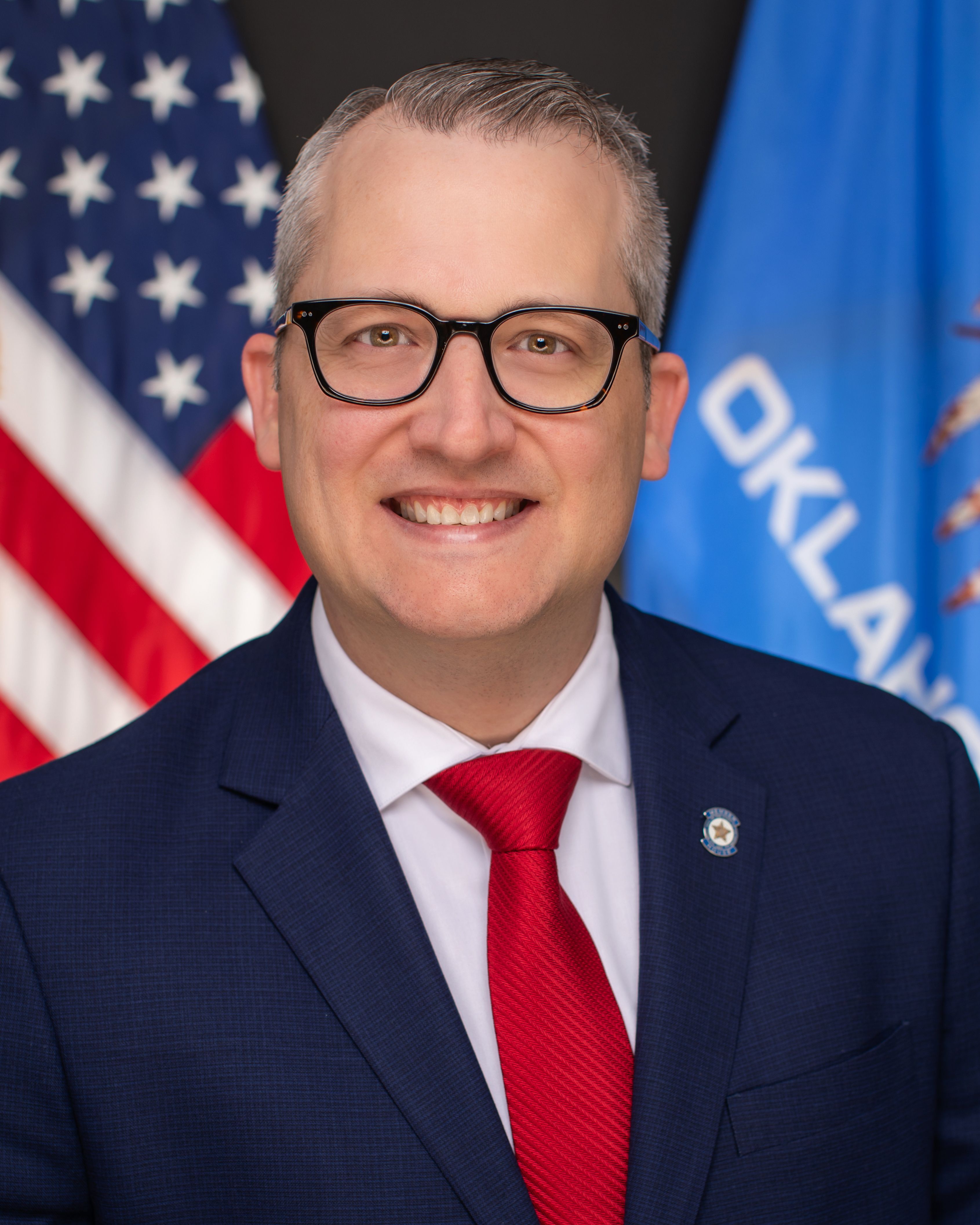
Mark Lawson
87% support rate
Top opponent
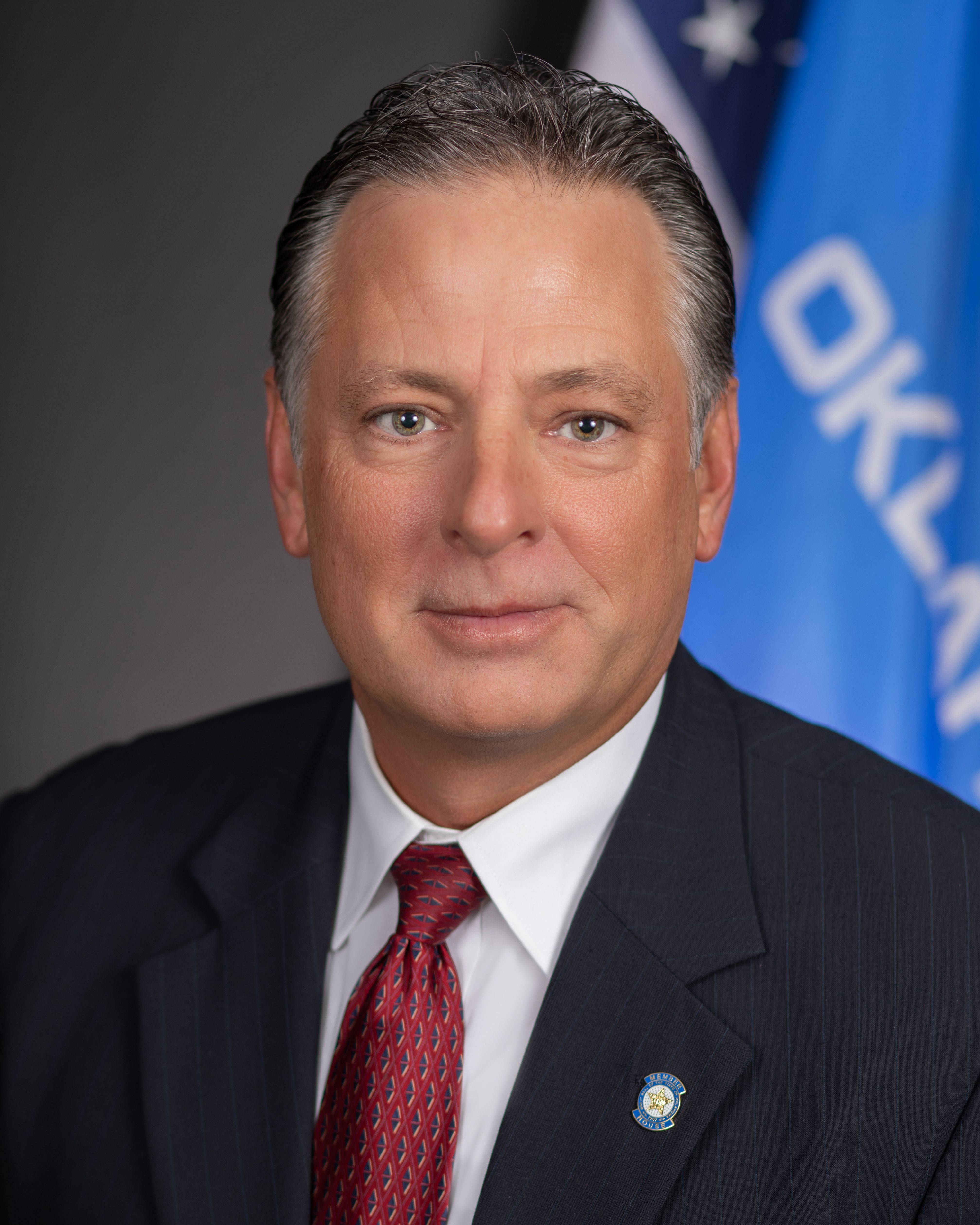
Shane Jett
21% support rate
Ranked legislators
10
5 support · 5 oppose
Key legislators

Who's moving labor & employment in Oklahoma

Legislators moving labor & employment in Oklahoma
Legislator Party Stance Support rate Votes
Mark Lawson
Mark Lawson House · District 30
R
Strong +
87% 175
John George
John George House · District 36
R
Strong +
86% 201
Christi Gillespie
Christi Gillespie Senate · District 33
R
Strong +
86% 174
Mark Tedford
Mark Tedford House · District 69
R
Strong +
86% 141
Aaron Reinhardt
Aaron Reinhardt Senate · District 37
R
Strong +
85% 192
Shane Jett
Shane Jett Senate · District 17
R
Oppose
21% 175
Tom Gann
Tom Gann House · District 8
R
Oppose
22% 201
Rick West
Rick West House · District 3
R
Oppose
25% 196
Molly Jenkins
Molly Jenkins House · District 33
R
Oppose
28% 193
Jim Shaw
Jim Shaw House · District 32
R
Oppose
28% 207
Showing 51–60 of 249 bills

All labor & employment bills

signed · Oklahoma · Senate May 11, 2026

SB 1613: Liquefied petroleum gas; modifying provisions related to the State Liquefied Petroleum Gas Administrator and the Oklahoma Liquefied Petroleum Gas Board. Effective date.

SB 1613 updates Oklahoma's liquefied petroleum gas (LPG) regulations to enhance safety oversight. It requires local officials (sheriffs, fire chiefs, or mayors) to notify the State Liquefied Petroleum Gas Administrator of LPG accidents or fires within one business day, enabling prompt investigations. The bill revises qualification standards for safety inspectors (requiring 2+ years of LPG system experience), modifies registration permits and fee structures (mandating fees fund specific safety programs), and updates container identification requirements. These changes directly affect LPG businesses, safety inspectors, and local emergency responders by clarifying reporting duties and operational standards. The bill also removes outdated provisions and updates language to be gender-neutral.
signed · Oklahoma · House May 12, 2026

HB 3369: Food truck fire suppression; mobile food establishments; modifying mandate for automatic fire extinguishing system in food trucks; removing expiration date; effective date.

HB 3369 requires Oklahoma food trucks to meet fire safety standards, currently allowing them to use two standard fire extinguishers and annual staff training instead of automatic systems. This option expires January 1, 2026, after which all food trucks must comply with the latest state fire codes. The bill mandates annual inspections by the State Fire Marshal, with specific scheduling for high-population counties and statewide coverage. It also establishes a permit decal system and prevents local governments from creating conflicting fire safety rules, except in counties over 400,000 residents. The law takes effect November 1, 2026.
Sub-Topics Labor Standards
died · Oklahoma · Senate Mar 11, 2026

SB 1647: Mental health and substance abuse services; broadening purpose of County Community Safety Investment Fund; authorizing certain awards for specified programs. Effective date. Emergency.

SB 1647 creates a revolving fund called the County Community Safety Investment Fund within Oklahoma's Department of Mental Health and Substance Abuse Services. The bill broadens the fund's purpose to support evidence-based county programs including mental health/substance abuse treatment, pretrial diversion, jail intake screenings, employment, education, and housing services. Counties and multi-county partnerships can apply for funding, while the Oklahoma Indigent Defense System Board may receive up to $1 million annually for similar programs. The bill requires annual reporting to state legislators on fund allocations and program outcomes. It becomes effective July 1, 2026, with an emergency declaration.
in committee · Oklahoma · Senate Feb 3, 2026

SB 2073: State government; creating the Hire Oklahomans Act. Effective date. Emergency.

SB 2073, the "Hire Oklahomans Act," prohibits all Oklahoma state entities (including agencies, universities, and local governments) from hiring or renewing employment for individuals under H-1B visas or Optional Practical Training (OPT) programs. The law applies only to new hires or contract renewals starting July 1, 2026, and does not affect existing employment agreements. It aims to prioritize public employment opportunities for Oklahoma residents by restricting state-funded positions to individuals not relying on these specific federal visa programs. The bill explicitly states that state employment funded by Oklahoma taxpayers is a matter of state sovereignty, separate from federal immigration authority.
Sub-Topics Work Authorization
signed · Oklahoma · Senate May 13, 2026

SB 1944: Administrative Workers' Compensation Act; modifying definition. Effective date.

SB 1944 amends Oklahoma's workers' compensation law by updating key definitions in the Administrative Workers' Compensation Act. It clarifies who qualifies as an "actually dependent" for benefits, specifies requirements for certified "case managers" (including nursing licenses and specific certifications), and refines the definition of "compensable injury" to exclude injuries caused by alcohol/drug use, natural aging, or preexisting conditions without proven aggravation from work. These changes directly affect injured workers seeking benefits, employers, insurance carriers, and healthcare providers involved in workers' compensation claims. The bill aims to standardize eligibility and claim processing without creating new benefits or altering benefit amounts.
in committee · Oklahoma · Senate Feb 3, 2026

SB 1795: Retirement benefits; restricting certain benefits. Effective date.

SB 1795 restricts retirement benefits for certain Oklahoma public employees who face felony charges. It applies to members of four state retirement systems (Law Enforcement, Public Employees, Teachers', and Justices/Judges) who are formally charged with a felony in court. The bill requires prosecutors to notify the retirement system within 48 hours of a felony charge, at which point the system must immediately block access to retirement funds and reject any payment claims. Employees cleared of charges (found not guilty) regain full benefit access under this law. The bill takes effect November 1, 2026.
Sub-Topics Retirement Benefits
in committee · Oklahoma · House Feb 3, 2026

HB 3370: Food truck fire suppression; mobile food establishments, fire and life safety code compliance, permit, inspection, rules; expiration date; emergency.

HB 3370 requires all Oklahoma mobile food trucks (including those using gas, electric, or grease-based cooking) to comply with fire safety codes by November 1, 2028. It mandates specific fire safety equipment, such as a 6-liter Class K portable extinguisher for grease-related cooking, and annual inspections by the State Fire Marshal or Oklahoma Liquefied Petroleum Gas Administration. The bill directly affects food truck operators, requiring permits, annual inspections, and adherence to state fire codes. It also clarifies that the State Fire Marshal oversees compliance, while local governments may still enforce separate permits or zoning rules. The law expires on November 1, 2028, after which full compliance with updated fire codes is required.
in committee · Oklahoma · Senate Feb 23, 2026

SB 1494: School district employees; requiring appropriation of certain funding for flexible benefit allowances for school district employees of certain districts. Effective date. Emergency.

SB 1494 requires Oklahoma's Legislature to annually appropriate funds for a flexible benefit allowance for school district employees. This allowance, which can be used to pay for health insurance or taken as taxable cash, applies to employees in districts meeting specific instructional requirements: those with 170+ days of in-person classroom instruction receive full funding, while others get a minimum set amount based on 2026 standards. The bill mandates that school districts establish a cafeteria plan for employees to access these benefits and clarifies the allowance does not count toward retirement contributions or salary calculations. It takes effect July 1, 2026.
in committee · Oklahoma · Senate Feb 3, 2026

SB 1906: Hospitals; prohibiting certain vaccination requirements and discrimination. Emergency.

SB 1906 prohibits hospitals in Oklahoma from requiring healthcare workers (including physicians, nurses, students, residents, and interns) to be vaccinated against COVID-19 or other diseases as a condition of employment, contract, or training. It also bans hospitals from discriminating against staff or trainees based on their vaccination status. The bill updates existing school vaccine rules (Section 1210.189) by removing an exception that previously allowed healthcare settings to enforce vaccination requirements. This law directly affects hospital employees, trainees, and healthcare students across Oklahoma. It takes immediate effect due to an emergency declaration.
in committee · Oklahoma · Senate Feb 3, 2026

SB 1742: State government; prohibiting state employees from taking certain action. Effective date. Emergency.

SB 1742 prohibits Oklahoma state employees from stating their preferred pronouns on any official work documents or communications. It defines workplace harassment to include stating preferred pronouns, requiring the Department of Labor to create standards for handling such violations, which must be approved by both legislative chambers before being distributed to all state agencies. The bill takes effect July 1, 2026, and declares an emergency to allow immediate implementation upon passage. This directly affects all state employees and agencies in their official workplace communications regarding pronoun usage.
Showing 51 to 60 of 249 bills
Previous 1 5 6 7 25 Next