Issue · Healthcare

Healthcare (Mental Health)

Every healthcare bill, vote, and legislator stance in Oklahoma, automatically classified by Maddy, our AI policy reader.

Total bills
88
2026 Regular Session
Top supporter
Aaron Reinhardt
100% support rate
Top opponent
Molly Jenkins
8% support rate
Ranked legislators
10
5 support · 5 oppose
Key legislators

Who's moving mental health in Oklahoma

Legislators moving mental health in Oklahoma
Legislator Party Stance Support rate Votes
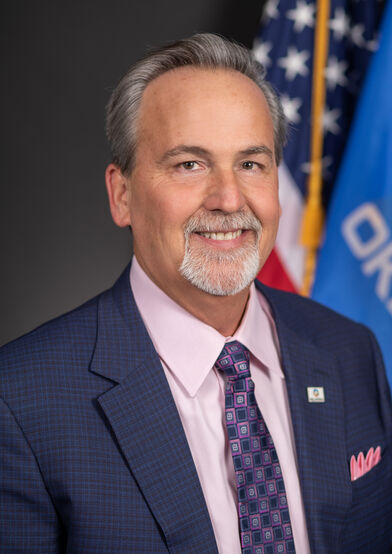
Aaron Reinhardt
Aaron Reinhardt Senate · District 37
R
Strong +
100% 22
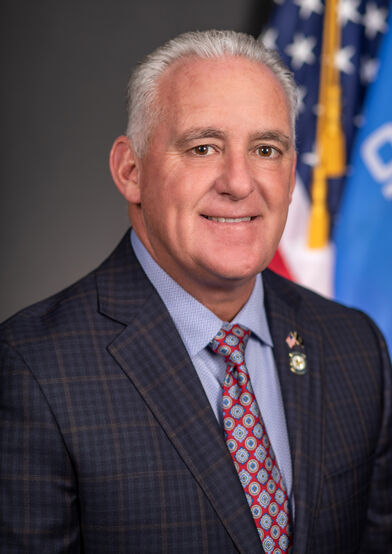
Bill Coleman
Bill Coleman Senate · District 10
R
Strong +
100% 22
Brenda Stanley
Brenda Stanley Senate · District 42
R
Strong +
100% 22
Paul Rosino
Paul Rosino Senate · District 45
R
Strong +
100% 22
Brent Howard
Brent Howard Senate · District 38
R
Strong +
100% 19
Molly Jenkins
Molly Jenkins House · District 33
R
Strong −
8% 13
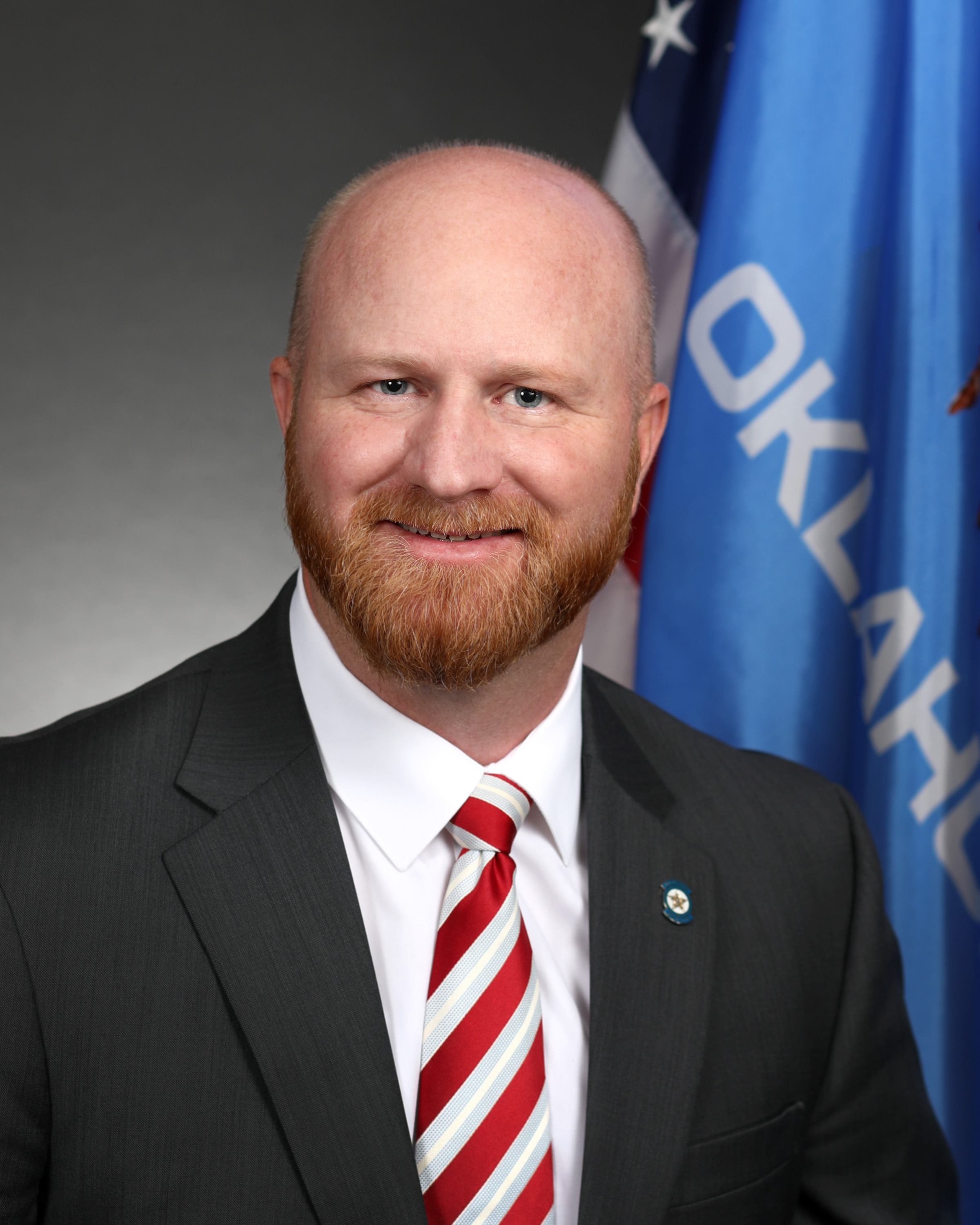
Gabe Woolley
Gabe Woolley House · District 98
R
Strong −
10% 10
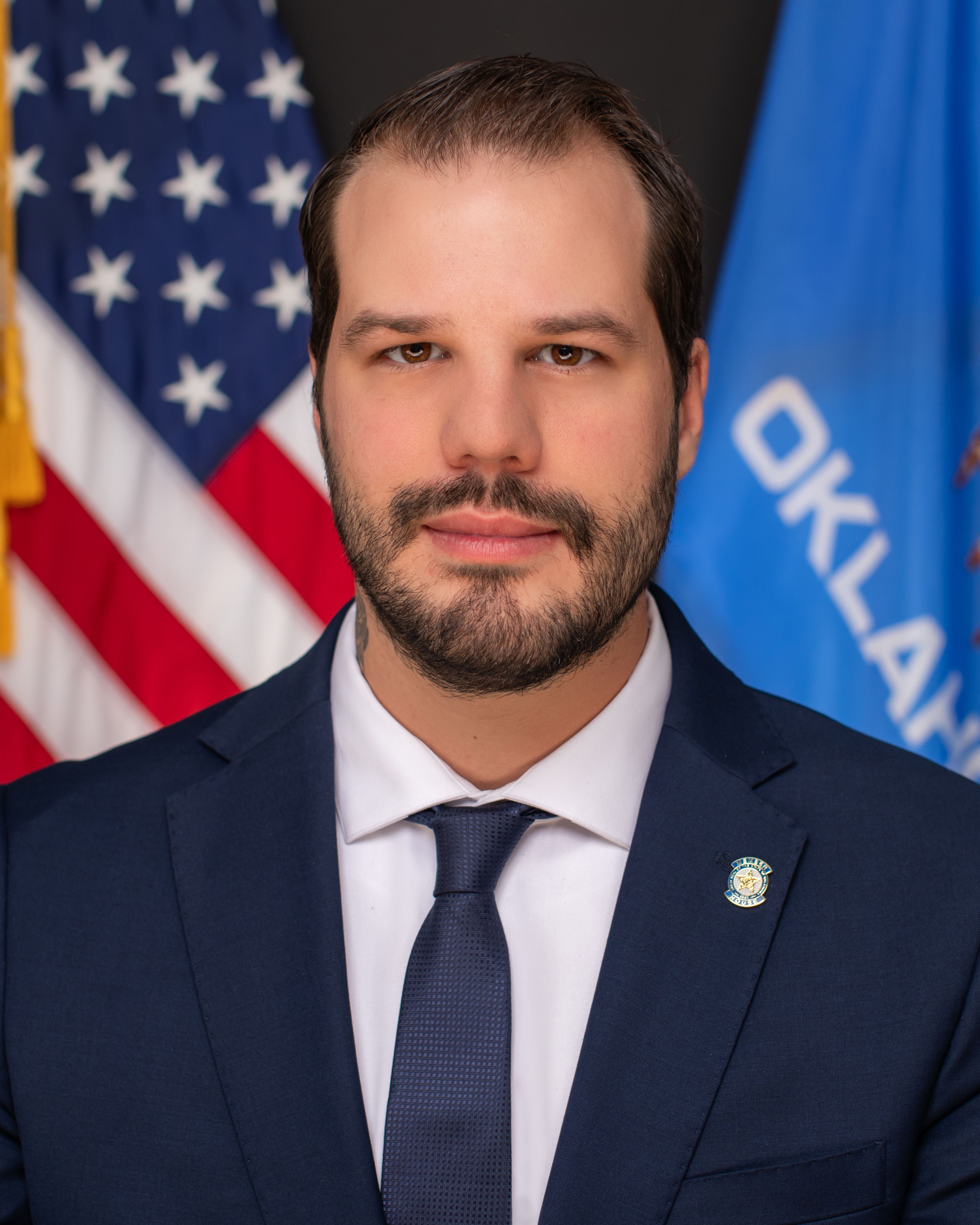
Jim Shaw
Jim Shaw House · District 32
R
Strong −
10% 10
Rick West
Rick West House · District 3
R
Strong −
10% 10
Tom Gann
Tom Gann House · District 8
R
Strong −
10% 10
Showing 11–20 of 88 bills

All healthcare bills

in committee · Oklahoma · House Feb 3, 2026

HB 3489: Mental health crisis; Oklahoma Health Crisis Communication and Patient Rights Act; terms; intake procedures; temporary decision support; capacity and consent; transfer notification; continuity of care; coordination with primary care providers; reports; Legislature; patient rights; effective date.

HB 3489, the "Oklahoma Health Crisis Communication and Patient Rights Act," creates new rules for mental health crisis care in Oklahoma. It requires mental health facilities to ask patients to identify who can receive care updates (approved contacts), establish a temporary process for family or representatives to assist when patients lack decision-making capacity, and prevent facilities from asking impaired patients to sign legal documents. The law mandates facilities to coordinate care with primary doctors, notify approved contacts before transfers, document all decisions, and comply with privacy laws like HIPAA. It applies to all Oklahoma mental health facilities and takes effect November 1, 2026.
in committee · Oklahoma · House Feb 3, 2026

HB 3361: Medicaid reimbursements; minimum rates of reimbursements; discretionary; effective date.

HB 3361 sets minimum reimbursement rates for Medicaid providers in Oklahoma through July 2027. It requires contracted entities to pay participating providers 100% of the standard fee schedule rate and non-participating providers 90% of the 2021 rate. The bill mandates value-based payment plans for providers tied to quality metrics, while ensuring specific protections for pharmacies, rural health clinics, behavioral health clinics, and emergency medical services. It also requires contracted entities to spend at least 11% of healthcare expenses on primary care and updates capitation rates annually based on federal standards. The bill takes effect November 1, 2026.
in committee · Oklahoma · Senate Feb 3, 2026

SB 2097: Oklahoma Juvenile Code; modifying definitions. Effective date.

SB 2097 amends specific definitions within Oklahoma's Juvenile Code (10A O.S. 2021, Section 2-1-103) to clarify terminology used in juvenile justice proceedings. It defines key terms like "behavioral health" (including mental health and substance abuse treatment), "community-based" services (near-home programs for prevention/diversion), and "core community-based" services (specific counseling, case management, and rehabilitative treatments). The bill directly affects juveniles, families, and juvenile justice professionals by standardizing how services and legal terms are applied in court and treatment settings. This definition update aims to improve consistency in implementing existing juvenile justice programs and reporting.
signed · Oklahoma · House May 12, 2026

HB 3650: Medicaid; extending certain termination dates; establishing certain reimbursement rates for multistate contracts; effective date.

HB 3650 sets minimum reimbursement rates for healthcare providers treating Oklahoma Medicaid enrollees, requiring contracted entities to pay in-network providers 100% and out-of-network providers 90% of the 2021 fee schedule rates until 2035. It mandates value-based payment arrangements for providers (with quality-based incentives), requires 11% of contracted entities' healthcare spending to go toward primary care, and includes specific payment rules for rural health clinics, behavioral health centers, pharmacies, and ambulance services. The bill also establishes annual capitation rate updates and medical loss ratio penalties for non-compliant entities. It becomes effective November 1, 2026.
passed · Oklahoma · House Apr 23, 2026

HB 3345: Inmate assessment and evaluations; providing risk, mental health and substance abuse screenings for arrested persons; effective date.

HB 3345 requires mandatory mental health, substance abuse, and risk screenings for individuals arrested on felony charges in Oklahoma after their initial court appearance. These screenings, conducted by certified professionals from the Department of Mental Health, must be shared with courts, prosecutors, defendants, and their attorneys. Results cannot be used as evidence in criminal trials unless the defendant waives this right, but may inform sentencing or diversion options. The law takes effect November 1, 2026.
in committee · Oklahoma · Senate Feb 18, 2026

SB 1421: Mental health; requiring nonphysical intervention training for certain facilities and programs. Effective date.

SB 1421 requires all clinical staff, direct care staff, and volunteers working with minor children in Oklahoma mental health facilities or programs certified by the Department of Mental Health and Substance Abuse Services to complete nonphysical intervention training. The training covers nonviolent conflict resolution, communication skills, and promoting dignity, and must be completed within 30 days of hire with annual updates. Staff or volunteers cannot intervene with a minor child without this training. The bill takes effect November 1, 2026, applying to facilities receiving state funding through contracts with the Department.
in committee · Oklahoma · Senate Feb 12, 2026

SB 1727: Social media; authorizing certain cause of action against social media companies; establishing criteria to recover certain damages; authorizing certain rebuttable presumption. Effective date.

SB 1727 allows minors under 18 or their parents to sue social media companies if a diagnosed mental health issue (like anxiety or depression) was caused by the minor’s excessive use of algorithmically curated platforms - those using engagement-driving features like autoplay, endless scrolling, or push notifications. To win, plaintiffs must prove the mental health condition resulted from the excessive use, but courts must assume causation unless the company shows it implemented safety measures. Social media companies can avoid liability by limiting minors’ daily use to 3 hours, blocking access between 10:30 p.m. and 6:30 a.m., requiring parental consent, and disabling engagement features for minors. If liability is found, plaintiffs can recover $10,000 per incident or actual damages, plus attorney fees.
in committee · Oklahoma · Senate Feb 3, 2026

SB 2036: Public health; requiring certain perinatal mental health screenings; requiring compilation and publication of certain data. Effective date.

SB 2036 requires healthcare providers to screen mothers for perinatal depression and anxiety during pregnancy and up to one year after childbirth. It mandates the Oklahoma State Department of Health to collect maternal and infant health data from providers, surveys, and existing systems, then publish an annual demographic report on perinatal mental health outcomes. The bill also directs the Department to create a public website and mobile app connecting mothers to perinatal resources. These provisions apply directly to healthcare providers and pregnant/postpartum mothers in Oklahoma, effective November 1, 2026.
in committee · Oklahoma · House Feb 3, 2026

HB 3626: Medicaid; adverse determinations and procedures; review; appeal; requirements; psychologist; minimum rates of reimbursement, value-based payment arrangements, and payment methodologies; Oklahoma Health Care Authority; appeal; effective date.

HB 3626 updates Oklahoma's Medicaid appeal process and provider reimbursement rates. It requires human reviews (by licensed physicians or mental health professionals, not automated systems) for denied claims within six months, with reviewers meeting specific expertise and conflict-of-interest standards. The bill sets minimum reimbursement rates until July 2027: 100% of the fee schedule for network providers and 90% for out-of-network providers. It specifically mandates that psychologists receive full reimbursement for services including intake, testing, and assessments - not just therapy - and establishes new rates for psychologists who win appeals. These changes directly affect Medicaid providers, particularly mental health professionals, and the Oklahoma Health Care Authority.
Sub-Topics Medicaid Mental Health
in committee · Oklahoma · Senate Feb 3, 2026

SB 2037: Artificial intelligence; requiring informed consent for use by licensed mental health professional or health care provider; authorizing and prohibiting certain uses. Emergency.

SB 2037 requires licensed mental health professionals and health care providers in Oklahoma to obtain written, informed consent from patients before using artificial intelligence (AI) for therapy or psychotherapy services. The bill prohibits AI from making independent therapeutic decisions, directly interacting with clients during sessions, generating treatment plans without provider review, or detecting emotions. It mandates that providers maintain full responsibility for all AI-assisted interactions and explicitly states that final clinical decisions must be made by licensed professionals, not AI systems. Violations may result in disciplinary action and fines up to $10,000 per incident, enforced by licensure boards or the Attorney General.
Showing 11 to 20 of 88 bills
Previous 1 2 3 9 Next