Issue · Healthcare

Healthcare (Healthcare Workforce)

Every healthcare bill, vote, and legislator stance in Oklahoma, automatically classified by Maddy, our AI policy reader.

Total bills
23
2026 Regular Session
Top supporter
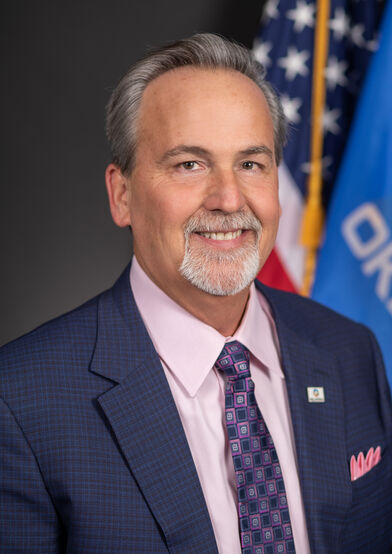
Aaron Reinhardt
100% support rate
Top opponent
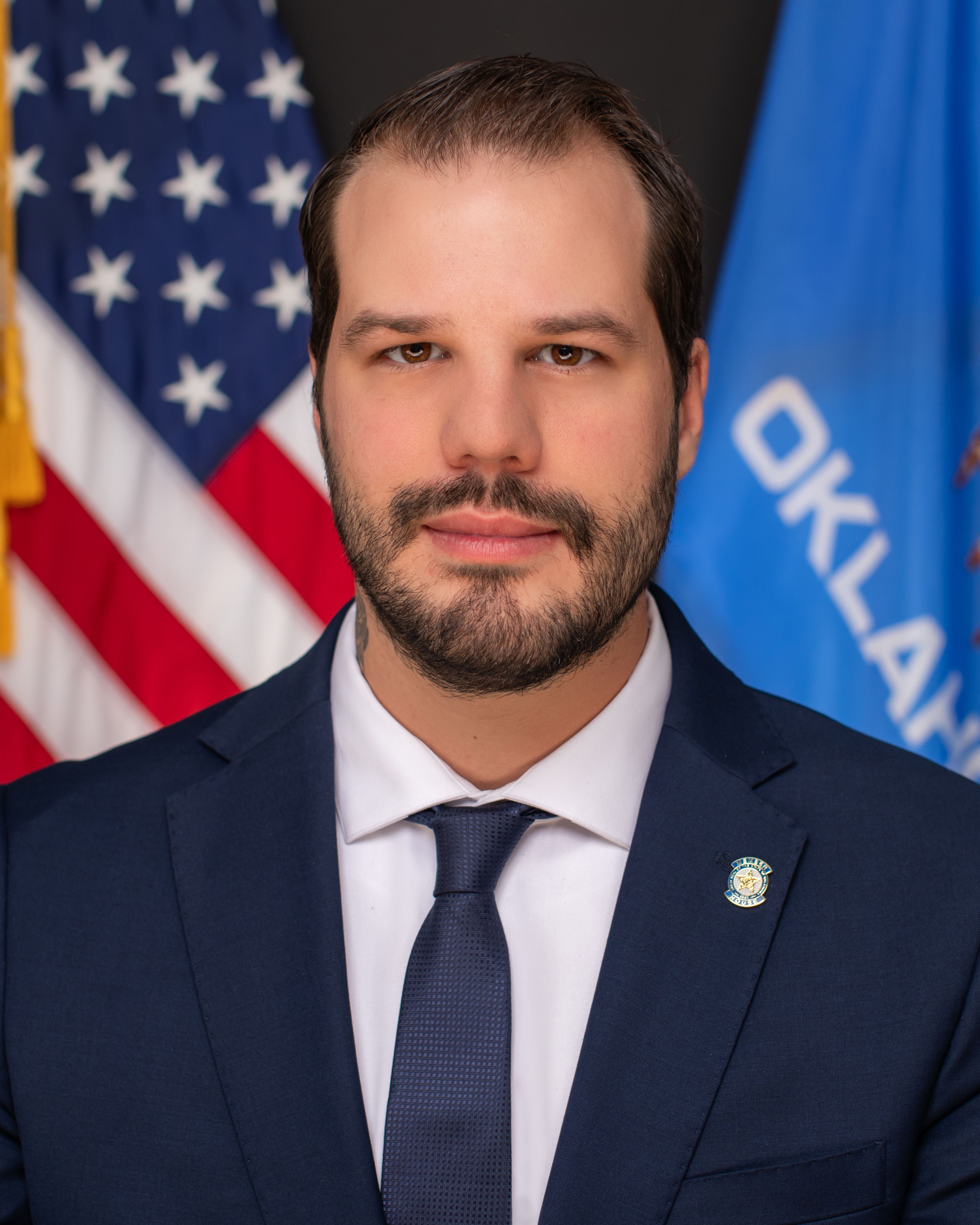
Dusty Deevers
0% support rate
Ranked legislators
10
5 support · 5 oppose
Key legislators

Who's moving healthcare workforce in Oklahoma

Legislators moving healthcare workforce in Oklahoma
Legislator Party Stance Support rate Votes
Aaron Reinhardt
Aaron Reinhardt Senate · District 37
R
Strong +
100% 9
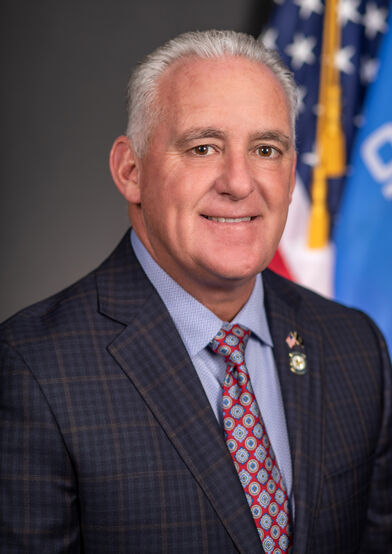
Bill Coleman
Bill Coleman Senate · District 10
R
Strong +
100% 9
John Haste
John Haste Senate · District 36
R
Strong +
100% 9
Paul Rosino
Paul Rosino Senate · District 45
R
Strong +
100% 9
Brenda Stanley
Brenda Stanley Senate · District 42
R
Strong +
100% 8
Dusty Deevers
Dusty Deevers Senate · District 32
R
Strong −
0% 6
Gabe Woolley
Gabe Woolley House · District 98
R
Strong −
0% 6
Jim Shaw
Jim Shaw House · District 32
R
Strong −
0% 6
Molly Jenkins
Molly Jenkins House · District 33
R
Strong −
0% 6
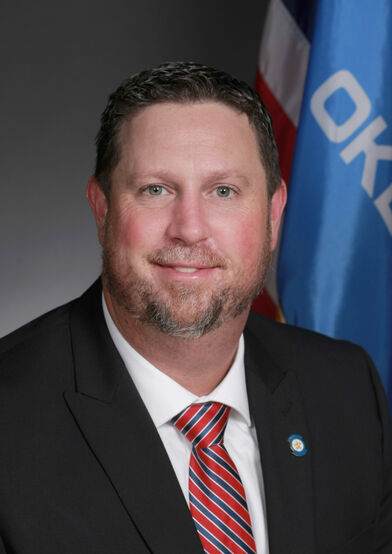
David Bullard
David Bullard Senate · District 6
R
Strong −
17% 6
Showing 1–10 of 23 bills

All healthcare bills

in committee · Oklahoma · Senate Feb 3, 2026

SB 1943: Anesthesia services; prohibiting insurers from reducing certain payments. Effective date.

SB 1943 prohibits Oklahoma insurers from cutting payments for anesthesia services solely because a Certified Registered Nurse Anesthetist (CRNA) provided the care. This directly affects CRNAs and insurance companies by preventing payment reductions based on the provider's role. The bill requires insurers to pay the same rate for anesthesia services whether a CRNA or another qualified provider administers them. It becomes effective November 1, 2026, and is codified in Oklahoma Statutes.
vetoed · Oklahoma · Senate May 29, 2025

SB 804: Long-term care; directing promulgation of specified rules; requiring assisted living centers to establish internal quality assurance committee. Effective date.

SB 804 requires Oklahoma assisted living centers to establish an internal quality assurance committee that meets quarterly. The committee must monitor incidents, resident satisfaction, and care quality - especially medication administration - and recommend policies, with membership including a registered nurse, administrator, direct care staff, and pharmacist as needed. The bill also updates existing rules to mandate monthly medication reviews by nurses/pharmacists, standardized resident screening, posting inspection results online, and individualized care plans. These changes directly affect all licensed assisted living centers in Oklahoma, effective November 1, 2025.
signed · Oklahoma · Senate May 6, 2026

SB 1567: Practice of nursing; modifying restriction on supervision fees for Advanced Practice Registered Nurses; prohibiting certain requirements by the Oklahoma Board of Nursing. Effective date.

SB 1567 modifies Oklahoma's rules for Advanced Practice Registered Nurses (APRNs) by allowing supervising physicians to charge reasonable fees for oversight services, requiring these fees to be disclosed in written agreements and based on fair market value. The bill prohibits the Oklahoma Board of Nursing from imposing fees for maintaining supervision agreements or related administrative tasks. It also mandates that supervision agreements include specific details like fee structures, scope of practice, emergency plans, and alternate physician designations. This directly affects APRNs who rely on physician supervision and supervising physicians, streamlining oversight requirements while ensuring transparency in fee arrangements.
died · Oklahoma · House Feb 19, 2026

HB 3793: Professions and occupations; registered and practical nurse programs; adding program; effective date.

HB 3793 establishes new training hour requirements for nursing education programs in Oklahoma. It mandates that diploma programs for registered nurses must total 1,300-1,500 hours (including clinical training), while LPN-to-RN ladder programs must provide 600-700 additional nursing hours beyond LPN education. Non-nursing coursework in both program types is capped at 330 hours. The bill affects nursing programs seeking state approval and takes effect November 1, 2026.
signed · Oklahoma · House May 11, 2026

HB 3066: Health Care Workforce Training Commission; creating the Workforce Talent Recruitment Revolving Fund; stating source and allowed uses of monies; promulgation of certain rules; emergency.

HB 3066 creates the Health Care Workforce Training Commission and establishes the "Rural Health Transformation Revolving Fund" in Oklahoma's state treasury. The fund will collect federal funds (including those from the One Big Beautiful Bill Act of 2025), interest, and designated state monies to specifically recruit and retain healthcare workers in rural and underserved Oklahoma communities, requiring a minimum 5-year service commitment. The Commission can use these funds for workforce programs and create necessary rules to implement the program. The bill takes effect July 1, 2026, and directly affects rural healthcare providers and communities facing workforce shortages.
in committee · Oklahoma · Senate Feb 3, 2026

SB 1431: Practice of pharmacy; authorizing dispensing of self-administered hormonal contraceptives under certain conditions. Effective date.

SB 1431 allows pharmacists in Oklahoma to dispense self-administered hormonal contraceptives (like pills or patches) to patients without requiring a prescription, under a protocol established by the State Board of Pharmacy. Pharmacists must complete approved training and follow the Board's rules, which must be finalized by January 1, 2027. This change directly affects patients seeking accessible contraception and expands pharmacists' scope of practice for contraceptive care. The bill becomes effective November 1, 2026.
in committee · Oklahoma · Senate Feb 3, 2026

SB 2037: Artificial intelligence; requiring informed consent for use by licensed mental health professional or health care provider; authorizing and prohibiting certain uses. Emergency.

SB 2037 requires licensed mental health professionals and health care providers in Oklahoma to obtain written, informed consent from patients before using artificial intelligence (AI) for therapy or psychotherapy services. The bill prohibits AI from making independent therapeutic decisions, directly interacting with clients during sessions, generating treatment plans without provider review, or detecting emotions. It mandates that providers maintain full responsibility for all AI-assisted interactions and explicitly states that final clinical decisions must be made by licensed professionals, not AI systems. Violations may result in disciplinary action and fines up to $10,000 per incident, enforced by licensure boards or the Attorney General.
in committee · Oklahoma · House Feb 11, 2026

HB 3887: Professions and occupations; medical professionals; referrals; thirty-day period; effective date.

HB 3887 removes a 30-day limit requiring physical therapists to obtain a doctor's referral for patient care in Oklahoma. It allows physical therapists (including those working directly for employers) to provide treatment without a referral for up to 30 days, after which a referral from a physician, dentist, chiropractor, podiatrist, or advanced nurse is required. The bill specifically exempts care for children under federal education laws (IDEA/Section 504) and allows physical therapists to offer wellness/prevention services without referrals. It does not change requirements for students, federal employees, or prevent physical therapists from performing screening or educational services. The law takes effect November 1, 2026.
signed · Oklahoma · House May 7, 2026

HB 4430: Medical malpractice; Physician Assistant Act requirements; Advanced Practice Registered Nurse malpractice insurance requirements; compliance; effective date.

HB 4430 changes Oklahoma's rules for physician assistants (PAs) by allowing those with 6,240+ hours of postgraduate clinical experience to practice without physician supervision. PAs meeting this threshold must report their hours to the State Board online (no fee), and the Board will maintain a public list of qualifying PAs. PAs with fewer hours or unreported experience must maintain practice agreements with physicians, including telecommunication requirements and regular reviews. The bill also clarifies prescription authority: experienced PAs can prescribe without delegation, while supervised PAs must follow their physician's delegated protocols, especially for controlled substances.
in committee · Oklahoma · House Feb 3, 2026

HB 3286: Health insurance; pregnancy; postpartum; newborn care; breast pumps; breastfeeding; SoonerCare; sales and use tax exemption; effective date.

HB 3286 requires all health insurance plans in Oklahoma to cover pregnancy, postpartum, and newborn care services - including support from perinatal doulas, nurse-midwives, and lactation consultants - without cost-sharing like deductibles or copays. It mandates coverage for breast pumps, supplies, feeding aids, and home visits for postpartum support for at least one year after birth. The bill also exempts breast pumps, supplies, and feeding aids from state sales and use taxes. These provisions apply to both private insurance and Oklahoma’s Medicaid program (SoonerCare), directly affecting pregnant individuals, new parents, and healthcare providers.
Showing 1 to 10 of 23 bills
1 2 3 Next