Issue · Technology

Technology (Social Media)

Every technology bill, vote, and legislator stance in Oklahoma, automatically classified by Maddy, our AI policy reader.

Total bills
20
2026 Regular Session
Top supporter
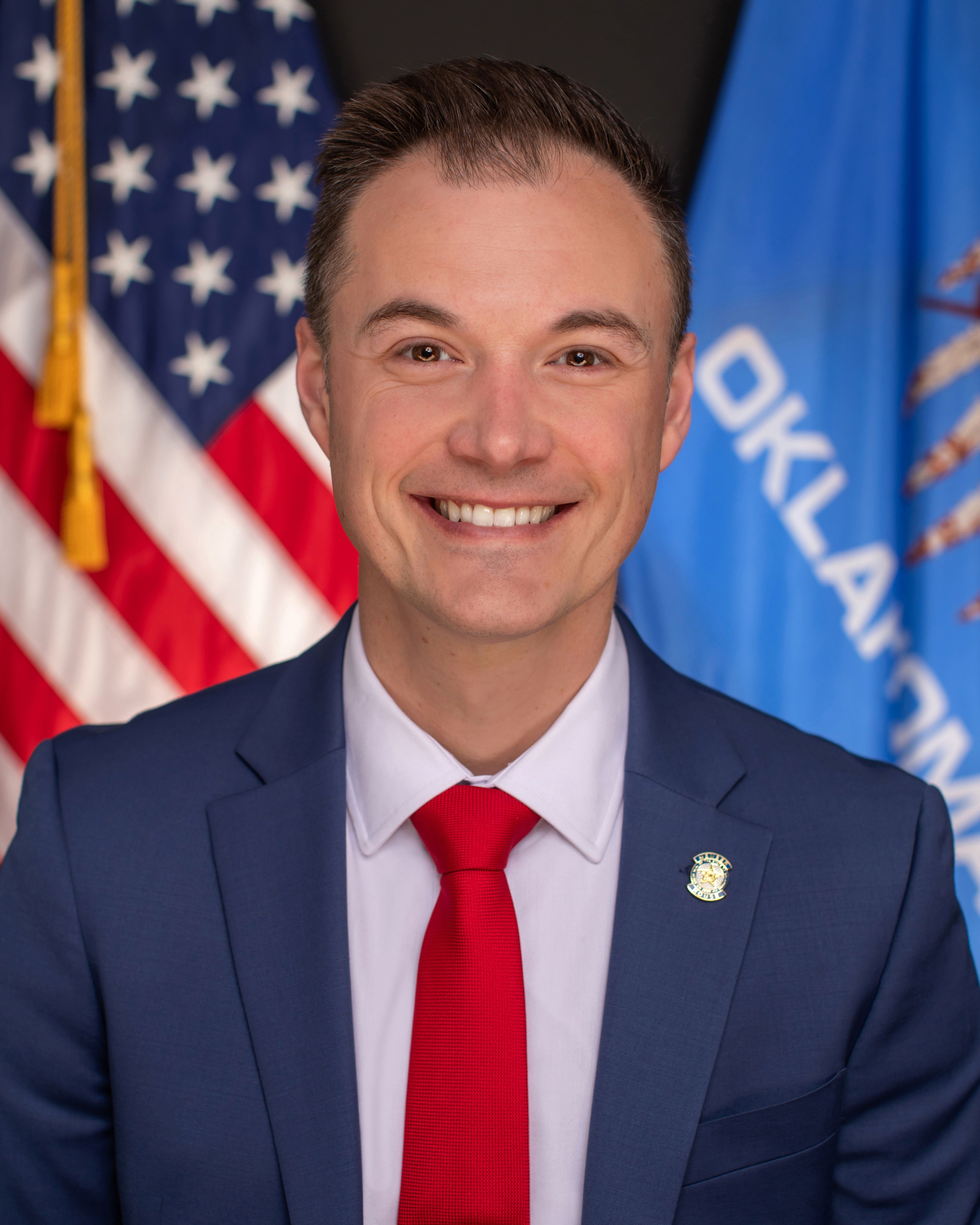
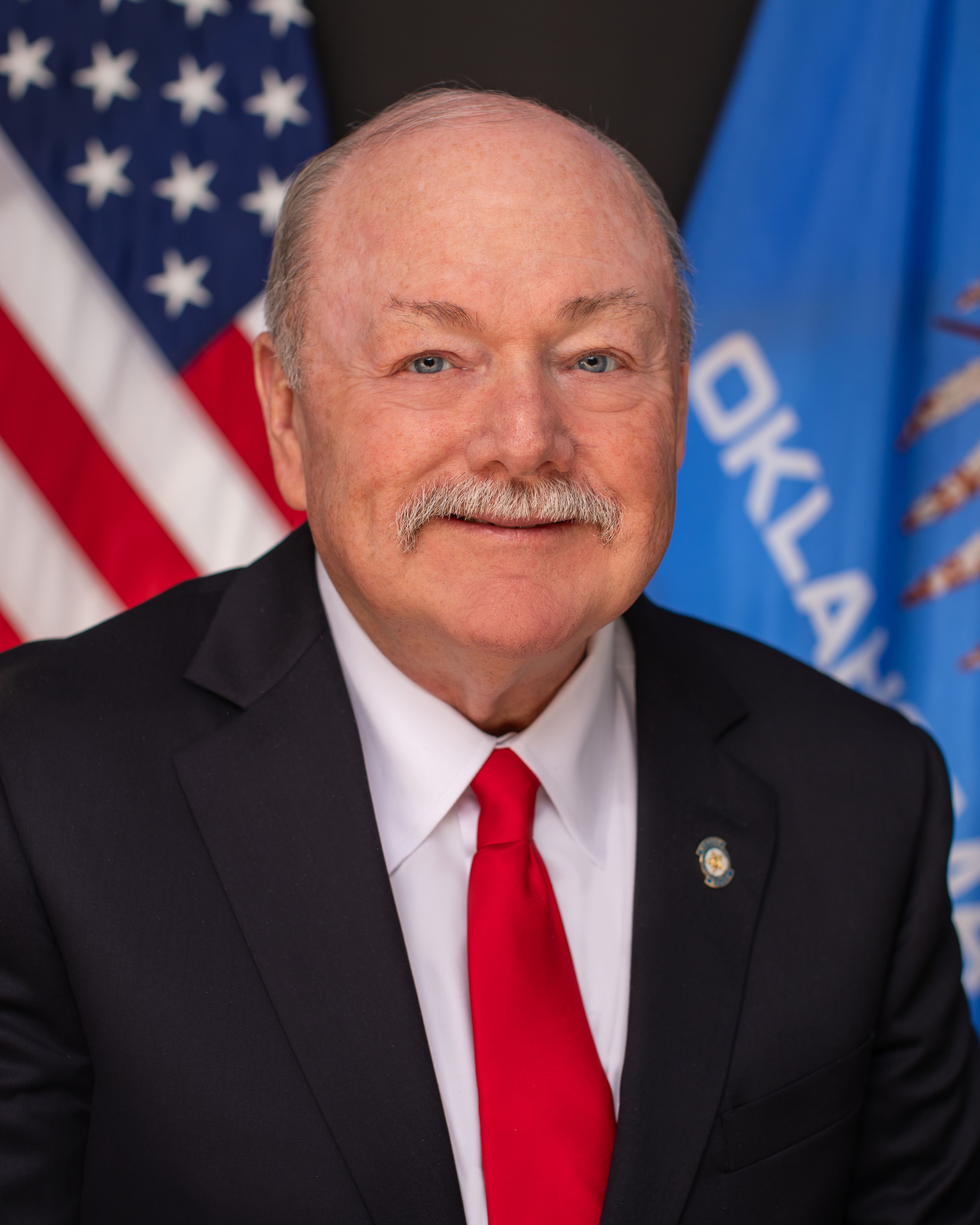
Cody Maynard
100% support rate
Top opponent
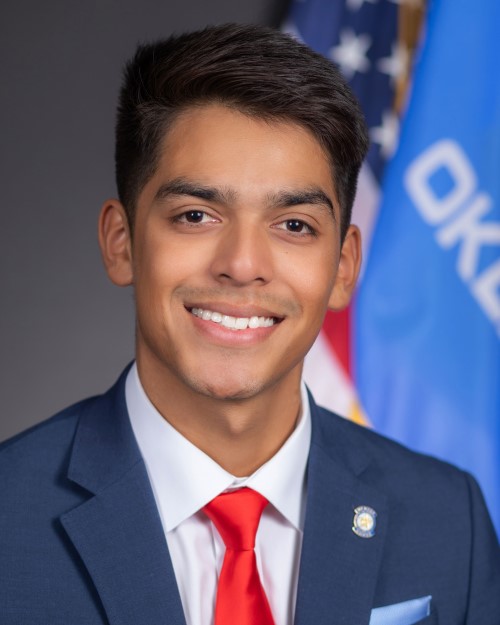
Arturo Alonso
33% support rate
Ranked legislators
8
5 support · 3 oppose
Key legislators

Who's moving social media in Oklahoma

Legislators moving social media in Oklahoma
Legislator Party Stance Support rate Votes
Cody Maynard
Cody Maynard House · District 21
R
Strong +
100% 4
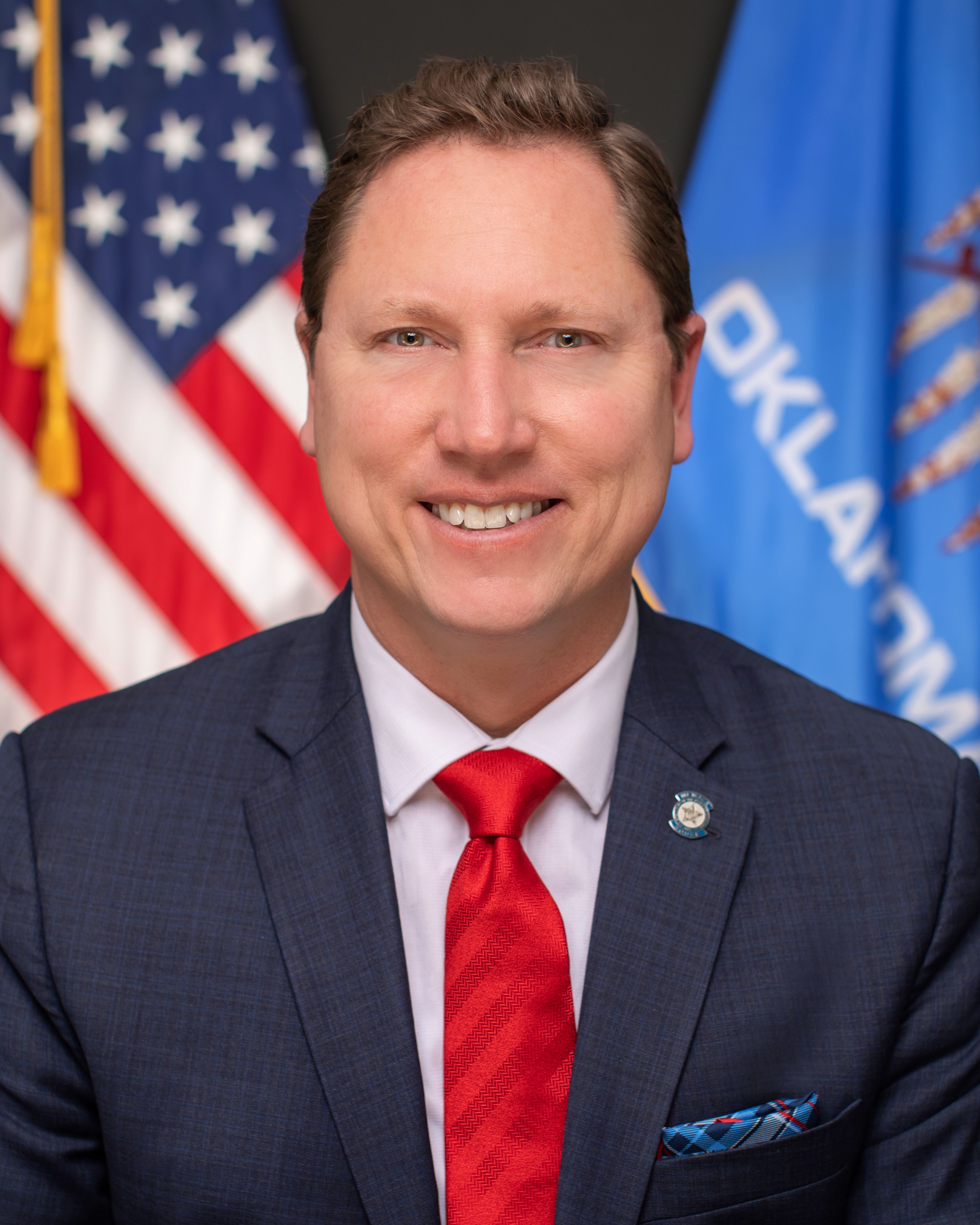
Brian Hill
Brian Hill House · District 47
R
Strong +
100% 3
Chris Banning
Chris Banning House · District 24
R
Strong +
100% 3
Josh West
Josh West House · District 5
R
Strong +
100% 3
Mike Lay
Mike Lay House · District 68
R
Strong +
100% 3
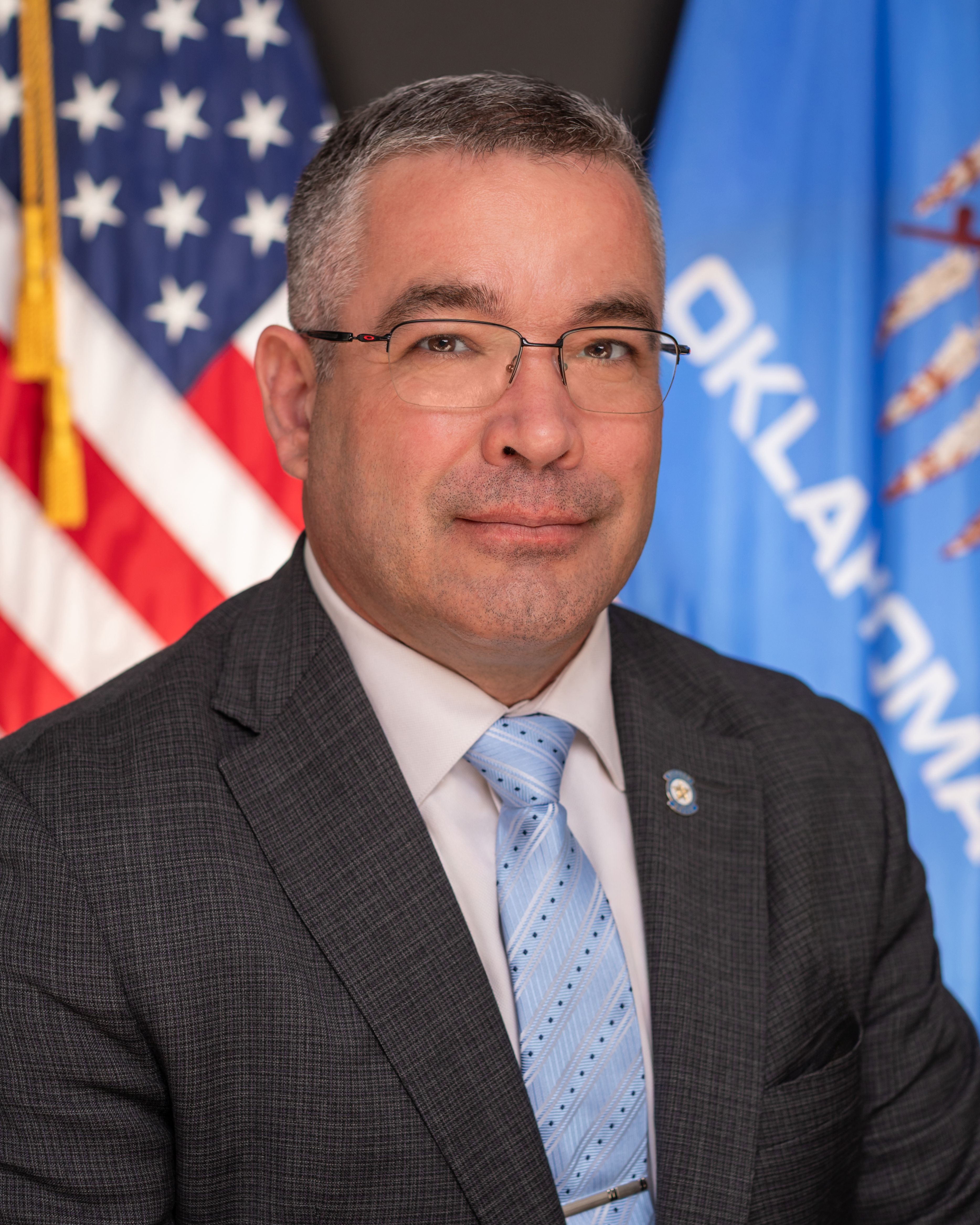
Arturo Alonso
Arturo Alonso House · District 89
D
Oppose
33% 3
Meloyde Blancett
Meloyde Blancett House · District 78
D
Oppose
33% 3
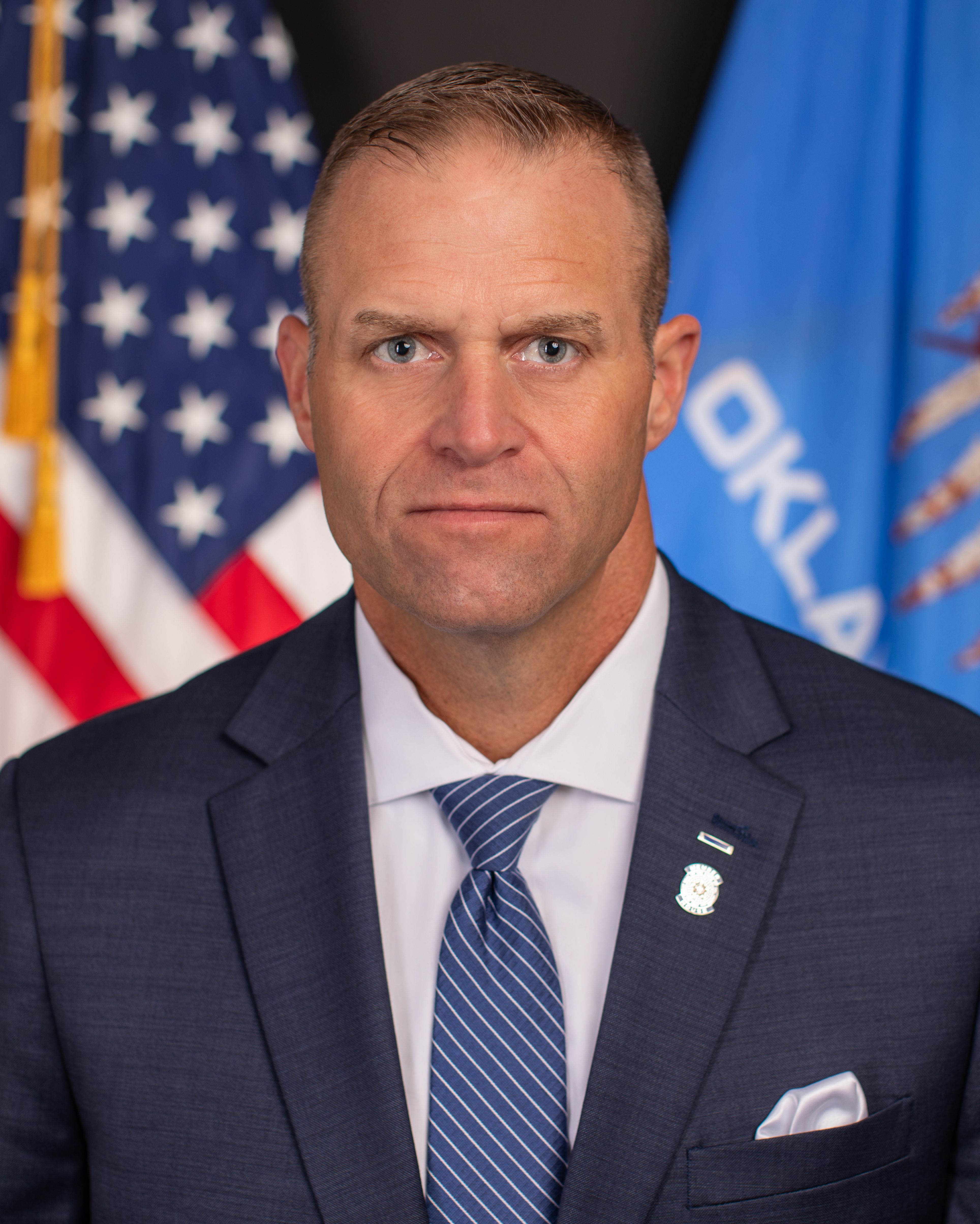
Tom Gann
Tom Gann House · District 8
R
Oppose
33% 3
Showing 1–10 of 20 bills

All technology bills

in committee · Oklahoma · House Feb 3, 2026

HB 4356: Social media; social networks; minors; verification; effective date.

HB 4356 requires social media platforms accessed by Oklahoma minors under 16 years old to verify users' ages before allowing account creation or access. It prohibits platforms from using "dark patterns" (manipulative design) to bypass age checks and bans third-party vendors from retaining minors' personal data. The law exempts email services, gaming platforms, educational tools, and other non-social media services from these requirements. It applies to platforms operating in Oklahoma that connect users socially through features like infinite scrolling or algorithm-driven content.
in committee · Oklahoma · Senate Feb 12, 2026

SB 1727: Social media; authorizing certain cause of action against social media companies; establishing criteria to recover certain damages; authorizing certain rebuttable presumption. Effective date.

SB 1727 allows minors under 18 or their parents to sue social media companies if a diagnosed mental health issue (like anxiety or depression) was caused by the minor’s excessive use of algorithmically curated platforms - those using engagement-driving features like autoplay, endless scrolling, or push notifications. To win, plaintiffs must prove the mental health condition resulted from the excessive use, but courts must assume causation unless the company shows it implemented safety measures. Social media companies can avoid liability by limiting minors’ daily use to 3 hours, blocking access between 10:30 p.m. and 6:30 a.m., requiring parental consent, and disabling engagement features for minors. If liability is found, plaintiffs can recover $10,000 per incident or actual damages, plus attorney fees.
in committee · Oklahoma · House Feb 3, 2026

HB 3523: Social media platforms; adverse action; user's page or account; notice; hearing; temporary restriction; right of action; effective date.

HB 3523 requires large social media platforms (with over 100 million global users accessible in Oklahoma) to provide users with detailed written notice before taking adverse actions like suspensions or deletions. This notice must specify the violated rule, content in question, evidence, and proposed action, followed by a 7-day response period and human review. Platforms may temporarily restrict accounts to prevent imminent harm only if they provide 24-hour notice and hold a full hearing within 7 days, restoring accounts if the action isn't justified. Affected users gain a right to sue for $10,000 per violation or seek injunctive relief, while Oklahoma's Attorney General can enforce the law with civil penalties up to $25,000 per violation. The law takes effect November 1, 2026.
Sub-Topics Social Media
in committee · Oklahoma · Senate Feb 5, 2026

SB 1479: Crimes and punishments; prohibiting certain release of public scene-specific information. Effective date.

SB 1479 prohibits first responders (police, firefighters, EMTs) and scene support workers (tow truck operators, crime scene cleaners, road crews) from sharing details or photos/videos from accident or crime scenes on social media without prior authorization from the investigating agency. It requires employers to notify staff about these rules within 90 days of the law's effective date. Violating the rule would be a misdemeanor punishable by up to $1,000 or 60 days in jail. The bill takes effect November 1, 2026.
Sub-Topics Social Media
in committee · Oklahoma · House Feb 3, 2026

HB 3123: Civil procedure; cause of action for intentional distribution of false news; Attorney General to file action on behalf of the citizens of Oklahoma; effective date.

HB 3123 would hold news media outlets - including national, local, social media, and information platforms - liable for intentionally distributing false news meant to mislead or promote political views. The Attorney General could file lawsuits on behalf of Oklahoma citizens, seeking actual damages (including profits from false reports) and punitive damages of at least $500 per report. Exceptions cover satire, parody, and content protected under federal Section 230 (which shields platforms for user-generated content). The bill, introduced in 2026, would take effect November 1, 2026.
Sub-Topics Social Media
signed · Oklahoma · House May 7, 2026

HB 3244: Crimes and punishments; modifying elements of certain unlawful acts; aggravated identity theft; effective date.

HB 3244 modifies Oklahoma law to strengthen penalties for patterns of criminal activity and exploitation of vulnerable individuals. It expands "pattern of criminal offenses" to include online acts (via social media, AI, or cellular networks) and adds identity theft to the list of crimes that can form a pattern, punishable by a Class D1 felony ($25,000 fine or imprisonment). The bill also increases penalties for exploiting elderly/disabled adults: theft of $100,000+ becomes a Class C1 felony, while lesser amounts trigger a Class C2 felony, with enhanced penalties for repeat exploitation. It directly affects criminals committing multiple offenses across locations or online, and those exploiting vulnerable groups (elderly, disabled, homeless, or minors) through coercion or deception.
signed · Oklahoma · House May 11, 2026

HB 3678: Crimes and punishments; electronic communication devices; threaten; intimidate; harass; public officials; municipal officials; public school board members; effective date.

HB 3678 makes it a misdemeanor to use electronic devices (like social media or text messages) to publish personal details - such as names, addresses, or Social Security numbers - of protected individuals with the intent to threaten, intimidate, or harass them. It directly affects peace officers, public officials (including municipal and school board members), election officials, medical care providers, and crime victims. Violators face up to six months in jail or a $1,000 fine for a first offense, with harsher penalties for repeat violations. The law excludes medical care provider information unrelated to their professional duties and takes effect on November 1, 2026.
in committee · Oklahoma · Senate Mar 4, 2026

SB 1923: Prisons and reformatories; prohibiting access to social media by inmates. Effective date.

SB 1923 prohibits inmates in Oklahoma prisons and reformatories from accessing social media platforms on any electronic devices provided by the Department of Corrections (like phones, tablets, or computers). The bill defines "social media platform" as websites enabling user-generated content and interaction, such as Facebook or Instagram. The Department of Corrections must create specific rules to implement this ban, which takes effect November 1, 2026. This policy directly affects all inmates in state correctional facilities by restricting their use of social media during incarceration.
Sub-Topics Social Media
in committee · Oklahoma · Senate Feb 12, 2026

SB 1871: Social media; requiring certain age verification; mandating the segregation of certain user data; requiring certain parental consent. Emergency.

SB 1871 requires social media platforms operating in Oklahoma to verify the age of users using state-issued ID (not just birth dates) and obtain parental consent for users under 18. Platforms must segregate minors' personal data, set default privacy settings to restrict visibility to "connected accounts" (like family/friends), disable search indexing of minor profiles, and limit data sharing. It mandates platforms to freeze existing accounts and verify ages by a specified deadline, with strict security measures for minor user data. The bill directly affects all social media platforms serving Oklahoma residents, minors under 18, and their parents/guardians who must provide consent.
in committee · Oklahoma · Senate Feb 3, 2026

SB 1972: Internet; creating the Oklahoma Children's Internet Protection Act. Effective date.

SB 1972, the Oklahoma Children's Internet Protection Act, requires online platforms (interactive computer service providers) to obtain parental or guardian consent before entering contracts with minors under 18. It prohibits platforms from sharing minors' personal information - including names, images, location data, or likeness - without this consent. Platforms must verify parental consent through specific methods like signed forms, video calls, or verified email. Violations can result in civil penalties enforced by the Oklahoma Attorney General.
Showing 1 to 10 of 20 bills
1 2 Next