Issue · Healthcare

Healthcare (Primary Care)

Every healthcare bill, vote, and legislator stance in Oklahoma, automatically classified by Maddy, our AI policy reader.

Total bills
13
2026 Regular Session
Top supporter
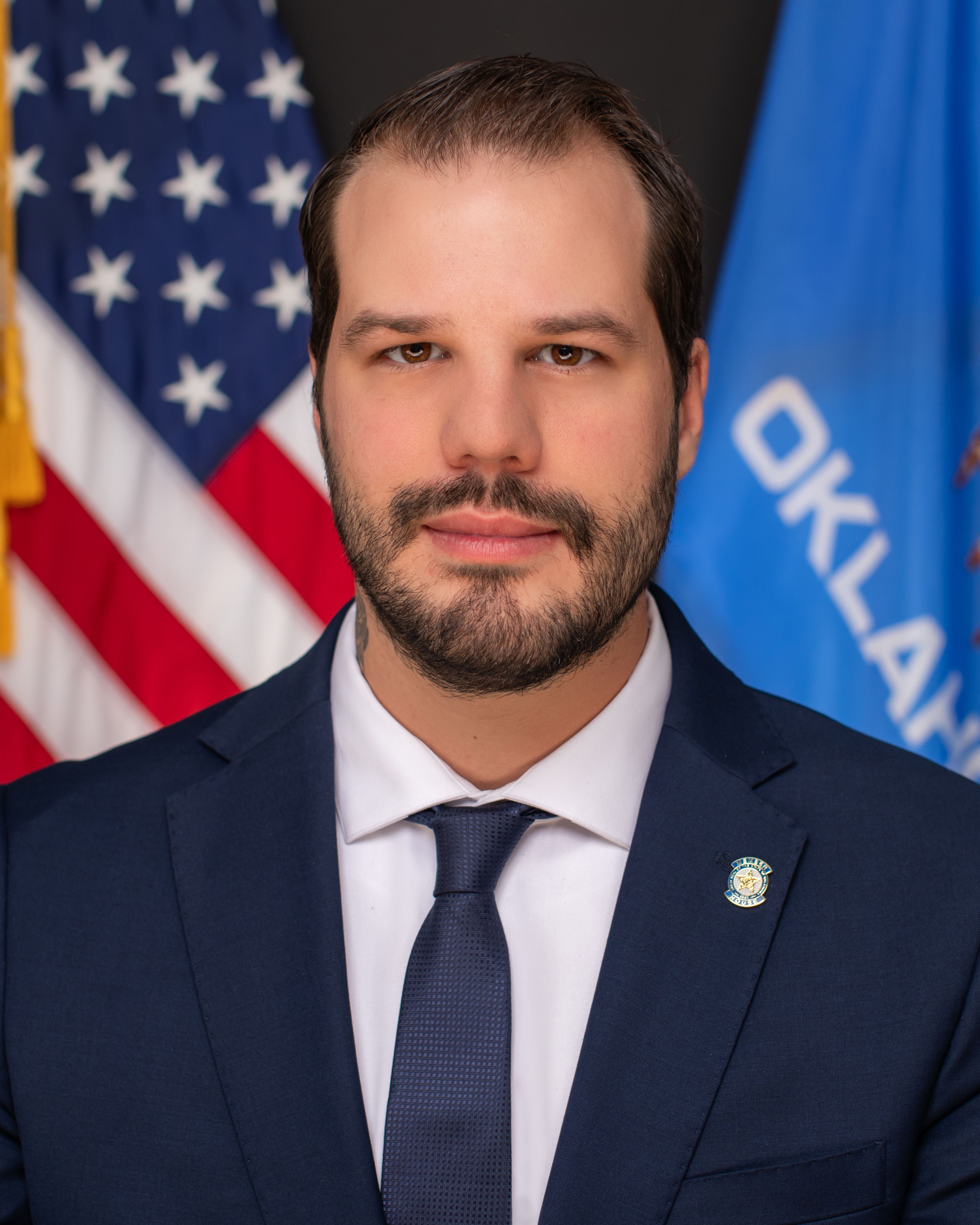
Aaron Reinhardt
100% support rate
Top opponent
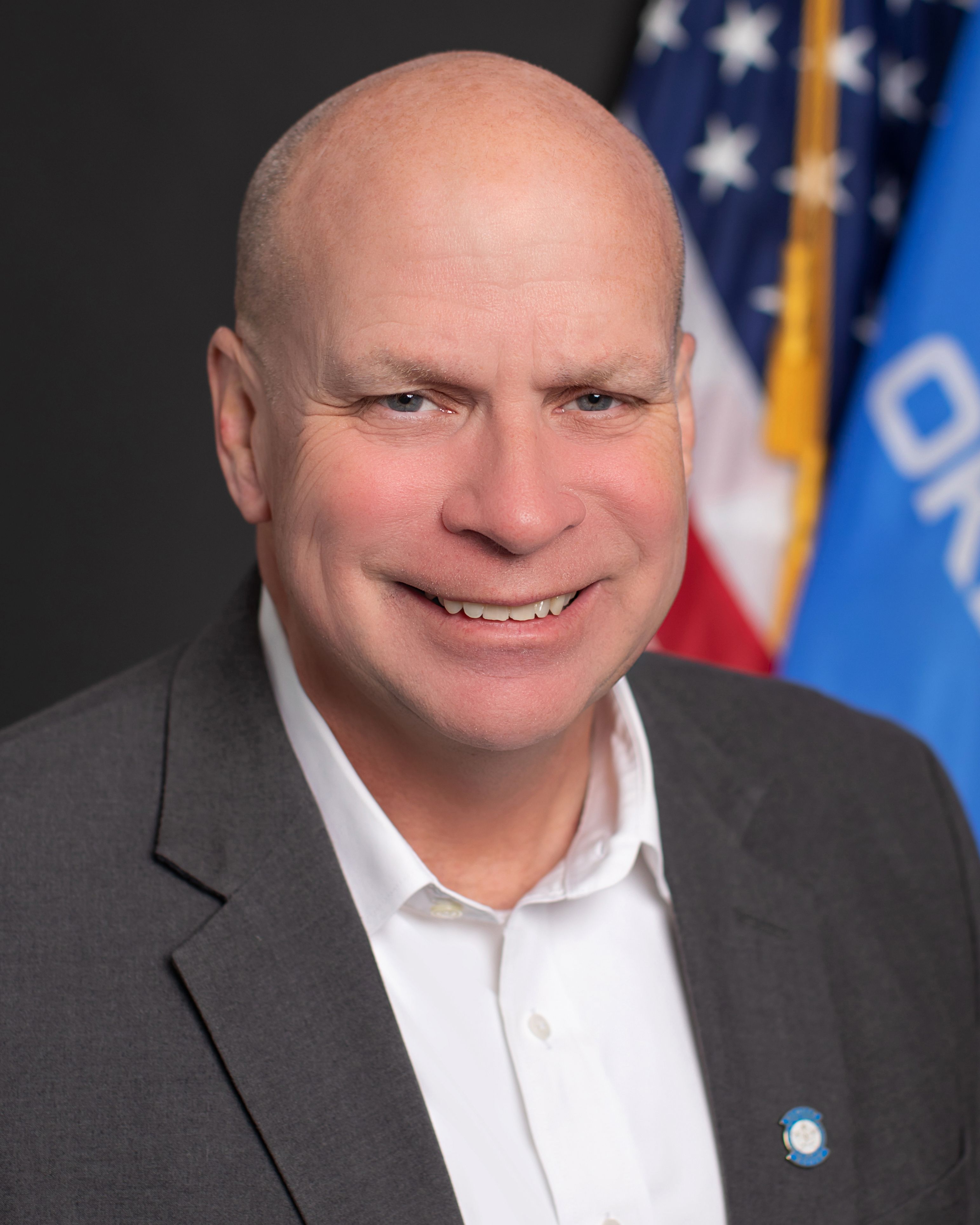
Tom Gann
0% support rate
Ranked legislators
10
5 support · 5 oppose
Key legislators

Who's moving primary care in Oklahoma

Legislators moving primary care in Oklahoma
Legislator Party Stance Support rate Votes
Aaron Reinhardt
Aaron Reinhardt Senate · District 37
R
Strong +
100% 5
Anthony Moore
Anthony Moore House · District 57
R
Strong +
100% 5
Brian Hill
Brian Hill House · District 47
R
Strong +
100% 5
Cindy Roe
Cindy Roe House · District 42
R
Strong +
100% 5
Danny Sterling
Danny Sterling House · District 27
R
Strong +
100% 5
Tom Gann
Tom Gann House · District 8
R
Strong −
0% 5
Gabe Woolley
Gabe Woolley House · District 98
R
Strong −
0% 4
Jim Olsen
Jim Olsen House · District 2
R
Strong −
0% 4
Jim Shaw
Jim Shaw House · District 32
R
Strong −
0% 4
Lisa Standridge
Lisa Standridge Senate · District 15
R
Strong −
0% 4
Showing 1–10 of 13 bills

All healthcare bills

in committee · Oklahoma · Senate Feb 5, 2026

SB 1663: Health benefit plan; requiring certain health benefit plan to provide coverage for certain cooling system; exempting coverage from certain limits. Emergency.

SB 1663 requires all health insurance plans in Oklahoma to cover specific cooling systems (like scalp or hand cooling devices) used during chemotherapy to prevent side effects such as hair loss or nerve issues. This directly affects chemotherapy patients who use these devices and insurers who must provide coverage without applying annual deductibles, co-pays, or coinsurance. The bill also ensures this coverage isn’t subject to standard plan limits and includes limited exceptions for health savings accounts related to preventive care. It aims to reduce out-of-pocket costs for a specific, medically necessary treatment. The bill is designated as an emergency, meaning it takes effect immediately upon approval.
Sub-Topics Insurance Primary Care
in committee · Oklahoma · Senate Feb 3, 2026

SB 1549: Civil liability; making vaccine manufacturer liable under certain conditions; directing certain relief. Effective date.

SB 1549 makes Oklahoma vaccine manufacturers liable to individuals if their advertised vaccine causes harm. It defines "advertise" broadly to include paid promotions (like ads, influencer deals, or digital campaigns) but excludes standard doctor-patient discussions or clinic materials. Individuals harmed by advertised vaccines can sue within 3 years of injury and recover actual damages, court costs, and attorney fees. The law directly affects vaccine manufacturers promoting products in Oklahoma and individuals injured by those promoted vaccines.
Sub-Topics Primary Care
in committee · Oklahoma · House Feb 3, 2026

HB 3489: Mental health crisis; Oklahoma Health Crisis Communication and Patient Rights Act; terms; intake procedures; temporary decision support; capacity and consent; transfer notification; continuity of care; coordination with primary care providers; reports; Legislature; patient rights; effective date.

HB 3489, the "Oklahoma Health Crisis Communication and Patient Rights Act," creates new rules for mental health crisis care in Oklahoma. It requires mental health facilities to ask patients to identify who can receive care updates (approved contacts), establish a temporary process for family or representatives to assist when patients lack decision-making capacity, and prevent facilities from asking impaired patients to sign legal documents. The law mandates facilities to coordinate care with primary doctors, notify approved contacts before transfers, document all decisions, and comply with privacy laws like HIPAA. It applies to all Oklahoma mental health facilities and takes effect November 1, 2026.
passed · Oklahoma · House Apr 23, 2026

HB 3645: Hospice care; requirements; allowing for hospice determination by physicians in certain situations; effective date.

HB 3645 amends Oklahoma's hospice care requirements to expand eligibility determination options when patients lack legal representatives. It allows hospice admission decisions by a licensed long-term care administrator (with 6 months oversight and two physician approvals), two physicians reviewing medical history, or a primary care physician managing care for six months. The bill maintains existing standards like 24/7 care, bereavement programs, and prohibitions on improper patient solicitation. It directly affects hospice providers and patients without appointed guardians, ensuring timely access to hospice services under defined criteria.
in committee · Oklahoma · House Feb 3, 2026

HB 3361: Medicaid reimbursements; minimum rates of reimbursements; discretionary; effective date.

HB 3361 sets minimum reimbursement rates for Medicaid providers in Oklahoma through July 2027. It requires contracted entities to pay participating providers 100% of the standard fee schedule rate and non-participating providers 90% of the 2021 rate. The bill mandates value-based payment plans for providers tied to quality metrics, while ensuring specific protections for pharmacies, rural health clinics, behavioral health clinics, and emergency medical services. It also requires contracted entities to spend at least 11% of healthcare expenses on primary care and updates capitation rates annually based on federal standards. The bill takes effect November 1, 2026.
in committee · Oklahoma · Senate Feb 3, 2026

SB 1559: Medicaid; requiring establishment of direct primary care pilot program. Effective date.

SB 1559 requires Oklahoma's Medicaid program to test a direct primary care model through a 36-month pilot program serving up to 1,000 Medicaid beneficiaries. It mandates the Oklahoma Health Care Authority to contract directly with qualified providers using monthly payments per patient (not traditional capitated contracts) and establish quality benchmarks aligned with federal rules. The program requires annual reports tracking access, patient satisfaction, clinical outcomes, and costs, with recommendations for future Medicaid policy. This pilot aims to evaluate how direct primary care - where patients pay a flat fee for services - could improve care within Medicaid, without changing existing Medicaid coverage.
Sub-Topics Medicaid Primary Care
in committee · Oklahoma · House Feb 3, 2026

HB 3362: Rural health; Health Care Workforce Training Commission; utilize excess funding; effective date.

HB 3362 amends Oklahoma law to allow the Health Care Workforce Training Commission to use excess funds from the Oklahoma Medical Loan Repayment Program for primary care residency programs in rural and underserved areas. Specifically, it authorizes payments to hospitals or teaching centers to either start new residency programs (covering resident salaries, benefits, and training costs) or expand existing programs. This funding mechanism directly affects rural healthcare facilities seeking to grow their physician training capacity. The bill takes effect November 1, 2026, and does not create new funding but redirects existing excess resources.
Sub-Topics Primary Care
signed · Oklahoma · House May 6, 2026

HB 3934: Professions and occupations; practice of dentistry; definitions; committees; practice; licensing; effective date; emergency.

HB 3934 creates two new "extended care permits" for dental hygienists in Oklahoma to expand access to preventive dental care for underserved populations. Permit I allows hygienists to provide services in schools, foster care, youth programs, and clinics for children (birth to grade 12) with specific experience requirements (1,200 hours or teaching). Permit II allows similar services for seniors (65+) and people with developmental disabilities in residential facilities, requiring 1,600 hours and special training. Both permits require supervision by a licensed dentist, restrict services to preventive care (like cleanings and fluoride), and mandate reporting to the supervising dentist. The bill directly affects dental hygienists seeking expanded practice and the vulnerable groups they serve in community settings.
Sub-Topics Primary Care
signed · Oklahoma · House May 12, 2026

HB 3650: Medicaid; extending certain termination dates; establishing certain reimbursement rates for multistate contracts; effective date.

HB 3650 sets minimum reimbursement rates for healthcare providers treating Oklahoma Medicaid enrollees, requiring contracted entities to pay in-network providers 100% and out-of-network providers 90% of the 2021 fee schedule rates until 2035. It mandates value-based payment arrangements for providers (with quality-based incentives), requires 11% of contracted entities' healthcare spending to go toward primary care, and includes specific payment rules for rural health clinics, behavioral health centers, pharmacies, and ambulance services. The bill also establishes annual capitation rate updates and medical loss ratio penalties for non-compliant entities. It becomes effective November 1, 2026.
in committee · Oklahoma · House Feb 25, 2026

HB 4453: Health insurance; Oklahoma Health Care Cost Transparency Board; All Payer Claims Database; Oklahoma Insurance Department; annual primary care spending; report; effective date.

HB 4453 creates the Oklahoma Health Care Cost Transparency Board to oversee a statewide health care data database (APCD) and measure spending trends. It requires commercial health insurers to report primary care spending data annually and meet a minimum 11% spending target on primary care by 2030, using a standardized methodology from the Oklahoma Health Care Authority. The bill mandates the Insurance Department to collect and analyze cost data from insurers, Medicaid, and Medicare, then publish annual transparency reports. Insurers failing to meet benchmarks face potential penalties up to $5,000 per day for noncompliance. This directly affects commercial health insurers operating in Oklahoma.
Showing 1 to 10 of 13 bills
1 2 Next