Issue · Healthcare

Healthcare (Prescription Drugs)

Every healthcare bill, vote, and legislator stance in Oklahoma, automatically classified by Maddy, our AI policy reader.

Total bills
42
2026 Regular Session
Top supporter
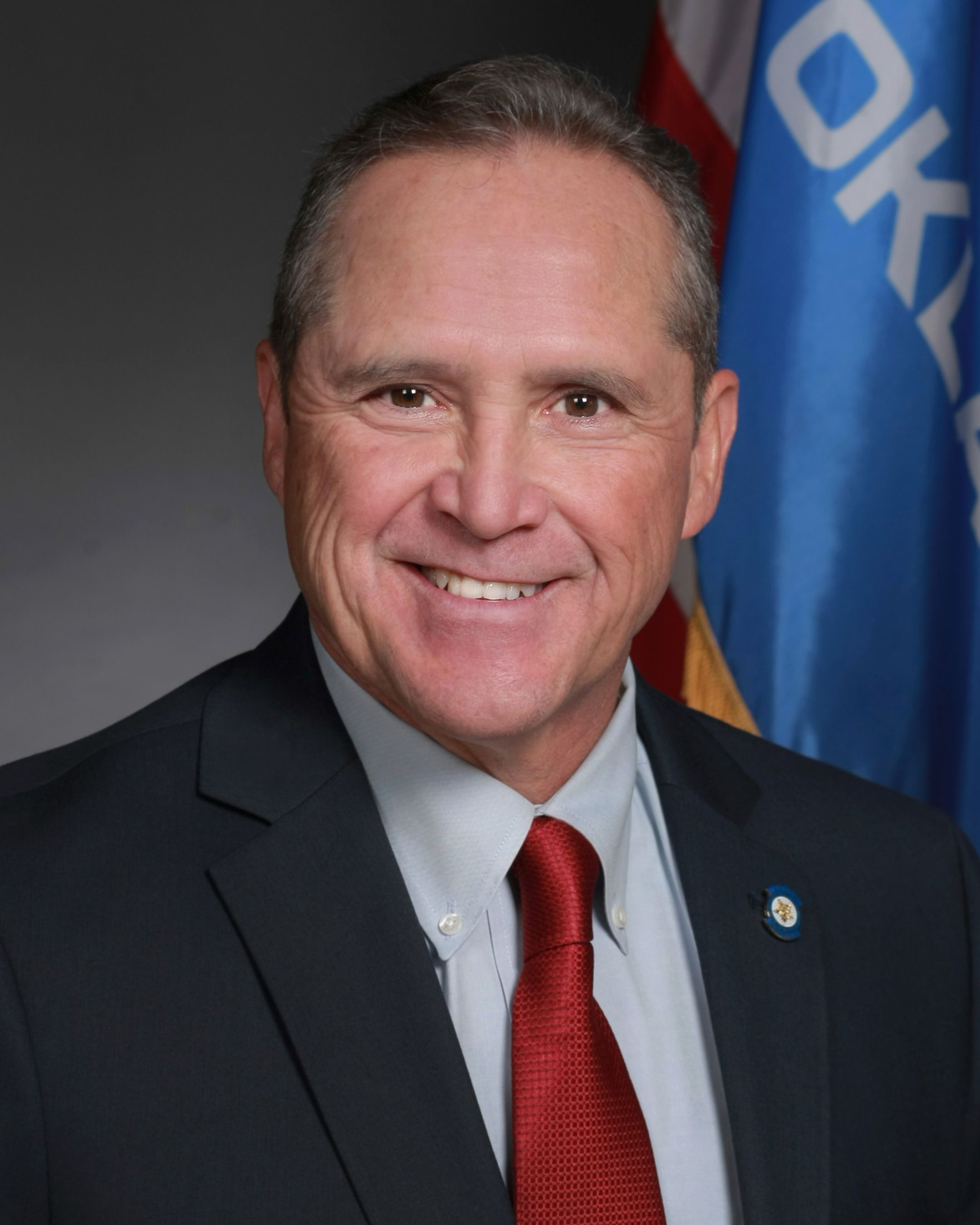
Carl Newton
100% support rate
Top opponent
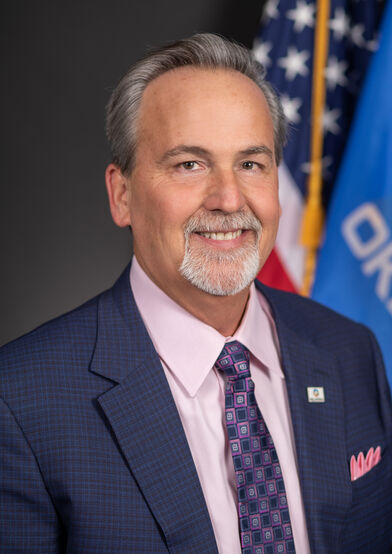
Kendal Sacchieri
0% support rate
Ranked legislators
10
5 support · 5 oppose
Key legislators

Who's moving prescription drugs in Oklahoma

Legislators moving prescription drugs in Oklahoma
Legislator Party Stance Support rate Votes
Carl Newton
Carl Newton House · District 58
R
Strong +
100% 19
Danny Sterling
Danny Sterling House · District 27
R
Strong +
100% 17
Aaron Reinhardt
Aaron Reinhardt Senate · District 37
R
Strong +
100% 16
Bill Coleman
Bill Coleman Senate · District 10
R
Strong +
100% 16
John Haste
John Haste Senate · District 36
R
Strong +
100% 15
Kendal Sacchieri
Kendal Sacchieri Senate · District 43
R
Strong −
0% 9
Julie McIntosh
Julie McIntosh Senate · District 3
R
Strong −
7% 15
Gabe Woolley
Gabe Woolley House · District 98
R
Strong −
7% 14
Molly Jenkins
Molly Jenkins House · District 33
R
Strong −
7% 14
David Bullard
David Bullard Senate · District 6
R
Strong −
11% 9
Showing 1–10 of 42 bills

All healthcare bills

in committee · Oklahoma · Senate Feb 4, 2025

SB 907: Practice of pharmacy; authorizing product fulfillment through central fill pharmacies under certain conditions; authorizing shared services. Effective date.

This Oklahoma bill authorizes pharmacies to partner with central fill pharmacies to fill prescriptions under specific conditions, allowing the central pharmacy to prepare the medication while the originating pharmacy handles patient delivery. The law requires these partner pharmacies to share technology for prescription data, maintain written agreements outlining responsibilities, and ensure patient confidentiality and drug integrity during shipping. Patients must be notified that their prescription may be filled by another pharmacy, and the central fill pharmacy must label prescriptions to identify both the filling and originating pharmacies. The bill also establishes requirements for policy manuals, record-keeping, and shared services qualifications for participating pharmacies.
Sub-Topics Prescription Drugs
signed · Oklahoma · Senate May 15, 2025

SB 906: Practice of pharmacy; establishing certain pharmacy staffing ratio. Effective date.

This Oklahoma bill establishes a maximum staffing ratio requiring retail pharmacies to maintain no more than five pharmacy technicians for every one licensed pharmacist. It also updates regulations for pharmacy technicians by mandating permits, setting a renewal fee of up to $75 annually, and outlining procedures for late renewals and permit reinstatement. The law applies to all licensed retail pharmacies in Oklahoma and takes effect on November 1, 2025.
Sub-Topics Prescription Drugs
signed · Oklahoma · House May 13, 2026

HB 4431: Professions and occupations; Pharmacy Act; references; prescribing authority for certain persons; repealers; effective date.

HB 4431 requires Advanced Practice Registered Nurses (APRNs) in Oklahoma, or their employers, to carry malpractice insurance covering $1 million per incident and $3 million annually. This applies to APRNs practicing outside federal or state employment where coverage is already provided under federal insurance or Oklahoma's Governmental Tort Claims Act. The law exempts APRNs working for federal agencies (covered by federal insurance) or state agencies (covered under Tort Claims Act) during their official duties. It takes effect November 1, 2026, directly affecting APRNs who provide care outside these exempted employment settings.
Sub-Topics Prescription Drugs
in committee · Oklahoma · Senate Feb 3, 2026

SB 1658: Health care; creating the Informed Consent and Medical Transparency Act; imposing certain duties on drug manufacturers, hospitals, and health care providers. Effective date.

SB 1658, the Informed Consent and Medical Transparency Act, requires drug manufacturers to create plain-language summaries of serious side effects for all drugs distributed in Oklahoma and provide these summaries to the State Board of Pharmacy, hospitals, and healthcare providers. Hospitals and providers must give patients these summaries before prescribing or administering drugs, document adverse events in medical records, and report them to the State Board within 10 business days. The bill also establishes civil liability for negligence in compliance, allowing patients to sue for damages and requiring discovery to prioritize transparency. It becomes effective November 1, 2026, and explicitly states it does not override federal drug approval requirements.
Sub-Topics Prescription Drugs
signed · Oklahoma · Senate May 6, 2026

SB 1447: Oklahoma Employees Insurance Plan; prohibiting certain contracts from being awarded; requiring certain scoring; requiring certain certifications. Effective date.

SB 1447 prohibits the Oklahoma Employees Insurance Plan from awarding contracts to pharmacy benefits managers (PBMs) that have settled lawsuits, been fined, or faced judgments exceeding $4 million in the past five years. The bill requires that state contract evaluations must favor PBMs headquartered in Oklahoma for at least one year and disfavor PBMs with corporate ties to health insurers, retail pharmacies, specialty pharmacies, mail-order pharmacies, or drug manufacturers. Contracted PBMs must also certify compliance with Oklahoma’s health information laws and maintain SOC 2 Type 2 security certification. The law takes effect November 1, 2026.
Sub-Topics Prescription Drugs
in committee · Oklahoma · Senate Feb 3, 2026

SB 2023: Practice of pharmacy; requiring licensure of certain out-of-state pharmacies; requiring certain inspections; providing administrative remedies and penalties. Effective date.

SB 2023 requires out-of-state pharmacies that ship drugs into Oklahoma to obtain a license from the Oklahoma State Board of Pharmacy and comply with Oklahoma's pharmacy laws, including storage and staffing rules. It mandates initial and annual on-site inspections by Oklahoma inspectors (not out-of-state agencies), with pharmacies covering inspection costs. Violations - like failing to follow storage guidelines or pharmacy ratios - can result in fines up to $50,000 per violation or permanent license revocation if not corrected within 90 days. The bill directly affects pharmacies operating across state lines, ensuring they meet Oklahoma's safety and quality standards for drug distribution.
in committee · Oklahoma · House Feb 3, 2026

HB 3368: Compound prescription drug coverage; health insurance plan providing prescription drug coverage; effective date.

HB 3368 requires health insurance plans covering prescription drugs to allow pharmacies (including those providing compound drugs) to bid for pharmacy service contracts at least every three years. It applies specifically to plans not already using an open pharmacy network, meaning insurers must periodically seek bids from pharmacies rather than maintaining fixed contracts. The bill does not affect plans that already operate open networks, and it takes effect on November 1, 2026. This changes how insurers select pharmacy partners for covered drug services.
vetoed · Oklahoma · Senate May 6, 2026

SB 1500: Pharmacy benefit managers; prohibiting certain payment from conditioned on certain provisions; prohibiting certain provider from bearing risks; requiring certain payments; establishing accounting requirements; authorizing Attorney General to levy fines. Effective date.

SB 1500 requires pharmacy benefits managers (PBMs) and other payors to pay pharmacies within 30 days for "clean claims" (properly submitted claims without issues). It prohibits PBMs from conditioning payments on post-transaction reconciliations or shifting payment delays to pharmacies, and mandates transparent accounting for payments. The bill also authorizes Oklahoma’s Attorney General to impose fines for violations and voids contracts that violate these rules. These changes directly affect pharmacies (as providers) and PBMs/insurers (as payors) by standardizing payment timelines and reducing financial risk for pharmacies.
Sub-Topics Prescription Drugs
in committee · Oklahoma · Senate Feb 3, 2026

SB 1907: Practice of pharmacy; authorizing dispensing of ivermectin without a prescription; providing criminal, civil, and professional immunities. Effective date.

SB 1907 allows pharmacists in Oklahoma to dispense ivermectin to patients without a prescription, provided they follow written protocols established by the State Board of Pharmacy. The bill grants pharmacists immunity from criminal, civil, or professional disciplinary action when dispensing ivermectin in good faith under these protocols. It also authorizes the State Board of Pharmacy to create necessary rules for implementation. The law takes effect on November 1, 2026, directly affecting pharmacists and patients seeking ivermectin without a physician's prescription.
Sub-Topics Prescription Drugs
vetoed · Oklahoma · Senate Apr 22, 2026

SB 2074: Pharmacy benefit managers; prohibiting PBM from refusing to accept documentation; requiring information to be included in appeal. Effective date.

SB 2074 requires pharmacy benefit managers (PBMs) to accept all documentation from pharmacies when challenging reimbursement amounts and include specific details in appeal requests. If an appeal is approved, PBMs must adjust payments within 14 days and provide claim-level details. The bill applies to all PBMs working with Oklahoma pharmacies and covers disputes over reimbursement rates for prescription drugs. It aims to streamline the appeals process and prevent delays in payments to pharmacies.
Sub-Topics Prescription Drugs
Showing 1 to 10 of 42 bills
1 2 3 5 Next