Issue · Criminal Justice

Criminal Justice

Every criminal justice bill, vote, and legislator stance in Oklahoma, automatically classified by Maddy, our AI policy reader.

Total bills
448
2026 Regular Session
Top supporter
Aletia Timmons
76% support rate
Top opponent
Brian Guthrie
24% support rate
Ranked legislators
10
5 support · 5 oppose
Key legislators

Who's moving criminal justice in Oklahoma

Legislators moving criminal justice in Oklahoma
Legislator Party Stance Support rate Votes
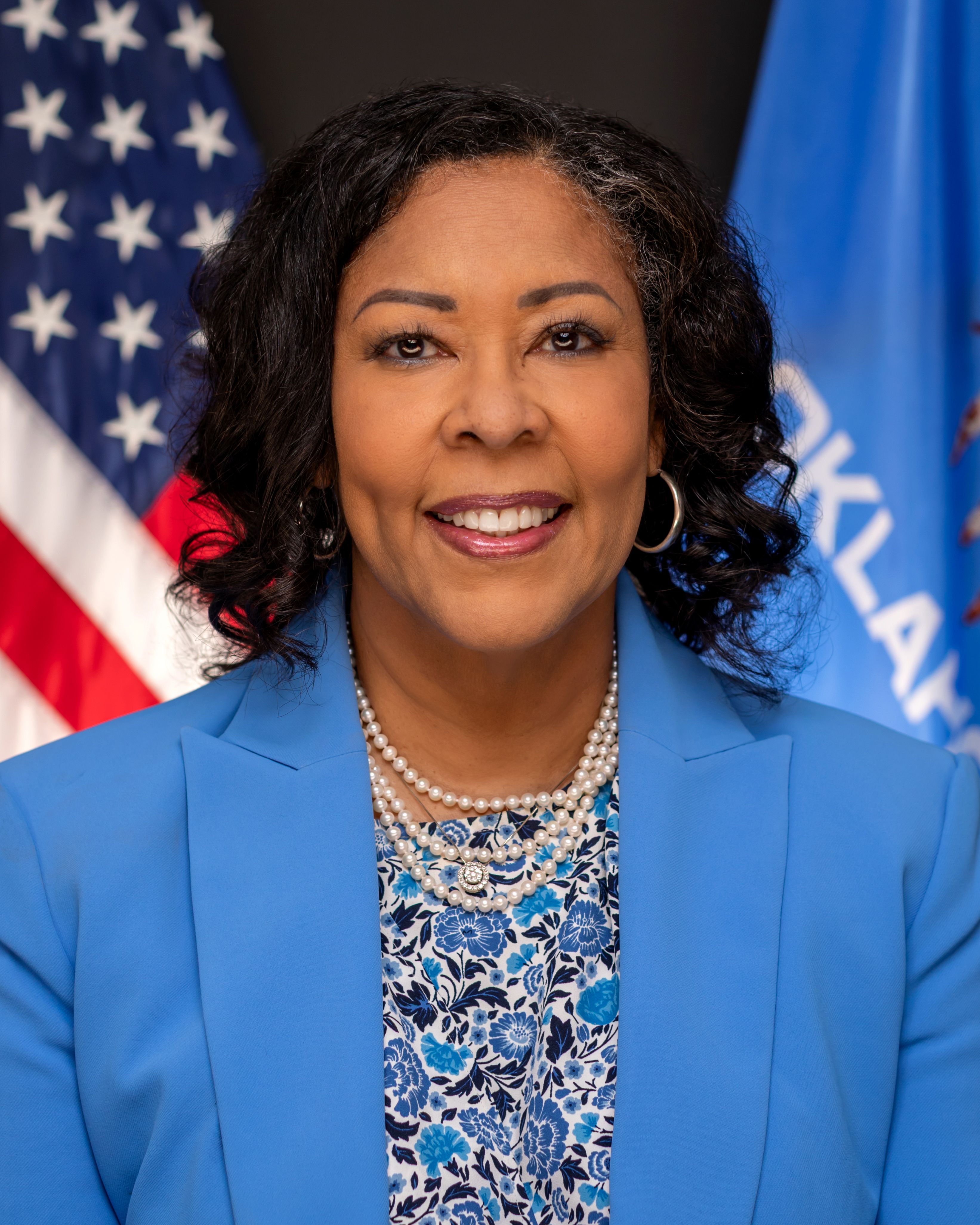
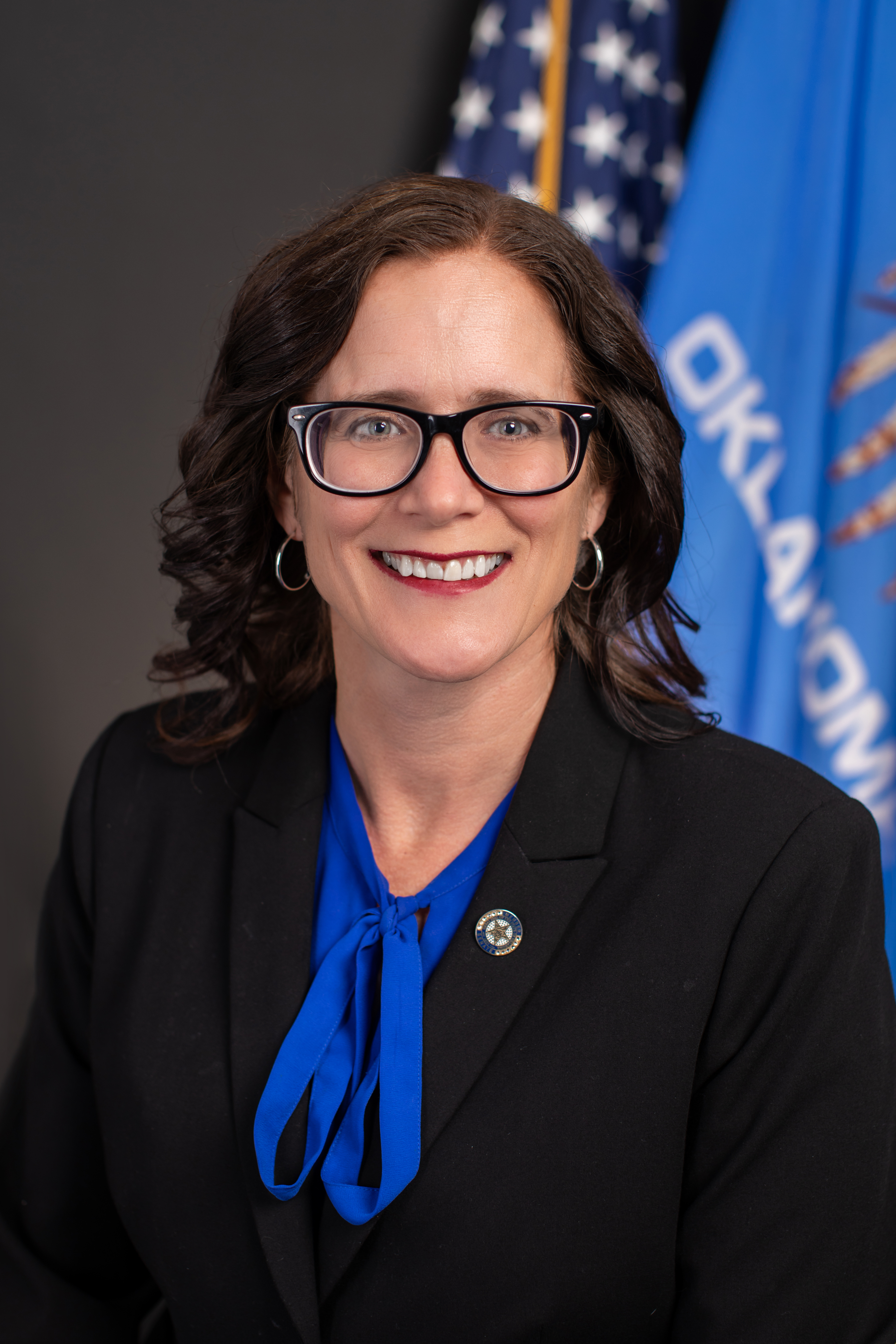
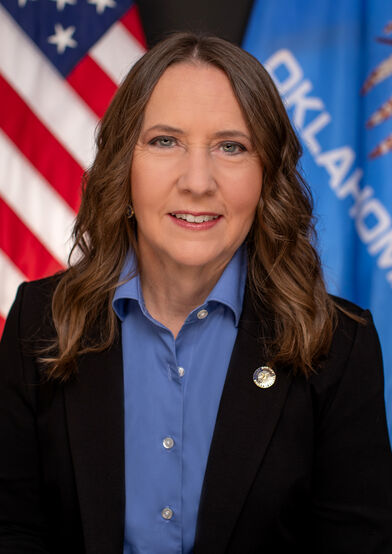
Aletia Timmons
Aletia Timmons House · District 97
D
Support
76% 91
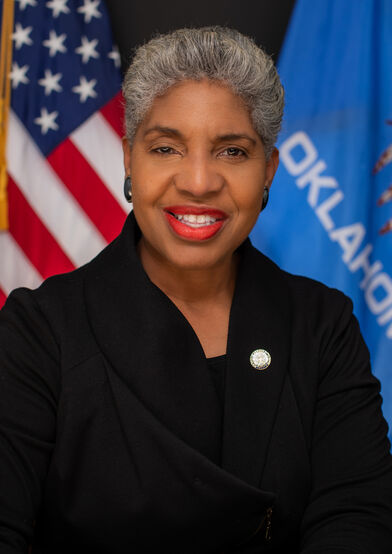
Regina Goodwin
Regina Goodwin Senate · District 11
D
Support
73% 225
Michael Brooks
Michael Brooks Senate · District 44
D
Support
72% 274
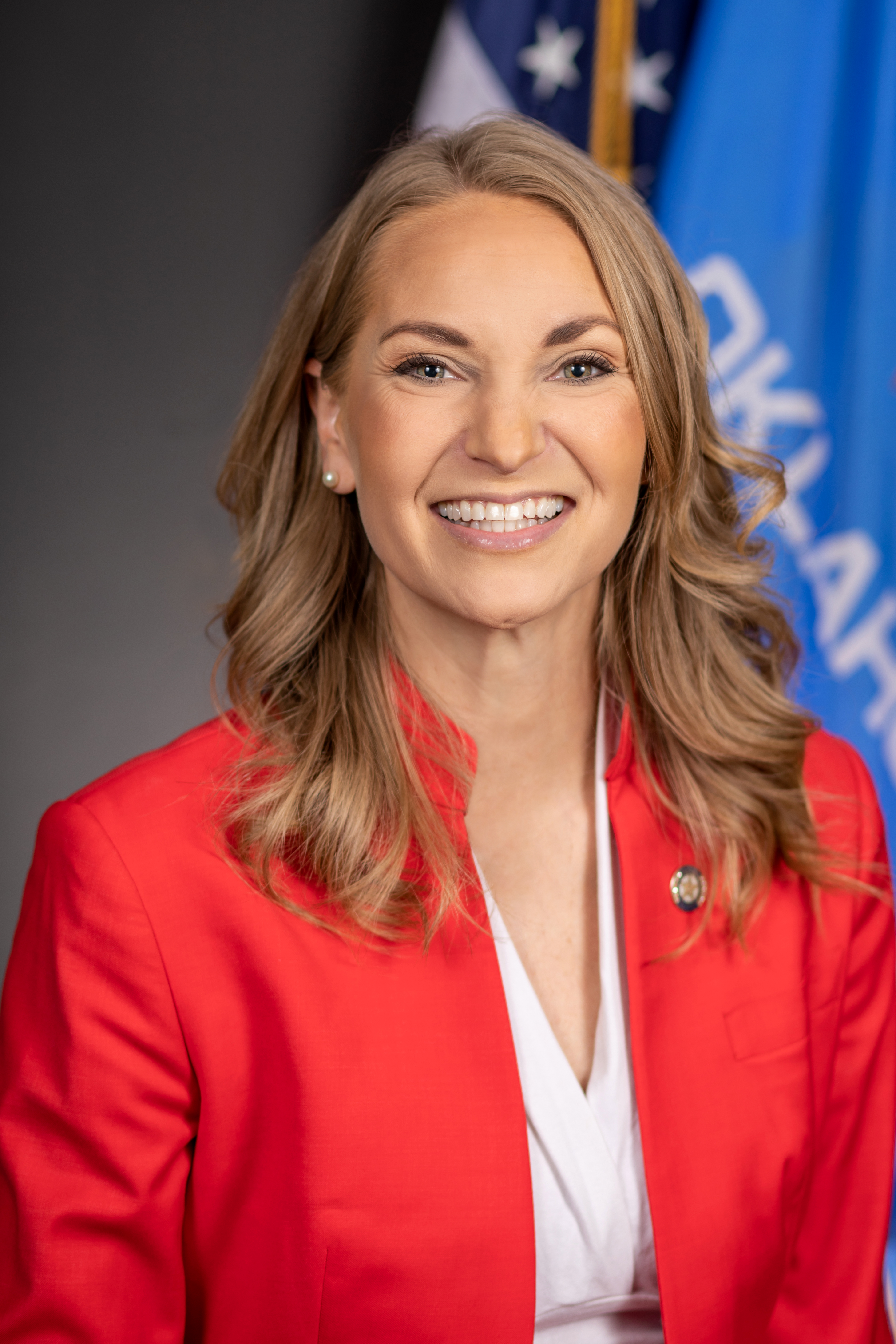
Carri Hicks
Carri Hicks Senate · District 40
D
Support
71% 184
Julia Kirt
Julia Kirt Senate · District 30
D
Support
70% 174
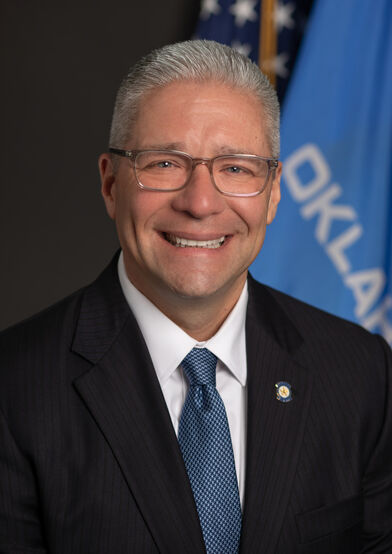
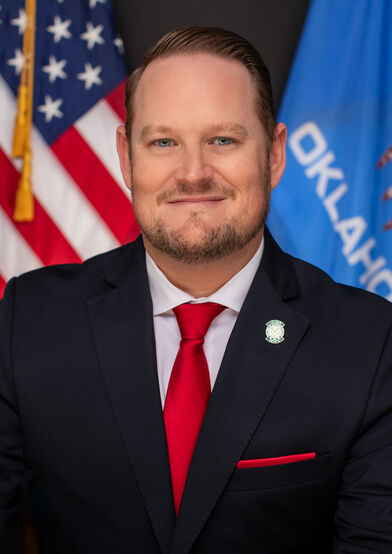
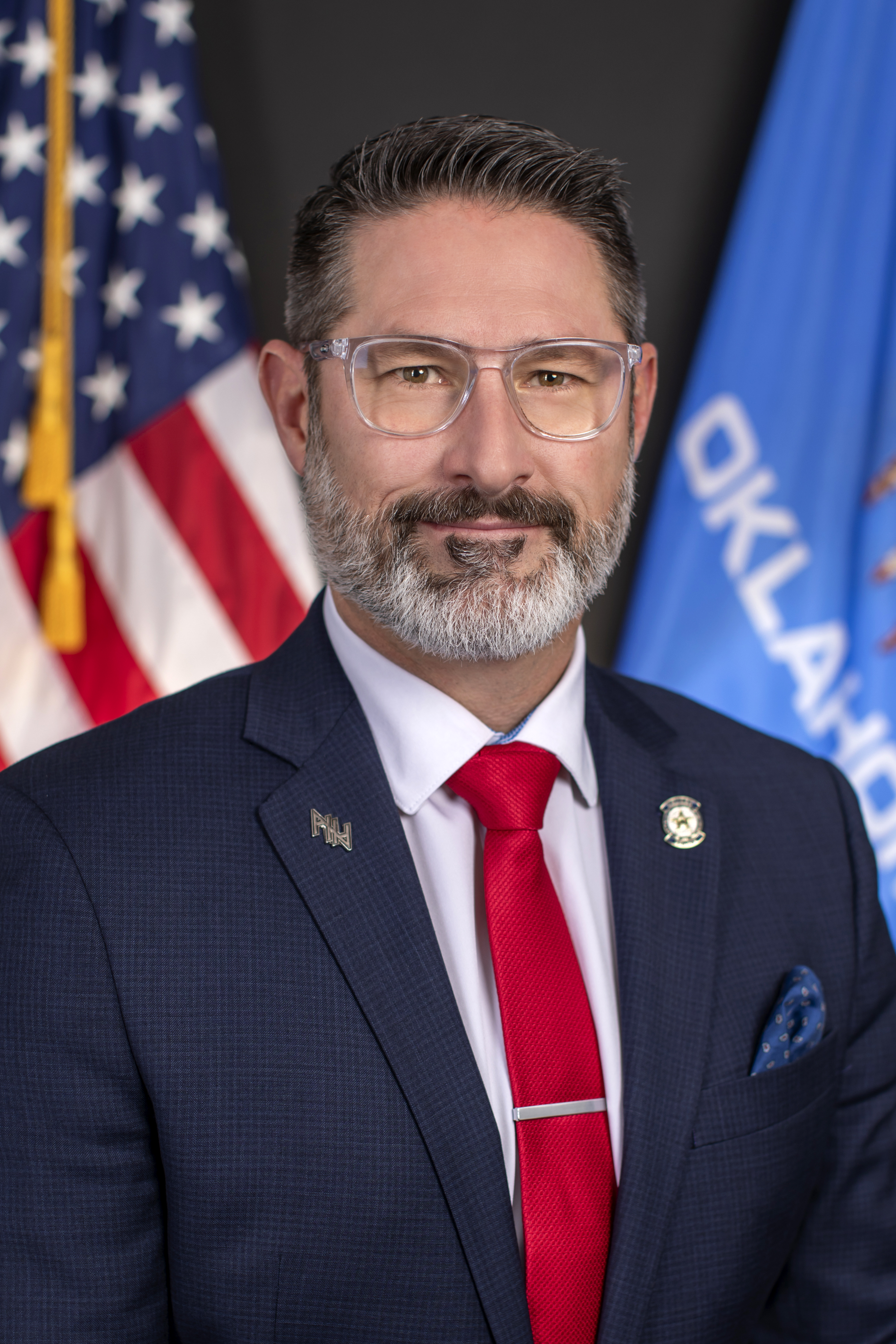
Brian Guthrie
Brian Guthrie Senate · District 25
R
Oppose
24% 158
Lisa Standridge
Lisa Standridge Senate · District 15
R
Oppose
26% 220
Jay Steagall
Jay Steagall House · District 43
R
Oppose
27% 149
Julie McIntosh
Julie McIntosh Senate · District 3
R
Oppose
28% 164
Dusty Deevers
Dusty Deevers Senate · District 32
R
Oppose
28% 156
Showing 421–430 of 448 bills

All criminal justice bills

signed · Oklahoma · House May 12, 2025

HB 1595: Crimes and punishments; assault and battery offenses; increasing penalties; effective date.

HB 1595 increases penalties for assault and battery offenses in Oklahoma, with specific enhancements for domestic violence cases. It raises jail terms for basic assault (to 90 days) and assault/battery (to 6 months), while creating felony charges for domestic abuse involving weapons (up to life imprisonment for deadly weapons) or against pregnant women (up to 20 years for injury to the fetus). The bill mandates 52-week certified batterers' intervention programs for domestic violence offenders convicted under these provisions, with strict attendance requirements, and requires courts to order counseling as a condition of probation. This directly affects individuals convicted of domestic violence against intimate partners or family members, as defined by Oklahoma law, and expands sentencing options for prosecutors. The law became effective May 12, 2025, after being signed without the Governor's signature.
in committee · Oklahoma · Senate Feb 4, 2025

SB 811: Criminal procedure; requiring implementation of certain competency restoration pilot program. Effective date. Emergency.

SB 811 requires Oklahoma's Department of Mental Health and Substance Abuse Services to implement a community-based competency restoration pilot program for defendants found incompetent to stand trial but capable of regaining competence with treatment. The bill directly affects individuals in the criminal justice system who are deemed incompetent due to mental health needs but not intellectually disabled or dangerous. Key provisions mandate the department to provide treatment in community settings (instead of solely in forensic facilities), make regular court reports on defendants' progress, and establish clear pathways for resuming trials or transitioning to civil commitment if competence isn't restored. The pilot program specifically aligns with a court-ordered consent decree from the Briggs v. Friesen case. The bill takes effect July 1, 2025.
in committee · Oklahoma · House Feb 4, 2025

HB 1164: Children; Protect Families from Government Overreach Act; purpose; Department of Human Services; custody; records; exception; emergency motion; imminent threat; report; Oklahoma Commission for Human Services; noncompliance; civil remedies; criminal penalties; agencies; audits; court; reassessment; codification; effective date.

HB 1164 requires Oklahoma's Department of Human Services (DHS) to return children to parents or guardians within 72 hours if criminal charges against them are dismissed, dropped, or result in a not-guilty verdict. It also mandates DHS to delete all related case records within 72 hours and prohibits keeping records of dismissed cases. Exceptions allowing continued separation are only permitted if DHS files an emergency court motion with clear evidence of an "imminent threat" to the child, requiring a court order within 72 hours. Noncompliance by DHS may trigger civil lawsuits, criminal penalties for staff, or funding audits.
Sub-Topics Courts
in committee · Oklahoma · House Feb 4, 2025

HB 1706: Criminal procedure; creating the Pretrial Procedures Modernization Act of 2025; reducing time limitation for setting preliminary hearings; creating a statewide pretrial services program within each judicial district; codification; effective date.

HB 1706, the Pretrial Procedures Modernization Act of 2025, requires Oklahoma courts to hold pretrial release hearings within 48 hours of arrest (reducing the previous timeframe) and creates a statewide pretrial services program in each judicial district. It mandates courts to inform defendants of their rights, next court dates, and safety risks before release decisions, while requiring them to consider specific factors like crime severity and defendant history. The bill also requires courts to provide phone/text reminders for court appearances and allows electronic monitoring for certain release conditions. This directly affects defendants awaiting trial, courts, and pretrial services providers across Oklahoma.
Sub-Topics Courts
in committee · Oklahoma · House Feb 4, 2025

HB 1973: Criminal procedure; clarifying and including additional evidentiary disclosure requirements for prosecutors; effective date.

HB 1973 clarifies and expands Oklahoma prosecutors' requirements to disclose evidence to defense attorneys in criminal cases. It mandates that prosecutors share specific information including witness statements, lab results (like forensic test data), OSBI rap sheets for witnesses, and any evidence that could help the defense (such as information negating guilt or impeaching prosecution witnesses). The bill directly affects prosecutors, who must make a "diligent, good faith effort" to locate and disclose this material, and defense attorneys, who gain broader access to potentially exculpatory information. This aims to ensure fairer pretrial access to evidence without adding new penalties or altering trial procedures.
signed · Oklahoma · Senate May 14, 2025

SB 657: Justifiable homicide; authorizing appeal of certain ruling to Court of Criminal Appeals. Effective date.

SB 657 (Oklahoma Senate Bill 657) allows police officers and others acting under their command to appeal pretrial rulings finding their use of deadly force unjustified directly to the Oklahoma Court of Criminal Appeals within 10 days. The law requires the court to give these appeals priority and automatically stays the underlying case while the appeal is pending. Officers who miss the 10-day deadline forfeit the immediate appeal but retain the right to raise the issue at trial or on direct appeal. The bill amends Oklahoma Statute 21 O.S. 2021, Section 732, and takes effect November 1, 2025.
in committee · Oklahoma · Senate Feb 4, 2025

SB 492: Asset forfeiture; repealing provisions related to asset forfeiture. Effective date.

SB 492 repeals seven specific sections of Oklahoma’s asset forfeiture law (63 O.S. 2021 §§ 2-503 through 2-508), which governed property seizure, notice requirements, and disposal procedures. This bill removes existing rules that directly affected individuals whose property was seized by law enforcement under asset forfeiture. The repeal takes effect November 1, 2025, eliminating these specific legal provisions without creating new mechanisms. The bill focuses solely on repealing outdated statutes, with no new policy changes or direct impact on current forfeiture practices.
Sub-Topics Law Enforcement
passed · Oklahoma · Senate Mar 30, 2026

SB 445: Age of consent; increasing age of consent for sexual intercourse; modifying criteria for certain offense. Emergency.

SB 445 raises Oklahoma's age of consent for sexual intercourse in specific legal contexts. It increases the age threshold for certain rape charges from 16 to 18 years for victims in school settings, foster care, or under institutional supervision, and updates the age gap requirement for conviction when a victim is 14-18 years old (requiring the perpetrator to be at least 4 years older). The bill directly affects minors aged 14-18 and adults who engage in sexual activity with them, particularly within schools or foster care systems. It amends two key statutes (21 O.S. §1111 and §1112) to clarify when such acts constitute rape under Oklahoma law. The changes aim to strengthen protections for young people in vulnerable situations.
in committee · Oklahoma · House Feb 4, 2025

HB 1317: Criminal procedure; clarifying and including additional evidentiary disclosure requirements for prosecutors; effective date.

HB 1317 clarifies and expands Oklahoma prosecutors' requirements to disclose evidence to defense attorneys in criminal cases. It mandates that prosecutors share specific information including witness statements, law enforcement reports, forensic lab results (with privacy protections for SSN/address), and any evidence that could help the defense (e.g., evidence negating guilt or impeaching witnesses). The bill directly affects prosecutors, who must now make a "diligent, good faith effort" to locate and disclose all relevant evidence, including materials held by third-party labs. Key mechanisms include new categories for witness background checks (OSBI rap sheets) and explicit disclosure of all evidence relevant to defense strategies, regardless of whether it's recorded. This aims to improve transparency in criminal proceedings for defendants and their attorneys.
Sub-Topics Law Enforcement
signed · Oklahoma · Senate May 12, 2025

SB 630: Crimes and punishments; expanding scope of certain offense related to rape. Effective date.

SB 630 expands Oklahoma's legal definition of rape to include new scenarios involving vulnerable individuals. It specifically makes it rape when a person under 20 engages in sexual intercourse with a school employee (including contractors) while a student at an elementary, secondary, or vocational school. The bill also adds rape charges for sexual acts between a foster youth (19 or younger) and a foster parent or applicant, or between a victim in state custody and a foster parent or agency employee. These changes directly affect minors and individuals under legal custody or supervision who interact with authority figures in educational or care settings. The law becomes effective November 1, 2025.
Showing 421 to 430 of 448 bills
Previous 1 42 43 44 45 Next