Issue · Criminal Justice

Criminal Justice

Every criminal justice bill, vote, and legislator stance in Oklahoma, automatically classified by Maddy, our AI policy reader.

Total bills
448
2026 Regular Session
Top supporter
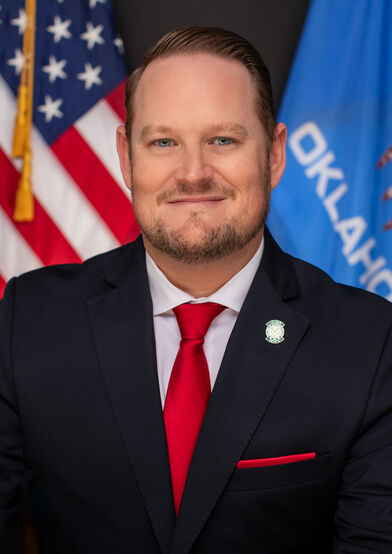
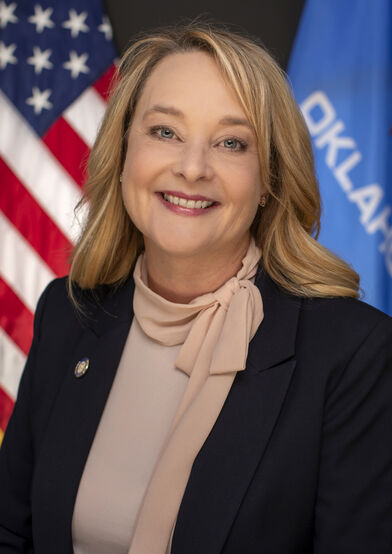
Aletia Timmons
76% support rate
Top opponent
Brian Guthrie
24% support rate
Ranked legislators
10
5 support · 5 oppose
Key legislators

Who's moving criminal justice in Oklahoma

Legislators moving criminal justice in Oklahoma
Legislator Party Stance Support rate Votes
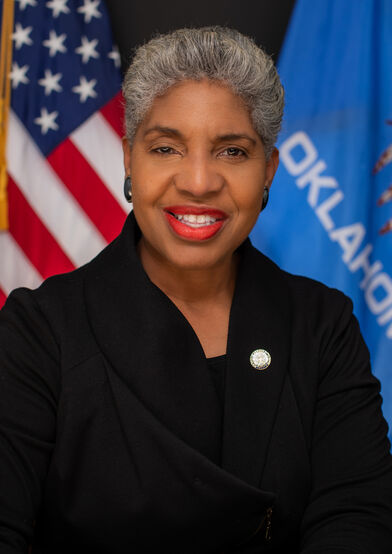
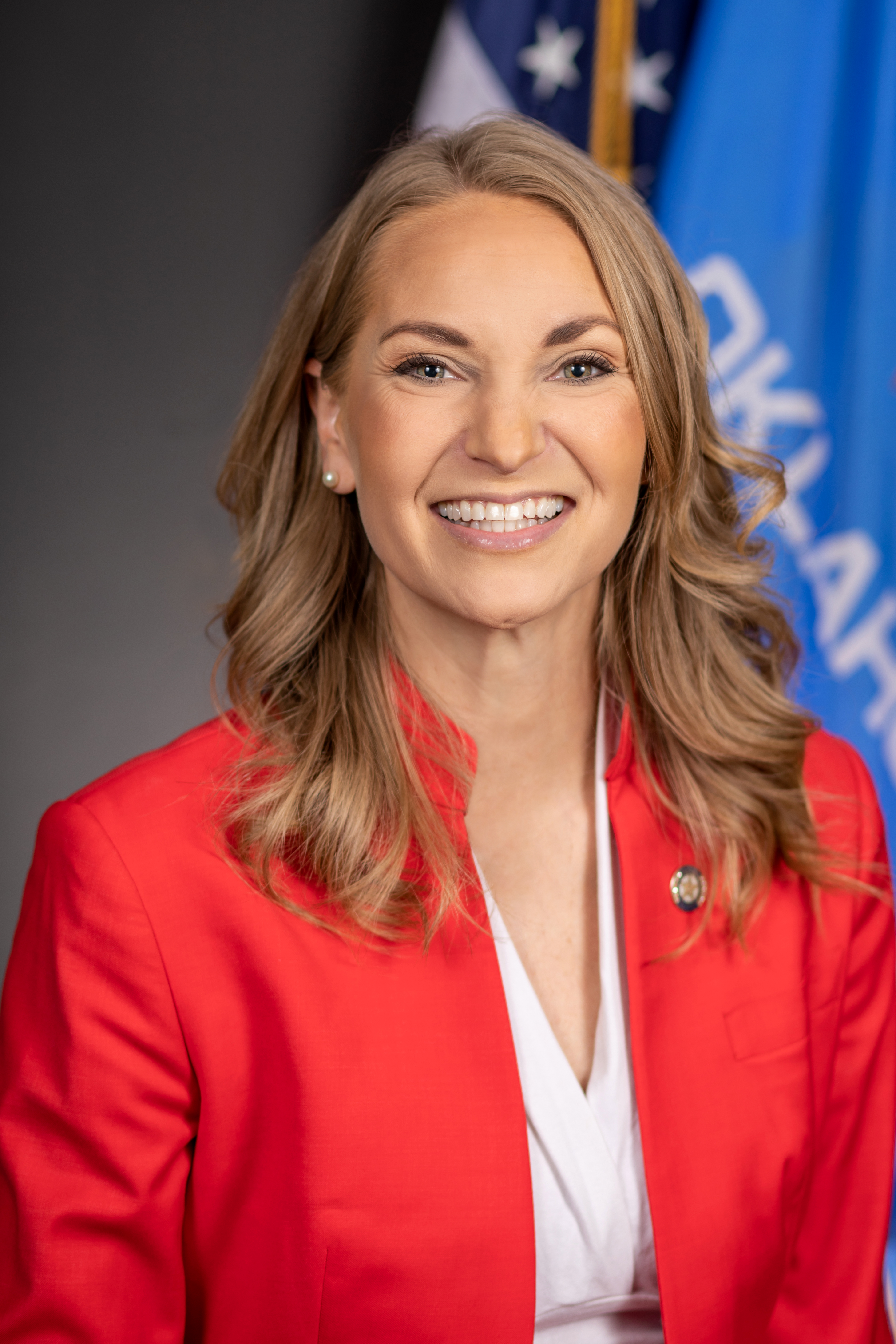
Aletia Timmons
Aletia Timmons House · District 97
D
Support
76% 91
Regina Goodwin
Regina Goodwin Senate · District 11
D
Support
73% 225
Michael Brooks
Michael Brooks Senate · District 44
D
Support
72% 274
Carri Hicks
Carri Hicks Senate · District 40
D
Support
71% 184
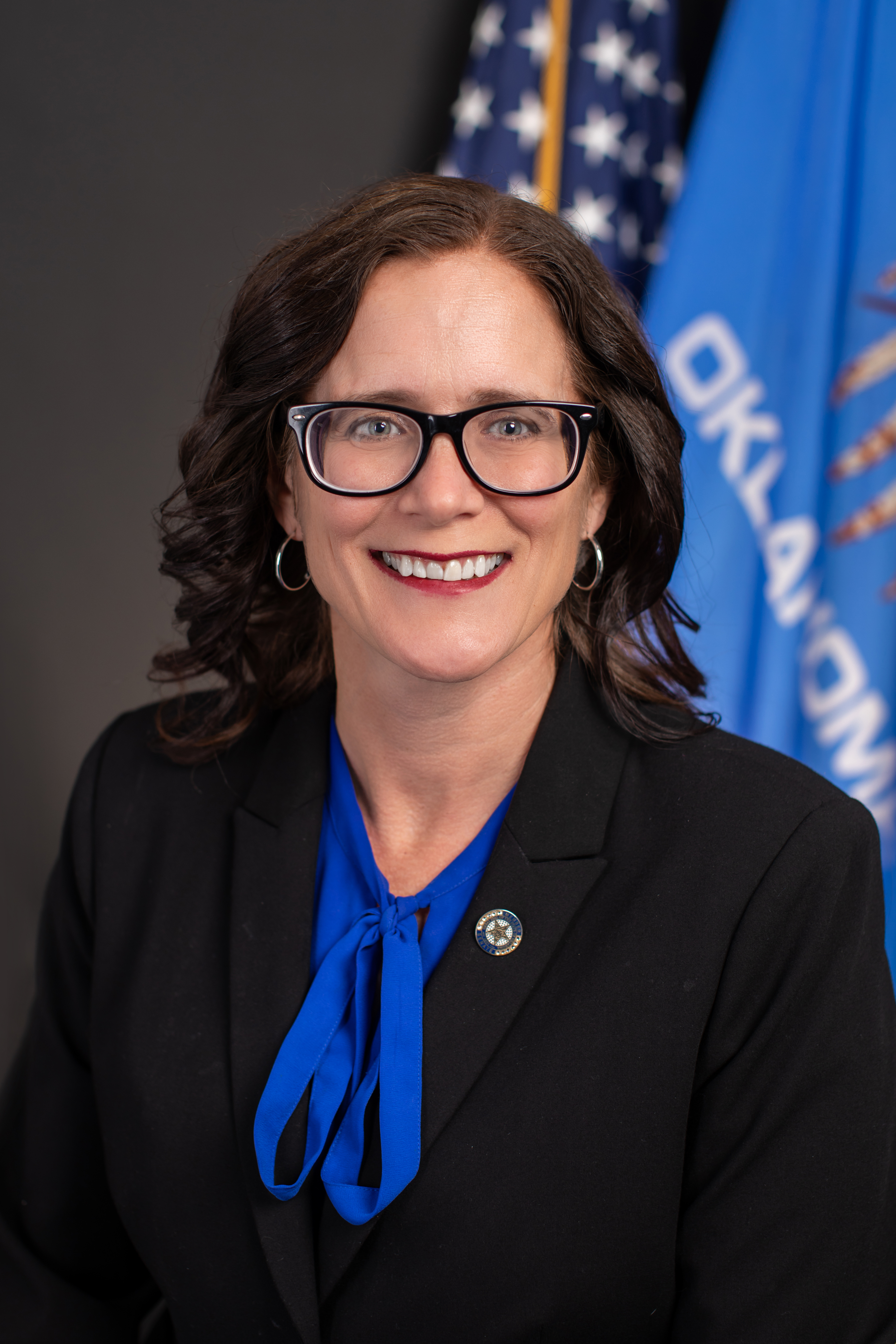
Julia Kirt
Julia Kirt Senate · District 30
D
Support
70% 174
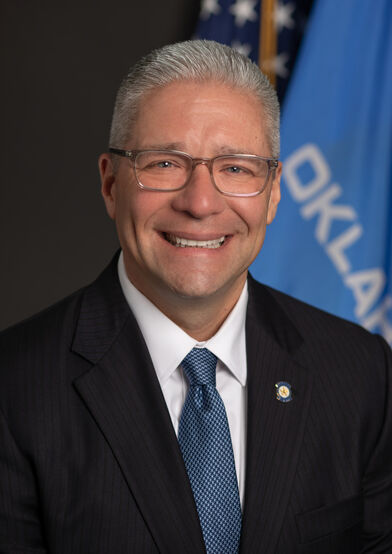
Brian Guthrie
Brian Guthrie Senate · District 25
R
Oppose
24% 158
Lisa Standridge
Lisa Standridge Senate · District 15
R
Oppose
26% 220
Jay Steagall
Jay Steagall House · District 43
R
Oppose
27% 149
Julie McIntosh
Julie McIntosh Senate · District 3
R
Oppose
28% 164
Dusty Deevers
Dusty Deevers Senate · District 32
R
Oppose
28% 156
Showing 411–420 of 448 bills

All criminal justice bills

in committee · Oklahoma · Senate Feb 4, 2025

SB 220: Driver licenses; requiring Service Oklahoma to enter into certain agreements related to provisional licenses. Effective date. Emergency.

SB 220 modifies Oklahoma's provisional driver license program for individuals with suspended licenses, excluding those convicted of offenses requiring mandatory license revocation (e.g., DUI). It requires Service Oklahoma to offer licenses allowing driving between 6 a.m. and 11:59 p.m. for a $5 monthly payment toward outstanding fees, with specific permitted travel routes (e.g., work, school, treatment). The Department of Corrections must provide license documentation to inmates before release. This updates existing rules to streamline reinstatement while collecting fees, effective July 1, 2025.
Sub-Topics Corrections
in committee · Oklahoma · Senate Feb 4, 2025

SB 1056: Torts; stating liability of peace officers for injuries related to the deprivation of certain rights; prohibiting the assertion of qualified immunity as a defense to liability. Effective date.

SB 1056 creates direct liability for Oklahoma peace officers (including police and deputies) who, under color of law, cause others to suffer injuries from the deprivation of rights protected by the Bill of Rights or Oklahoma Constitution’s Article II. The bill removes qualified immunity as a defense in such cases and prohibits statutory immunities or limitations on liability from applying to these claims. It requires employers to indemnify officers for judgments or settlements arising under this law, except when an officer acted recklessly or was convicted of a related crime. The law also mandates courts to award reasonable attorney fees to winning plaintiffs and takes effect November 1, 2025.
Sub-Topics Policing
in committee · Oklahoma · Senate Feb 4, 2025

SB 230: Court reporters; eliminating charge for certain transcripts. Effective date.

SB 230 eliminates fees for certain court transcripts in Oklahoma. It removes the requirement for parties to pay for transcripts in specific situations, such as when a criminal defendant demonstrates financial inability to pay (via affidavit) or when a judge orders a transcript without requiring upfront payment. This directly affects indigent defendants in criminal cases and parties in civil cases who request transcripts. The bill updates court reporter statutes to ensure these transcripts are provided at no cost, aligning with existing provisions for free copies to all parties.
Sub-Topics Courts Judges
in committee · Oklahoma · Senate Mar 3, 2025

SB 965: Juries; increasing certain violations related to juror misconduct to a felony. Effective date.

SB 965 amends Oklahoma law to increase certain serious jury misconduct violations from misdemeanors to felonies. It specifically targets jurors or appointed arbitrators who promise a verdict or improperly receive information about a pending case. Subsequent or severe violations of these rules may now be prosecuted as felonies instead of misdemeanors. The bill takes effect on November 1, 2025.
vetoed · Oklahoma · Senate May 29, 2025

SB 574: Attorney General; broadening approved purposes for opioid grant awards; authorizing certain use of funds by the Attorney General. Effective date.

SB 574 expands the types of opioid-related projects eligible for state grant funding by allowing the Attorney General to allocate funds toward new prevention, treatment, and recovery initiatives. It directly affects state agencies and community organizations receiving opioid grants by broadening allowable uses beyond current restrictions. The bill authorizes the Attorney General to use grant funds for specific, previously ineligible activities, such as community-based support programs. This policy change modifies how opioid grant funds are distributed without altering the grant application process.
in committee · Oklahoma · Senate Feb 3, 2026

SB 1267: Oklahoma Criminal Discovery Code; requiring certain disclosures by the state; requiring certain disclosure by the defense. Effective date.

SB 1267 updates Oklahoma's criminal discovery rules to require both prosecutors and defense attorneys to disclose specific evidence earlier in the legal process. Prosecutors must share witness information, physical evidence in usable formats, expert reports with underlying data, and details about "jailhouse informants" (people who get testimony from incarcerated individuals in exchange for deals). Defense attorneys must disclose their own witnesses and mental health expert information. The bill also mandates electronic submission of certain reports and creates a confidential statewide database for tracking informant-related cases, while requiring prosecutors to provide defense with all evidence favorable to the defendant.
in committee · Oklahoma · Senate Feb 4, 2025

SB 502: Crimes and punishment; creating felony offense. Effective date.

SB 502 defines "cannibalism" as willingly ingesting human flesh, blood, or tissue and makes it a felony punishable by up to 14 years in prison. The bill directly affects anyone who commits this act, creating a new criminal offense under Oklahoma law. It codifies this definition in Title 21 of the Oklahoma Statutes and takes effect November 1, 2025. The law establishes clear penalties without specifying additional circumstances or exceptions.
Sub-Topics Corrections
signed · Oklahoma · House May 12, 2025

HB 1731: Crimes and punishment; child endangerment; effective date.

HB 1731 clarifies Oklahoma's child endangerment law, directly affecting parents, guardians, or caregivers who knowingly allow children to be in dangerous situations. It specifies four key scenarios: permitting physical/sexual abuse, allowing children at drug manufacturing sites, letting children ride with impaired drivers, or driving impaired while transporting children. The bill includes a defense if stopping abuse would cause serious harm and explicitly excludes cases where caregivers rely on spiritual healing for a child's medical needs. Convictions carry penalties of up to four years in prison or a $5,000 fine, with the law effective November 1, 2025.
Sub-Topics Corrections
in committee · Oklahoma · Senate Feb 27, 2025

SB 882: Driving under the influence; modifying bail provisions related to charges of driving under the influence. Effective date.

SB 882 modifies bail rules for people arrested for driving under the influence (DUI), specifically targeting second or subsequent offenses under Oklahoma Statute 47 O.S. § 11-902. It requires courts to consider a defendant’s history of alcohol or drug dependence when setting bail, creating a rebuttable presumption that standard bail would not ensure public safety if dependence is proven. The bill also removes mandatory drug/alcohol testing requirements from accident reporting rules under § 47 O.S. § 10-104. These changes directly affect individuals with documented substance dependence facing repeat DUI charges.
in committee · Oklahoma · House Feb 4, 2025

HB 1153: Crimes and punishments; increasing penalties for certain unlawful act; effective date.

HB 1153 increases penalties for distributing obscene material or child sexual abuse material in Oklahoma. It raises punishments for distributing obscene material to a misdemeanor felony (1-3 years in jail or $2,000 fine), and for child sexual abuse material to a felony (3-20 years in prison or $10,000 fine for first offense; 10-30 years or $20,000 fine for repeat offenses), with mandatory sex offender registration. The bill directly affects individuals who distribute such material, including photos, videos, or publications. Key provisions include steeper fines, longer prison terms for repeat violations, and automatic sex offender registration upon conviction. The law takes effect November 1, 2025.
Sub-Topics Corrections
Showing 411 to 420 of 448 bills
Previous 1 41 42 43 45 Next