Issue · Criminal Justice

Criminal Justice

Every criminal justice bill, vote, and legislator stance in Oklahoma, automatically classified by Maddy, our AI policy reader.

Total bills
448
2026 Regular Session
Top supporter
Aletia Timmons
76% support rate
Top opponent
Brian Guthrie
24% support rate
Ranked legislators
10
5 support · 5 oppose
Key legislators

Who's moving criminal justice in Oklahoma

Legislators moving criminal justice in Oklahoma
Legislator Party Stance Support rate Votes
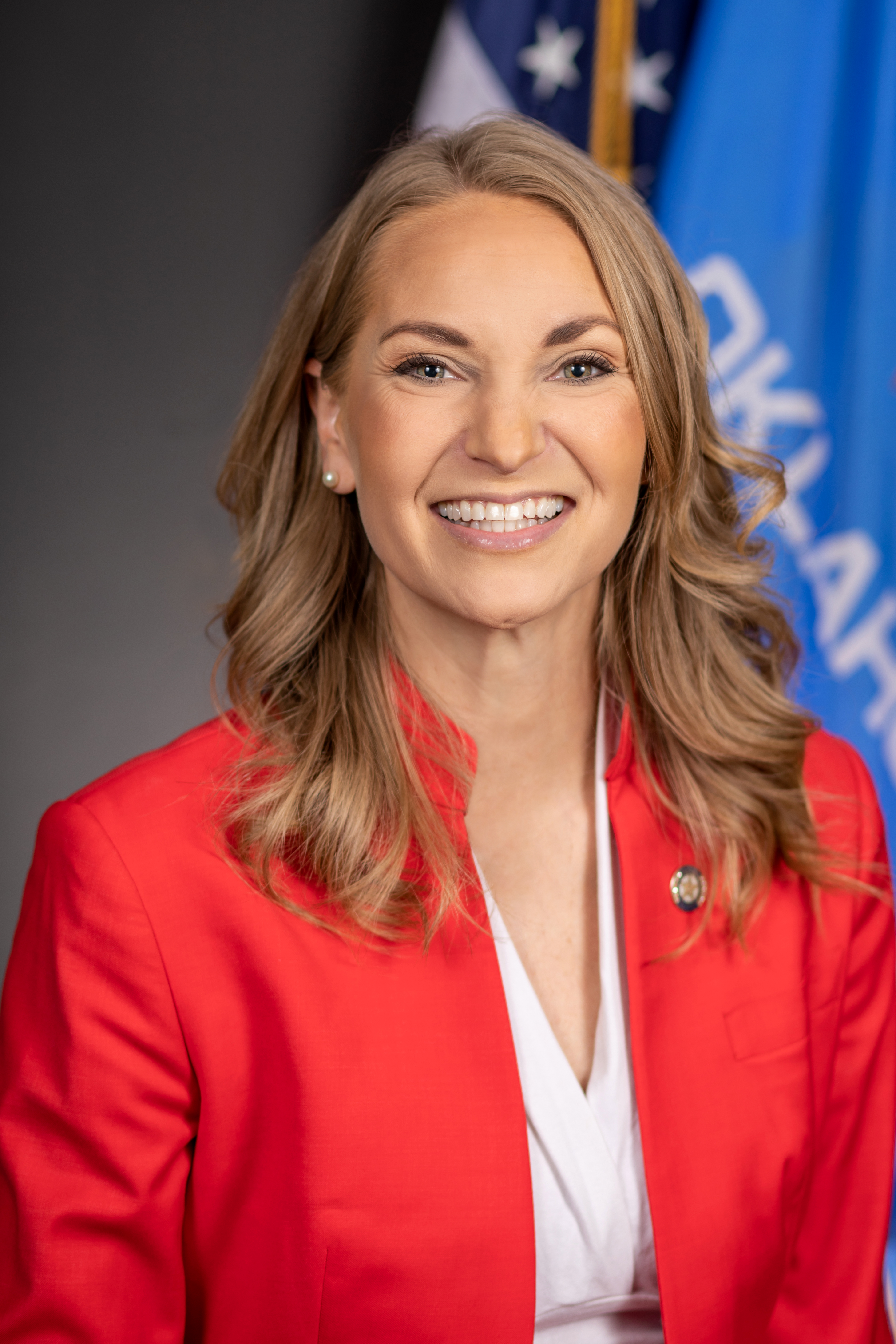
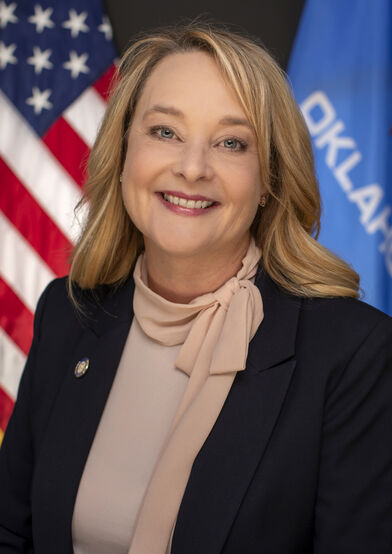
Aletia Timmons
Aletia Timmons House · District 97
D
Support
76% 91
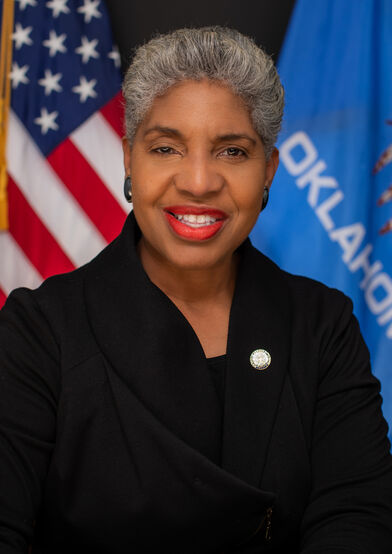
Regina Goodwin
Regina Goodwin Senate · District 11
D
Support
73% 225
Michael Brooks
Michael Brooks Senate · District 44
D
Support
72% 274
Carri Hicks
Carri Hicks Senate · District 40
D
Support
71% 184
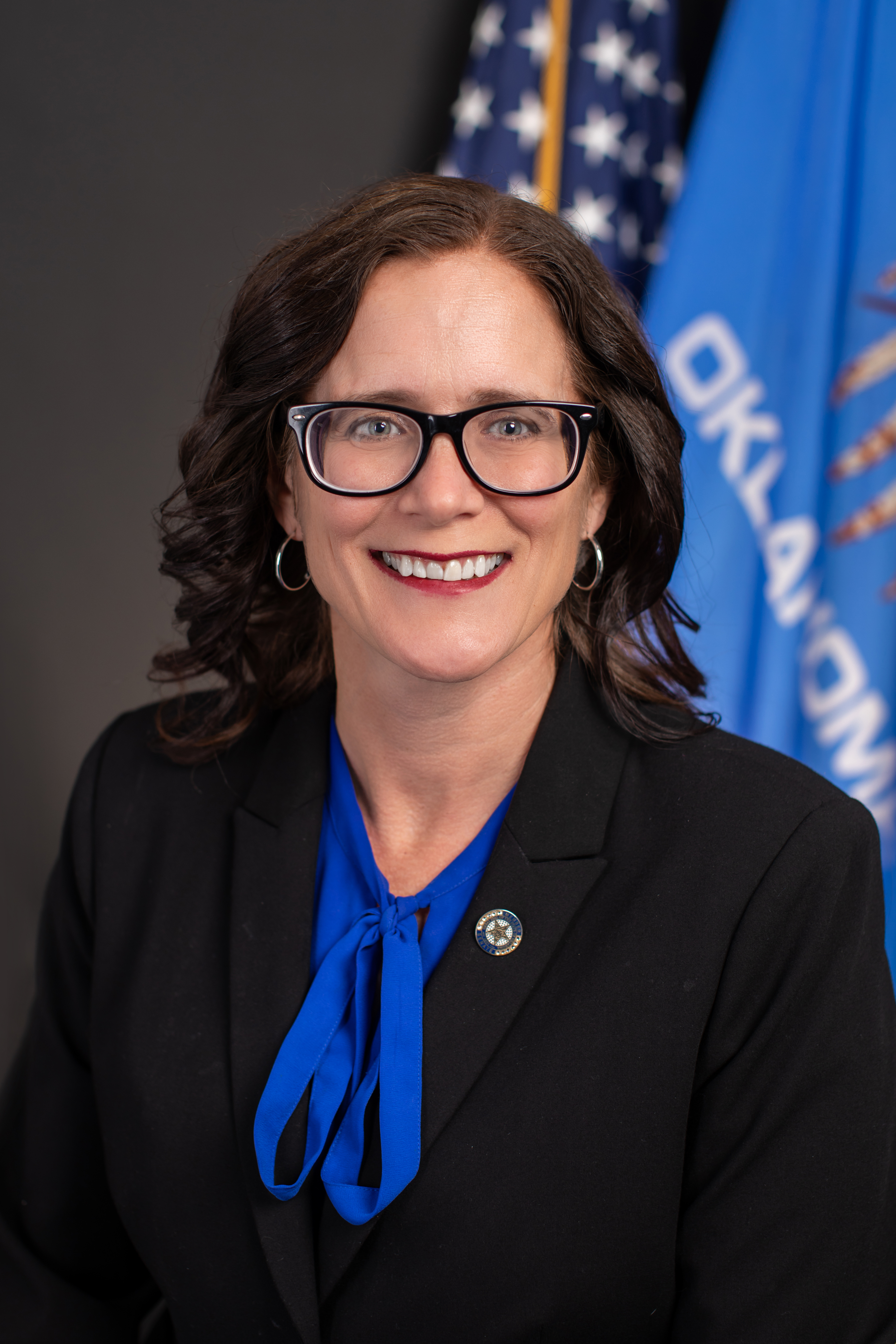
Julia Kirt
Julia Kirt Senate · District 30
D
Support
70% 174
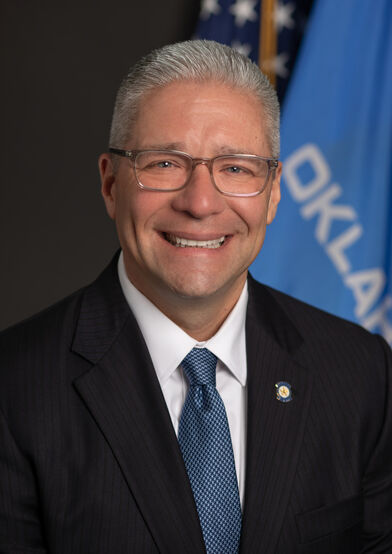
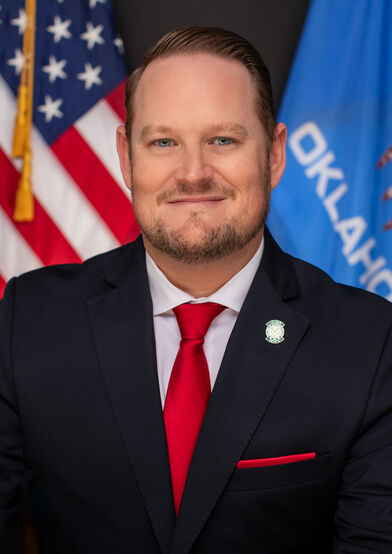
Brian Guthrie
Brian Guthrie Senate · District 25
R
Oppose
24% 158
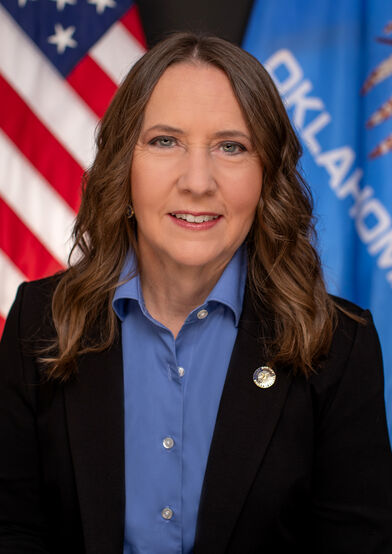
Lisa Standridge
Lisa Standridge Senate · District 15
R
Oppose
26% 220
Jay Steagall
Jay Steagall House · District 43
R
Oppose
27% 149
Julie McIntosh
Julie McIntosh Senate · District 3
R
Oppose
28% 164
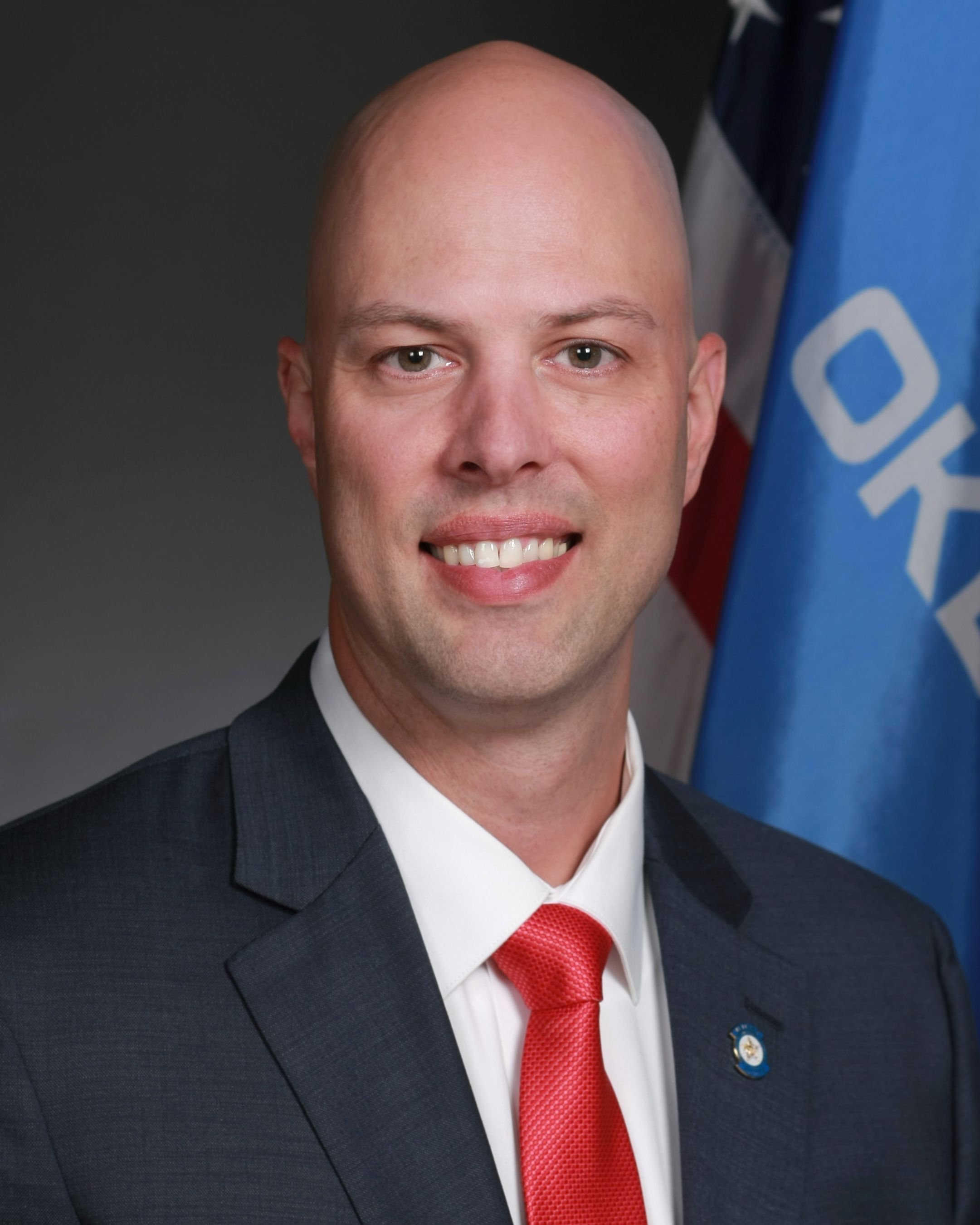
Dusty Deevers
Dusty Deevers Senate · District 32
R
Oppose
28% 156
Showing 401–410 of 448 bills

All criminal justice bills

in committee · Oklahoma · Senate Feb 13, 2025

SB 78: Crimes and punishments; modifying statutory references to certain offenses. Effective date.

SB 78 requires individuals convicted of 22 specific serious offenses - including first-degree murder, rape, child sex trafficking, human trafficking, and aggravated assault - to serve at least 85% of their prison sentence before becoming eligible for parole. This applies to all sentences imposed after the bill's effective date (November 1, 2025). The bill prohibits earned credits or other sentence reductions that would allow parole eligibility before completing 85% of the sentence. It updates statutory references and language in Oklahoma law related to these sentencing requirements.
in committee · Oklahoma · House Feb 4, 2025

HB 1856: State government; Oklahoma 10-8 Fund; grant program; Office of the Attorney General; revolving fund; appropriation; effective date.

HB 1856 creates the "Oklahoma 10-8 Fund Grant Program" to provide one-time bonuses to new peace officers (police, deputies, troopers) who meet specific criteria. Eligible officers receive $10,000 if hired by an agency with 50+ sworn vacancies or $5,000 if hired by an agency with 15-49 vacancies, upon verification of state certification and six months of service. The program, funded by a $20 million state appropriation, prohibits agencies from reducing officer salaries due to these bonuses. It applies to officers hired after the bill’s effective date (November 1, 2025) who are either new to Oklahoma law enforcement or returning since January 2020.
signed · Oklahoma · House May 5, 2025

HB 1001: Crimes and punishments; Lauria and Ashley's Law; minimum prison sentences; effective date.

HB 1001, known as "Lauria and Ashley's Law," requires individuals convicted of 23 specific serious crimes - including murder, rape, child exploitation, trafficking, and certain violent assaults - to serve at least 85% of their prison sentence before becoming eligible for parole. It prohibits earned credits or other reductions that would shorten sentences below this 85% threshold. The law applies to all offenders convicted of these designated offenses and takes effect November 1, 2025. It was signed into law by the Governor on May 5, 2025.
in committee · Oklahoma · Senate Mar 12, 2025

SB 928: Assault and battery; creating misdemeanor and felony offenses. Effective date.

SB 928 creates new misdemeanor and felony charges for assaulting or battering county employees while they are performing their duties. It defines "county employee" broadly to include workers for counties and contracted firms. Simple assault/battery becomes a misdemeanor (up to 1 year in jail or $1,000 fine), while aggravated attacks become felonies (up to 2 years in prison or $5,000 fine). The bill also requires counties to post clear signage stating that felony charges may apply for such attacks. This law directly affects county employees and aims to strengthen protections for them during work.
passed · Oklahoma · House Apr 1, 2025

HB 1593: Criminal procedures; authorizing peace officers to dispute reports of misconduct; codification; effective date.

HB 1593 prevents prosecutors from disqualifying peace officers as witnesses based on unproven misconduct allegations. It allows officers who are placed on a "Do Not Call" list for alleged misconduct to dispute the claim by filing a petition with the Attorney General. An administrative law judge will hold a hearing to review the allegations, and if the misconduct claim isn't proven by a preponderance of evidence, the officer must be reinstated as credible. Courts must then consider the judge's findings when evaluating the officer's testimony. This bill directly affects peace officers and changes how misconduct allegations impact their ability to testify in criminal cases.
Sub-Topics Judges Policing
in committee · Oklahoma · Senate Feb 4, 2025

SB 857: Automatic license plate reader systems; authorizing certain use by law enforcement. Effective date.

SB 857 authorizes Oklahoma law enforcement agencies to use automatic license plate reader (ALPR) systems on highway rights-of-way under specific conditions. It requires agencies to obtain a Department of Transportation permit, adopt public policies covering data use and security, and delete most license plate data within 30 days unless part of an active investigation. The bill prohibits using ALPRs to issue traffic citations or sell collected data, mandates encryption for data security, and requires agencies to maintain access logs for accountability. This directly affects law enforcement operations and the privacy of drivers whose license plates are scanned, with the law taking effect November 1, 2025.
in committee · Oklahoma · Senate Feb 4, 2025

SB 767: Hiring practices; creating the Fair Chance Hiring Practices by Public Employers Act; prohibiting certain employment practices. Effective date.

SB 767, the "Fair Chance Hiring Practices by Public Employers Act," prohibits Oklahoma state and local government employers (like schools, agencies, and municipalities) from asking about an applicant’s criminal history before making a conditional job offer. It allows employers to ask only about convictions that would disqualify someone under existing law and permits checking criminal history after a conditional offer is made. The law excludes sensitive roles - such as law enforcement, school staff, correctional officers, and positions involving vulnerable populations - from its requirements. The bill takes effect November 1, 2025, applying only to job applications submitted on or after that date.
Sub-Topics Law Enforcement
in committee · Oklahoma · House Feb 4, 2025

HB 1061: Crimes and punishments; making certain acts unlawful; codification; effective date.

HB 1061 makes it a crime to intentionally assault or batter municipal, county, or state officials while they are performing their official duties. It creates two offenses: a misdemeanor for assault (up to 1 year in jail or $1,000 fine) and a felony for battery or assault-and-battery (up to 5 years in prison or $5,000 fine). The law specifically covers officials like police, fire, health, code enforcement, and zoning personnel, as defined in the bill. It applies to intentional harm without justifiable cause, directly affecting both officials performing their duties and individuals who target them. The bill takes effect November 1, 2025.
in committee · Oklahoma · House Feb 4, 2025

HB 2186: Pretrial data; Pretrial Collection Data Act; requiring certain entities to collect specific data; effective date.

HB 2186, the "Pretrial Data Collection Act," requires Oklahoma police departments, sheriff offices, and county jails to collect and report specific data about individuals in pretrial detention starting January 1, 2026. It mandates monthly collection of demographic details (like race, age, ZIP code, and unhoused status), offense information, mental health/substance use disorder status, jail costs, and facility metrics (such as operational capacity and average stay length). This data must be submitted to the Oklahoma State Bureau of Investigation and published publicly in machine-readable format by July 2026. The bill directly affects law enforcement agencies, county jails, and the public, aiming to standardize pretrial data for transparency and analysis.
in committee · Oklahoma · House Feb 4, 2025

HB 1307: Crimes and punishments; establishing penalty for certain persons convicted of murder in the first degree; effective date.

HB 1307 amends Oklahoma law to change penalties for first-degree murder convictions. It mandates the death penalty for foreign-born individuals convicted of first-degree murder who were in the U.S. without valid immigration documentation or violated their visa terms at the time of the crime, unless "overwhelming mitigating evidence" is presented. For all other first-degree murder convictions, the bill maintains the existing options of death, life without parole, or life imprisonment. The law takes effect November 1, 2025.
Sub-Topics Probation & Parole
Showing 401 to 410 of 448 bills
Previous 1 40 41 42 45 Next