Issue · Criminal Justice

Criminal Justice

Every criminal justice bill, vote, and legislator stance in Oklahoma, automatically classified by Maddy, our AI policy reader.

Total bills
448
2026 Regular Session
Top supporter
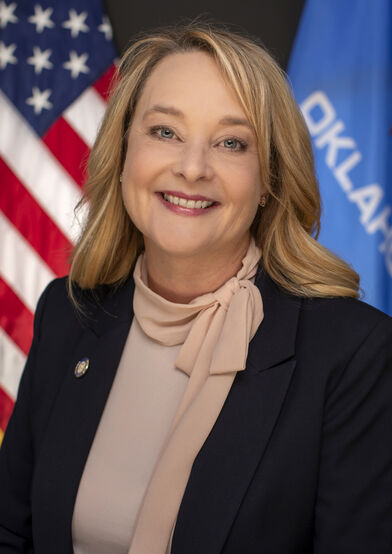
Aletia Timmons
76% support rate
Top opponent
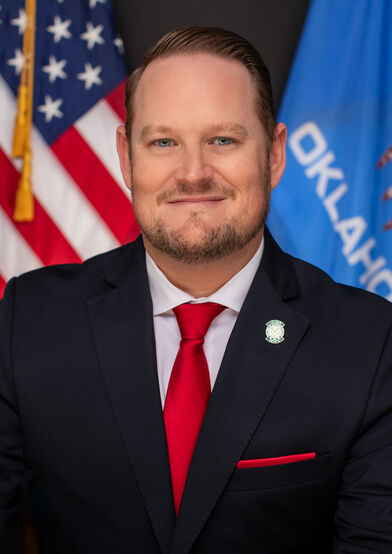
Brian Guthrie
24% support rate
Ranked legislators
10
5 support · 5 oppose
Key legislators

Who's moving criminal justice in Oklahoma

Legislators moving criminal justice in Oklahoma
Legislator Party Stance Support rate Votes
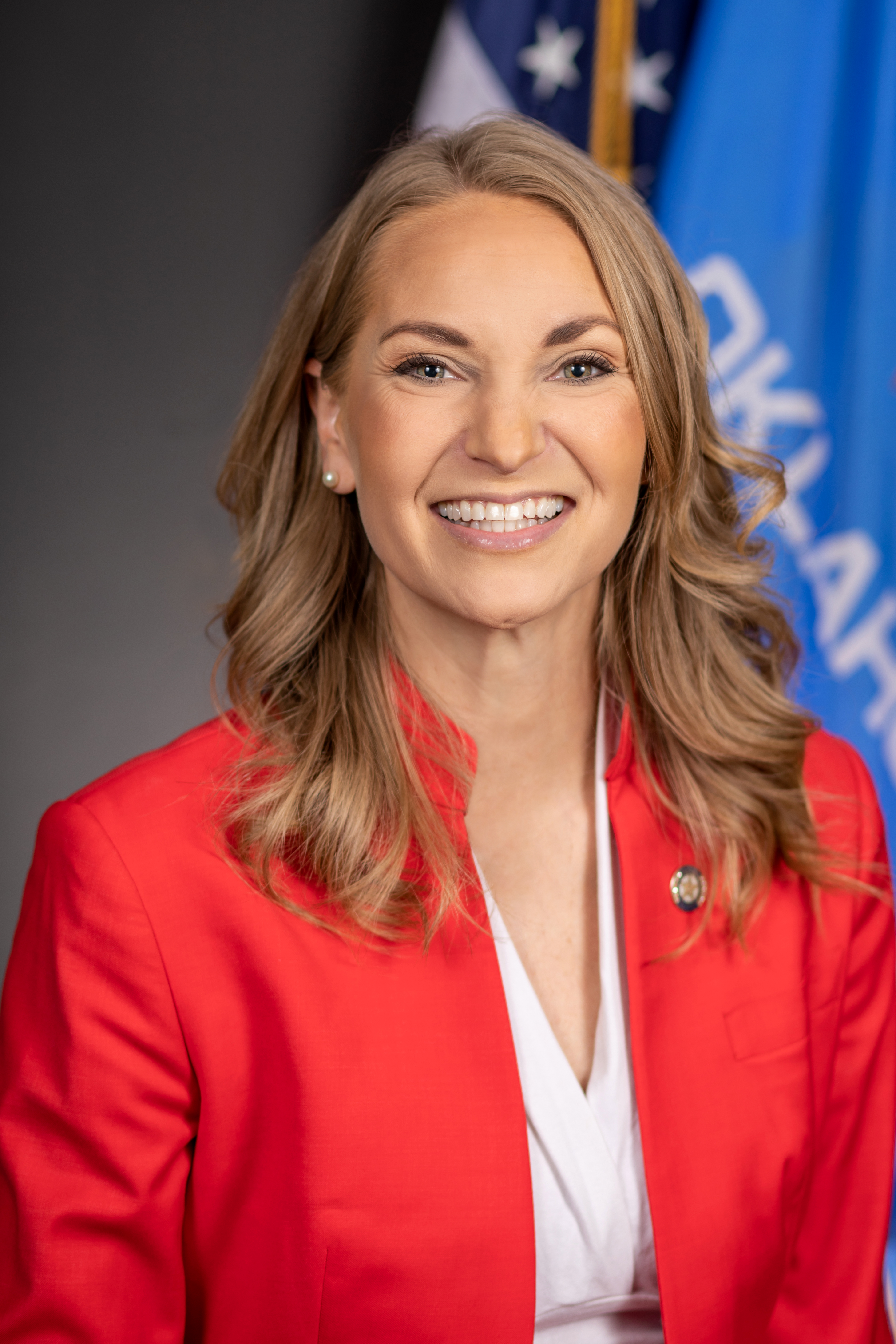
Aletia Timmons
Aletia Timmons House · District 97
D
Support
76% 91
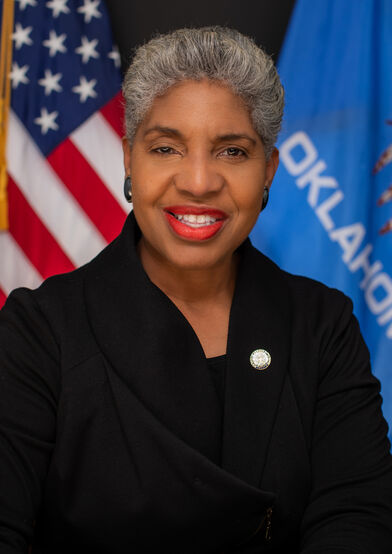
Regina Goodwin
Regina Goodwin Senate · District 11
D
Support
73% 225
Michael Brooks
Michael Brooks Senate · District 44
D
Support
72% 274
Carri Hicks
Carri Hicks Senate · District 40
D
Support
71% 184
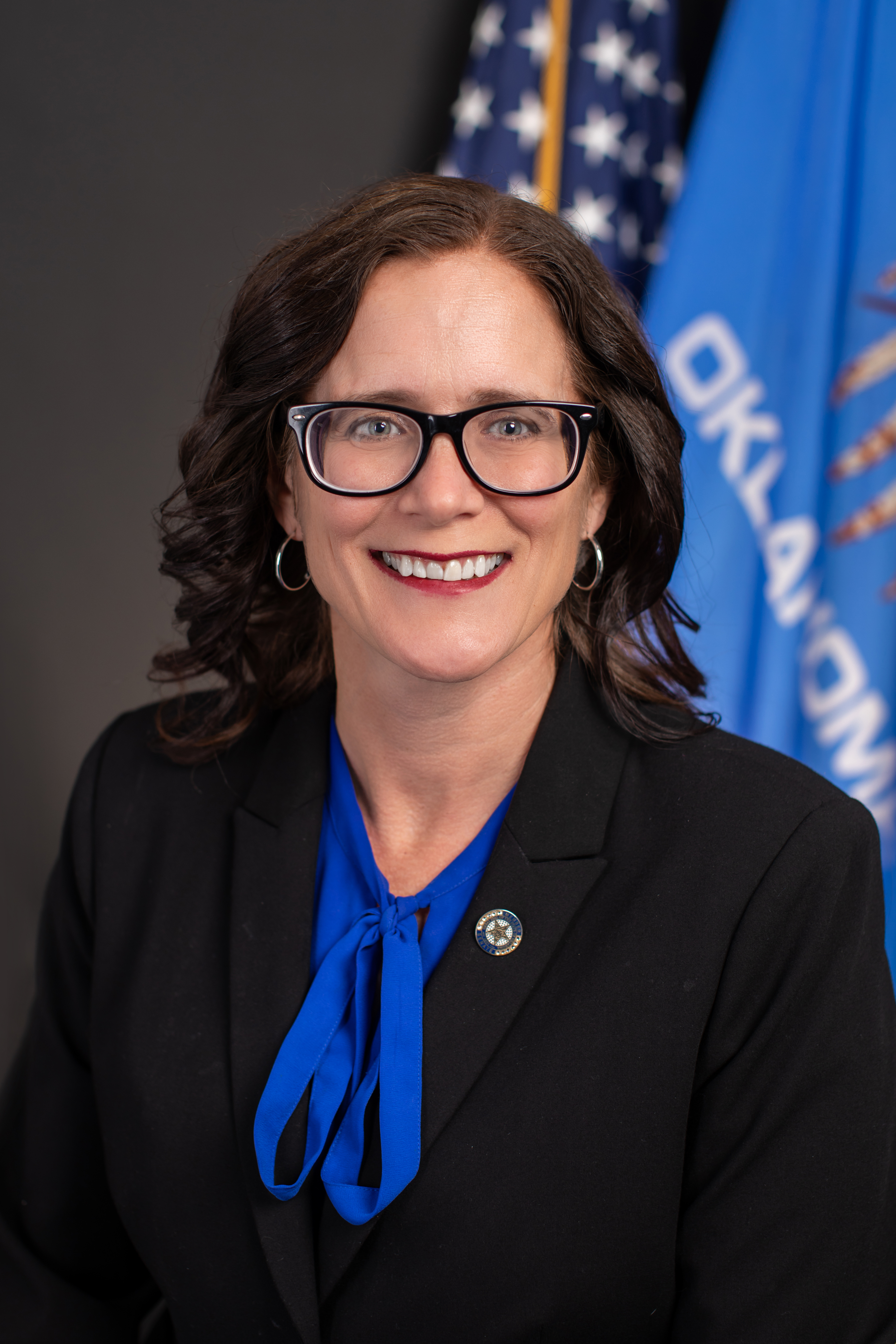
Julia Kirt
Julia Kirt Senate · District 30
D
Support
70% 174
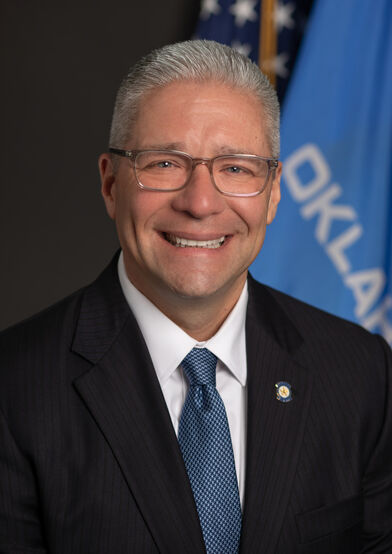
Brian Guthrie
Brian Guthrie Senate · District 25
R
Oppose
24% 158
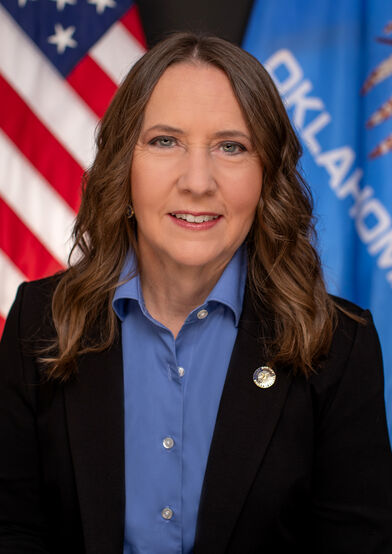
Lisa Standridge
Lisa Standridge Senate · District 15
R
Oppose
26% 220
Jay Steagall
Jay Steagall House · District 43
R
Oppose
27% 149
Julie McIntosh
Julie McIntosh Senate · District 3
R
Oppose
28% 164
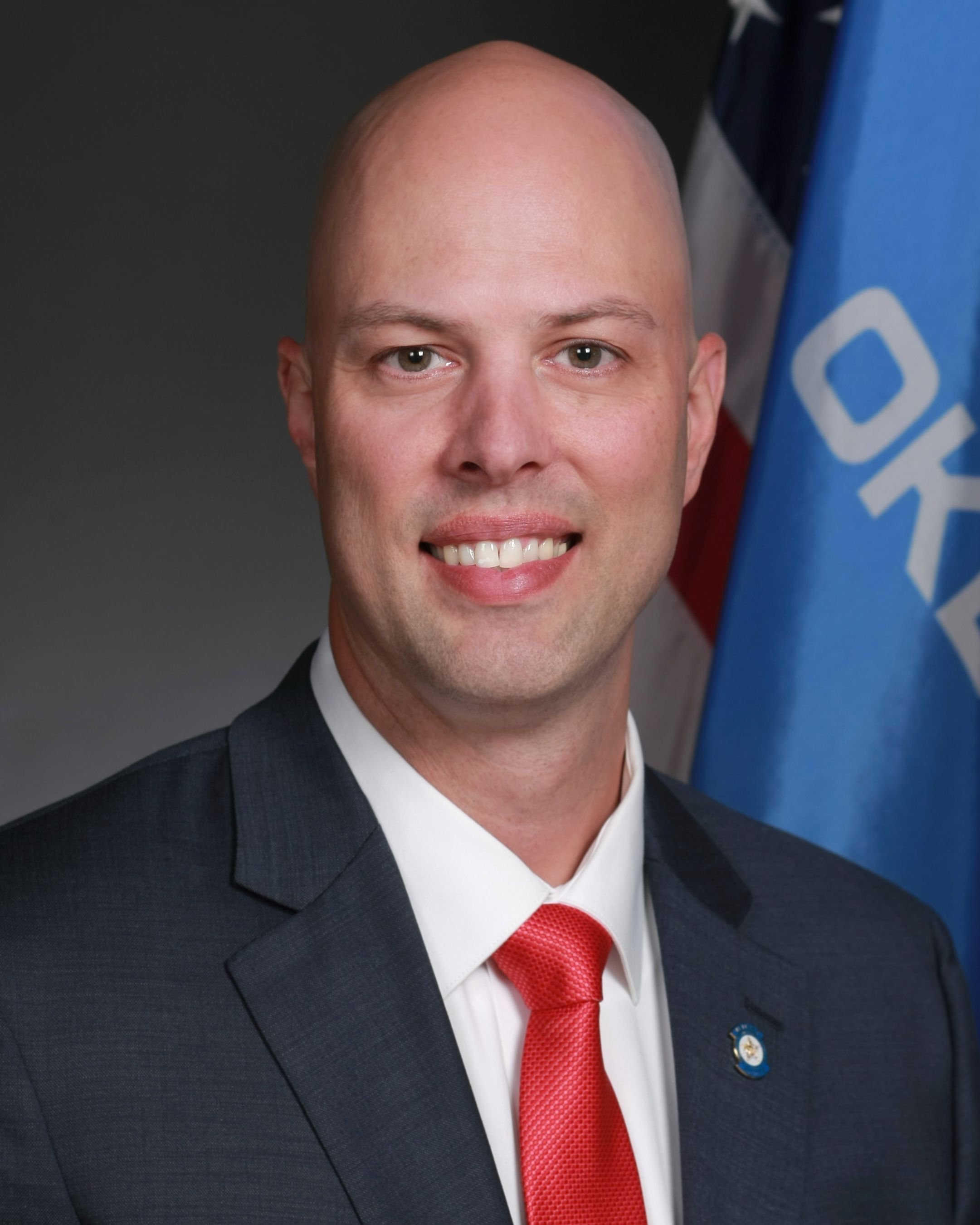
Dusty Deevers
Dusty Deevers Senate · District 32
R
Oppose
28% 156
Showing 391–400 of 448 bills

All criminal justice bills

in committee · Oklahoma · House Feb 4, 2025

HB 1885: Juvenile justice; creating the Safeguarding Juvenile Justice Act; requiring the recording of all interactions between juveniles and certain persons; codification; effective date.

HB 1885, the "Safeguarding Juvenile Justice Act," requires all interactions between juveniles and court personnel (including judges, attorneys, and court officials) to be recorded visually and audibly with trained advocates present. It mandates judges with juvenile cases complete six hours of annual training on ethical conduct and grooming prevention, while attorneys handling juvenile cases must complete three hours annually on similar topics. The bill also updates grievance procedures for youth in detention, requiring facilities to make complaint processes accessible and directing the Oklahoma Commission on Children and Youth to investigate complaints about facility conditions or staff misconduct. These changes apply directly to juvenile court participants, judges, attorneys, and detention facilities across Oklahoma, effective November 1, 2025.
in committee · Oklahoma · House Feb 4, 2025

HB 1681: Public health and safety; providing an exception to Global Positioning System (GPS) monitoring device requirement; effective date.

HB 1681 modifies Oklahoma's trafficking law to temporarily exempt people charged with serious drug trafficking from wearing a GPS monitoring device while receiving hospital care for medical treatment. This applies specifically to individuals confined in county jail who require hospitalization and are released on their own recognizance for medical reasons. Once discharged, they must have a GPS device installed within 48 hours, with the cost paid by the individual. The bill does not change the requirement for GPS monitoring before hospitalization or after discharge, only provides a temporary exception during medical care.
Sub-Topics Corrections
in committee · Oklahoma · Senate Mar 6, 2025

SB 123: Firearms; modifying scope of certain unlawful act. Effective date.

SB 123 modifies Oklahoma's Self-Defense Act to ban carrying firearms loaded with specific ammunition types: restricted bullets (per Section 1289.19), caliber larger than .45, or other legally prohibited ammunition. It directly affects individuals holding self-defense permits who carry firearms under the Act. The bill adds a $500 administrative fine for violations (in addition to potential criminal penalties), following a hearing by the Oklahoma State Bureau of Investigation. The law takes effect November 1, 2025.
Sub-Topics Firearms
died · Oklahoma · Senate Feb 16, 2026

SB 1260: Pardons and paroles; prohibiting parole eligibility and earning of credits for persons convicted of certain offenses. Effective date.

SB 1260 mandates that individuals convicted of specific serious offenses - including first-degree murder, child sexual abuse, human trafficking, and certain violent crimes - must serve at least 85% of their prison sentence before becoming eligible for parole. The bill prohibits these individuals from earning credits (such as good behavior time) that could reduce their sentence below this 85% threshold. It directly affects inmates convicted of the listed offenses, which include crimes like child sex trafficking (per Section 1030), forcible sodomy (Section 888), and human trafficking (Section 748). The law repeals prior statutes that allowed for shorter parole eligibility periods for these offenses and updates related legal references.
vetoed · Oklahoma · House May 29, 2025

HB 1592: Larceny; providing elements of organized retail crime; codification; effective date.

HB 1592 defines "organized retail crime" in Oklahoma, making it a separate offense when two or more specific circumstances occur during retail theft (such as property intended for resale, multiple people acting jointly, using tools to evade detection, or removing anti-shoplifting devices). It sets penalties: up to 5 years in prison or a $1,000 fine for stolen property under $15,000, and up to 8 years in prison or a $1,000 fine for $15,000 or more, plus mandatory restitution. The bill also amends statutes to clarify "pattern of criminal offenses" and recreates the Oklahoma Organized Retail Crime Task Force to study retail theft countermeasures. This law directly affects individuals committing retail theft meeting the defined criteria, with the task force providing policy recommendations until December 2024.
in committee · Oklahoma · Senate Feb 4, 2025

SB 526: Firearms; directing courts and law enforcement agencies to protect certain rights. Emergency.

SB 526 (Oklahoma Senate Bill 526) prohibits Oklahoma courts and law enforcement from enforcing any order requiring firearm confiscation from law-abiding citizens, declaring such actions an infringement on Second Amendment rights. It mandates that law enforcement officers may refuse to follow orders violating the Second Amendment or their oath, and prohibits retaliation or budget cuts against officers or police departments that refuse such orders or designate their area as a "Second Amendment sanctuary." The bill defines "law-abiding citizen" as someone legally permitted to possess firearms and lawfully present in the U.S. It takes immediate effect as an emergency measure.
signed · Oklahoma · House May 12, 2026

HB 2137: Criminal procedures; resumption of competency; administration of medication; notification; authorization; effective date.

HB 2137 modifies Oklahoma's criminal procedure laws to clarify how courts handle defendants found incompetent to stand trial who may regain competency. It requires courts to hold new hearings if medical staff report potential competency restoration and mandates strict procedures for authorizing involuntary medication (including psychiatric medication) to restore competency, including requiring petitioners to prove necessity with "clear and convincing evidence." The bill ensures defendants receive legal representation, 30-day hearing deadlines, and specific court findings on medical necessity, alternatives, and the defendant's wishes. It directly affects individuals in criminal cases under involuntary competency restoration, ensuring due process while allowing medication administration only when medically justified and legally permissible.
Sub-Topics Courts
in committee · Oklahoma · House Feb 4, 2025

HB 1319: Prisons and reformatories; granting elected state officials the right to access facilities operated by the Department of Corrections for purposes of inspection and evaluation; codification; effective date.

HB 1319 grants elected state officials (such as legislators and the governor) the right to inspect Oklahoma's correctional facilities, including unannounced visits, to verify compliance with Department of Corrections policies. The bill requires the Department to allow officials access to inmates upon request and implement security protocols that maintain safety during visits without compromising facility operations. Higher-risk facilities will receive more frequent inspections. The law takes effect on November 1, 2025.
Sub-Topics Corrections
signed · Oklahoma · Senate Apr 28, 2025

SB 595: Jail standards; creating the Oklahoma Jail Standards Act. Emergency.

SB 595 creates the Oklahoma Jail Standards Act, requiring all city and county jails to meet new safety, health, and operational standards. It mandates annual inspections by the State Department of Health, sets specific requirements for inmate food, sanitation, medical care, staff training (4-8 hours yearly for direct-contact staff), and inmate classification, and requires facilities to develop written policies for emergencies and medical services. The bill directly affects all county jails, sheriff's departments, and facility administrators, while allowing temporary tent jails to operate under different rules. The Act also clarifies that medical care must cover illnesses or injuries from arrest through incarceration, and includes exceptions for short-term holding facilities under 12 hours.
in committee · Oklahoma · Senate Feb 4, 2025

SB 855: Larceny; modifying value threshold for certain misdemeanor and felony offenses. Effective date.

SB 855 modifies Oklahoma's larceny laws for merchandise stolen from retailers or wholesalers by raising value thresholds that determine misdemeanor versus felony charges. It increases the threshold for misdemeanor offenses from $500 to $1,000 for first and second thefts, and for third or subsequent offenses. For felony charges, the bill sets the minimum value at $1,000 (so thefts of $1,000 or more are now felonies, whereas lower values were previously classified as felonies). The bill also requires restitution to victims and allows multiple thefts within 180 days to be combined for sentencing.
Showing 391 to 400 of 448 bills
Previous 1 39 40 41 45 Next