Issue · Criminal Justice

Criminal Justice

Every criminal justice bill, vote, and legislator stance in Oklahoma, automatically classified by Maddy, our AI policy reader.

Total bills
448
2026 Regular Session
Top supporter
Aletia Timmons
76% support rate
Top opponent
Brian Guthrie
24% support rate
Ranked legislators
10
5 support · 5 oppose
Key legislators

Who's moving criminal justice in Oklahoma

Legislators moving criminal justice in Oklahoma
Legislator Party Stance Support rate Votes
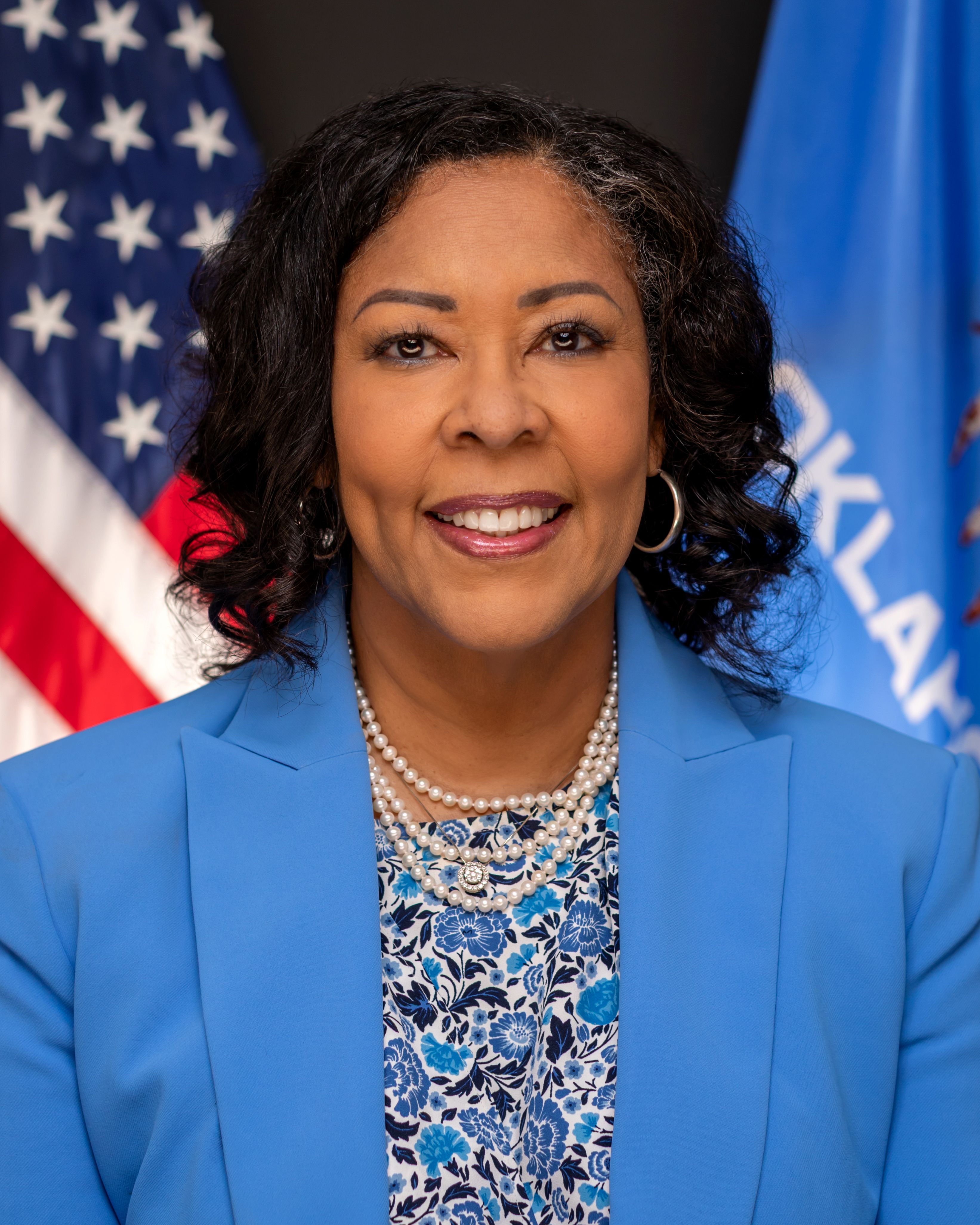
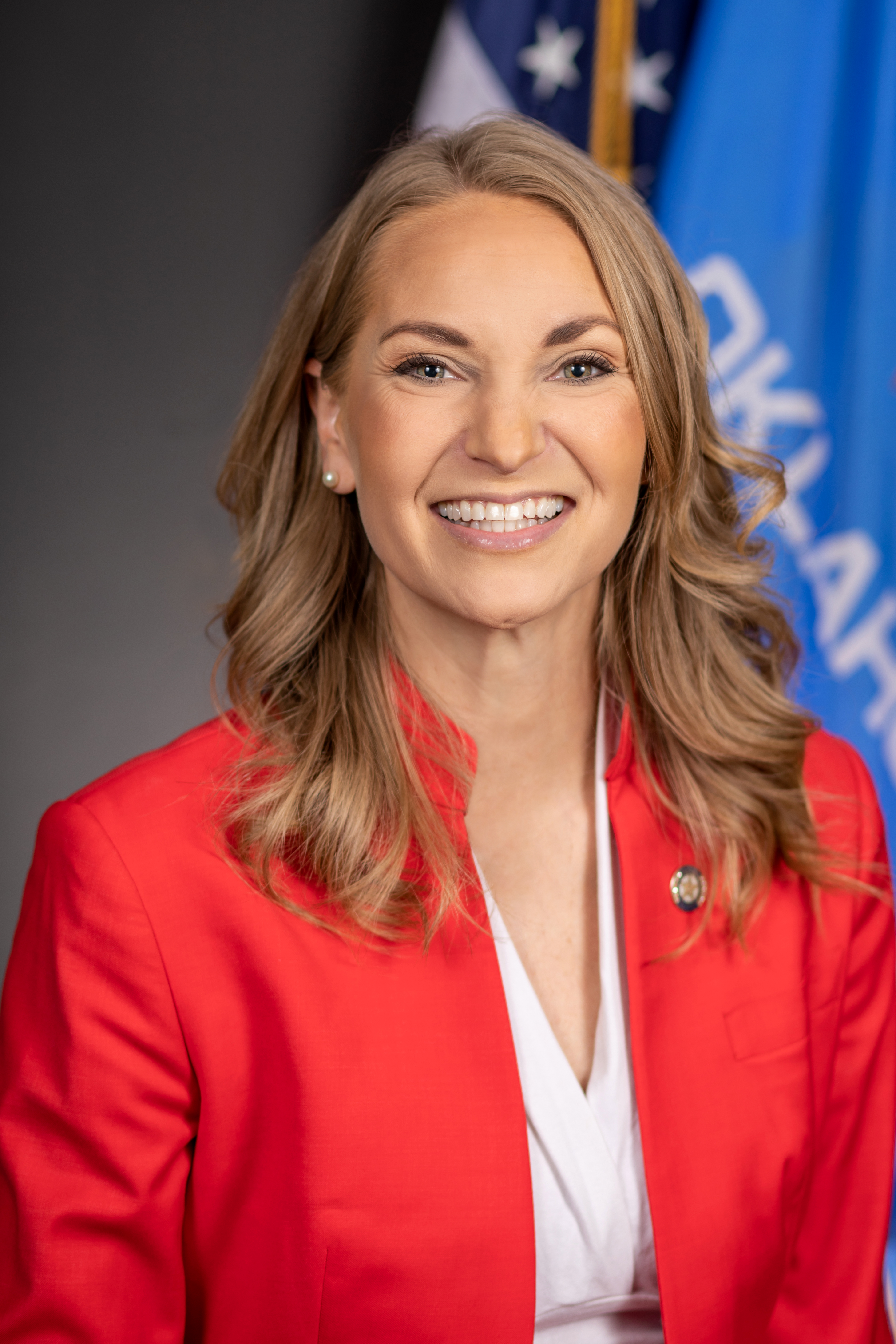
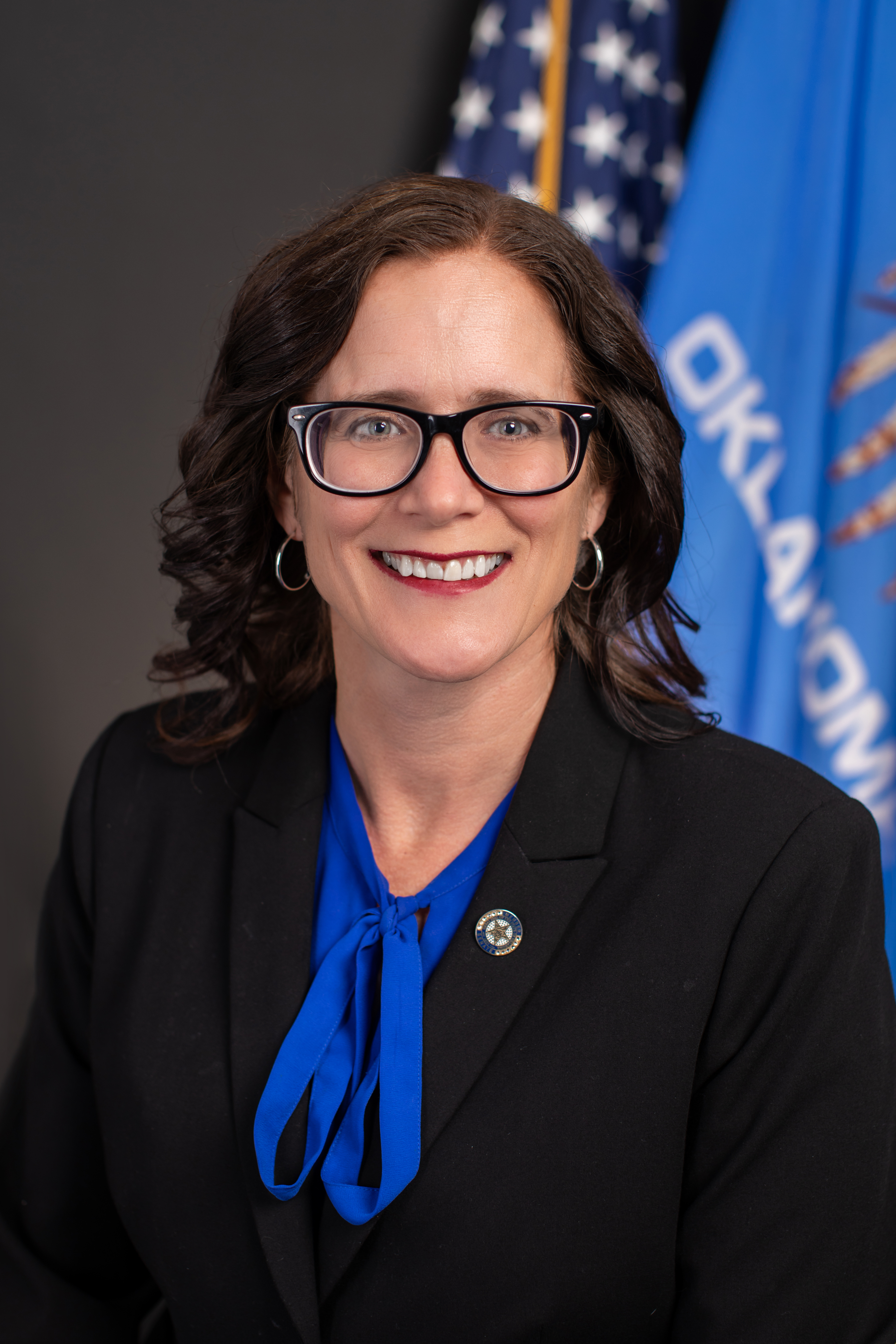
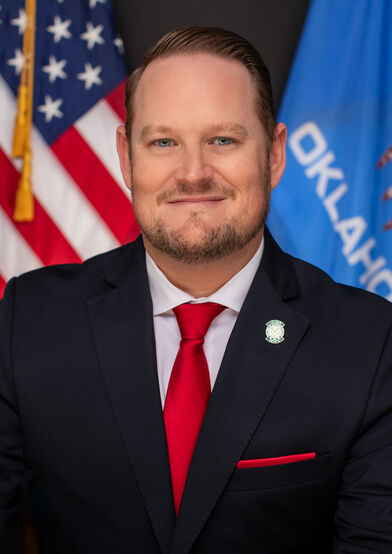
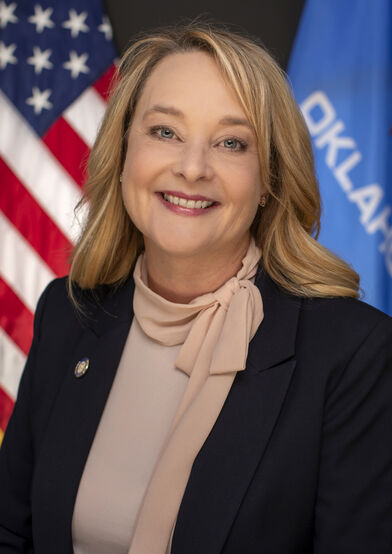
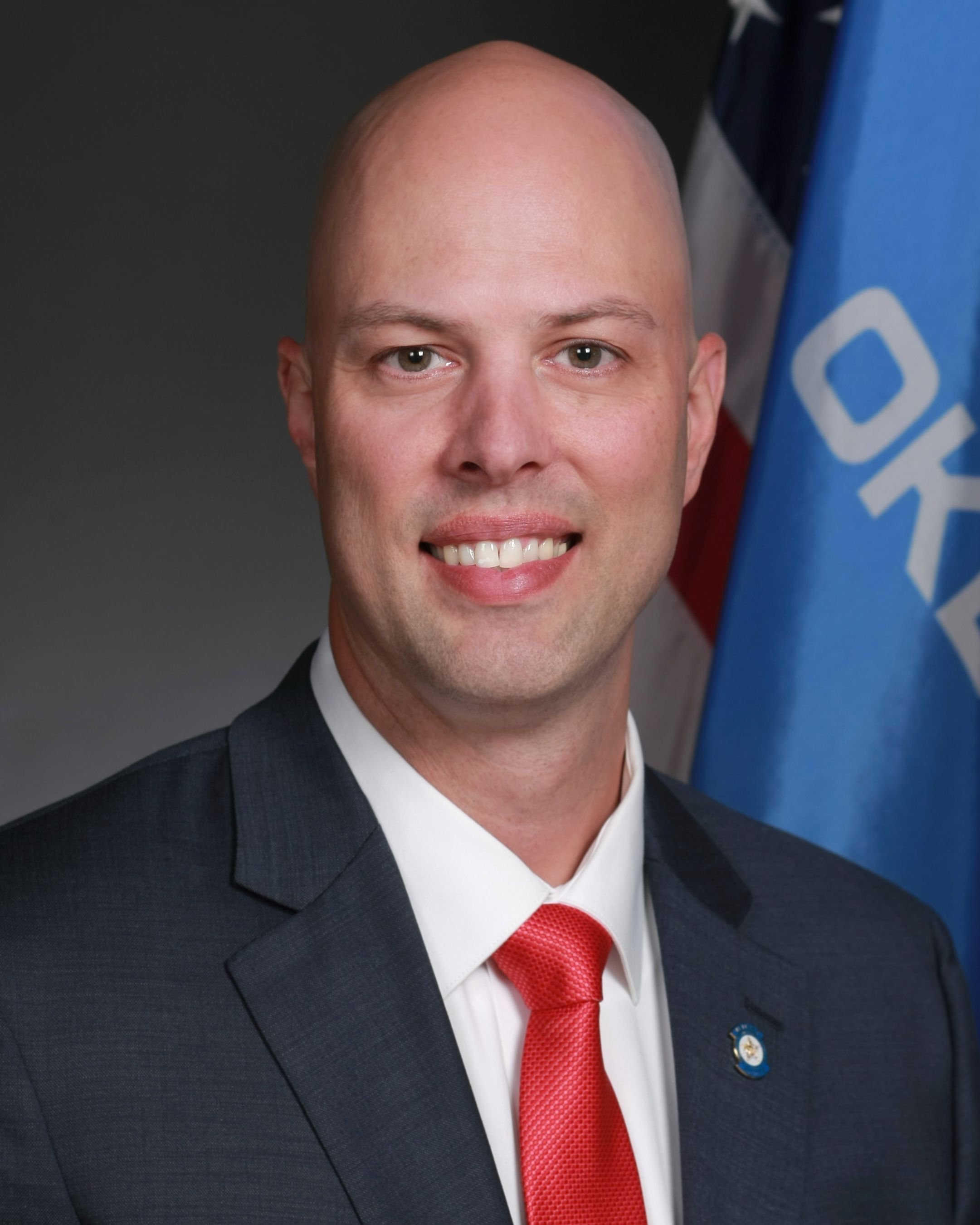
Aletia Timmons
Aletia Timmons House · District 97
D
Support
76% 91
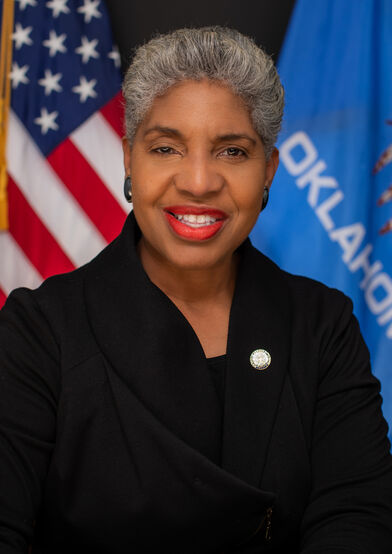
Regina Goodwin
Regina Goodwin Senate · District 11
D
Support
73% 225
Michael Brooks
Michael Brooks Senate · District 44
D
Support
72% 274
Carri Hicks
Carri Hicks Senate · District 40
D
Support
71% 184
Julia Kirt
Julia Kirt Senate · District 30
D
Support
70% 174
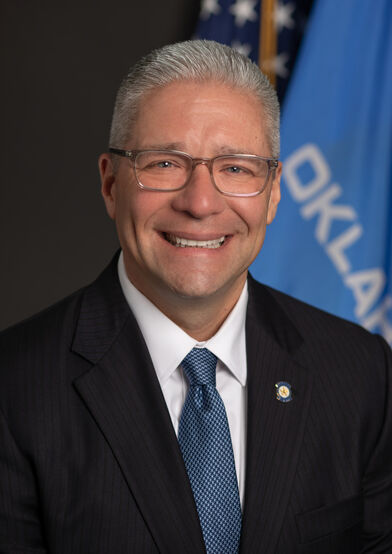
Brian Guthrie
Brian Guthrie Senate · District 25
R
Oppose
24% 158
Lisa Standridge
Lisa Standridge Senate · District 15
R
Oppose
26% 220
Jay Steagall
Jay Steagall House · District 43
R
Oppose
27% 149
Julie McIntosh
Julie McIntosh Senate · District 3
R
Oppose
28% 164
Dusty Deevers
Dusty Deevers Senate · District 32
R
Oppose
28% 156
Showing 301–310 of 448 bills

All criminal justice bills

signed · Oklahoma · Senate May 27, 2025

SB 599: Crimes and punishments; lewd or indecent acts to a child; modifying scope of punishment for certain crimes. Effective date.

SB 599 modifies Oklahoma's criminal penalties for offenses against children, specifically increasing punishments for sexual abuse and exploitation. It mandates a minimum 25-year prison sentence for anyone convicted of child sexual abuse or exploitation involving a child under 12, while maintaining maximum life imprisonment. The bill also requires post-prison supervision for certain offenders sentenced to two or more years in prison. It applies to all individuals responsible for a child's welfare (like parents or caregivers) who commit these crimes, and clarifies that consent is never a defense. The law became effective after the governor approved it on May 22, 2025.
Sub-Topics Corrections
in committee · Oklahoma · House Feb 4, 2025

HB 2054: Criminal procedure; modifying certain qualifications; effective date.

HB 2054 modifies Oklahoma's criminal expungement rules to expand eligibility for sealing criminal records. It adds specific qualifying categories, such as cases involving DNA exoneration, dismissed charges after deferred sentences, and nonviolent felony dismissals following successful completion of programs. The bill also establishes a key new provision: beginning three years after its effective date (subject to funding), individuals with "clean slate eligible" cases - like those with dismissed charges, misdemeanor convictions under $500 fines, or certain nonviolent felony dismissals - will automatically qualify for record sealing. This affects Oklahomans with specific conviction types, dismissed charges, or completed diversion programs who meet the time-based requirements. The changes aim to streamline record sealing for eligible individuals without requiring them to file motions.
in committee · Oklahoma · Senate Feb 4, 2025

SB 828: Criminal procedure; increasing time for which certain prosecutions may be commenced. Effective date.

Oklahoma Senate Bill 828 extends the statute of limitations for prosecuting certain serious crimes, primarily affecting victims of child sexual abuse. It allows prosecution for child sexual abuse crimes (including those involving minors in pornography or child trafficking) to occur at any time until the victim turns 45, and for crimes against adults, within 20 years of the crime being reported to police. The bill also creates a key exception: if DNA evidence is preserved and later identifies the offender, prosecution can proceed at any time. This change directly impacts prosecutors, law enforcement, and victims in these specific cases, while leaving most other criminal statute of limitations unchanged.
passed · Oklahoma · House Apr 1, 2025

HB 1362: Crimes and punishments; unlawful immigration; making certain acts unlawful; penalties; emergency.

HB 1362 makes it a crime for non-U.S. citizens (defined as "aliens") to enter or remain in Oklahoma without legal authorization to be in the United States. First offenses are misdemeanors punishable by up to one year in jail or a $500 fine; second offenses or offenses committed during other crimes are felonies punishable by up to two years in prison or a $1,000 fine. The law requires convicted individuals to leave Oklahoma within 72 hours and mandates law enforcement to collect biometric data and check federal databases. It also preempts local governments from enacting conflicting immigration policies and creates an alternative to prison: if conditions are met (no prior violent crime, not charged with another felony), courts can order deportation instead of incarceration.
signed · Oklahoma · Senate May 12, 2025

SB 690: Prisons and reformatories; authorizing certain attainment of earned credits. Effective date.

SB 690 amends Oklahoma's correctional system to clarify how inmates earn sentence-reduction credits. It establishes four class levels (1-4) based on participation in work, education, and rehabilitation programs, with higher credits for better performance (e.g., Class 4 inmates earn 60 credits/month if they have no prior felony convictions). The bill prohibits earning credits for inmates convicted of crimes resulting in death of law enforcement or DOC staff, or for those violating probation. It also updates language to be gender-neutral and specifies that credits equal one day of reduced incarceration per credit. This law directly affects all Oklahoma state inmates serving sentences with the possibility of sentence reduction through earned credits.
signed · Oklahoma · House May 28, 2025

HB 1462: Criminal procedure; directing courts to prioritize orders of payments of restitution; effective date.

HB 1462 requires Oklahoma courts to prioritize ordering restitution payments to crime victims when sentencing convicted defendants (excluding death penalty cases). The bill amends sentencing procedures to ensure courts consider restitution as a key requirement before other sentencing options, with interest accruing at 12% annually. It directly affects convicted individuals who must pay restitution, crime victims who receive priority for compensation, and courts that must now formally prioritize this in sentencing decisions. The law applies to all criminal convictions where restitution is feasible without causing undue hardship to the defendant.
in committee · Oklahoma · Senate Feb 3, 2026

SB 1294: Detention facilities; prohibiting charges for certain calls. Effective date.

SB 1294 prohibits detention facilities in Oklahoma from charging fees for phone calls made by individuals held in those facilities. It specifically applies to facilities operated by the Office of Juvenile Affairs (for juvenile detention) and the Department of Corrections (for adult correctional facilities). The bill bans any fees or charges for placing phone calls from these facilities, directly affecting incarcerated individuals and their families who rely on communication. The law takes effect on November 1, 2026.
in committee · Oklahoma · House Feb 4, 2025

HB 2525: Criminal procedure; modifying eligibility procedures for indigent representation by the Oklahoma Indigent Defense System; effective date.

HB 2525 modifies Oklahoma's process for determining eligibility for free legal representation through the Oklahoma Indigent Defense System. It requires criminal defendants seeking free counsel to pay a $40 nonrefundable application fee (with possible court deferral), submit a sworn statement confirming they contacted three licensed Oklahoma attorneys without success, and provide details about bond status. The bill deletes a prior rule that created a rebuttable presumption of eligibility if a defendant couldn't post bail (other than personal recognizance), removing a key pathway for some low-income defendants to qualify. This directly affects criminal defendants in Oklahoma who cannot afford private attorneys and seek court-appointed counsel.
Sub-Topics Courts
signed · Oklahoma · Senate May 5, 2025

SB 623: Protection from Domestic Abuse Act; requiring service in certain location; requiring initial attempt of service of protective orders upon defendant within specified time frame. Emergency.

SB 623 requires that protective orders in domestic abuse cases be served to the accused person within 24 hours of issuance, with priority service available 24/7 when the defendant's location is known. It mandates electronic service between counties via sheriff's offices and allows sheriffs to use private process servers or other law enforcement if initial service fails. The bill directly affects domestic abuse victims (by expediting protection) and law enforcement (by changing service protocols), while ensuring orders have statewide validity for cross-jurisdiction service. These changes aim to improve the speed and reliability of serving protective orders to enhance victim safety.
in committee · Oklahoma · House Feb 4, 2025

HB 1368: Human trafficking; directing private businesses and public schools to post certain signage at specific locations; codification; effective date.

HB 1368 requires public schools and private businesses to post specific human trafficking awareness signage at designated locations. The bill creates a "No Trafficking" safety zone around all public and private elementary, secondary, and post-secondary schools, prohibiting human trafficking activities within 1,000 feet of these sites. Violating this zone adds a 10-year penalty enhancement to standard human trafficking sentences. The Oklahoma Bureau of Narcotics and Dangerous Drugs Control must provide the required signage to schools and businesses.
Sub-Topics Human Trafficking
Showing 301 to 310 of 448 bills
Previous 1 30 31 32 45 Next