Issue · Criminal Justice

Criminal Justice

Every criminal justice bill, vote, and legislator stance in Oklahoma, automatically classified by Maddy, our AI policy reader.

Total bills
448
2026 Regular Session
Top supporter
Aletia Timmons
76% support rate
Top opponent
Brian Guthrie
24% support rate
Ranked legislators
10
5 support · 5 oppose
Key legislators

Who's moving criminal justice in Oklahoma

Legislators moving criminal justice in Oklahoma
Legislator Party Stance Support rate Votes
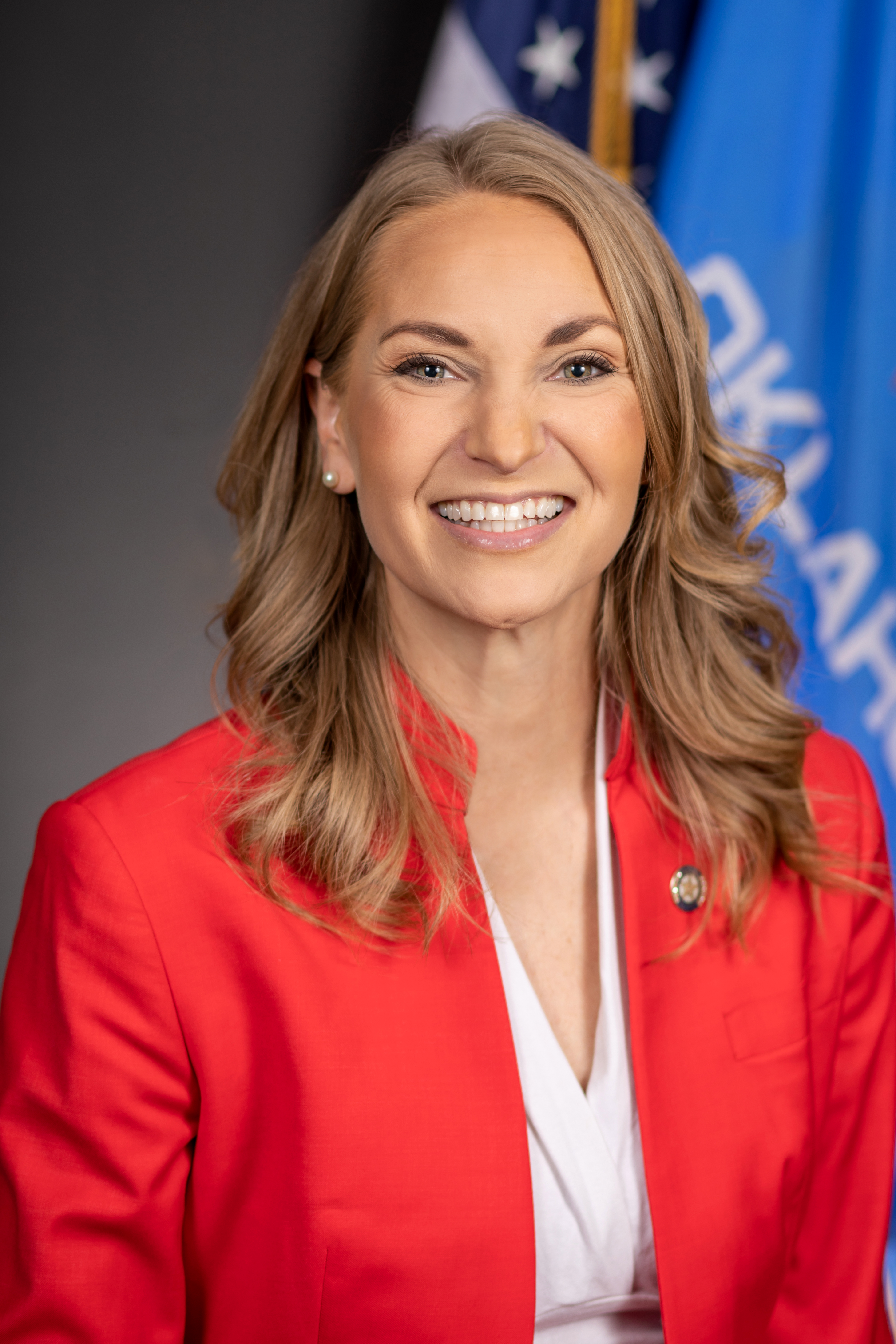
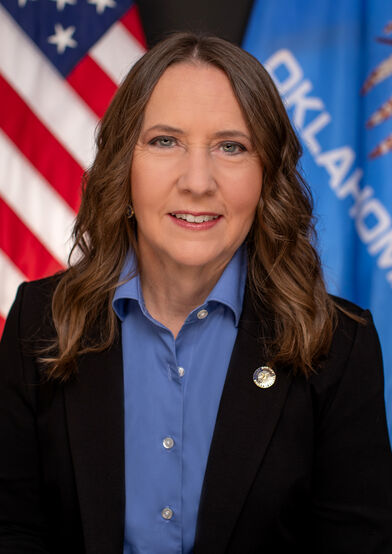
Aletia Timmons
Aletia Timmons House · District 97
D
Support
76% 91
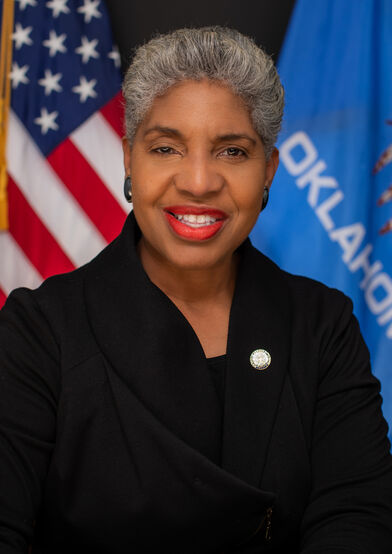
Regina Goodwin
Regina Goodwin Senate · District 11
D
Support
73% 225
Michael Brooks
Michael Brooks Senate · District 44
D
Support
72% 274
Carri Hicks
Carri Hicks Senate · District 40
D
Support
71% 184
Julia Kirt
Julia Kirt Senate · District 30
D
Support
70% 174
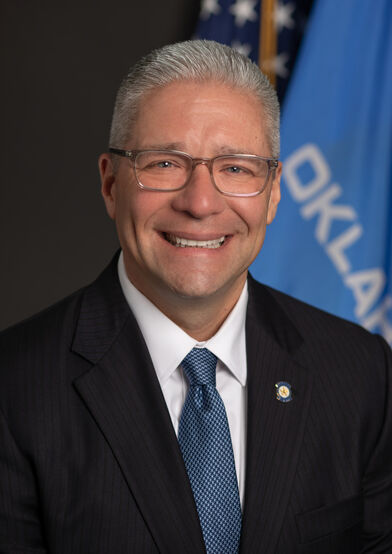
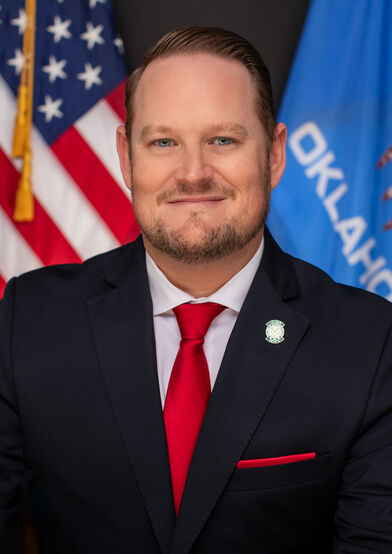
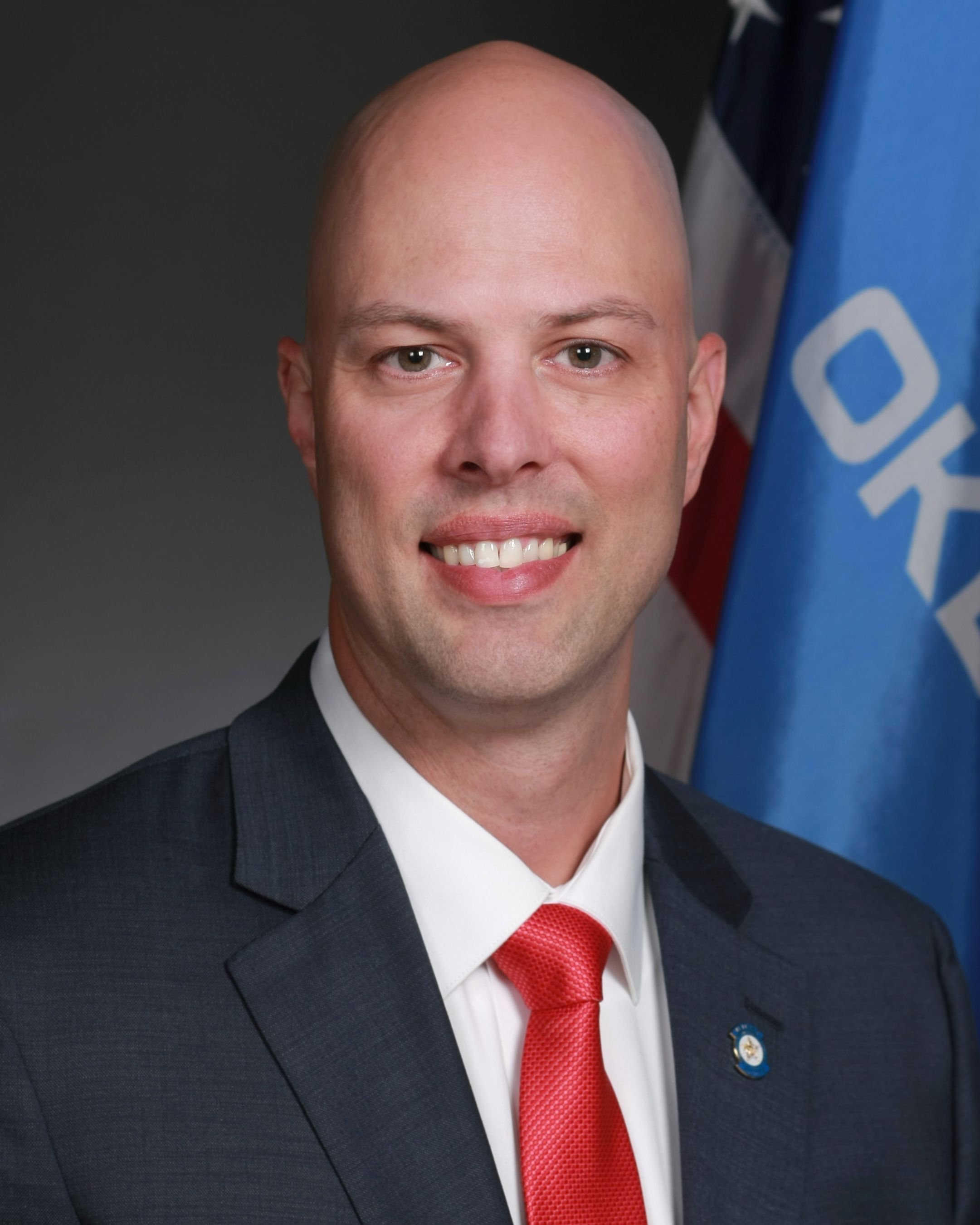
Brian Guthrie
Brian Guthrie Senate · District 25
R
Oppose
24% 158
Lisa Standridge
Lisa Standridge Senate · District 15
R
Oppose
26% 220
Jay Steagall
Jay Steagall House · District 43
R
Oppose
27% 149
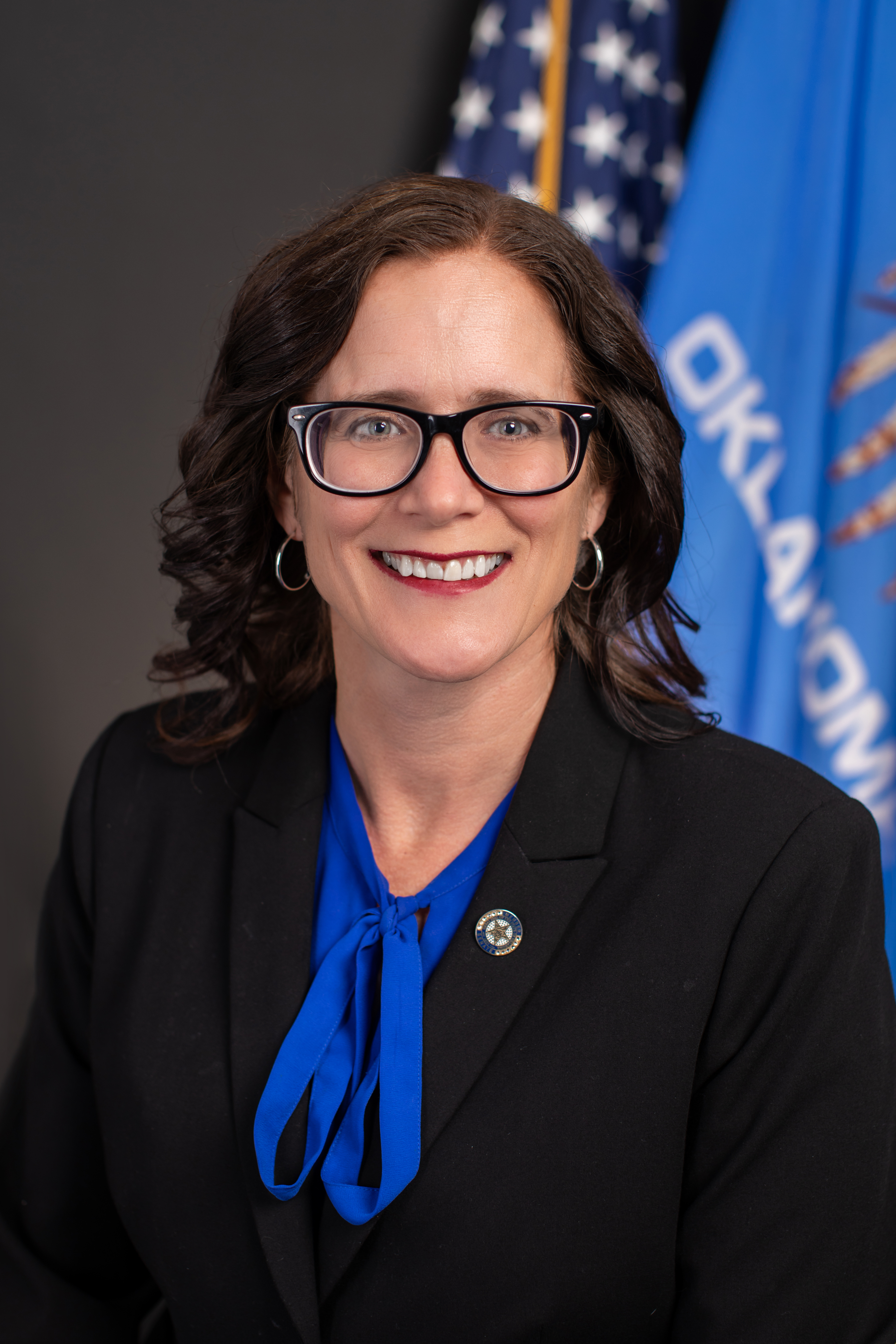
Julie McIntosh
Julie McIntosh Senate · District 3
R
Oppose
28% 164
Dusty Deevers
Dusty Deevers Senate · District 32
R
Oppose
28% 156
Showing 291–300 of 448 bills

All criminal justice bills

signed · Oklahoma · Senate May 13, 2026

SB 1213: Prisons and reformatories; modifying provisions related to inmate earned credits. Effective date.

SB 1213 modifies Oklahoma's inmate earned credit system by removing minimum incarceration time requirements (previously 3 months for Class 3, 8 months for Class 4) for assigning credit levels. It establishes new monthly credit rates based on an inmate's criminal history: inmates without prior felony convictions receive higher credits (Class 3: 45 credits/month, Class 4: 60 credits/month) compared to those with felony histories (Class 3: 33 credits, Class 4: 44 credits). The bill affects all state prison inmates by changing how their sentence reductions are calculated through earned credits. Key provisions include updating credit assignment criteria, requiring gender-neutral language, and specifying that credits cannot be earned for certain offenses like killing law enforcement officers. The changes apply to all inmates assigned to Class Levels 2-4 under the Department of Corrections' updated policies.
signed · Oklahoma · House May 12, 2025

HB 2364: Corrections; requiring inmates be assisted in receiving certain driver license before release; effective date.

HB 2364 requires Oklahoma's Department of Corrections to assist inmates without a current state-issued driver license or identification card in obtaining a REAL ID Noncompliant Driver License before release, or a REAL ID Noncompliant Identification Card if the license is unattainable. The department must begin this process at least nine months prior to release and provide employment-related documentation, including vocational records, birth certificates, and Social Security cards. Inmates over 65, those on medical parole, or in mental health units are exempt from preparing resumes or practicing job interviews. The bill becomes effective November 1, 2025.
signed · Oklahoma · House May 11, 2026

HB 1933: Nitrous oxide; Maddix Bias Act; definition; sale of nitrous oxide to persons under twenty-one; legal age; enforcement; penalty; imprisonment; effective date.

HB 1933 prohibits the recreational use and sale of nitrous oxide (laughing gas) for intoxication, directly affecting individuals under 21 and sellers to minors. It makes possessing nitrous oxide for intoxication a misdemeanor punishable by up to 90 days in jail or a $5,000 fine, with harsher penalties for possessing over 16 grams. Key exceptions include medical/dental use, food propellants (like whipped cream chargers), and industrial applications, ensuring the law doesn’t impact legitimate commercial or healthcare uses. The bill also prohibits selling nitrous oxide paraphernalia to those under 18 and allows business license suspension for repeat violations. It takes effect November 1, 2025.
Sub-Topics Corrections
in committee · Oklahoma · House Feb 4, 2025

HB 2176: State revenue administration; medical marijuana taxation; procedures; effective date.

HB 2176 establishes a 7% tax on retail medical marijuana sales in Oklahoma, collected at the point of sale by the Oklahoma Tax Commission (replacing the Medical Marijuana Authority as collector). The Tax Commission retains 1.5% of collected funds as a fee, with the remaining revenue (after fees) split: $65 million annually first allocated to public school funding (59.23%), the Medical Marijuana Authority (34.62%), and drug rehabilitation programs (6.15%), with any surplus going to the state general fund. The bill also mandates permanent license revocation for medical marijuana businesses that intentionally fail to pay taxes. It takes effect November 1, 2025.
in committee · Oklahoma · Senate Feb 4, 2025

SB 733: Criminal procedure; establishing time limitation for the filing of an indictment or information; allowing for extensions; authorizing certain release. Effective date.

SB 733 sets strict time limits for filing criminal charges in Oklahoma: prosecutors must file an indictment or information within 5 business days (or 10 days in counties over 500,000 population) after an arrest. If these deadlines pass without charges, arrested individuals held in custody can automatically request release without bail (on "own recognizance"). The state may request extensions for "good cause," but missing the deadline triggers mandatory release. This directly affects people detained after arrest who face delayed prosecution. The bill takes effect November 1, 2025.
in committee · Oklahoma · House Feb 4, 2025

HB 1320: Crimes and punishments; creating the Child Trafficking Protection Act of 2025; increasing penalties for certain unlawful act; effective date.

HB 1320 creates Oklahoma's "Child Trafficking Protection Act of 2025" by amending statutes to define human trafficking more broadly and significantly increase penalties. It specifically targets trafficking for commercial sex or labor, with harsher punishments: 5+ years to life for standard cases, and 15+ years to life without parole for offenses involving victims under 18. Key provisions include requiring offenders to pay victim restitution, mandating 85% of sentences be served before parole eligibility, and eliminating defenses based on victim consent or ignorance of a minor's age. The law directly affects traffickers and those exploiting victims, particularly minors, with stricter criminal consequences.
signed · Oklahoma · House May 6, 2026

HB 1168: Abortion-inducing drugs; terms; trafficking; felony; exceptions.

HB 1168 makes it a felony to knowingly deliver or possess abortion-inducing drugs (like misoprostol or methotrexate) with the intent of causing an abortion, punishable by up to $100,000 in fines or 10 years in prison. It directly affects individuals who provide such drugs for non-exceptional purposes, including off-label use for abortion. Key exceptions include pharmacists, manufacturers, and distributors acting within lawful medical practices, as well as preventive contraception used as directed by manufacturers. The law does not restrict treatment for ectopic pregnancies, miscarriages, or medical uses of drugs like chemotherapy.
in committee · Oklahoma · House Feb 20, 2025

HB 2248: Mental health; rural mental health and treatment diversion pilot programs; purpose; Department of Mental Health and Substance Abuse Services; contracts; promulgation of rules; effective date.

HB 2248 creates rural mental health pilot programs in Oklahoma designed to redirect individuals with mental health needs away from the criminal justice system and into treatment programs. The bill authorizes the Department of Mental Health and Substance Abuse Services to develop these programs (subject to funding) and enter contracts to implement them, focusing on rural communities. It requires the Department’s Board to create necessary rules for the programs’ operation and sets an effective date of November 1, 2025. The bill directly affects rural Oklahomans facing mental health challenges who might otherwise interact with law enforcement or courts.
died · Oklahoma · House Feb 5, 2025

HB 2734: Crimes and punishments; clarifying scope of certain prohibited act; effective date.

HB 2734 clarifies Oklahoma's obstruction of justice law by specifying that recording law enforcement activity in public and asking routine questions during stops, detentions, or arrests does not constitute obstruction. The bill explicitly states that such actions only count as obstruction if done with the intent to hinder, delay, or obstruct officers. It directly affects individuals interacting with police during encounters and bystanders observing such interactions. The changes take effect on November 1, 2025.
in committee · Oklahoma · Senate Mar 6, 2025

SB 1100: Assault and battery; requiring certain assessment; authorizing certain alternative programs. Effective date.

SB 1100 amends Oklahoma's domestic abuse sentencing laws to increase penalties for assaults against intimate partners or family members, including longer prison terms for repeat offenses and specific provisions for cases involving pregnant victims. The bill requires courts to mandate court-ordered assessments and participation in certified batterers' intervention programs (minimum 52 weeks) or alternative programs (minimum 26 weeks) as a condition of suspended or deferred sentences for domestic abuse convictions. Defendants must complete these programs, with three consecutive or seven total unexcused absences serving as evidence for probation revocation. The law directly affects individuals convicted of domestic abuse, courts managing these cases, and certified domestic violence program providers overseeing the required treatment.
Showing 291 to 300 of 448 bills
Previous 1 29 30 31 45 Next