

Maddy summaryThe Uyghur Genocide Accountability and Sanctions Act of 2025 expands U.S. sanctions against Chinese entities and individuals involved in human rights abuses against Uyghurs and other ethnic groups in Xinjiang, including forced labor, forced sterilization, and forced separation of children. It requires the U.S. government to deny entry to those complicit in forced abortions or sterilizations, provides physical and psychological support for victims outside China, and mandates documentation of atrocities through evidence collection and witness protection. The bill prohibits U.S. government contracts with entities linked to forced labor, requires a strategy to counter Chinese propaganda denying these abuses, and compiles information on detained family members of U.S. citizens in Xinjiang. Additionally, it includes seafood procurement restrictions to avoid products potentially made with forced labor.
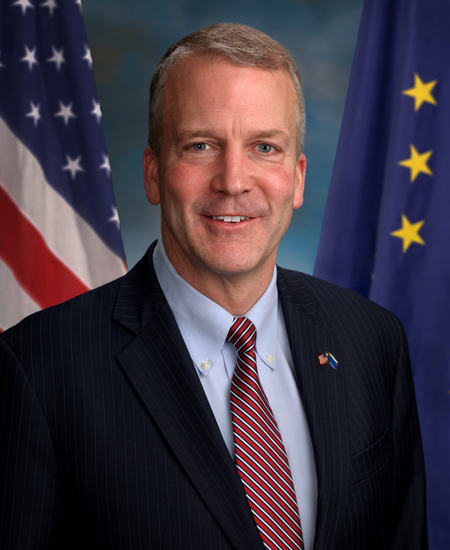
Sen. Dan Sullivan
Sponsored bills
Maddy summaryThis bill amends a Department of Veterans Affairs transportation grant program to improve healthcare access for rural veterans. It expands eligibility to include tribal organizations and Native Hawaiian organizations, and increases grant amounts (up to $50,000, with a potential 50% increase for counties with five or more off-road communities) to cover transportation costs. The changes apply to grants for rural veterans needing transportation to healthcare services, particularly in areas with limited road access. Funding is adjusted from fixed annual amounts to "such sums as may be necessary" for fiscal years 2025-2029.
Maddy summaryS 831, the REP VA Act, requires the Department of Veterans Affairs (VA) to improve telephone communication for veterans by 2026. It mandates that all VA calls about benefits or services use a single, well-known phone number with clear caller ID identifying the VA, and establishes at least one VA health care call center in each of six time zones (Eastern, Central, Mountain, Pacific, Alaska, and Hawaii). This directly affects veterans receiving VA services by making it easier to identify legitimate VA calls and access appointment support. The bill focuses on standardizing communication protocols without altering benefit eligibility or funding.
Veterans' Assuring Critical Care Expansions to Support Servicemembers (ACCESS) Act of 2025 This bill addresses the administration of the Veterans Community Care Program (VCCP) and other Department of Veterans Affairs (VA) health care matters. Among other provisions regarding the VCCP, the bill establishes in statute access standards that determine when a veteran is eligible to receive non-VA care through the VCCP, requires the VA to notify veterans regarding their eligibility for care within two business days after the VA is aware the veteran is seeking care, and extends the deadline for the submittal of claims under the VCCP by health care entities and providers. The VA must address its mental health treatment programs by establishing a standardized screening process to determine whether a veteran satisfies criteria for priority or routine admission to a mental health residential rehabilitation treatment program or a program for residential care for mental health and substance abuse disorders, tracking the performance of medical facilities and Veterans Integrated Service Networks in meeting the requirements for mental health treatment screenings and timely admission to treatment programs under such screenings, and establishing an appeal process for when a veteran is denied admission to a covered treatment program or is accepted into a program but not offered bed placement in a timely manner. Additionally, the VA must establish an online self-service module for veterans to request and manage appointments, track referrals, and appeal and track decisions related to requests for care.
Maddy summaryThis resolution (SRES 342) is a symbolic gesture honoring small firearm manufacturers in the U.S., recognizing their economic contributions and role in recreational shooting traditions. It specifically designates August 2025 as "National Shooting Sports Month" and commends these businesses for supporting 380,000 jobs and $91 billion in annual economic output. The resolution does not create new laws or funding but formally acknowledges small manufacturers’ role in preserving Second Amendment-related activities and outdoor culture. It is a commemorative statement with no binding policy impact.
Maddy summaryS 2504, the American Grown Act, requires three federal agencies (the Executive Office of the President, Defense Department, and State Department) to only purchase decorative flowers and plant greens grown within the U.S. (including states, territories, or tribal lands) for their operations. It also mandates that if these agencies accept gifts of such items from foreign governments or their agents, they must display the gift’s origin and simultaneously purchase a domestically grown alternative for display. The rule applies to all new procurement contracts made one year after the bill’s enactment. This policy directly affects federal spending on floral and greenery supplies, aiming to prioritize U.S.-grown products.
Maddy summaryThe Primacy Certainty Act of 2025 sets clear deadlines for the EPA to review state applications for primary control over Class VI wells (used for carbon dioxide storage). It requires the EPA to provide detailed written explanations if it misses a 180-day deadline for reviewing applications, and automatically approves applications if the EPA fails to act within 30 days after that deadline. States seeking control must already have primary enforcement authority for other well types, and the bill mandates EPA transfer of pending permits to states once approval is granted. This directly affects states applying to manage Class VI well regulations, reducing uncertainty in the approval process.
Maddy summaryS 2525, the Transnational Repression Policy Act, requires the U.S. government to develop a strategy to combat foreign governments' efforts to target individuals abroad - including activists, journalists, diaspora communities, and political dissidents - through intimidation, harassment, or harm beyond their borders. The strategy, due within 270 days of enactment, mandates diplomatic coordination with allies, funding for civil society groups supporting victims, and updates to law enforcement practices to address tactics like digital surveillance and foreign agent activities. It also requires training for State Department and law enforcement personnel (including DHS and DOJ) to recognize transnational repression tactics and create a public toolkit to connect affected communities with federal resources. The bill focuses on concrete actions like interagency coordination, public outreach, and assessing misuse of data or technology by governments engaging in such repression.
Maddy summaryThis bill expands Medicare Part B coverage to include specific pharmacist services, directly affecting Medicare beneficiaries and pharmacists who provide these services. It defines "pharmacist services" as evaluations and treatments for illnesses like COVID-19, flu, RSV, or strep throat, or services addressing public health emergencies, requiring collaboration with physicians as state law permits. Medicare would pay 80% of the lower of the actual charge or 85% of the physician payment rate (100% for public health emergencies), and prohibits balance billing for these services. The changes take effect January 1, 2026.
Processing Revival and Intrastate Meat Exemption Act or the PRIME Act This bill exempts from federal inspection requirements animals and meats that are slaughtered and prepared at custom animal slaughter facilities for distribution within the state. Under current law, a custom slaughter exemption applies if the meat is slaughtered exclusively for personal, household, guest, or employee uses. Specifically, the bill expands the federal inspection exemption to include the slaughter of animals or the preparation of carcasses, meat, and meat food products that are slaughtered and prepared at a custom slaughter facility in accordance with the laws of the state where the facility is located; and prepared exclusively for distribution to household consumers in the state or restaurants, hotels, boarding houses, grocery stores, or other establishments in the state that either prepare meals served directly to consumers or offer meat and food products for sale directly to consumers in the state. The bill does not preempt any state law concerning (1) the slaughter of animals or the preparation of carcasses, meat, and meat food products at a custom slaughter facility; or (2) the sale of meat or meat food products.