Issue · Transportation

Transportation

Every transportation bill, vote, and legislator stance in Ohio, automatically classified by Maddy, our AI policy reader.

Total bills
119
119th Congress
Top supporter
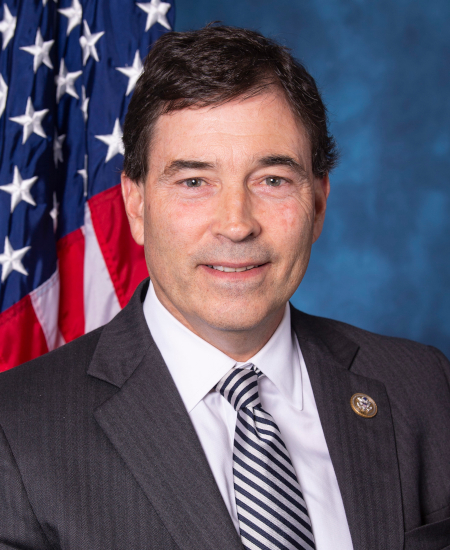
Troy Balderson
60% support rate
Top opponent
Bernie Moreno
33% support rate
Ranked legislators
9
5 support · 4 oppose
Key legislators

Who's moving transportation in Ohio

Legislators moving transportation in Ohio
Legislator Party Stance Support rate Votes
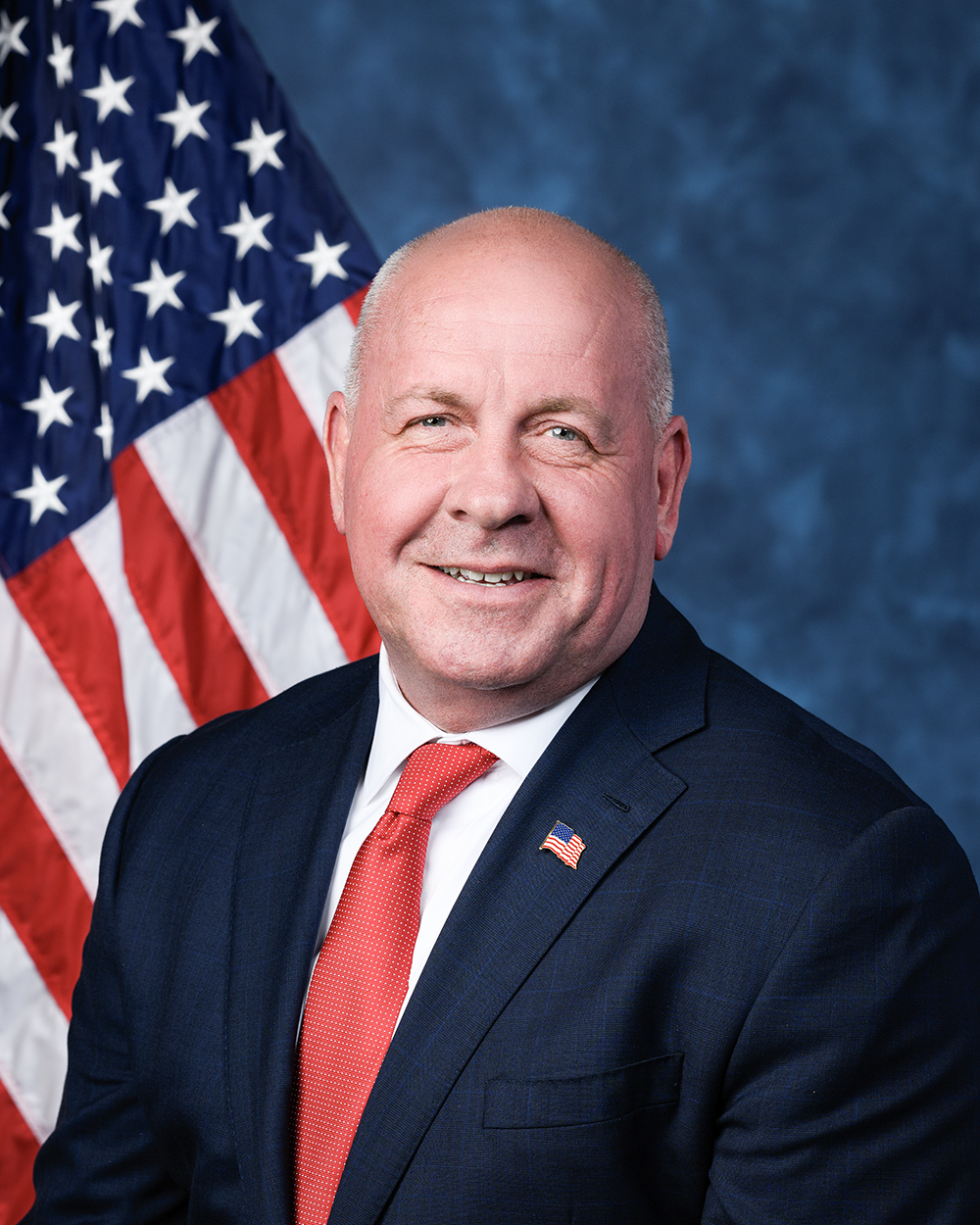
Troy Balderson
Troy Balderson House · District 12
R
Support
60% 123
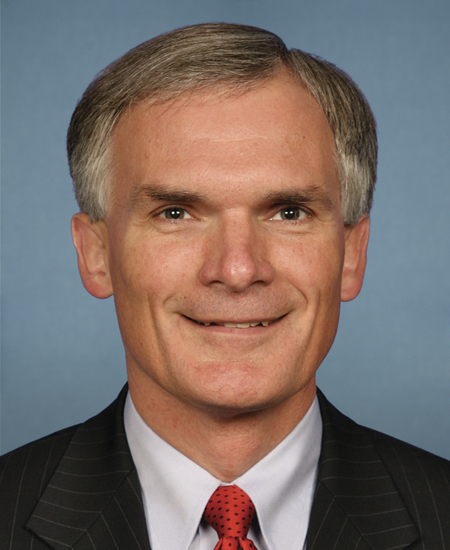
Robert E. Latta
Robert E. Latta House · District 5
R
Support
60% 123
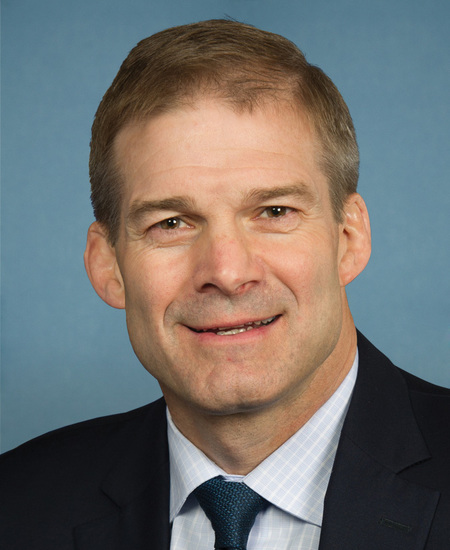
Jim Jordan
Jim Jordan House · District 4
R
Support
60% 120
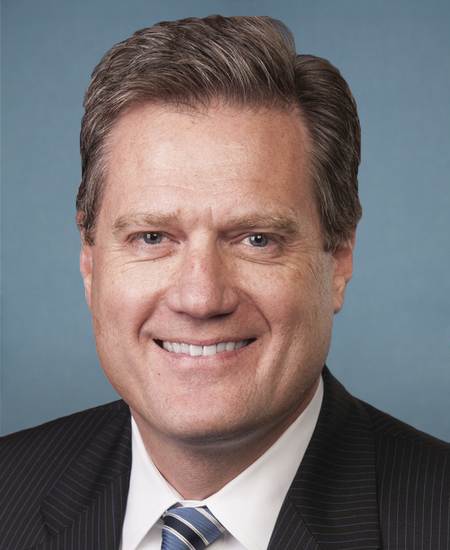
Michael R. Turner
Michael R. Turner House · District 10
R
Support
60% 120
David J. Taylor
David J. Taylor House · District 2
R
Support
60% 123
Bernie Moreno
Bernie Moreno Senate
R
Oppose
33% 151
Jon Husted
Jon Husted Senate
R
Oppose
33% 153
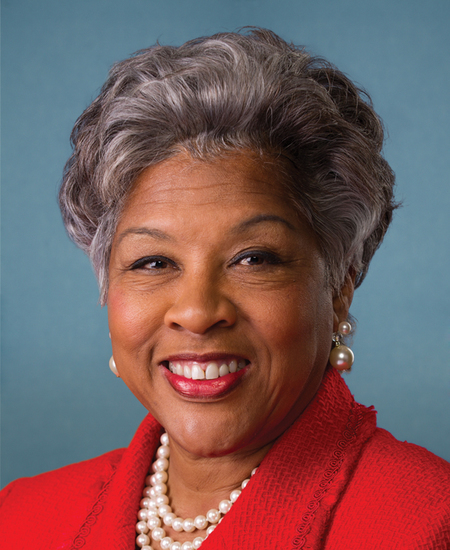
Joyce Beatty
Joyce Beatty House · District 3
D
Mixed −
47% 114
Greg Landsman
Greg Landsman House · District 1
D
Mixed −
47% 123
Showing 1–10 of 119 bills

All transportation bills

in committee · United States · House Sep 2, 2026

HR 10237: REVOKE Act

The REVOKE Act requires trucking companies and other commercial vehicle operators to maintain an active USDOT number in order to legally conduct business. It prohibits employers from operating without this active status and mandates that the Department of Transportation only issue numbers after verifying all registration requirements are met. Additionally, the bill directs officials to immediately deactivate any USDOT number if a company lacks valid registration or fails to submit required periodic updates.
Sub-Topics Freight
in committee · United States · Senate Aug 6, 2026

SJRES 210: A joint resolution providing for congressional disapproval under chapter 8 of title 5, United States Code, of the rule submitted by the Environmental Protection Agency relating "California State Nonroad Engine Pollution Control Standards; Commercial Harbor Craft Regulations; Notice of Decision".

This joint resolution seeks to block a specific rule issued by the Environmental Protection Agency that sets pollution control standards for nonroad engines used in commercial harbor craft. If passed, the measure would prevent the rule from taking effect, meaning the new regulations for these vessels would not be enforced. The bill directly impacts the EPA and the maritime industry by stopping the implementation of the stated pollution limits. It functions as a legislative veto, using existing federal law to disapprove the agency's decision without creating new policies itself.
in committee · United States · Senate Aug 5, 2026

SJRES 208: A joint resolution providing for congressional disapproval under chapter 8 of title 5, United States Code, of the rule submitted by the Environmental Protection Agency relating to "California State Motor Vehicle Pollution Control Standards; Advanced Clean Car Program; Reconsideration of a Previous Withdrawal of a Waiver of Preemption; Notice of Decision".

This bill allows Congress to reject a specific rule issued by the Environmental Protection Agency that concerns vehicle pollution standards in California. The measure would effectively cancel the EPA's decision to reinstate a waiver that previously let California set its own stricter air quality rules for cars. If passed, the rule would have no legal force, meaning California would lose the ability to enforce its Advanced Clean Car Program under the current framework. The legislation directly impacts the relationship between federal environmental regulations and state-level automotive policies.
in committee · United States · Senate Aug 5, 2026

SJRES 207: A joint resolution providing for congressional disapproval under chapter 8 of title 5, United States Code, of the rule submitted by the Environmental Protection Agency relating to "California State Motor Vehicle Pollution Control Standards; Notice of Decision Granting a Waiver of Clean Air Act Preemption for California's Advanced Clean Car Program and a Within the Scope Conformation for California's Zero Emission Vehicle Amendments for 2017 and Earlier Model Years".

This joint resolution seeks to overturn a specific rule issued by the Environmental Protection Agency that allowed California to set its own stricter vehicle emission standards. By using a congressional disapproval mechanism, the bill aims to nullify this waiver, which would otherwise let California enforce unique pollution control requirements for cars and trucks. If passed, the measure would require all states to follow the federal government's uniform vehicle emission rules instead of California's separate standards. The legislation directly impacts automakers, state regulators, and consumers by ensuring a single set of national rules applies to motor vehicle pollution.
in committee · United States · House Jul 23, 2026

HR 9896: WINGS Act of 2026

The WINGS Act of 2026 expands federal financial aid eligibility to cover specific aviation training expenses for students enrolled in qualifying aviation programs at colleges and universities. Under this bill, students could use federal funds to pay for costs such as flight simulator hours, aircraft instruction, aviation training materials, and licensing exam fees. The legislation defines eligible programs as those offering associate's or bachelor's degrees in aviation-related fields and includes professional degree programs that meet specific regulatory training standards. These changes would take effect on July 1, 2027, allowing students to access financial support for practical aviation training components starting with the 2027-2028 award year.
in committee · United States · House Jul 14, 2026

HR 9618: DEF Act

The Diesel Engine Flexibility Act establishes a ten-year regulatory stability period for diesel engines used in on-road vehicles, non-road equipment, and heavy-duty trucks. During this time, the Environmental Protection Agency is prohibited from issuing new or stricter emission standards beyond the 2007 and 2010 rules for on-road vehicles, or the Tier 4 rules for non-road engines, unless specific exceptions for repairs or fraud enforcement apply. After the decade concludes, any new regulations must include a five-year delay before taking effect and must consider the financial and operational impacts on vehicle owners and manufacturers. The bill also provides legal protection for manufacturers using specific guidance documents to manage engine performance and monitor fluid quality without facing penalties.
Sub-Topics Roads & Highways
in committee · United States · House Jun 24, 2026

HR 9424: Save Our Pedestrians Act of 2026

The Save Our Pedestrians Act of 2026 requires states to use 5 percent of their federal highway safety funds to improve safety at high-risk pedestrian crossings. These crossings are defined as locations where local governments and state officials identify a high frequency of injuries or deaths involving pedestrians and vehicles. The law directly affects state transportation agencies and local communities by mandating that these specific funds be spent on projects designed to reduce pedestrian accidents. By setting aside a dedicated portion of the budget, the bill ensures that resources are targeted toward areas with the greatest need for safety improvements.
in committee · United States · House Jun 29, 2026

HRES 1395: Support for the designation of the week of June 29 through July 4, 2026, as "National Tire Safety Week" in the United States, and supporting the goals and ideals of National Tire Safety Week to educate American motorists about the importance of proper tire care and maintenance.

This resolution designates the week of June 29 through July 4, 2026, as National Tire Safety Week to raise awareness among American motorists about vehicle tire maintenance. The measure encourages drivers to inspect their tires for damage, check pressure monthly, and follow manufacturer recommendations for rotation and alignment to prevent accidents and improve safety. By promoting these specific maintenance habits, the bill aims to reduce tire-related injuries and fatalities on the road without imposing new legal requirements or funding changes.
Sub-Topics Roads & Highways
in committee · United States · House Jun 25, 2026

HR 9453: End EPA Abuse Act of 2026

The End EPA Abuse Act of 2026 amends the Clean Air Act to limit the Environmental Protection Agency's authority to create new regulations. Specifically, it prohibits the EPA Administrator from issuing rules that restrict the sale or use of internal combustion engine vehicles, force power plants to switch fuel sources, or reduce the reliability of the electric grid. The bill also bars the agency from mandating technologies that are commercially unavailable, too expensive without subsidies, or technically unfeasible due to geographic or infrastructure limitations. Additionally, the law prevents the EPA from expanding its regulatory power beyond what Congress originally intended. These changes directly affect the EPA's ability to enforce environmental standards and impact industries such as automotive manufacturing and energy production.
in committee · United States · House Jun 15, 2026

HR 9320: All in For Attendance Act

The All in For Attendance Act aims to reduce chronic student absenteeism by requiring schools to implement specific support strategies for students missing 10 percent or more of school days. It mandates the creation of data systems to track attendance reasons, establishes advisory programs to engage families, and requires schools to partner with community organizations to remove barriers like transportation or health issues. The legislation also prohibits schools from using suspensions, fines, or academic penalties as punishment for student absences. Additionally, it directs funds toward evidence-based interventions such as social and emotional learning programs, restorative justice, and high-impact tutoring to improve student engagement and attendance.
Showing 1 to 10 of 119 bills
1 2 3 12 Next