Maddy summaryHB 87 (Educational Choice for Children Act) allows North Carolina to participate in a federal tax credit program that encourages donations to private scholarship organizations. The bill requires the State Education Assistance Authority to maintain and publish an annual list of qualifying scholarship groups operating in North Carolina, enabling donors to claim federal tax credits for contributions. These scholarships can cover elementary and secondary school costs, including homeschooling expenses, as permitted under federal law. The law becomes effective after 2026, with the Authority needing to establish necessary rules by July 2026 to comply with federal requirements.
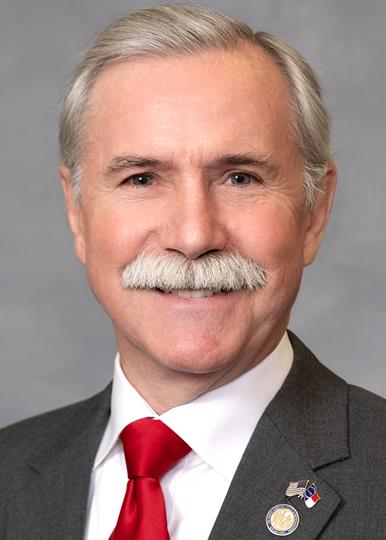
Rep. Dennis Riddell
Sponsored bills
Maddy summaryThis bill allows North Carolina public schools to use an extra three days or 15 hours of remote instruction when they face ongoing emergencies after already using their standard emergency allowance. Schools that have exhausted their initial five-day limit for weather, power outages, or other crises can now count this additional time toward their required school calendar. To ensure accountability, school districts must report details about these extra days and the specific emergencies that caused them to the state by July 1 each year. The legislation also allocates $5,000 in state funds to help cover administrative costs and provide technical support for enforcing these new rules starting in the 2026-2027 school year.
Maddy summaryThis bill establishes an Interstate Compact for School Psychologists in North Carolina, allowing licensed professionals to practice in other participating states without facing repetitive licensing requirements. The legislation creates a commission to oversee the agreement and defines specific rules for mobility, including provisions for military families and standards for professional conduct. Additionally, the bill allocates funds to support a virtual training program for school psychologists. By streamlining the licensure process, the measure aims to increase the availability of qualified mental health services in schools across member states.
Maddy summaryHB 1042 updates North Carolina's property tax exemptions for nonprofit organizations that provide housing for low- or moderate-income individuals. The bill clarifies that land held by nonprofits for future affordable housing projects can remain tax-exempt for up to five years, with unpaid taxes deferred until the project is completed or the land is no longer used for this purpose. Additionally, the legislation establishes a new specific exemption for affordable rental housing, defining it as developments where more than half the units are rented to tenants earning at or below 80% of the area median income. These changes aim to provide clearer tax incentives for nonprofits developing and operating affordable rental properties.
Maddy summaryThis bill proposes a constitutional amendment that would require the North Carolina legislature to establish a statewide limit on how much local property tax levies can increase each year. The measure also mandates that any local government wanting to raise property taxes beyond this limit must first obtain approval from a majority of voters in that specific area. Because this change alters the state constitution, it will not take effect immediately but will instead be placed on the November 3, 2026, ballot for voters to decide whether to adopt. If approved by the public, the amendment would legally bind the General Assembly to create the specific tax increase caps mentioned in the text.
Maddy summaryThis bill, known as the Mike Clampitt 1st Responder Tax Fairness Act, aims to expand tax exemptions for volunteer fire departments and rescue squads in North Carolina. Specifically, it allows these independent groups, which have two or fewer paid employees and are already exempt from state income tax, to avoid paying a highway use tax on specific emergency vehicles like fire trucks, forest firefighting units, and other emergency service vehicles. The change applies to vehicles when a certificate of title is issued on or after July 1, 2026, ensuring these organizations can acquire necessary equipment without incurring this particular tax. By broadening the existing exemption, the legislation directly benefits volunteer responders who operate outside of local government units.
Maddy summaryHB 122, the North Carolina Healing Arts Act, would establish a new North Carolina Healing Arts Commission to regulate specific complementary medicine professions. It directly affects reflexologists and music therapists by requiring them to obtain state licenses to practice, ensuring they meet standards for public safety and professional competence. The bill creates the Commission to develop licensing rules, issue and enforce licenses, handle disciplinary actions, and set fees - all funded by practitioner fees rather than state funds. This legislation aims to protect consumers by standardizing qualifications for these healing arts professions while creating a formal regulatory structure.
Maddy summaryThis bill creates a pilot program to train new individuals with no prior experience as lead teachers in North Carolina's licensed child care centers. Funded by state money and requiring a local match, the program offers free, intensive training courses through community colleges in selected counties, with graduates receiving a state credential and potential stipends for completing the course and working for a year. The initiative aims to expand the child care workforce by establishing academies across the state, starting in Johnston and Wayne counties, and includes requirements for local partnerships to select additional sites. Additionally, the bill directs the North Carolina Partnership for Children to study the feasibility of liability insurance for providers and update bidding rules for child care grants.
Maddy summaryThis bill increases penalties for secret peeping offenses in North Carolina when the victim is a minor under the age of 18. It reclassifies certain non-consensual viewing acts from misdemeanors to Class A1 misdemeanors and elevates crimes involving photography or image dissemination to felony levels, specifically Class H felonies for offenses against minors. The legislation also allocates $25,000 to fund a public awareness campaign about these updated laws. These stricter punishments and funding measures will take effect on July 1, 2026, with the new penalty provisions becoming active on December 1, 2026.
Maddy summaryThis bill establishes a program to provide free hyperbaric oxygen therapy to North Carolina veterans diagnosed with traumatic brain injury or posttraumatic stress disorder. The legislation appropriates $3 million from the state General Fund to a nonprofit organization to deliver approximately 15,000 treatments to an estimated 350 eligible veterans over the 2026-2027 fiscal year. The program includes structured clinical care and requires the provider to submit a detailed report on outcomes and fund usage by June 2027.