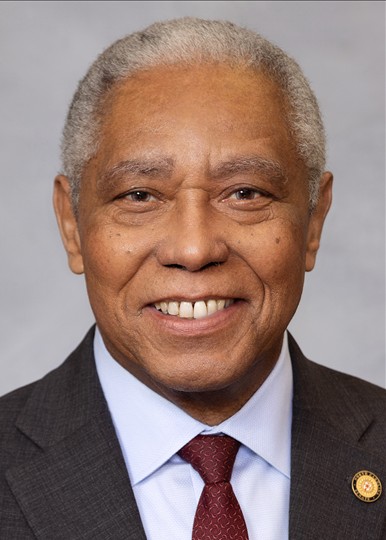
SB 528 (Child Care Regulatory Reforms and Flexibilities) allows five years of documented work experience in a licensed North Carolina child care facility to count as equivalent to the North Carolina Early Childhood Credential for lead teachers and star ratings. It also increases the maximum group size for toddlers from 18 to 20 children in centers maintaining a 1/9 staff-to-child ratio, while adjusting nap-time supervision requirements. These changes directly affect licensed child care centers, administrators, lead teachers, and staff by providing alternative pathways to meet credentialing requirements and adjusting operational standards for group sizes. The bill aims to increase flexibility for providers while maintaining safety and quality standards under North Carolina’s child care regulations.
This bill creates a voluntary program allowing businesses in North Carolina to contribute to portable benefit accounts for their independent contractors. The plan enables hiring parties to fund benefits such as health insurance, retirement, and disability through a third-party administrator, which helps contractors maintain coverage when moving between jobs. To encourage participation, the legislation allows businesses to deduct contributions as business expenses and permits contractors to exclude those amounts from their taxable income. Additionally, the bill includes a $100,000 appropriation to fund public education about the program, which will take effect on July 1, 2026.
HB 171 prohibits North Carolina state agencies from implementing diversity, equity, and inclusion (DEI) programs, including in hiring, employment practices, or training. It defines DEI broadly as any initiative influencing hiring or benefits based on protected characteristics (like race or gender) beyond merit-based processes. The bill mandates state auditor compliance audits, imposes civil penalties up to $5,000 per violation, and allows employees to file lawsuits after submitting a grievance to their agency. It explicitly excludes compliance with existing anti-discrimination laws (such as Title IX and the ADA) and protects First Amendment rights.
This bill amends North Carolina's workplace violence prevention laws to include "mass picketing" as a form of unlawful conduct. It defines mass picketing as any picketing that obstructs entry to or exit from a workplace or public roads. The bill expands the definition of "unlawful conduct" to include hindering work or blocking access through mass picketing. This allows employers to seek civil no-contact orders against individuals engaging in these newly defined unlawful acts. The legislation explicitly states it does not apply to union activities or labor disputes protected by federal law.
SB 124 aims to make North Carolina state government hiring more accessible by reducing unnecessary barriers. It requires the State Human Resources Commission to review job requirements starting October 2025, removing mandatory four-year degree requirements where practical experience (like military service or trade school) is sufficient. The bill also modernizes the application process by allowing resume uploads to auto-fill forms and simplifies job postings to limit additional qualifications to five, ensuring applicants clearly see basic requirements. These changes apply to all state agencies hiring staff, directly affecting job seekers and hiring managers across North Carolina's government workforce.
HB 568 modifies North Carolina's labor laws primarily to streamline safety inspections and administrative processes. It restricts subpoenas against Department of Labor staff during safety investigations (except in enforcement cases or with written consent), limits public hearings for adopting federal safety standards identical to federal rules, and requires medical examiners to share workplace injury reports with the Labor Commissioner within 30 days. The bill also clarifies that safety inspection documents remain admissible in court without witness testimony unless reliability is in question. These changes affect the Department of Labor, employers, and workers' safety investigators by altering how evidence is handled and shared in workplace safety cases.
HB 247 updates North Carolina's Underground Utility Safety and Damage Prevention Act to improve safety for construction and utility work. It requires utility companies (facility operators) to mark underground utility locations within 3 business days (10 days for underwater facilities) and sets clearer deadlines for excavators to provide notice before digging. The bill defines key terms like "soft dig technologies" (using air/water to dig) and "safety buffer zones" around utilities to reduce damage risks. These changes directly affect construction crews, utility companies, and contractors performing excavation work across the state.
House Bill 859 proposes to prohibit counties and cities in North Carolina from establishing or enforcing guaranteed income programs. This directly affects local governments by restricting their ability to implement certain types of financial aid programs for their residents. The bill defines a "guaranteed income program" as one that issues unconditional cash payments to individuals on a regular basis for any purpose. However, it clarifies that programs requiring recipients to seek reemployment, perform work, or attend training are not included in this prohibition. This restriction would apply unless such programs are specifically authorized by other general or local laws.
HB 97 adds stomach cancer (gastric cancer) to the list of occupationally related cancers that qualify firefighters for "killed in the line of duty" benefits under North Carolina's Public Safety Employees' Death Benefits Act. This means firefighters who die from stomach cancer directly linked to their firefighting duties will automatically be eligible for death benefits, easing the process for families seeking compensation. The bill appropriates $500,000 annually from 2025-2027 to cover these benefits. It takes effect July 1, 2025, applying to qualifying deaths occurring on or after that date.
HB 637 grants flexibility to Pitt County Schools regarding salary supplements for advanced teaching roles. It allows the $10,000 supplement for an adult leadership teacher to be shared with other teachers. This sharing is permitted when those teachers are collaborating in a "community of practice" to address an instructional issue within schools participating in the R3 Program Community of Practice model. This bill applies exclusively to Pitt County Schools and becomes effective for the 2025-2026 school year.