

Issue · Environment
Environment
Every environment bill, vote, and legislator stance in North Carolina, automatically classified by Maddy, our AI policy reader.
Total bills
85
2025-2026 Session
Top supporter
Buck Newton
80% support rate
Top opponent
Gale Adcock
0% support rate
Ranked legislators
10
5 support · 5 oppose
Key legislators
Who's moving environment in North Carolina
| Legislator | Party | Stance | Support rate | Votes |
|---|---|---|---|---|

Buck Newton
Senate · District 4
|
R |
Strong +
|
80% | 7 |
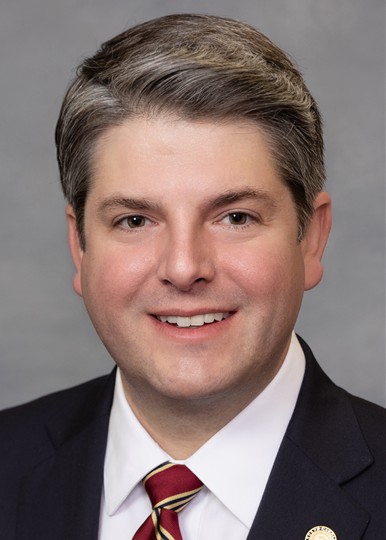
Brad Overcash
Senate · District 43
|
R |
Strong +
|
80% | 7 |

Bobby Hanig
Senate · District 1
|
R |
Strong +
|
80% | 7 |

Kevin Corbin
Senate · District 50
|
R |
Support
|
67% | 8 |
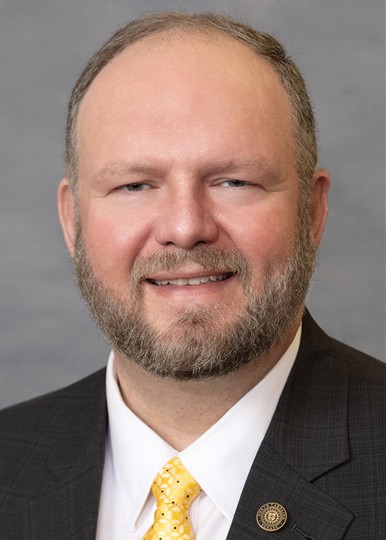
Ralph Hise
Senate · District 47
|
R |
Support
|
67% | 8 |

Gale Adcock
Senate · District 16
|
D |
Strong −
|
0% | 8 |

Gladys Robinson
Senate · District 28
|
D |
Strong −
|
0% | 8 |
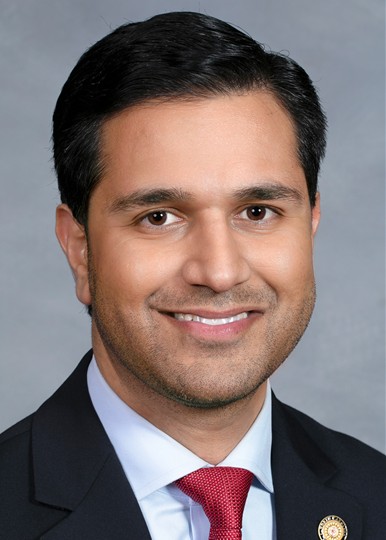
Mujtaba Mohammed
Senate · District 38
|
D |
Strong −
|
17% | 8 |

Woodson Bradley
Senate · District 42
|
D |
Strong −
|
20% | 7 |

Caleb Theodros
Senate · District 41
|
D |
Strong −
|
20% | 7 |
Showing 61–70 of 85
bills
All environment bills
SB 496: Funds For Coastal Federation.
Topics
✓ Budget & TaxesSupports Budget & TaxesBill explicitly appropriates $6.25M one-time and $1M annual for coastal programs, directly advancing state budget allocation for environmental initiatives.
✓ EnvironmentSupports EnvironmentFunds coastal environmental programs including shoreline protection, oyster recycling, and vessel removal - directly supports conservation and pollution control as listed in subjects.
✓ TransportationSupports TransportationBill funds $1M annually to remove abandoned vessels (transportation-related program) and lists TRANSPORTATION as a subject, aligning with 'funds transportation projects' indicator.
SB 555: Wetlands Protection and Restoration Act.
Topics
✓ Budget & TaxesSupports Budget & TaxesAllocates $15M from state budget for wetland conservation via appropriations, directly funding environmental programs through dedicated funding streams.
✓ EnvironmentSupports EnvironmentAllocates $15M for wetland conservation, restoration, and enforcement, directly advancing environmental protection through funding and regulatory strengthening.
SB 590: Coastal Plain Resilience and Eco. Pros. Act.
Topics
✓ Budget & TaxesSupports Budget & TaxesBill appropriates $2 billion for environmental programs including water systems and coastal resilience, directly funding essential public services.
✓ EnvironmentSupports EnvironmentAllocates $2B for DEQ environmental programs including water systems, PFAS cleanup, Superfund, and coastal resilience projects.
SB 612: Convert School Buses to Electric by 2050.
Topics
✓ Budget & TaxesSupports Budget & TaxesAppropriates $350M for school bus conversions and $50M for grants, directly increasing state budget allocation for public transportation infrastructure and education funding.
✓ EducationSupports EducationBill allocates $350M for electric school bus conversions and $50M for grants, improving school transportation infrastructure and student access to educational activities.
✓ EnergySupports EnergyBill mandates electric school buses by 2050, funds conversions ($350M), and promotes alternative energy infrastructure through grants, directly advancing renewable transportation and reducing fossil fuel dependence.
✓ EnvironmentSupports EnvironmentRequires electric school buses to reduce emissions, funds conversion with $400M total, directly advancing clean energy and pollution control in transportation.
✓ TransportationSupports TransportationMandates electric school buses, funds conversions ($350M), and creates grants for electric activity buses - promotes sustainable transportation infrastructure.
SB 574: Soil Health Task Force.
Sub-Topics
Water Quality
SB 597: Environmental Justice.
SB 653: Polluter Pays.
SB 644: Green Schools Save Money.
Topics
✓ Budget & TaxesSupports Budget & TaxesBill allocates $1.5B in state funds for school energy upgrades and electric buses, directly increasing public education budget spending.
✓ EducationSupports EducationAllocates $1.5B for school infrastructure upgrades (HVAC, lighting, solar) and electric buses - directly funds K-12 school facilities under Education subjects.
✓ EnergySupports EnergyAllocates $1.5B for solar panels, building efficiency, and electric school buses, directly advancing renewable energy and reducing fossil fuel dependence in public schools.
✓ EnvironmentSupports EnvironmentAllocates $1.5B for solar panels, electric buses, and energy efficiency - directly reduces emissions and promotes clean energy per bill's funding breakdown and environmental subjects.
✓ TechnologySupports TechnologyFunds solar panels (alternative energy tech) and electric buses (EV technology), directly advancing tech infrastructure in schools per bill's allocation.
✓ TransportationSupports TransportationBill allocates $250M to replace combustion school buses with electric models (assembled in NC), directly advancing sustainable transportation infrastructure and vehicle regulations per subjects list.
SB 666: 2025 Water Safety Act.
Topics
✓ Budget & TaxesSupports Budget & TaxesAllocates $56M PFAS Mitigation Fund and $14M for research via state appropriations, directly funding environmental infrastructure and public health programs.
✓ EnvironmentSupports EnvironmentCreates $56M PFAS fund, sets strict drinking water limits (4 ppt), mandates science-based industrial discharge limits, and requires source reduction plans for environmental protection.
✓ HealthcareSupports HealthcareAddresses PFAS contamination in drinking water - a public health risk - via $56M fund for testing, treatment, and research to protect community health.