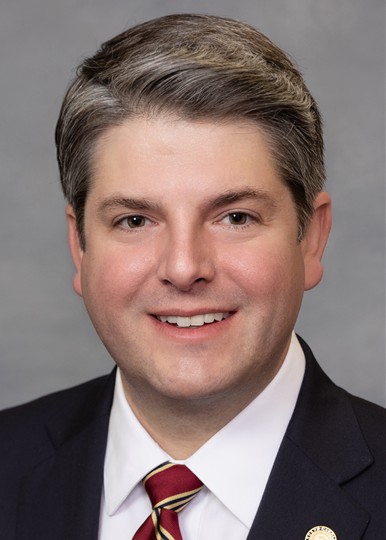
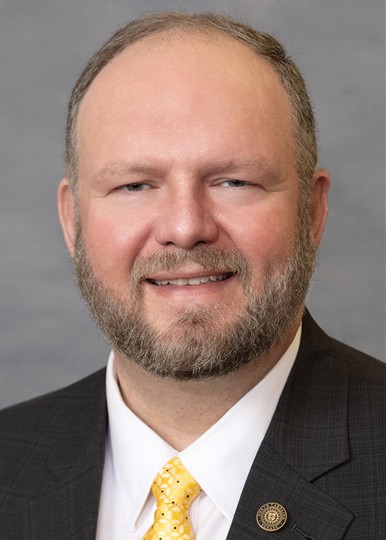
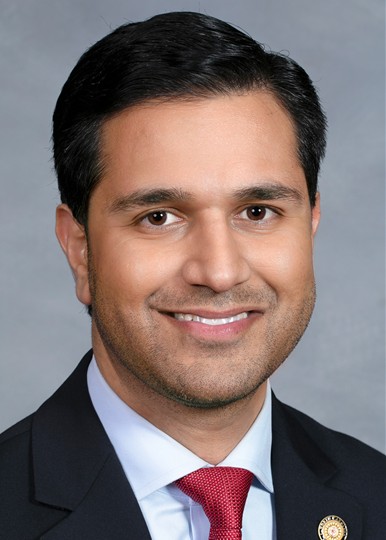
SB 1047, titled the Regulatory Reform Act of 2026, organizes and updates North Carolina's laws regarding Guaranteed Energy Savings Contracts (GESC) to provide regulatory relief for citizens. The bill primarily affects state and local governmental units by establishing a structured process for these contracts, which allow governments to pay for energy-saving upgrades based on actual savings rather than upfront costs. Key provisions require officials to publish requests for qualifications, select providers based on specific criteria like past performance and technical feasibility, and conduct independent audits to verify projected energy savings. Additionally, the legislation sets clear thresholds for terminating projects if the actual savings do not meet the guaranteed estimates, ensuring accountability in public spending.
HB 1113 extends a ban on new shellfish and aquaculture leases in the New Hanover County area until July 1, 2026. This restriction applies to any lease applications received by the state but not approved before July 1, 2019, covering a specific coastal zone defined by geographic coordinates and landmarks. The bill also allocates $10,000 to fund public education and notifications about this extension. Finally, the law takes effect on July 1, 2026, and will govern how the Department of Environmental Quality reviews future lease requests.
HB 1129 allows residential customers in North Carolina to install and operate small, portable solar panels up to 1.2 kilowatts without needing approval or paying extra fees from their electric power supplier. The bill requires these devices to be safety-certified, comply with electrical codes, and include a feature that stops them from sending power to the grid during an outage, while also exempting them from standard net metering rules. Additionally, the law prevents landlords of larger rental properties from blocking tenants from placing these devices on their units, provided the installation does not block emergency exits or cause property damage.
This bill establishes the Affordable Housing Efficiency Grant Program in North Carolina to provide funding for energy efficiency and electric upgrades in affordable multifamily housing buildings. The program targets residential complexes with at least 50% of units reserved for low-income households that have been in service for at least 15 years, with a focus on projects located in underserved communities. Eligible buildings can receive grants of up to $0.75 per square foot to cover costs for measures such as heat pumps, electric water heaters, insulation, and related planning or health improvements, provided they maintain their affordability status. The Department of Environmental Quality will manage the program using $5 million in recurring state funds starting in the 2026-2027 fiscal year, while recipients must report annually on energy savings and other outcomes.
This bill establishes a new fund called the Contaminated Parks Remedial Account to help clean up environmental hazards in public parks across North Carolina. It directs money from taxes on trash disposal and corporate income to pay for assessing and fixing pre-1983 landfills or other inactive hazardous sites that make parks unusable. Local governments that own the affected parks must contribute one dollar for every four dollars provided by the state to share the cost of cleanup. The program is scheduled to begin in 2026, with funding amounts gradually increasing over time as more tax revenue is generated.
HB 1047, the North Carolina Microplastics Study Act, directs the North Carolina Collaboratory at the University of North Carolina at Chapel Hill to study the presence and impacts of microplastics in the state's waterways. Funded with $150,000 for the 2026-2027 fiscal year, the bill requires the Collaboratory to identify plastic particles, assess their environmental and health risks, and develop strategies to prevent future pollution and reverse existing harm. The Collaboratory must work with state agencies and stakeholders to create a prioritized research plan and standardized detection methods, ultimately submitting a comprehensive report with findings and policy recommendations by July 1, 2027.
This bill establishes a two-year pause on issuing permits for new datacenters in North Carolina, which are defined as facilities with a power capacity of 100 megawatts or more. During this moratorium, a university research group will study the potential impacts of these facilities on the state's electricity grid, water supplies, air quality, and local property values. The legislation also requires datacenters to annually submit detailed financial and operational reports to the state to receive tax exemptions on their equipment purchases. Additionally, the Department of Commerce must report the total revenue lost to the state due to these tax breaks to the General Assembly.
This bill authorizes the North Carolina Division of Motor Vehicles to issue a special "Red Wolf" license plate for vehicle owners who wish to support the conservation of this native species. The plates will feature an image of a red wolf and carry an additional $30 fee, with specific portions of those funds directed to the North Carolina Wildlife Resources Commission for conservation, research, and habitat restoration efforts. To help launch the program, the state has appropriated $15,000 for plate design and production, while North Carolina State University is tasked with promoting the plate to its campus community and will report on its marketing efforts by September 2027.
SB 1030 expands North Carolina's Weatherization Assistance Program for low-income families by requiring health and safety improvements, such as better indoor air quality measures, alongside standard energy efficiency upgrades. The bill authorizes community-scale projects that target multiple homes in neighborhoods facing shared environmental or economic challenges, allowing local agencies and utilities to submit proposals for these initiatives. To fund these changes, the legislation appropriates $10 million for the 2026-2027 fiscal year, with rules established to prioritize projects that maximize energy savings and address housing vulnerabilities.
This bill establishes a new fund to address water contamination from specific chemicals known as PFAS and 1,4-dioxane. It allocates $56 million for grants to local water and wastewater systems to help them monitor, treat, and clean up these contaminants, with priority given to areas already facing significant health or environmental risks. An additional $14 million is set aside for scientific research at the University of North Carolina to develop better detection and removal methods for these substances. The legislation also provides $25 million specifically to protect firefighters and their families by funding studies, temporary water supplies, and filtration systems for fire stations affected by these chemicals.