Issue · Environment

Environment

Every environment bill, vote, and legislator stance in North Carolina, automatically classified by Maddy, our AI policy reader.

Total bills
15
2025-2026 Session
Top supporter
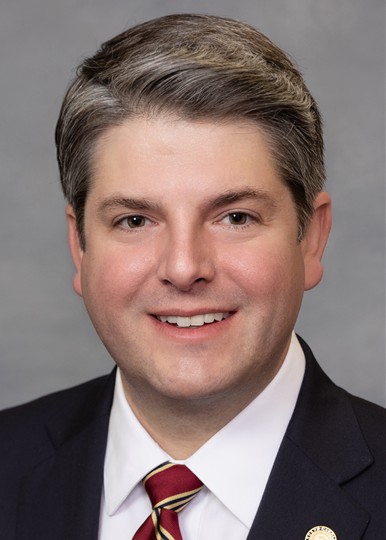
Buck Newton
80% support rate
Top opponent
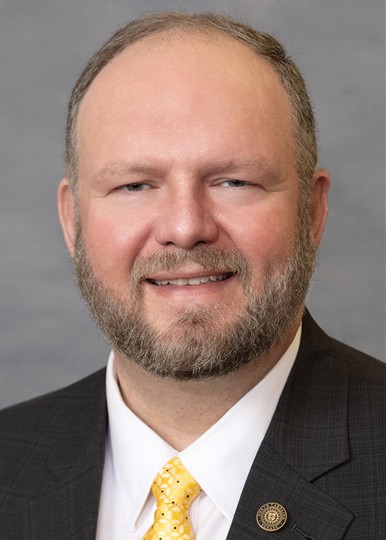
Gale Adcock
0% support rate
Ranked legislators
10
5 support · 5 oppose
Key legislators

Who's moving environment in North Carolina

Legislators moving environment in North Carolina
Legislator Party Stance Support rate Votes
Buck Newton
Buck Newton Senate · District 4
R
Strong +
80% 7
Brad Overcash
Brad Overcash Senate · District 43
R
Strong +
80% 7
Bobby Hanig
Bobby Hanig Senate · District 1
R
Strong +
80% 7
Kevin Corbin
Kevin Corbin Senate · District 50
R
Support
67% 8
Ralph Hise
Ralph Hise Senate · District 47
R
Support
67% 8
Gale Adcock
Gale Adcock Senate · District 16
D
Strong −
0% 8
Gladys Robinson
Gladys Robinson Senate · District 28
D
Strong −
0% 8
Mujtaba Mohammed
Mujtaba Mohammed Senate · District 38
D
Strong −
17% 8
Woodson Bradley
Woodson Bradley Senate · District 42
D
Strong −
20% 7
Caleb Theodros
Caleb Theodros Senate · District 41
D
Strong −
20% 7
Showing 1–10 of 15 bills

All environment bills

in committee · North Carolina · House May 4, 2026

HB 1156: Wastewater Design Flow Modifications.

This bill allows wastewater treatment system operators in North Carolina to calculate sewage flow rates for new homes at a lower standard of 55 gallons per day per bedroom, provided the state environmental department approves the change based on local usage data. Under the new rules, operators must still ensure that reducing the flow rate does not harm public health or the environment, while systems without allocated capacity for future connections must continue using the standard rate of 75 gallons per day per bedroom. To support these changes, the state will allocate $10,000 to the Department of Environmental Quality in the 2026-2027 fiscal year to review and evaluate the proposed lower flow rates. The legislation is set to take effect on July 1, 2026.
Sub-Topics Water Quality
in committee · North Carolina · Senate May 4, 2026

SB 977: Moratorium on New Coastal Fishing Regulations.

This bill establishes a temporary pause on new rules that would restrict commercial and recreational fishing in North Carolina's coastal waters. It directly affects fishermen, seafood businesses, and anglers by preventing state agencies from lowering catch limits, shortening seasons, closing fishing areas, or adding new reporting and gear restrictions. The legislation also stops any changes to existing harvest quotas and restores recreational fishing regulations to the standards that were in place on January 1, 2019. These measures remain in effect until the state completes a comprehensive study on its fisheries and reviews the findings. The only exceptions allow for regulatory changes required by federal laws or conditions attached to federal funding.
died · North Carolina · Senate Jun 17, 2026

SB 1009: Repeal Hardened Structure Ban.

This bill removes the current prohibition on building hardened structures like seawalls and bulkheads along North Carolina's coast, allowing property owners and developers to construct them. Instead of an outright ban, the legislation requires the state Commission to create rules that permit these projects only if they do not cause significant harm to private property or public beaches, while also weighing the benefits of protecting homes and infrastructure. To support this change, the bill appropriates $850,000 for a university research group to update the state's coastal management plan, which will assess erosion risks and recommend maintenance schedules for inlets. The new regulations will take effect in September 2026, applying to any construction applications submitted on or after that date.
in committee · North Carolina · House May 5, 2026

HB 1187: Save Our Beaches.

This bill, titled "Save Our Beaches," stops a specific rule that would have allowed the use of wheat straw bales for sand fencing in North Carolina's ocean hazard areas. By disapproving this rule, the legislation ensures that beach restoration projects in these zones cannot rely on this particular type of temporary barrier. The change directly affects coastal management agencies and contractors who might have planned to use wheat straw bales for erosion control. Ultimately, the bill leaves the decision of which materials are permitted for sand fencing to existing regulations rather than the new wheat straw provision.
died · North Carolina · Senate May 5, 2026

SB 999: North Carolina Let Them Build Act.

This bill aims to speed up the approval process for housing projects in North Carolina by simplifying environmental reviews and setting strict deadlines for state agencies. It allows small residential developments in existing zones to skip certain environmental documents and requires state departments to issue decisions within 60 days or face internal review. Additionally, the law creates a streamlined path for duplexes and small multi-family units in residential areas and mandates the creation of public dashboards to track permit processing times. The legislation includes funding for staffing support and explicitly states that it does not override local zoning authority or weaken environmental standards.
Sub-Topics Zoning
in committee · North Carolina · House Mar 20, 2025

HB 450: Private Property Rights Act.

HB 450, the Private Property Rights Act, requires private detectives and wildlife protectors to obtain a search warrant or judicial order before installing electronic tracking devices or inspecting certain private property. The bill directly affects private investigators, wildlife protectors, and property owners by mandating judicial authorization for these specific activities. Key provisions amend state laws to clarify that wildlife protectors need warrants for inspections on private land (excluding wildlife refuges or public areas), and private investigators must secure warrants for electronic tracking. It does not change existing constitutional protections against unreasonable searches but adds procedural requirements for these two groups. The law takes effect December 1, 2025.
Sub-Topics Wildlife
in committee · North Carolina · House Apr 2, 2025

HB 638: Equitable Escalation of Electricity Demand Act.

HB 638 requires new data centers and electric vehicle (EV) charging stations to pay fees covering the cost of additional reliable power needed to support their electricity demand. Specifically, it mandates fees on new EV/PHEV charging stations and EVs sold in North Carolina, with funds dedicated solely to building new dispatchable power sources (like natural gas or coal plants) instead of raising all customers' bills. Data centers must either contract directly with utilities for new power or face recoupment of state incentives if they fail to secure it. The law aims to prevent grid strain by ensuring those driving new demand - data centers and EV users - bear the cost of infrastructure upgrades.
passed both · North Carolina · House Jun 25, 2025

HB 442: Flounder/Red Snapper Seasons and Shrimp Trawl.

HB 442 creates a four-year pilot program (2025-2029) to restore recreational summer flounder and red snapper fishing in North Carolina. It directs the Fisheries Division to allow a seasonal fishing window from May 15 to July 31 each year with a daily limit of one fish per person (no seasonal limit), while ensuring released fish don’t count toward catch limits. The bill aims to address North Carolina’s stricter rules compared to neighboring states like South Carolina, which have boosted recreational fishing tourism. The Division must annually report to legislative committees on fish population conservation progress and potential future limit increases.
Sub-Topics Conservation
signed · North Carolina · Senate Jul 2, 2025

SB 472: Coastal Regulatory Reform.

SB 472 streamlines water quality permit reviews for specific projects in North Carolina, directly affecting developers of upland basin marinas, energy/fuel infrastructure, and maintenance dredging projects funded by certain state programs. It sets strict deadlines for the Department of Environmental Quality: requiring fee notifications within 5 business days, completeness reviews within 30 days, and final decisions within 10-15 days (or automatically waiving certification if deadlines are missed). The bill also clarifies that certain man-made ditches and upland basin marinas are not subject to coastal management regulations. These changes aim to accelerate project approvals while maintaining existing water quality standards. The bill is pending review and would take effect October 1, 2025.
died · North Carolina · House Mar 17, 2025

HB 62: Farmers Protection Act.

HB 62, the Farmers Protection Act, prohibits banks from denying or canceling financial services to farmers based on their greenhouse gas emissions, fertilizer use, or machinery type. It creates a rebuttable presumption that banks violating this rule are acting on ESG (environmental, social, governance) commitments, requiring banks to prove decisions were financially motivated. Banks must annually attest to compliance under penalty of perjury, and violations may result in civil penalties up to $10,000 per incident. The law directly affects farmers, banks, credit unions, and state financial associations by restricting discriminatory lending practices tied to environmental factors.
Sub-Topics Climate Change
Showing 1 to 10 of 15 bills
1 2 Next