Issue · Labor & Employment

Labor & Employment (Labor Standards)

Every labor & employment bill, vote, and legislator stance in New York, automatically classified by Maddy, our AI policy reader.

Total bills
230
2025 Regular Session
Top supporter
Shelley Mayer
100% support rate
Top opponent
Andrea Bailey
0% support rate
Ranked legislators
10
5 support · 5 oppose
Key legislators

Who's moving labor standards in New York

Legislators moving labor standards in New York
Legislator Party Stance Support rate Votes
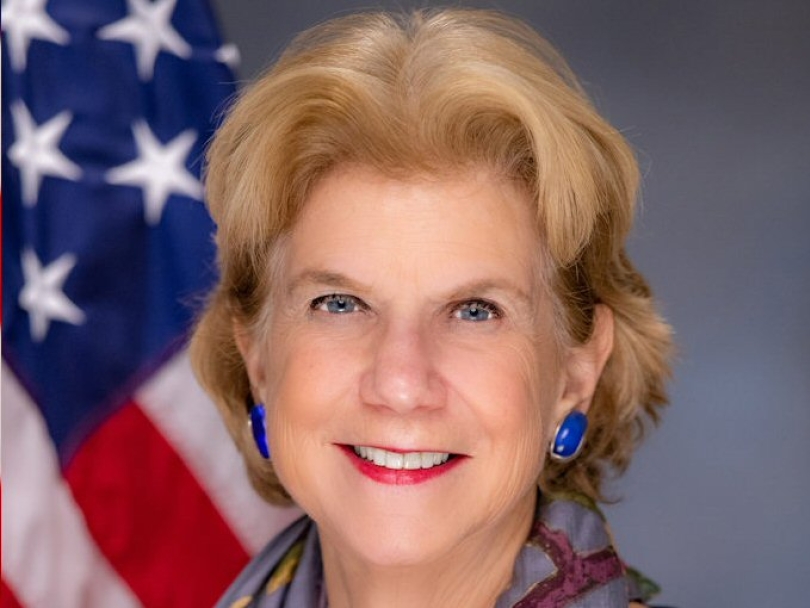
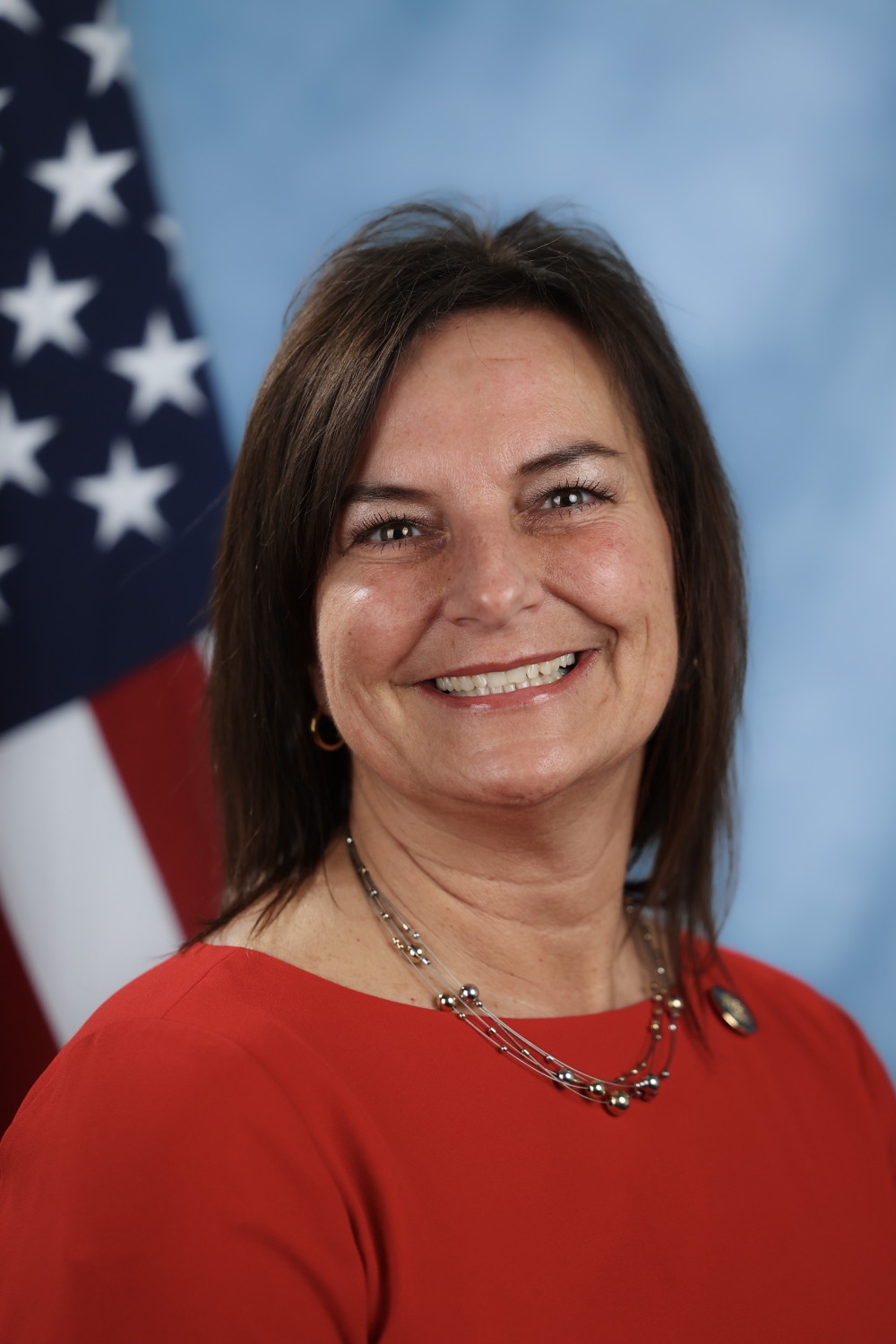
Shelley Mayer
Shelley Mayer Senate · District 37
D
Strong +
100% 20
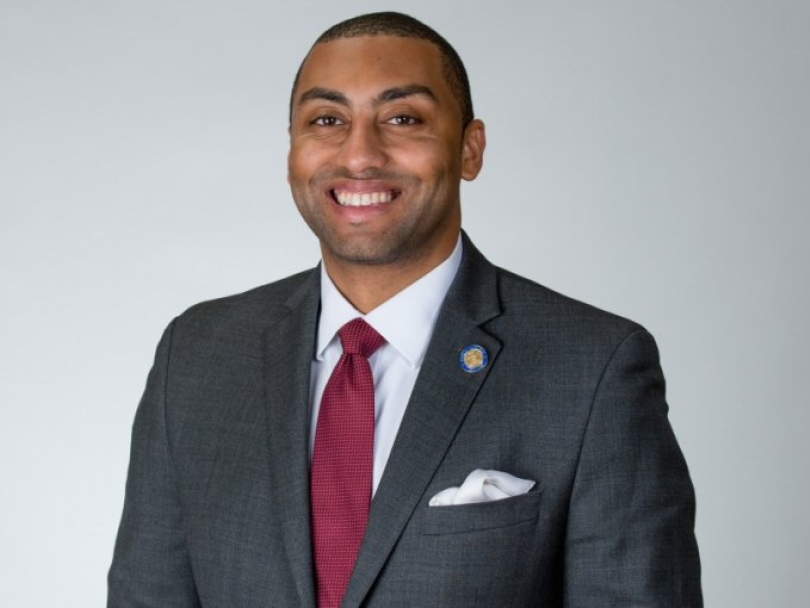
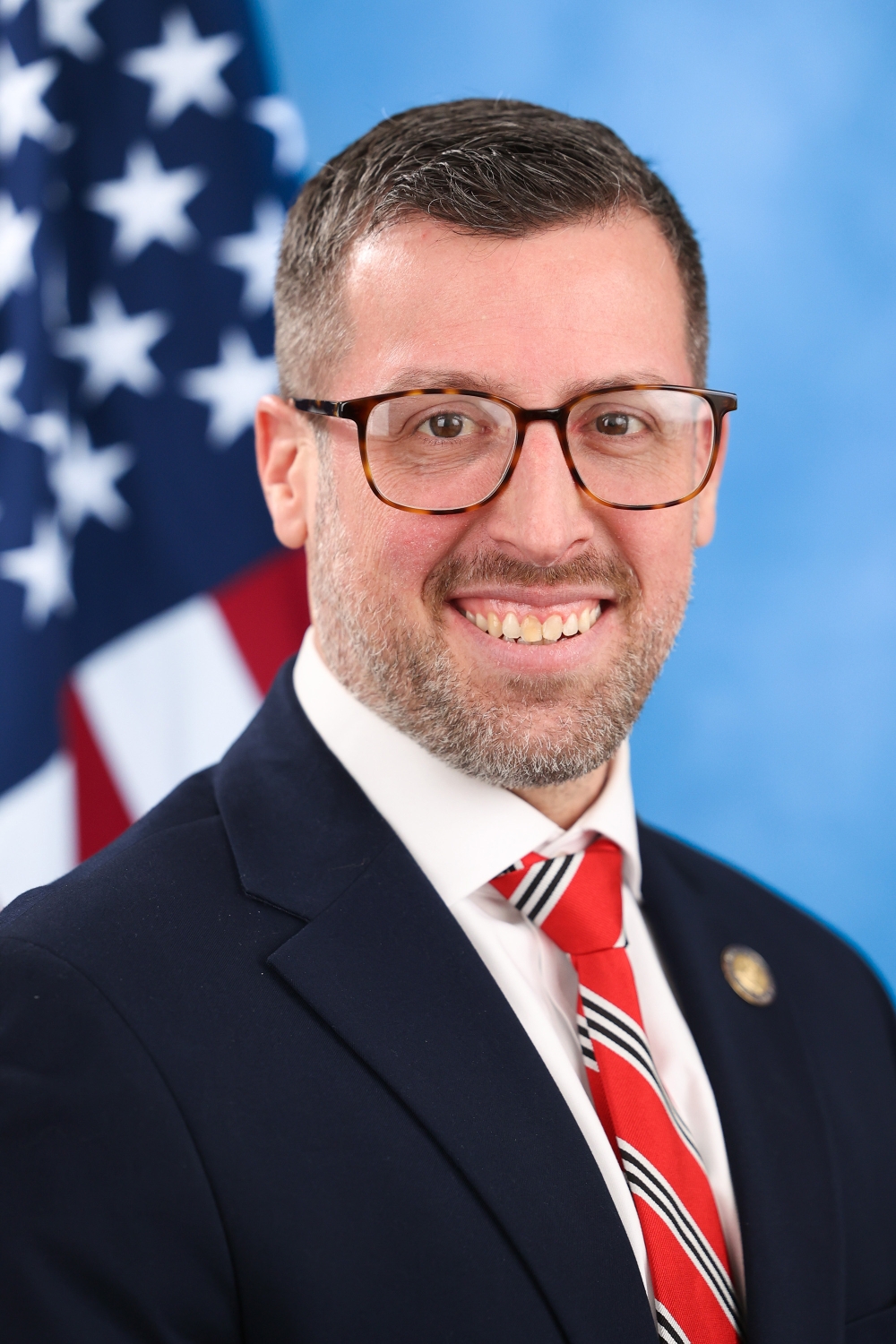
Jamaal Bailey
Jamaal Bailey Senate · District 36
D
Strong +
100% 19
NF
Nathalia Fernández Senate · District 34
D
Strong +
100% 19
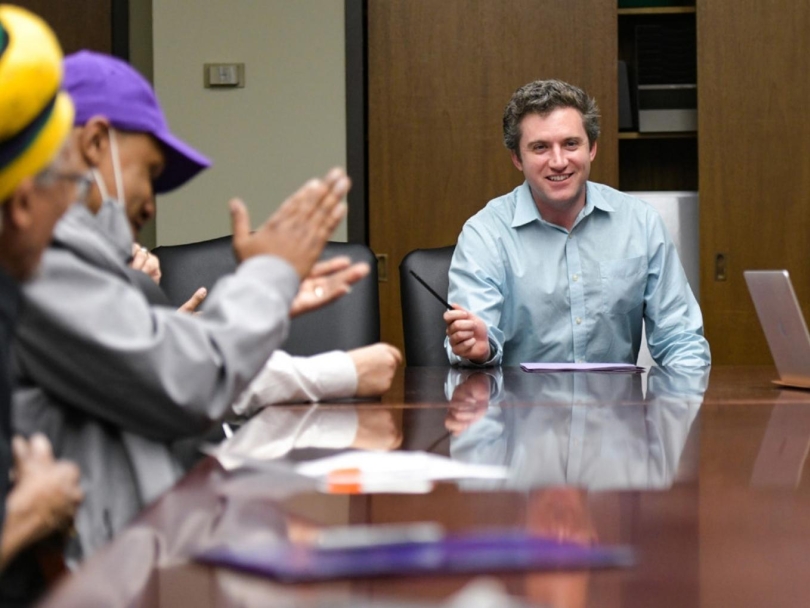
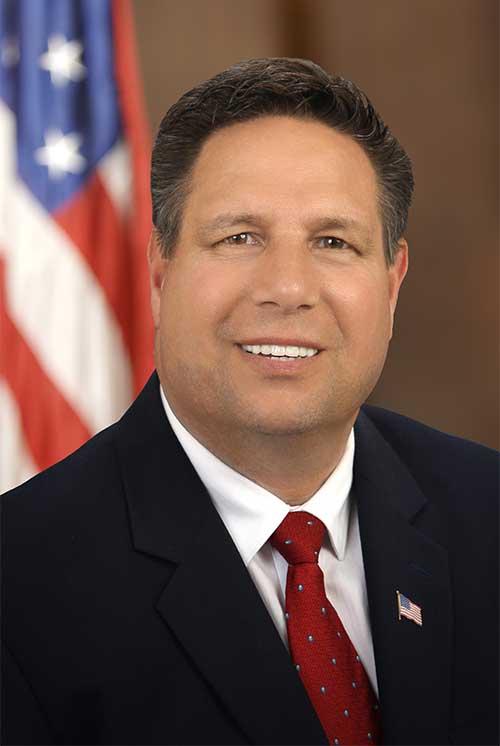
James Skoufis
James Skoufis Senate · District 42
D
Strong +
100% 18
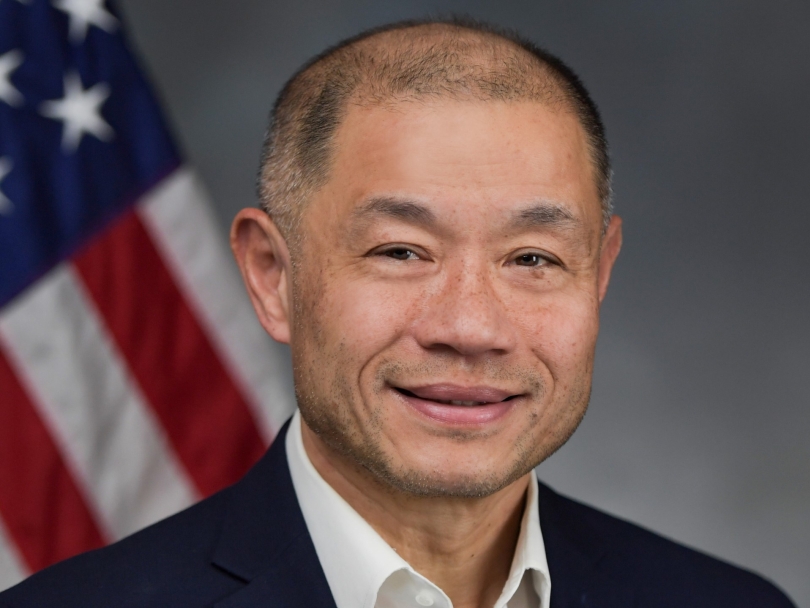
John Liu
John Liu Senate · District 16
D
Strong +
100% 18
Andrea Bailey
Andrea Bailey House · District 133
R
Strong −
0% 5
Andrew Molitor
Andrew Molitor House · District 150
R
Strong −
0% 5
Brian Manktelow
Brian Manktelow House · District 130
R
Strong −
0% 5
Chris Friend
Chris Friend House · District 124
R
Strong −
0% 5
Chris Tague
Chris Tague House · District 102
R
Strong −
0% 5
Showing 171–180 of 230 bills

All labor & employment bills

in committee · New York · Assembly Jan 7, 2026

A 3123: Provides that the commissioner of labor shall notify the commissioner of taxation and finance of certain violations of the labor law

Provides that the commissioner of labor shall notify the commissioner of taxation and finance of certain violations of the labor law relating to wages and hours of labor; provides that the commissioner of taxation and finance shall suspend certain certificates of authority of such employers in violation of such provisions.
Sub-Topics Labor Standards
in committee · New York · Senate Jan 7, 2026

S 3129: Relates to collective bargaining rights to farm laborers, repealing certain provisions of chapter 105 of the laws of 2019 and repealing certain provisions of the labor law and the workers' compensation law

This bill repeals specific exclusions that previously prevented farm laborers from being covered under New York's labor laws. It directly affects farmworkers by removing barriers to collective bargaining rights they were denied under prior law. Key provisions include amending the definition of "employees" to exclude farm laborers from the definition (Section 2), repealing Section 163-a (which previously excluded agricultural labor), and clarifying that agricultural labor is not automatically excluded from labor law coverage (Section 7). These changes align farm laborers with other workers under the state's labor protections.
in committee · New York · Assembly Jan 7, 2026

A 4629: Reduces the number of hours in a work week to thirty-two for employers with at least five hundred employees

Reduces the number of hours in a work week to thirty-two for employers with at least five hundred employees who are not part of a collective bargaining agreement.
in committee · New York · Assembly Jan 7, 2026

A 4996: Requires employers of domestic workers to provide annual sick leave to such workers

This bill requires employers who hire domestic workers (such as housekeepers, nannies, or caregivers) to provide each employee with 40 hours of paid sick leave annually. It directly affects domestic workers and their employers, regardless of business size, by mandating paid leave for illness or health needs. The law specifies that domestic workers must receive this leave, while other employers follow separate rules based on their employee count (e.g., smaller businesses may offer unpaid leave under certain conditions). The policy takes effect immediately upon enactment.
in committee · New York · Assembly Jan 7, 2026

A 9134: Extends the authority and oversight of wage boards to include benefits and working conditions and changes the reference to such boards as workers' boards

Extends the authority and oversight of wage boards to include the consideration of minimum standards for benefits and working conditions; changes the reference to such boards as workers' boards.
in committee · New York · Senate Jan 7, 2026

S 6973: Requires employers to offer paid leave of absence to veterans on Veterans' day

Requires employers to offer paid leave of absence to veterans on Veterans' day, except for emergency or critical employees, who shall be offered another day of paid leave.
in committee · New York · Assembly Jan 7, 2026

A 5332: Includes outside captive salespersons within the definition of an "employee"

This bill (A 5332) amends New York's Labor Law to include outside captive salespersons within the legal definition of "employee." Specifically, it removes an existing exclusion (Labor Law §651(5)(c)) that previously exempted salespeople contractually bound to one company from employee protections. As a result, these salespersons - previously not covered by minimum wage, overtime, and other labor standards - will now qualify for those protections under state law. The change directly affects captive salespersons employed by single companies, ensuring they receive the same labor rights as other employees.
in committee · New York · Senate Jan 30, 2025

S 3871: Requires employers of retail, food service or cleaning employees to give such employees 7 day notice of their work schedule and a months notice of the minimum hours of work

Requires employers of retail, food service or cleaning employees to give such employees 7 days' notice of their work schedule and a month's notice of the minimum hours of work; provides a private right of action to employees who are aggrieved by certain violations of such provisions.
vetoed · New York · Senate Dec 19, 2025

S 7388: Enacts the remedial construction of New York labor law act

This bill directs New York courts to interpret the state's labor law broadly in favor of workers to achieve its "remedial purposes," such as securing wages, preventing retaliation, and ensuring equal pay. It requires courts to construe exceptions and exemptions to labor law narrowly, maximizing deterrence of unlawful employer conduct. The law applies to all existing labor protections and does not create new rules - instead, it changes how courts must interpret current statutes to better protect workers' rights.
Showing 171 to 180 of 230 bills
Previous 1 17 18 19 23 Next