Issue · Criminal Justice

Criminal Justice

Every criminal justice bill, vote, and legislator stance in New York, automatically classified by Maddy, our AI policy reader.

Total bills
2,153
2025 Regular Session
Top supporter
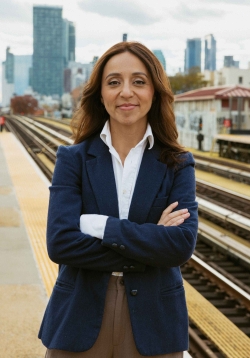
Diana Moreno
100% support rate
Top opponent
Dave DiPietro
4% support rate
Ranked legislators
10
5 support · 5 oppose
Key legislators

Who's moving criminal justice in New York

Legislators moving criminal justice in New York
Legislator Party Stance Support rate Votes
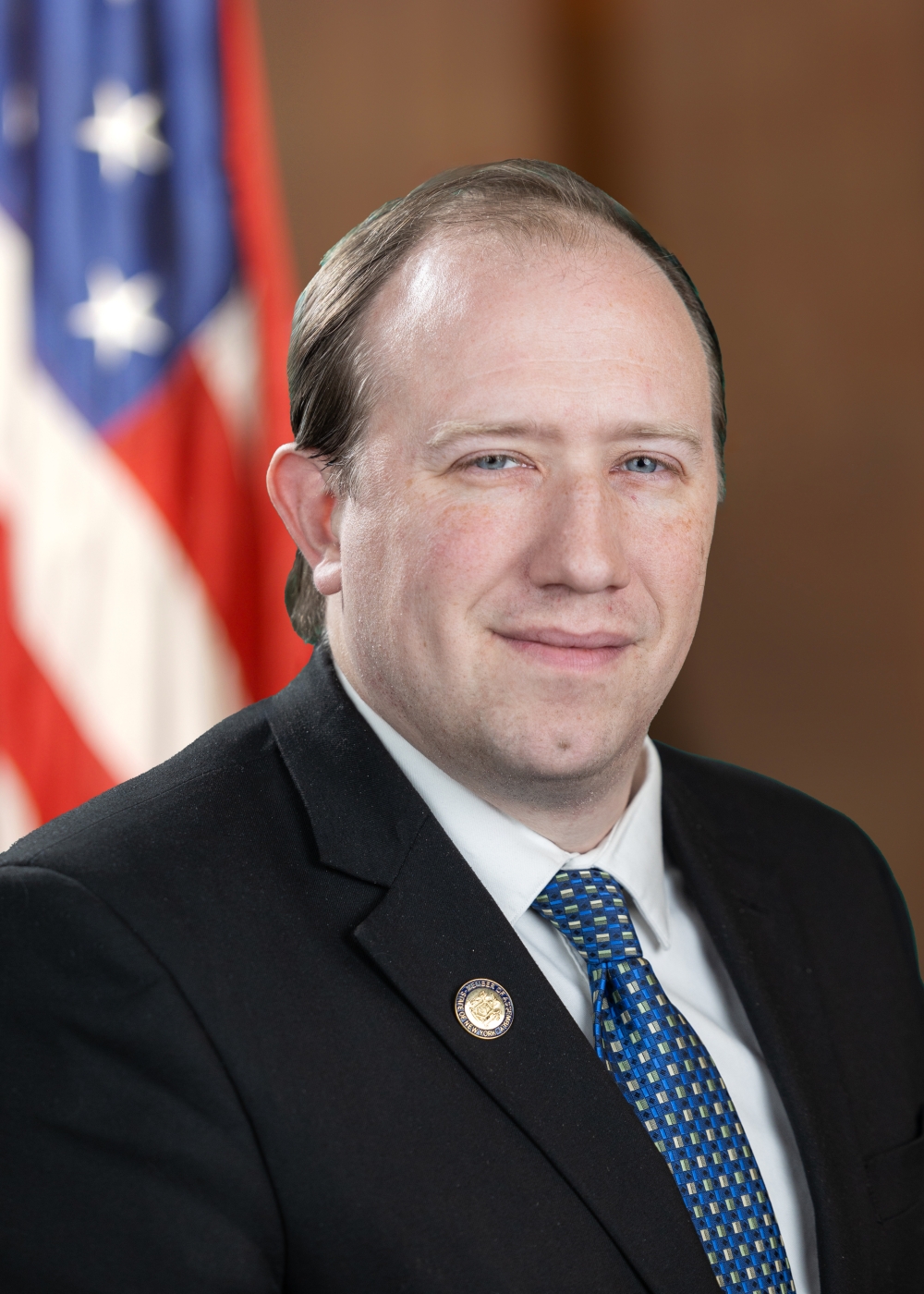
Diana Moreno
Diana Moreno House · District 36
D
Strong +
100% 39
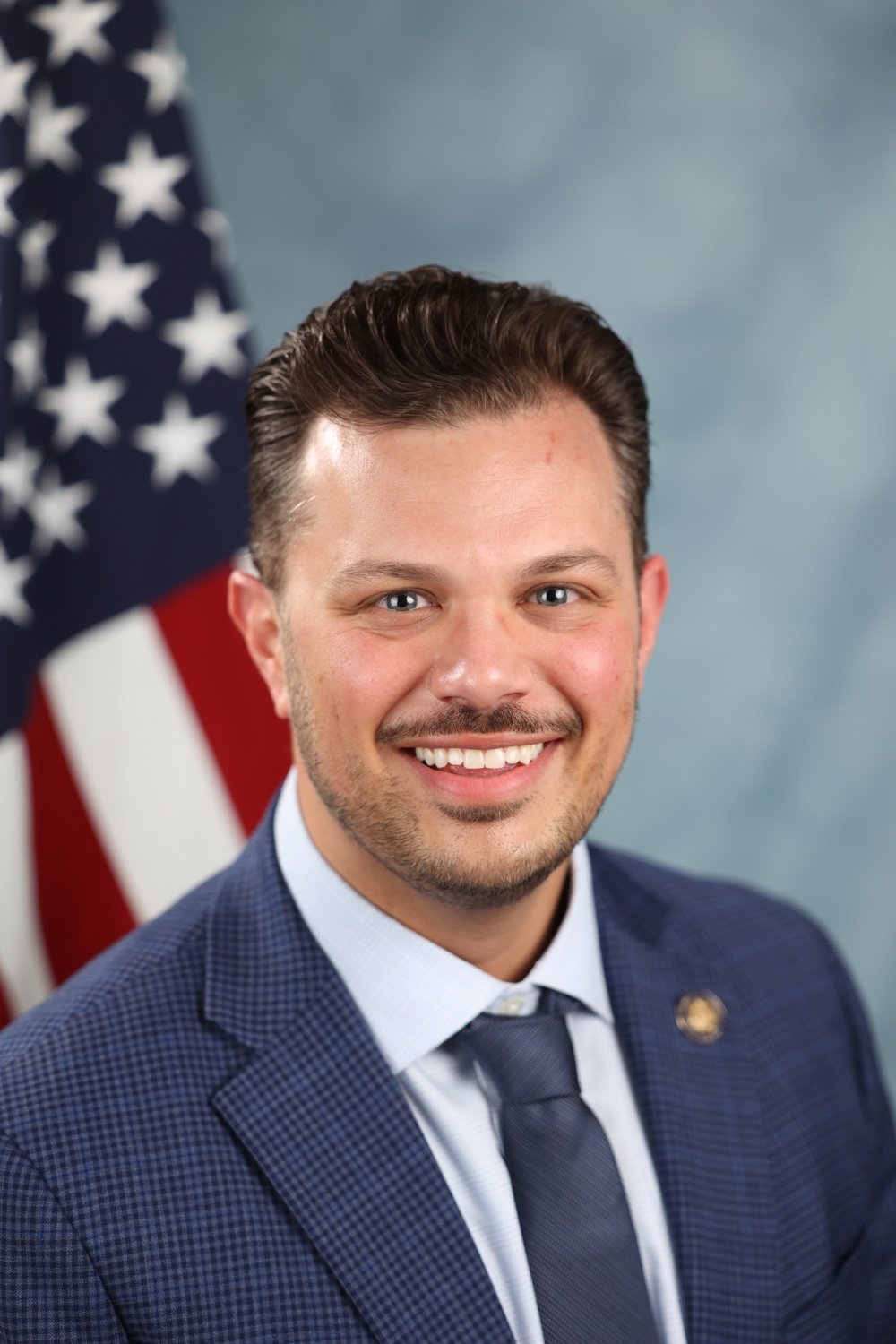
Bill Magnarelli
Bill Magnarelli House · District 129
D
Strong +
100% 72
Keith Powers
Keith Powers House · District 74
D
Strong +
100% 42
Brian Cunningham
Brian Cunningham House · District 43
D
Strong +
100% 74
George Alvarez
George Alvarez House · District 78
D
Strong +
100% 71
Dave DiPietro
Dave DiPietro House · District 147
R
Strong −
4% 78
Chris Tague
Chris Tague House · District 102
R
Strong −
4% 78
Chris Friend
Chris Friend House · District 124
R
Strong −
4% 74
Joe Sempolinski
Joe Sempolinski House · District 148
R
Strong −
7% 78
Paul Bologna
Paul Bologna House · District 144
R
Strong −
7% 76
Showing 2,121–2,130 of 2,153 bills

All criminal justice bills

in committee · New York · Senate Jan 7, 2026

S 430: Establishes the office of pretrial services

Moves from the Office of Court Administration (OCA) to the Division of Criminal Justice Services (DCJS) responsibility for certifying, establishing and implementing standards for pretrial services agencies of the state.
in committee · New York · Assembly Jan 7, 2026

A 322: Enables appellate review of the fairness and appropriateness of an imposed criminal sentence

This bill amends state criminal procedure law to require appellate courts to review whether a criminal sentence is illegal or unduly harsh, even if the defendant previously waived their right to appeal. If a court finds a sentence to be illegal or unduly harsh, it must modify the sentence by reversing the sentencing portion while upholding the conviction. This directly affects criminal defendants seeking to challenge the severity of their sentences without being barred by prior waiver agreements. The bill takes effect 60 days after enactment.
Sub-Topics Courts Sentencing
in committee · New York · Senate Jan 7, 2026

S 3633: Requires the use of body-worn cameras on certain correction officers

S 3633 requires correction officers supervising general population inmates at maximum security facilities to wear body-worn cameras during duty hours, recording all audio and video interactions with incarcerated individuals. The law mandates that recordings be stored for at least six months, with specific standards for equipment and privacy protections to prevent misuse as surveillance. The commissioner must issue an initial report within one year and annual updates evaluating the cameras' impact on safety metrics like assaults, injuries, and deaths. This bill directly affects correction officers and incarcerated individuals at designated facilities, focusing on transparency in officer-inmate interactions.
Sub-Topics Corrections Policing
in committee · New York · Senate Jan 7, 2026

S 6836: Relates to the crime of aggravated criminal contempt

This bill (S 6836) requires that sentences for aggravated criminal contempt be served consecutively when the offense occurs while a person is awaiting sentencing on another felony charge. It specifically applies to individuals convicted of aggravated criminal contempt - such as violating protection orders, having prior contempt convictions, or committing contempt while in custody - while facing a separate felony case. The key change mandates that if imprisonment is ordered for both offenses, the sentences must run one after the other, not concurrently. This affects defendants in criminal contempt cases who also have pending felony charges, altering how their prison terms are structured.
in committee · New York · Senate Mar 17, 2026

S 3201: Relates to risk assessment instruments for sex offenders

This bill amends New York's correction law to standardize how courts assess sex offenders' risk levels and determine community notification requirements. It requires courts to use specific risk assessment instruments to classify offenders into Level 1 (low risk), Level 2 (moderate risk), or Level 3 (high risk) notification categories, and to decide if they qualify as sexual predators, sexually violent offenders, or predicate sex offenders. The law mandates written notice to offenders and prosecutors before hearings, allows offenders to present evidence and request appointed counsel, and prohibits relitigating facts established in prior trials. These changes directly affect sex offenders on probation or discharged after court proceedings, impacting how long they must register and what public information is disclosed about them.
in committee · New York · Senate Jan 7, 2026

S 330: Enables appellate review of the fairness and appropriateness of an imposed criminal sentence

This bill (S 330) requires courts to review criminal sentences that are illegal or "unduly harsh or severe," even if a defendant previously waived their right to appeal. It amends the criminal procedure law to mandate that courts modify such sentences by reversing the sentencing portion while upholding the conviction. The law directly affects defendants serving criminal sentences deemed excessive by appellate courts, providing a mechanism to correct disproportionate punishments without requiring the defendant to formally challenge the sentence.
Sub-Topics Courts Sentencing
in committee · New York · Senate Jan 7, 2026

S 1959: Requires legislative approval for the closure of correctional facilities and institutions

S 1959 requires New York's corrections department to submit a detailed report 365 days before closing any prison or correctional facility, including justification for the closure. The legislature must review this report and can request additional information. If the legislature determines the closure is unjustified, it cannot proceed without approval by a majority vote in both the Assembly and Senate. This bill directly affects state correctional facilities and shifts decision-making authority for closures to the legislature.
Sub-Topics Corrections
in committee · New York · Senate Jan 7, 2026

S 6096: Relates to prohibiting colleges from denying formerly incarcerated individuals admittance to college based solely on their incarceration

This bill prohibits colleges and universities from denying admission to applicants solely because they have a history of incarceration. It directly affects formerly incarcerated individuals seeking enrollment in higher education. The law adds a new section to education law requiring institutions to consider all applicants without automatic denial based on past incarceration. The policy takes effect July 1 following enactment, applying to all public and private institutions of higher education in the state.
Sub-Topics Higher Education
in committee · New York · Senate Jan 7, 2026

S 6250: Permits electronic arraignment in counties not wholly included within a city; repealer

This bill allows courts in counties not entirely within a city to conduct electronic arraignments under specific conditions. It requires defendants to waive in writing their right to appear in person, ensures electronic arraignments won’t cause unreasonable delays, and prohibits guilty pleas during such proceedings. Courts must obtain approval from the chief administrator of the courts and use secure video systems meeting defined technical standards. The policy directly affects defendants in rural or non-city county areas and aims to streamline court processes while maintaining procedural safeguards.
Sub-Topics Courts
in committee · New York · Assembly Jan 7, 2026

A 3562: Enacts the Justice for Rachael Act

This bill creates mandatory pretrial hearings to determine if defendants charged with specific serious offenses (like domestic violence, weapons crimes, repeat violent offenses, or certain felonies) pose a danger to the community. If the court finds they might be dangerous, they may be held in custody before trial, but only after a hearing and if no release conditions (such as avoiding victims or substance use) can ensure safety. The law requires hearings within days of arrest, presumes release unless clear evidence shows no conditions can guarantee safety, and limits pretrial detention to 120 days (district court) or 180 days (supreme court). It directly affects individuals facing charges listed in the bill, including domestic violence cases, weapon-related offenses, and repeat crimes.
Showing 2,121 to 2,130 of 2,153 bills