Issue · Criminal Justice

Criminal Justice (Sentencing)

Every criminal justice bill, vote, and legislator stance in New York, automatically classified by Maddy, our AI policy reader.

Total bills
117
2025 Regular Session
Top supporter
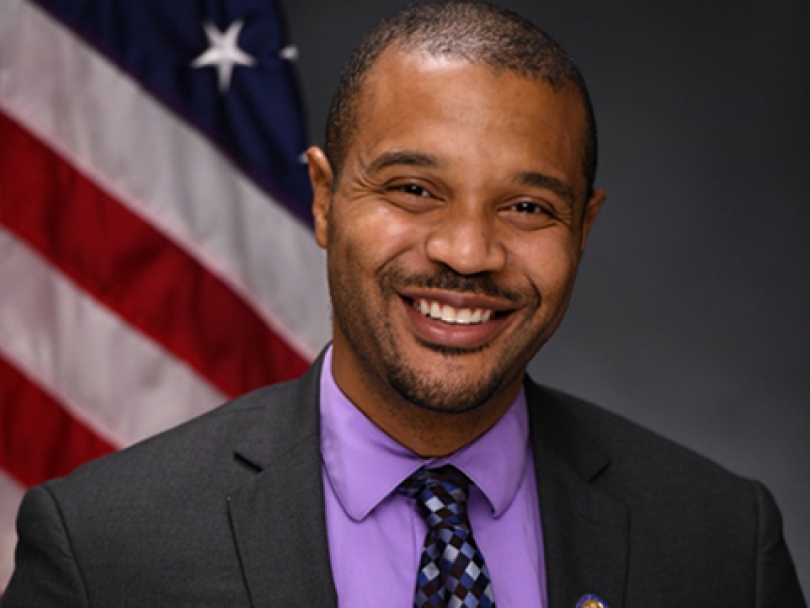
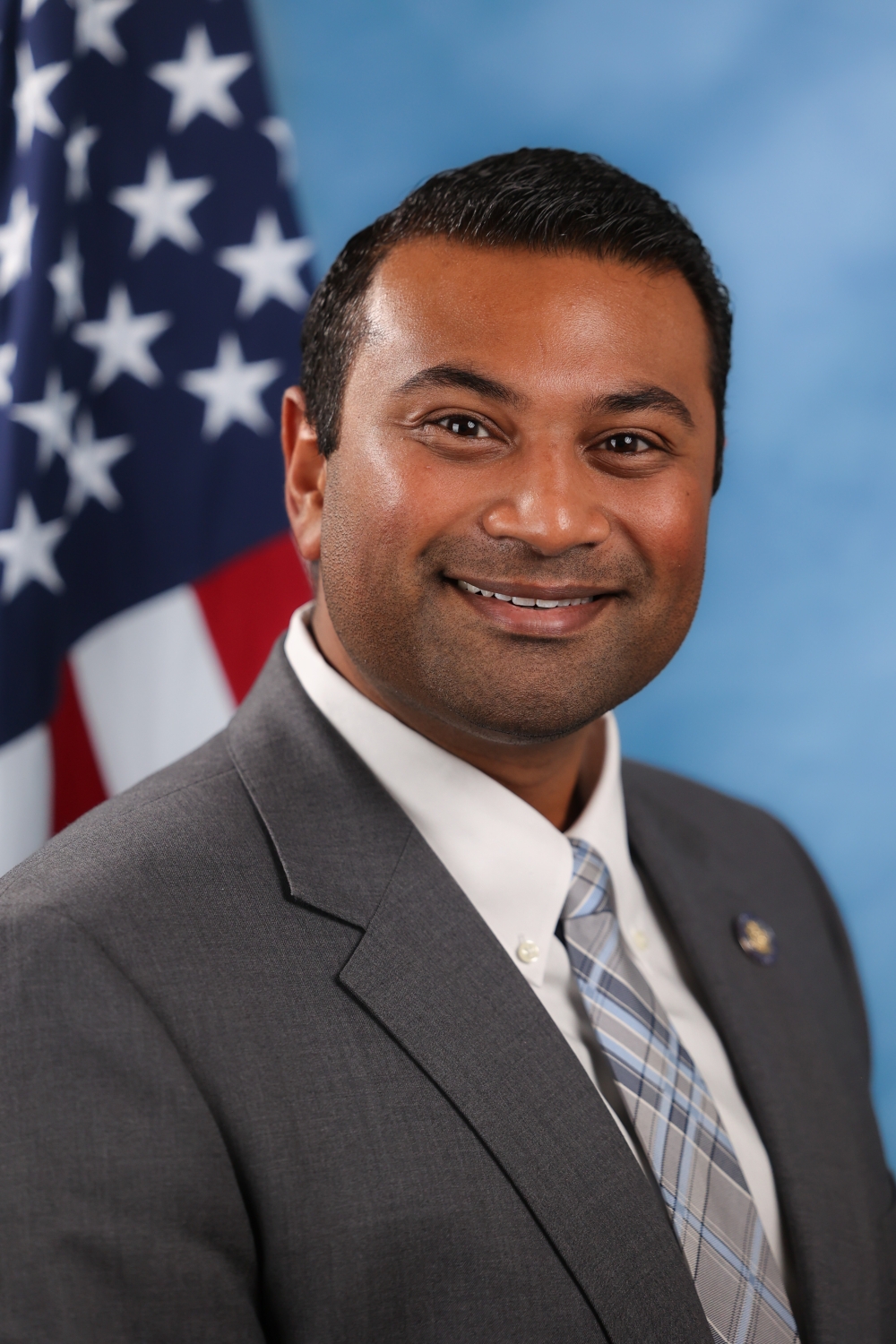
Brian Kavanagh
100% support rate
Top opponent
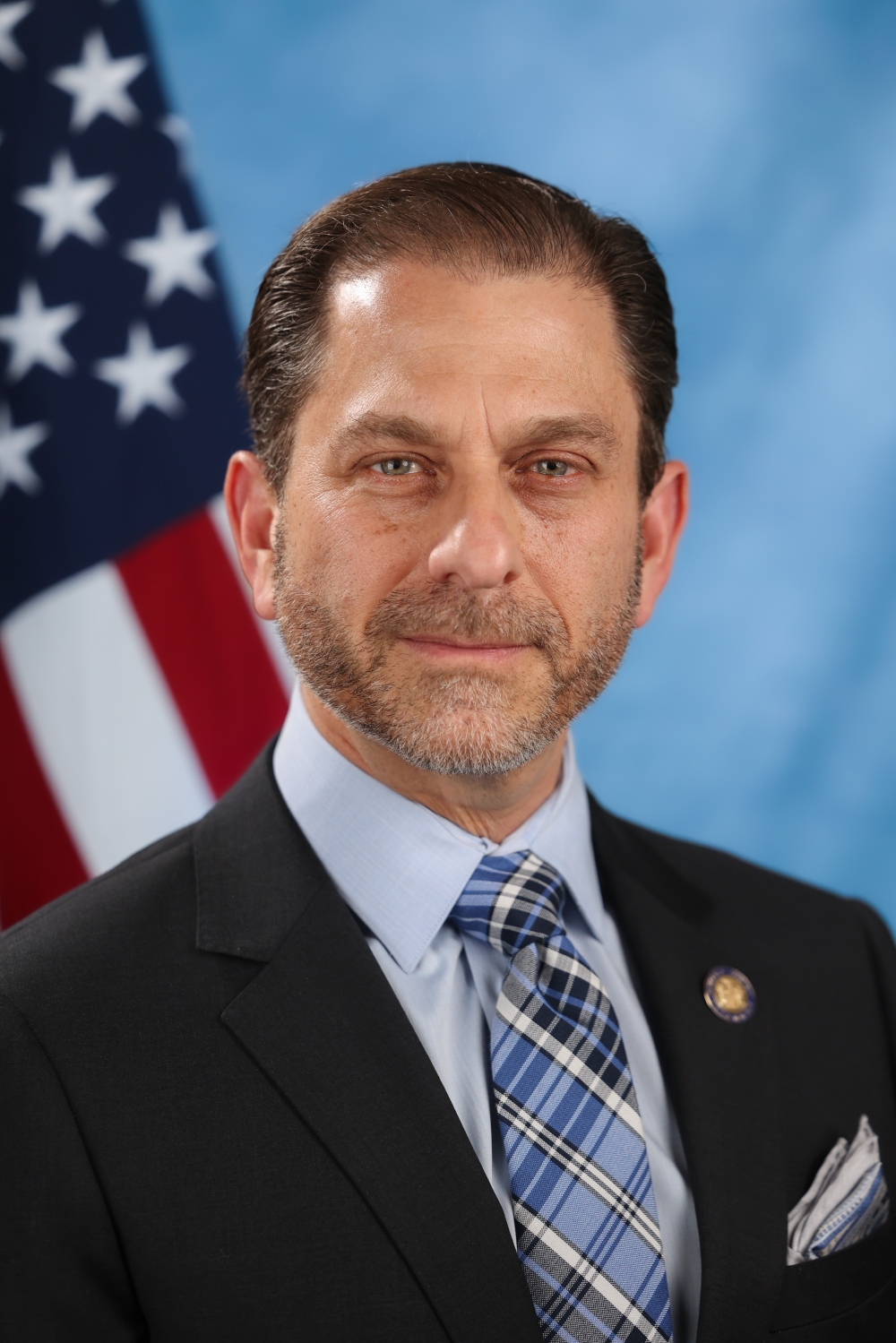
Dean Murray
0% support rate
Ranked legislators
10
5 support · 5 oppose
Key legislators

Who's moving sentencing in New York

Legislators moving sentencing in New York
Legislator Party Stance Support rate Votes
Brian Kavanagh
Brian Kavanagh Senate · District 27
D
Strong +
100% 6
Jabari Brisport
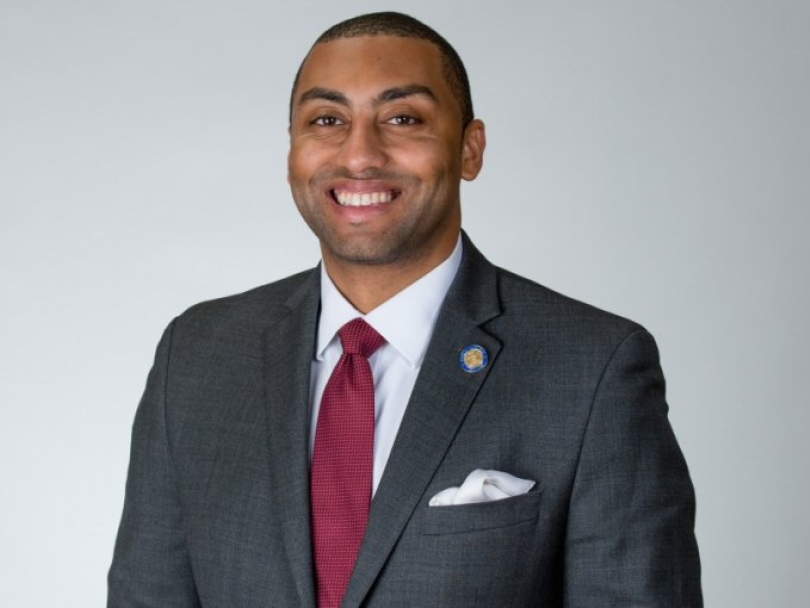
Jabari Brisport Senate · District 25
D
Strong +
100% 6
Jamaal Bailey
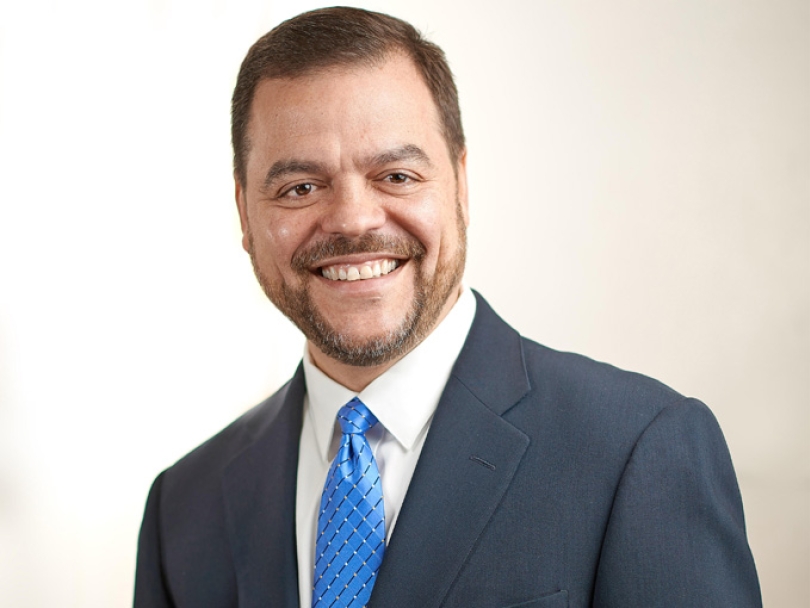
Jamaal Bailey Senate · District 36
D
Strong +
100% 6
Julia Salazar
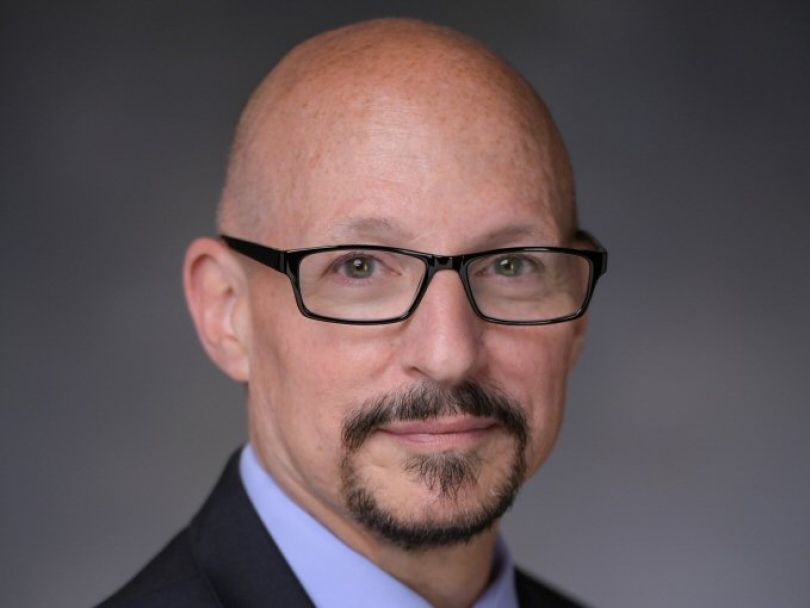
Julia Salazar Senate · District 18
D
Strong +
100% 6
Luis Sepúlveda
Luis Sepúlveda Senate · District 32
D
Strong +
100% 6
Dean Murray
Dean Murray Senate · District 3
R
Strong −
0% 6
Tom O'Mara
Tom O'Mara Senate · District 58
R
Strong −
0% 6
Alexis Weik
Alexis Weik Senate · District 8
R
Strong −
0% 3
Anil Beephan
Anil Beephan House · District 105
R
Strong −
0% 3
Ari Brown
Ari Brown House · District 20
R
Strong −
0% 3
Showing 1–10 of 117 bills

All criminal justice bills

in committee · New York · Senate May 14, 2026

S 10332: Establishes the coercive abuse and neurological harm study commission

Establishes an eight member temporary state commission called the "coercive abuse and neurological harm study commission"; directs the commission to review current scientific research regarding the neurological and psychological effects of prolonged emotional, psychological, and coercive abuse; examine existing New York state criminal, family, and civil statutes related to domestic violence and abuse; assess the feasibility of recognizing coercive psychological abuse resulting in demonstrable neurological or physical harm as an aggravating factor in existing offenses; evaluate evidentiary standards necessary to establish causation between abusive conduct and neurological injury; consider the potential legal, ethical, and constitutional implications of expanding statutory definitions of abuse; and recommend whether new statutory categories, sentencing enhancements, or civil remedies are appropriate.
in committee · New York · Assembly May 4, 2026

A 11260: Directs the commissioner of the division of criminal justice services to study gender disparity in sentencing outcomes

Directs the commissioner of the division of criminal justice services to study gender disparity in sentencing outcomes and make a report to the governor and the legislature of their findings, conclusions and recommendations.
Sub-Topics Sentencing
in committee · New York · Assembly May 19, 2026

A 11382: Increases access to certificates of relief from disabilities

This bill expands access to certificates of relief from disabilities for eligible offenders by requiring courts to issue these documents in specific situations rather than leaving the decision entirely to judicial discretion. It mandates that courts must grant a certificate at the time of sentencing if the offender received a revocable sentence or a sentence not involving commitment to a state correctional institution, provided they meet the law's requirements. Additionally, the bill clarifies that if a certificate is not issued immediately, it can be granted later based on the offender's continued eligibility, ensuring the relief applies to both forfeitures and legal disabilities. These changes directly affect individuals convicted in state courts who are seeking to remove barriers to employment and other rights associated with a criminal record.
Sub-Topics Sentencing
in committee · New York · Senate Apr 2, 2026

S 9715: Relates to the age of persons eligible for a sentence of life imprisonment without parole

This bill clarifies that only individuals who were eighteen years of age or older at the time of committing a crime can be sentenced to life imprisonment without the possibility of parole. It directly affects the sentencing guidelines for serious offenses such as murder, terrorism, and the use of chemical or biological weapons by explicitly excluding minors from this specific punishment. The legislation ensures that defendants under the age of eighteen remain eligible for indeterminate sentences with a maximum term of life imprisonment, while those aged eighteen and above face the stricter penalty for the listed crimes. This change codifies the age restriction into the penal law and takes effect immediately upon passage.
in committee · New York · Senate Apr 16, 2026

S 9938: Relates to sentences of imprisonment for offenses committed while using public transportation

Imposes certain sentences of imprisonment for offenses committed while using public transportation; creates the offense of reckless endangerment on public transportation as a class A-I felony.
Sub-Topics Sentencing
in committee · New York · Senate Mar 26, 2026

S 9583: Enhances criminal penalties for criminal mischief and larceny offenses committed at a place of religious worship

This bill strengthens penalties for property crimes committed at places of religious worship and cemeteries. It directly affects individuals who damage or steal property at churches, mosques, synagogues, and other religious sites, as well as those who desecrate burial grounds. The legislation creates new felony charges for damaging or stealing religious property regardless of its monetary value, while also raising the monetary thresholds for cemetery desecration offenses from misdemeanors to felonies in more serious cases. Additionally, the bill increases the sentencing severity for repeat offenders who commit cemetery desecration within a five-year period. These changes aim to provide stronger legal consequences for crimes targeting sacred spaces and burial sites.
Sub-Topics Sentencing
failed · New York · Assembly May 5, 2026

A 10124: Prohibits youthful offender status for persons who commit a hate crime

This bill (A 10124) changes New York's criminal law by removing hate crimes from the list of offenses that allow a young person to receive a "youthful offender" finding instead of a formal conviction. Specifically, it amends the criminal procedure law to explicitly exclude "hate crime" (as defined in Penal Law § 485.05) from the types of offenses eligible for youthful offender status. This means individuals convicted of hate crimes will no longer qualify for this status, resulting in a formal adult conviction record. The change directly affects young people (typically under 18) who commit hate crimes, requiring them to face adult sentencing procedures rather than the rehabilitative options available under youthful offender status. The law takes effect immediately upon enactment.
signed · New York · Senate Feb 13, 2026

S 8763: Relates to the method of notifying certain crime victims of the disposition of criminal trial

Requires that following the acquittal after trial or the sentencing of any defendant for a felony, the district attorney, or their designee, shall provide by mail, electronically, or by any other reasonable and secure means of written communication a written summary of the disposition of such felony to any victim who was not present at the time that the defendant was sentenced or acquitted after trial.
passed both · New York · Senate Jun 4, 2026

S 8944: Relates to certain guilty pleas

Relates to certain guilty pleas where the plea is in the interest of justice and which are entered into with both the permission of the court and the consent of the people.
Sub-Topics Courts Sentencing
passed · New York · Senate Feb 11, 2026

S 3256: Increases the penalties for operating a snowmobile while intoxicated

Increases the penalties for operating a snowmobile while intoxicated, doubles penalties for operators having .18 of one per centum or more by weight of alcohol in their blood, breath, urine, or saliva, and includes other operating while intoxicated convictions in sentencing considerations.
Sub-Topics Sentencing
Showing 1 to 10 of 117 bills
1 2 3 12 Next