Issue · Criminal Justice

Criminal Justice (Corrections)

Every criminal justice bill, vote, and legislator stance in New York, automatically classified by Maddy, our AI policy reader.

Total bills
39
2025 Regular Session
Top supporter
Shelley Mayer
100% support rate
Top opponent
Mark Walczyk
0% support rate
Ranked legislators
10
5 support · 5 oppose
Key legislators

Who's moving corrections in New York

Legislators moving corrections in New York
Legislator Party Stance Support rate Votes
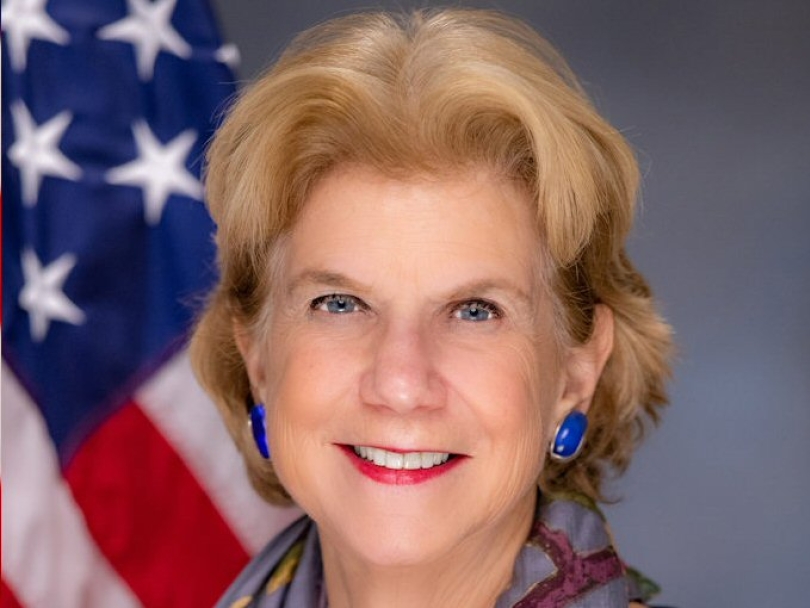
Shelley Mayer
Shelley Mayer Senate · District 37
D
Strong +
100% 43
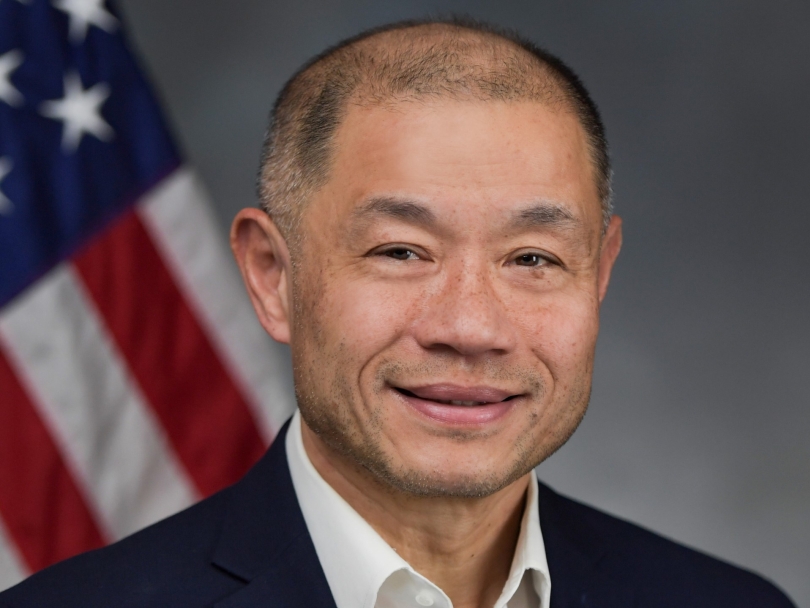
John Liu
John Liu Senate · District 16
D
Strong +
100% 42
Leroy Comrie
Leroy Comrie Senate · District 14
D
Strong +
100% 42
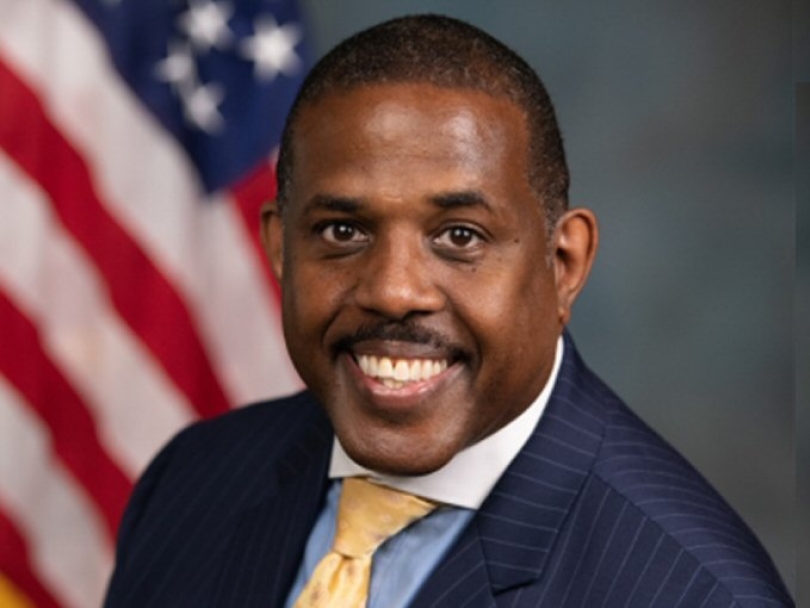
Kevin Parker
Kevin Parker Senate · District 21
D
Strong +
100% 40
Kristen Gonzalez
Kristen Gonzalez Senate · District 59
D
Strong +
100% 39
Mark Walczyk
Mark Walczyk Senate · District 49
R
Strong −
0% 33
Alexis Weik
Alexis Weik Senate · District 8
R
Strong −
0% 30
Andrew Molitor
Andrew Molitor House · District 150
R
Strong −
0% 7
Brian Manktelow
Brian Manktelow House · District 130
R
Strong −
0% 7
Chris Friend
Chris Friend House · District 124
R
Strong −
0% 7
Showing 1–10 of 39 bills

All criminal justice bills

in committee · New York · Assembly Jan 7, 2026

A 9416: Increases the offense classification for certain assault offenses regarding police officers and peace officers

This bill raises penalties for assaulting certain public safety personnel in New York. It specifically increases second-degree assault on police officers, peace officers, firefighters, EMTs, sanitation workers, and other essential service workers from a class D felony to a class C felony (up to 15 years in prison). The law expands protections to include these workers when they're performing official duties, such as a sanitation worker enforcing regulations or a firefighter providing medical aid. It also upgrades aggravated assault on officers to a class A felony (up to 25 years). The bill applies directly to individuals who cause physical injury to these protected personnel while they're carrying out their jobs.
in committee · New York · Assembly Jan 7, 2026

A 5604: Creates the crime of reckless endangerment of the public health for recklessly transmitting HIV/AIDS

Creates crimes of reckless endangerment of public health with respect to HIV/AIDS transmission; creates crime of filing false instrument with respect to HIV/AIDS; provides for HIV/AIDS testing for alleged sex offenders and public health offenders; provides for contagious disease testing for persons in the custody of the department of corrections; provides that if an incarcerated individual tests positive notice shall be given to all employees that will have contact with such incarcerated individual.
Sub-Topics Corrections
in committee · New York · Senate Jan 7, 2026

S 829: Establishes the crimes of vehicular assault and vehicular manslaughter in an active work zone and intrusion into an active work zone

This bill creates new criminal offenses for drivers who enter active construction zones where workers are present. It establishes two levels of vehicular assault (causing serious injury) and two levels of vehicular manslaughter (causing death), with penalties ranging from class E felony to class B felony based on whether the violation was negligent or reckless. A separate misdemeanor charge applies to any driver, cyclist, or pedestrian entering an active work zone without authorization, punishable by fines up to $500 or up to three months in jail. The law defines an "active work zone" as any area with proper signage, cones, or traffic controls where workers are physically present.
in committee · New York · Senate Jan 7, 2026

S 2727: Creates the crime of reckless endangerment of the public health for recklessly transmitting HIV/AIDS

Creates crimes of reckless endangerment of public health with respect to HIV/AIDS transmission; creates crime of filing false instrument with respect to HIV/AIDS; provides for HIV/AIDS testing for alleged sex offenders and public health offenders; provides for contagious disease testing for persons in the custody of the department of corrections; provides that if an incarcerated individual tests positive notice shall be given to all employees that will have contact with such incarcerated individual.
Sub-Topics Corrections
in committee · New York · Assembly Jan 7, 2026

A 4109: Relates to assaults on seniors on public transportation

This bill makes assaults on seniors (65+) occurring while they are using, attempting to use, or accessing public transportation a class D violent felony. It directly affects seniors using public transit and sets a penalty of up to 7 years in prison for such assaults. The key provision adds a new legal definition to the penal law specifically covering reckless or intentional physical injury to seniors in public transportation settings. This changes the legal classification for these incidents from a lesser offense to a more serious felony.
in committee · New York · Senate Jan 7, 2026

S 6880: Relates to aggravated cruelty to animals during an incident of domestic violence

This bill increases penalties for aggravated cruelty to animals when committed during a domestic violence incident. It raises the maximum prison sentence from two years to four years for offenders who harm animals during domestic violence, including the period of tension before or stress after the violence. The law directly affects individuals convicted of animal cruelty who also commit domestic violence, as defined by state law. The change applies to specific acts of animal cruelty committed in the context of domestic violence, not general animal cruelty cases.
in committee · New York · Senate Jan 7, 2026

S 477: Increases the penalty for rape in the first degree

This bill changes the penalty for first-degree rape from a class B felony to a more serious class A-II felony under New York's penal law. It does not alter the definition of the crime itself, which remains based on factors like forcible compulsion, victim incapacity, or age. The change directly affects individuals convicted of first-degree rape, resulting in a higher potential prison sentence. The bill's sole modification is the reclassification of the felony level, with no other provisions or changes to the offense.
Sub-Topics Corrections
in committee · New York · Assembly Jan 7, 2026

A 3800: Establishes the crime of staging a construction site accident

This bill makes it a felony to intentionally stage a construction site accident to file a fraudulent insurance claim. It directly affects individuals or groups who enter construction sites to fake injuries or damage with the specific intent of submitting a false insurance claim. The law criminalizes both personally staging such accidents and directing others to do so, treating it as a class E felony punishable by prison time. The key provision creates a new criminal offense specifically targeting insurance fraud at construction sites.
Sub-Topics Corrections
in committee · New York · Assembly Jan 7, 2026

A 1384: Enacts "Jessica Lunsford act" relating to enhancing the class A-II felony of predatory sexual assault against a child

Enacts "Jessica Lunsford act" relating to enhancing the class A-II felony of predatory sexual assault against a child by expanding the acts to which such offense applies; establishes a mandatory sentence of 25 years to life term of imprisonment; requires electronic monitoring of incarcerated individuals upon release from prison.
failed · New York · Assembly Jan 7, 2026

A 1584: Increases penalties for criminal use of a firearm in the first degree when committing a drug related felony offense

Bill A 1584 increases the penalties for individuals convicted of criminal use of a firearm in the first degree, particularly when committing certain violent or drug-related felony offenses. It raises the additional consecutive prison sentence for this crime from five years to ten years. This ten-year sentence becomes mandatory, removing judicial discretion to waive it, and district attorneys are prohibited from dismissing this specific charge in plea bargains. The bill also establishes that the combined ten-year consecutive term and the minimum term of the underlying felony create a new aggregate minimum sentence, during which the individual is ineligible for parole or conditional release. This aggregate minimum term's application is expanded to include defendants whose liability for displaying a weapon is based on the actions of another person.
Showing 1 to 10 of 39 bills
1 2 3 4 Next