Issue · Healthcare

Healthcare

Every healthcare bill, vote, and legislator stance in New Mexico, automatically classified by Maddy, our AI policy reader.

Total bills
444
119th Congress
Top supporter
Teresa Leger Fernandez
71% support rate
Top opponent
-
no data yet
Ranked legislators
5
5 support · 0 oppose
Key legislators

Who's moving healthcare in New Mexico

Legislators moving healthcare in New Mexico
Legislator Party Stance Support rate Votes
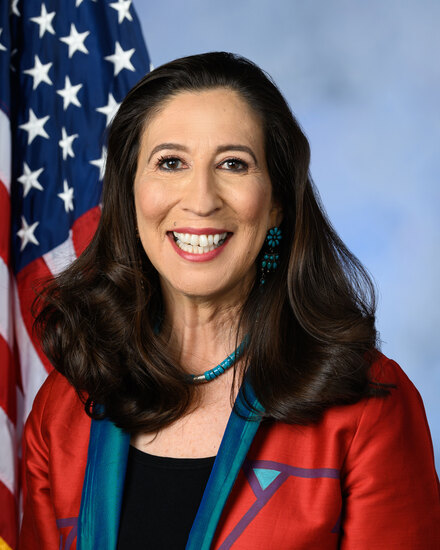
Teresa Leger Fernandez
Teresa Leger Fernandez House · District 3
D
Support
71% 195
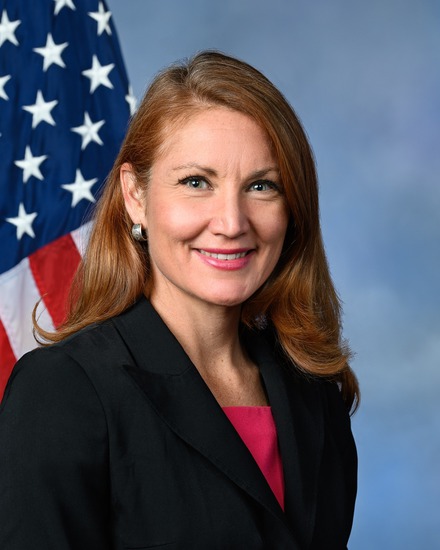
Melanie A. Stansbury
Melanie A. Stansbury House · District 1
D
Support
67% 207
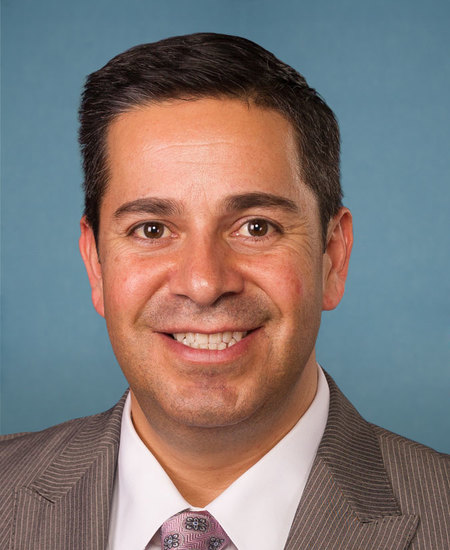
Ben Ray Luján
Ben Ray Luján Senate
D
Mixed
59% 223
Martin Heinrich
Martin Heinrich Senate
D
Mixed
56% 220
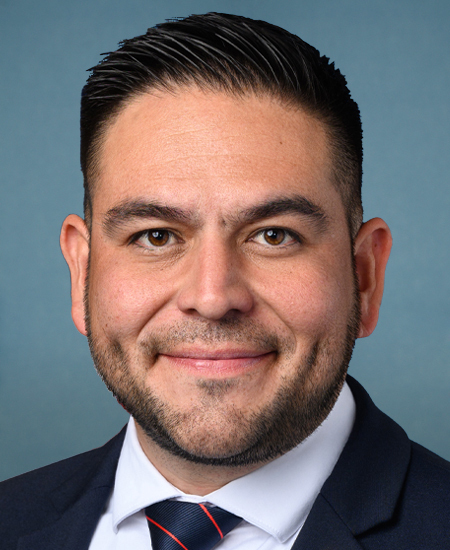
Gabe Vasquez
Gabe Vasquez House · District 2
D
Mixed
56% 207
Showing 1–10 of 444 bills

All healthcare bills

in committee · United States · House Sep 8, 2026

HRES 1514: Recognizing suicide as a serious public health problem, expressing support for the designation of September 8, 2026, as "988 Day" and the role of the 988 Suicide and Crisis Lifeline, and for other purposes.

This House resolution formally recognizes suicide as a significant public health issue in the United States and highlights the impact of the 988 Suicide and Crisis Lifeline on individuals and communities. It commends the establishment of the 988 number as a nationwide three-digit dialing code for crisis support, noting its role in connecting people to mental health resources. The bill supports the designation of September 8, 2026, as "988 Day" to raise awareness about the service and promote access to mental health care. Additionally, it encourages continued public education and federal, state, and local efforts to expand crisis intervention programs for high-risk populations.
in committee · United States · House Aug 17, 2026

HR 10115: Radiation Exposure Compensation Reauthorization Act of 2026

This bill reauthorizes and expands the Radiation Exposure Compensation Act, extending the program's funding through 2043 and allowing new claims to be filed until 2042. It increases compensation amounts for downwinders and Manhattan Project waste claimants from $100,000 or $50,000 to $150,000, respectively, and introduces a provision for reimbursing documented out-of-pocket medical expenses not covered by insurance. The legislation broadens eligibility by adding new geographic areas in states such as Colorado, Montana, Washington, Illinois, and Ohio, as well as the territory of Guam, while also permitting the use of third-party affidavits to verify employment history or physical presence in affected zones. Additionally, it establishes a discretionary process for the President to designate new groups of radiation-exposed individuals for compensation and mandates several health studies regarding the long-term effects of nuclear testing on specific populations.
in committee · United States · House Sep 3, 2026

HR 10293: Rural Emergency Hospital Designation Improvement Act

The Rural Emergency Hospital Designation Improvement Act expands Medicaid coverage for services provided by rural emergency hospitals and allows these facilities to offer additional inpatient units for psychiatric, rehabilitation, and obstetric care. It also creates a pathway for existing facilities that operate similarly to rural emergency hospitals to convert their status by waiving certain requirements, while permitting them to provide skilled nursing "swing bed" services under specific agreements. To support financial sustainability, the bill increases Medicare payments for diagnostic laboratory tests performed at these hospitals by 5 percent starting in 2027 and ensures that facilities reverting to critical access hospital status can regain their necessary provider designation. Additionally, the legislation designates rural emergency hospitals as health professional shortage areas to facilitate National Health Service Corps placements and includes them in the Small Rural Hospital Improvement Program grant eligibility.
in committee · United States · House Sep 1, 2026

HR 10216: Public Transit Mental Health Awareness Act

The Public Transit Mental Health Awareness Act requires public transit agencies that receive federal assistance to display information about the national suicide prevention hotline in areas visible to passengers. This information must state that the service is free, confidential, and available around the clock. Agencies can meet this requirement by placing the notice on all their vehicles or in all their transit facilities, provided it does not block existing revenue-generating advertising space. The law includes a provision allowing agencies to remain compliant if they make reasonable efforts to restore displays that are damaged or removed, with the mandate taking effect one year after enactment.
Sub-Topics Mental Health
in committee · United States · Senate Aug 6, 2026

S 5321: HCBS Access Act

The HCBS Access Act would require states to cover home and community-based services (HCBS) as a mandatory benefit under Medicaid, effectively eliminating waiting lists for individuals with disabilities and older adults who need support to live in their communities rather than institutions. To fund this expansion, the bill provides a 100% federal matching rate for these services if states meet specific requirements, such as improving workforce wages, removing access barriers, and establishing infrastructure to support self-directed care models. Additionally, the legislation creates a national technical assistance center and authorizes grants to recruit, train, and retain direct care workers, while also prohibiting states from placing liens on the assets of Medicaid recipients for medical assistance correctly paid.
in committee · United States · House Aug 6, 2026

HR 10056: Nurse Overtime and Patient Safety Act of 2026

The Nurse Overtime and Patient Safety Act of 2026 prohibits healthcare providers from requiring registered, licensed practical, or licensed vocational nurses to work mandatory overtime beyond a previously scheduled shift, 48 hours in a week, or 12 consecutive hours. The bill allows exceptions during declared emergencies or disasters but requires that alternative staffing measures be attempted first and that the extended work does not extend past the end of the emergency response. Providers who violate these limits face civil money penalties of up to $10,000 per violation, with harsher fines for repeated offenses, and are required to post nurse schedules and rights notices in visible locations. Additionally, the legislation protects nurses from retaliation if they refuse mandatory overtime or report violations, while mandating that the Department of Health and Human Services study safe working hour standards and the Office of Management and Budget review practices in federally operated medical facilities.
in committee · United States · Senate Aug 5, 2026

S 5267: Accountable Produce is Medicine Act of 2026

The Accountable Produce is Medicine Act of 2026 directs the Center for Medicare and Medicaid Innovation to launch a five-year pilot program that tests a bundled payment model for chronic disease management. This initiative targets patients with conditions such as diabetes, obesity, or cardiovascular disease who reside in rural, medically underserved, or health professional shortage areas. Participating programs must provide a comprehensive package of services, including personalized nutrition counseling, remote patient monitoring, telehealth, and access to nutrient-dense foods, while prioritizing locally grown produce and regenerative agriculture. The model requires regular tracking of patient health metrics like weight and blood pressure, with the option for programs to assume financial risk for performance starting in the third year. All services under this pilot are provided without deductibles or copayments, aiming to evaluate whether these integrated food and medical interventions can improve health outcomes and reduce overall healthcare costs.
in committee · United States · Senate Aug 6, 2026

S 5296: Pathways to Health Careers Act

The Pathways to Health Careers Act establishes a federal grant program effective October 1, 2026, to train low-income individuals for careers in health professions such as nursing, emergency medical services, and allied health fields. The legislation allocates $435 million annually from fiscal years 2027 through 2031 to fund these initiatives, with specific requirements ensuring that at least two grants are awarded in each state and the District of Columbia, along with dedicated funding for tribal entities and U.S. territories. Key provisions mandate that grant recipients provide comprehensive support services, including adult basic education, childcare, transportation assistance, and cash stipends, while also requiring rigorous evaluations of demonstration projects focused on individuals with criminal records and maternal health career pathways.
in committee · United States · Senate Aug 5, 2026

S 5260: Stroke Act

The Stroke Act directs the Department of Health and Human Services to conduct research on stroke care delivery and award grants to improve national stroke data collection and quality. The legislation authorizes funding for a national stroke registry that gathers standardized information from various types of hospitals to support quality improvement and benchmarking. Additionally, it provides grants for training emergency medical personnel, expanding telestroke services in underserved areas, and coordinating post-stroke rehabilitation. Finally, the bill funds a national public education campaign aimed at promoting stroke prevention and encouraging individuals to seek immediate treatment for symptoms.
in committee · United States · Senate Aug 6, 2026

S 5283: Momnibus Act

The Momnibus Act is a comprehensive legislative package designed to address maternal health disparities by expanding access to care, improving data collection, and funding community-based interventions for pregnant and postpartum individuals. Key provisions include extending WIC nutrition benefits for new mothers from six months to two years, establishing a federal task force to coordinate efforts across government agencies, and creating grant programs to support social determinants of health such as housing, transportation, and mental health services. The bill also mandates respectful maternity care training for hospital staff, requires states to restrict the shackling of pregnant individuals in prison to maintain federal funding eligibility, and authorizes significant research funding through the National Institutes of Health to study maternal mortality causes and climate change impacts on pregnancy outcomes.
Showing 1 to 10 of 444 bills
1 2 3 45 Next