

Issue · Budget & Taxes
Budget & Taxes
Every budget & taxes bill, vote, and legislator stance in New Mexico, automatically classified by Maddy, our AI policy reader.
Total bills
242
2026 Regular Session
Top supporter
Nathan Small
100% support rate
Top opponent
Stefani Lord
0% support rate
Ranked legislators
10
5 support · 5 oppose
Key legislators
Who's moving budget & taxes in New Mexico
| Legislator | Party | Stance | Support rate | Votes |
|---|---|---|---|---|
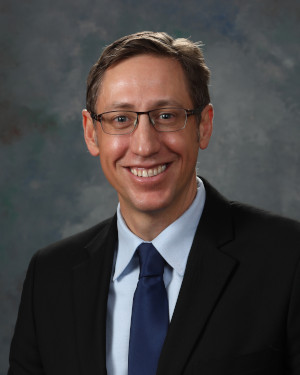
Nathan Small
House · District 36
|
D |
Strong +
|
100% | 21 |
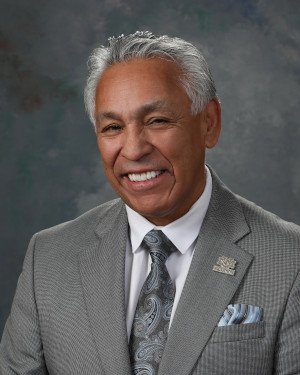
Art De La Cruz
House · District 12
|
D |
Strong +
|
100% | 22 |
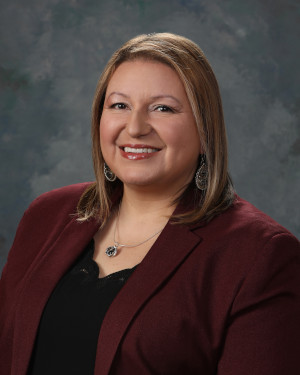
Anita Gonzales
House · District 70
|
D |
Strong +
|
100% | 21 |
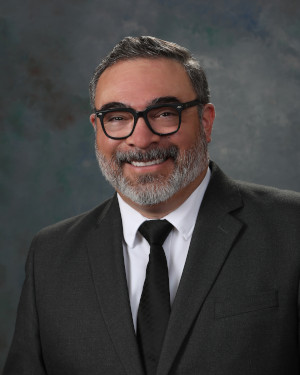
Ray Lara
House · District 34
|
D |
Strong +
|
100% | 20 |

Reena Szczepanski
House · District 47
|
D |
Strong +
|
100% | 22 |

Stefani Lord
House · District 22
|
R |
Strong −
|
0% | 17 |
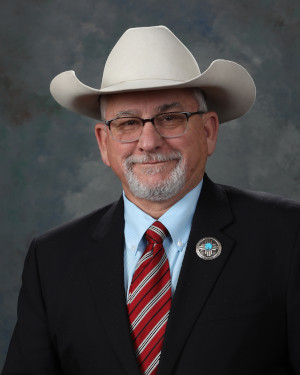
Randy Pettigrew
House · District 61
|
R |
Strong −
|
0% | 21 |
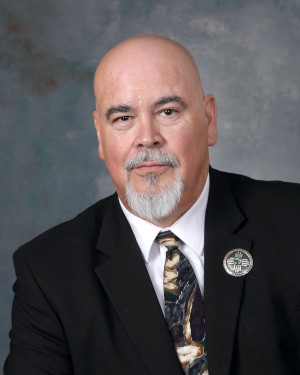
Alan Martinez
House · District 23
|
R |
Strong −
|
0% | 15 |
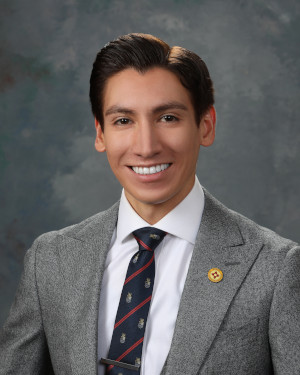
John Block
House · District 51
|
R |
Strong −
|
0% | 22 |
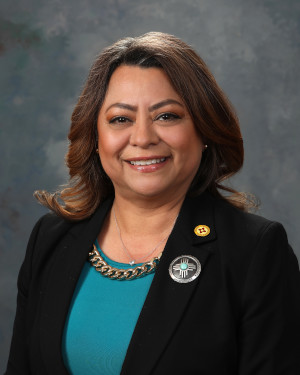
Angelita Mejia
House · District 58
|
R |
Strong −
|
0% | 21 |
Showing 81–90 of 242
bills
All budget & taxes bills
HM 28: ADVANCE ELECTION FOR ED. FREEDOM TAX PROGRAM
Topics
✓ Budget & TaxesSupports Budget & TaxesBill requests state opt-in to federal tax credit program, enabling dollar-for-dollar tax relief for education donations, aligning with tax relief indicators.
✓ EducationSupports EducationBill urges state to opt into federal tax credit program enabling K-12 scholarship donations, expanding educational access via tax incentives for private school funding.
Sub-Topics
State Budget
Tax Credits
Tax Incentives
K-12 Education
School Choice
Student Financial Aid
SB 123: DEFIBRILLATORS IN SCHOOLS
Topics
✓ Budget & TaxesSupports Budget & TaxesAllocates $1.2M from state general fund for school AEDs, increasing public safety funding per fiscal management provisions.
✓ EducationSupports EducationAllocates $1.2M for school AEDs via Public Education Department, improving school safety infrastructure as part of education funding.
✓ HealthcareSupports HealthcareAllocates $1.2M for AEDs in schools (health facilities), directly funding emergency cardiac care infrastructure under HEALTH & HEALTH FACILITIES subject.
SB 7: INCREASE CLINICIAN FACULTY PAY
Topics
✓ Budget & TaxesSupports Budget & TaxesAllocates $20M from state general fund to fund clinician faculty pay at UNM Health Sciences, directly increasing public service funding for essential healthcare education programs.
✓ HealthcareSupports HealthcareAllocates $20M to increase clinician faculty pay at UNM Health Sciences Center, directly funding healthcare workforce development in medical/nursing education.
HB 183: STATEWIDE DRINKING WATER NEEDS
Topics
✓ Budget & TaxesSupports Budget & TaxesAppropriates $5M from general fund for water quality services, increasing public spending on critical infrastructure.
✓ EnvironmentSupports EnvironmentAllocates $5M for private well testing/filtration to ensure safe drinking water, directly supporting water quality protection under environmental regulations.
HB 85: MEDICAL PROVIDER LOAN-FOR-SERVICE PGMS
Topics
✓ Budget & TaxesSupports Budget & TaxesAllocates $5M general fund and $1M annual appropriation to fund healthcare provider recruitment, increasing state spending on public health services.
✓ HealthcareSupports HealthcareCreates $5M trust fund + $1M annual appropriation to recruit providers in underserved areas, directly expanding healthcare access and provider availability.
HB 176: CREATE ZERO INTEREST DOWN PAYMENT LOAN FUND
Topics
✗ Budget & TaxesOpposes Budget & TaxesDefunds Early Childhood Education (essential program) by redirecting oil/gas tax revenues to housing loans, reallocating state budget funds.
✓ HousingSupports HousingCreates zero-interest down payment loans for first-time homebuyers, redirecting funds to advance affordable housing access.
SB 6: NEW SCHOOL OF MEDICINE FACILITY
Topics
✓ Budget & TaxesSupports Budget & TaxesAllocates $546.6M from general fund for UNM medical facility, increasing public service funding via budget appropriation.
✓ EducationSupports EducationFunds new medical school facility at UNM, directly supporting higher education infrastructure and institutional capacity within the education topic area.
✓ HealthcareSupports HealthcareAllocates $546.6M for UNM School of Medicine facility construction, directly funding healthcare infrastructure development.
SB 117: UNIFORMED SVC. SALARY TAX EXEMPTION
Topics
✓ Budget & TaxesSupports Budget & TaxesExempts military salaries from state tax, providing direct tax relief to service members, aligning with fiscal support for middle-income earners.
✓ VeteransSupports VeteransExempts veterans' federal military salaries from state income tax, increasing disposable income and directly supporting financial well-being for uniformed service members including veterans.