

Issue · Budget & Taxes
Budget & Taxes
Every budget & taxes bill, vote, and legislator stance in New Mexico, automatically classified by Maddy, our AI policy reader.
Total bills
7
2026 Regular Session
Top supporter
Nathan Small
100% support rate
Top opponent
Stefani Lord
0% support rate
Ranked legislators
10
5 support · 5 oppose
Key legislators
Who's moving budget & taxes in New Mexico
| Legislator | Party | Stance | Support rate | Votes |
|---|---|---|---|---|

Nathan Small
House · District 36
|
D |
Strong +
|
100% | 21 |
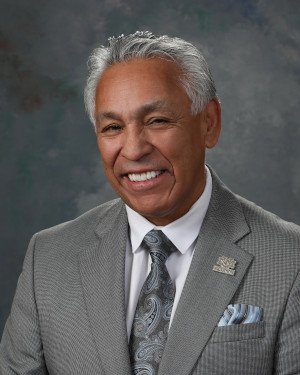
Art De La Cruz
House · District 12
|
D |
Strong +
|
100% | 22 |
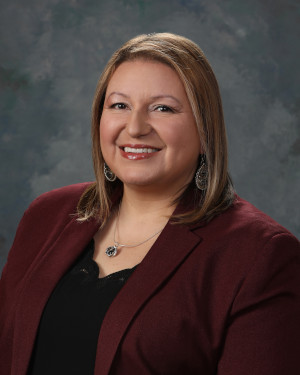
Anita Gonzales
House · District 70
|
D |
Strong +
|
100% | 21 |
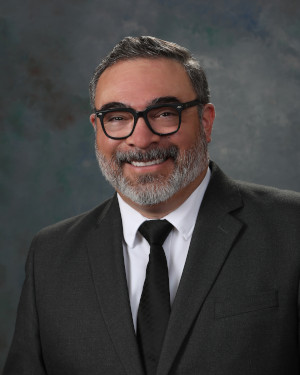
Ray Lara
House · District 34
|
D |
Strong +
|
100% | 20 |

Reena Szczepanski
House · District 47
|
D |
Strong +
|
100% | 22 |

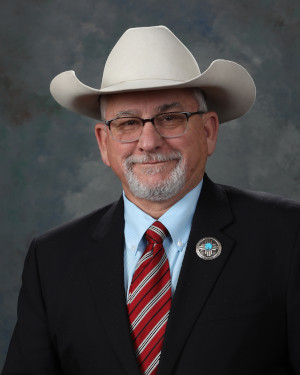
Stefani Lord
House · District 22
|
R |
Strong −
|
0% | 17 |
Randy Pettigrew
House · District 61
|
R |
Strong −
|
0% | 21 |
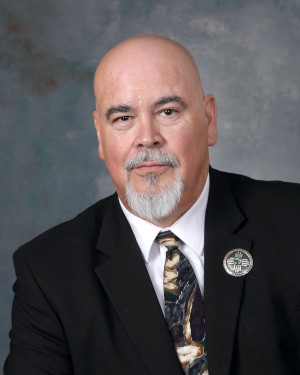
Alan Martinez
House · District 23
|
R |
Strong −
|
0% | 15 |

John Block
House · District 51
|
R |
Strong −
|
0% | 22 |
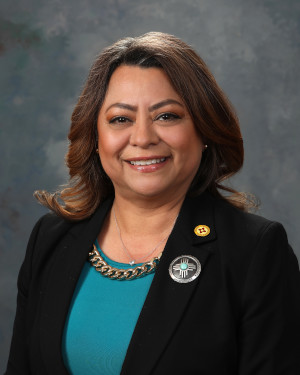
Angelita Mejia
House · District 58
|
R |
Strong −
|
0% | 21 |
Showing 7 of 7
bills
All budget & taxes bills
HB 328: STATE FUNDS FOR CONCEALED ID LAW ENFORCEMENT
Topics
✗ Budget & TaxesOpposes Budget & TaxesProhibits state funds for certain joint law enforcement operations, restricting budget allocation and defunding prohibited partnerships per bill's funding restrictions.
✗ Criminal JusticeOpposes Criminal JusticeRestricts state funding for joint operations with concealed federal officers, defunding partnerships that bypass transparency and oversight in law enforcement.
✓ ImmigrationSupports ImmigrationBill restricts state funding for joint operations where federal officers conceal identities, directly limiting state cooperation with federal immigration enforcement.
HB 253: PUBLIC EDUCATION CHANGES
Topics
✗ Budget & TaxesOpposes Budget & TaxesExcludes distance learning students from membership counts used for state funding calculations, directly reducing state expenditure on these programs.
✗ EducationOpposes EducationExcludes distance learning students from funding calculations and imposes enrollment limits, directly reducing state support and restricting program expansion.
Sub-Topics
School Funding
HB 176: CREATE ZERO INTEREST DOWN PAYMENT LOAN FUND
Topics
✗ Budget & TaxesOpposes Budget & TaxesDefunds Early Childhood Education (essential program) by redirecting oil/gas tax revenues to housing loans, reallocating state budget funds.
✓ HousingSupports HousingCreates zero-interest down payment loans for first-time homebuyers, redirecting funds to advance affordable housing access.
SB 60: TAX CHANGES
Topics
✗ Budget & TaxesOpposes Budget & TaxesRepeals estate/gasoline taxes, removes tax increment funding for redevelopment, and reduces business tax rates - diminishing government revenue sources and fiscal management.
✗ TransportationOpposes TransportationRepeals gasoline tax (key transportation funding source) and removes tax increment funding for redevelopment projects, directly reducing transportation infrastructure revenue.
HB 27: TECHNOLOGY JOBS R&D TAX CREDIT EXPANSION
Topics
✗ Budget & TaxesOpposes Budget & TaxesExpands tax credit for tech businesses, reducing state tax revenue (direct tax break for corporations).
✓ TechnologySupports TechnologyExpands tax credits for tech R&D, directly funding innovation and supporting industry growth in technology sector through broader qualified expenditure definition.
HB 193: SCHOLARSHIPS FOR PRIVATE ED & TAX CREDITS
Topics
✗ Budget & TaxesOpposes Budget & TaxesCreates tax credits for donors, reducing government revenue. Aligns with tax breaks for wealthy donors per 'oppose' indicators, despite benefiting low-income students.
✓ EducationSupports EducationCreates scholarship program for low-income students to attend private schools, expanding educational access through direct financial aid for private education options.