

Issue · Budget & Taxes
Budget & Taxes (Business Taxes)
Every budget & taxes bill, vote, and legislator stance in New Mexico, automatically classified by Maddy, our AI policy reader.
Total bills
41
2026 Regular Session
Top supporter
Angel Charley
100% support rate
Top opponent
Debbie O'Malley
0% support rate
Ranked legislators
10
5 support · 5 oppose
Key legislators
Who's moving business taxes in New Mexico
| Legislator | Party | Stance | Support rate | Votes |
|---|---|---|---|---|

Angel Charley
Senate · District 30
|
D |
Strong +
|
100% | 3 |

Bill Soules
Senate · District 37
|
D |
Strong +
|
100% | 3 |

Bobby Gonzales
Senate · District 6
|
D |
Strong +
|
100% | 3 |

Carrie Hamblen
Senate · District 38
|
D |
Strong +
|
100% | 3 |

Cindy Nava
Senate · District 9
|
D |
Strong +
|
100% | 3 |

Debbie O'Malley
Senate · District 13
|
D |
Strong −
|
0% | 3 |

Shannon Pinto
Senate · District 3
|
D |
Strong −
|
0% | 3 |
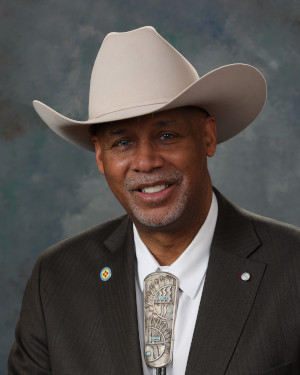
Ant Thornton
Senate · District 19
|
R |
Oppose
|
33% | 3 |

Antoinette Sedillo Lopez
Senate · District 16
|
D |
Oppose
|
33% | 3 |

Bill Sharer
Senate · District 1
|
R |
Oppose
|
33% | 3 |
Showing 1–10 of 41
bills
All budget & taxes bills
SB 260: WORKFORCE EDUCATION TAX CREDIT
Topics
✓ Budget & TaxesSupports Budget & TaxesCreates tax credit for business donations to workforce programs, reducing tax liability as fiscal incentive for public education funding.
✓ EducationSupports EducationCreates tax credit for business donations to public colleges/school districts for workforce education programs, increasing funding for vocational training and workforce development.
✓ Labor & EmploymentSupports Labor & EmploymentProvides tax incentives for employer-funded workforce training (vocational/job skills), directly enhancing employment opportunities and skills development.
Sub-Topics
Business Taxes
Tax Credits
Tax Incentives
Career & Technical Education
Child Labor
Public Employees
Workforce Development
Tags
Economic Development
SB 213: INDEX GAS, WEIGHT & SPECIAL FUELS TAXES
SB 217: LIQUOR TAX CHANGES
Topics
✓ Budget & TaxesSupports Budget & TaxesImposes new surtax on liquor retailers, redirects 5% of liquor excise tax revenue to Tribal Alcohol Harms Alleviation Fund, creating dedicated funding stream.
✓ HealthcareSupports HealthcareRedirects liquor tax revenue to Tribal Alcohol Harms Alleviation Fund, targeting alcohol-related public health issues under healthcare's public health programs.
HB 338: HEALTH PRACTITIONER GRT DEDUCTION SUNSET
Sub-Topics
Business Taxes
HB 298: RAIL INFRASTRUCTURE TAX CREDIT
Topics
✓ Budget & TaxesSupports Budget & TaxesCreates 50% tax credit for railroads on infrastructure spending, directly reducing tax liability for qualifying entities per TAXATION subject.
✓ TransportationSupports TransportationProvides 50% tax credit for rail infrastructure projects (track repairs, new lines), directly funding rail transportation improvements per bill's funding mechanism.
SB 212: SKI AREA EQUIPMENT SALE GROSS RECEIPTS
SB 252: LIQUOR TAX CHANGES
Topics
✓ Budget & TaxesSupports Budget & TaxesCreates new liquor surtax revenue directed to Tribal Alcohol Harms Fund and maintains funding for DWI programs, alcohol treatment, and drug courts, advancing fiscal allocation for specific public services.
✓ HealthcareSupports HealthcareMaintains funding for alcohol treatment services and drug courts, directly supporting substance abuse treatment and public health programs.
HB 296: INCREASE WORKING FAMILY TAX CREDIT
Topics
✓ Budget & TaxesSupports Budget & TaxesIncreases tax credit for low-to-moderate income residents, providing direct tax relief and expanding eligibility beyond previous barriers, directly advancing fiscal support for working families.
✓ Labor & EmploymentSupports Labor & EmploymentIncreases tax credit access for low-income workers, removes age barriers, and expands financial benefits directly supporting workers' economic security.
SB 163: RENAME GEOTHERMAL TAX CREDITS
Topics
✓ Budget & TaxesSupports Budget & TaxesBill creates tiered tax credits for geothermal energy, increasing credit rates over time with annual spending cap ($55M), directly advancing tax incentives in energy sector.
✓ EnergySupports EnergyRenames and expands geothermal tax credits with tiered rates increasing over time, directly funding renewable energy production infrastructure.
✓ EnvironmentSupports EnvironmentBill incentivizes geothermal energy production via tax credits, promoting renewable energy development that reduces emissions and supports environmental protection goals.
Sub-Topics
Business Taxes