

Issue · Labor & Employment
Labor & Employment
Every labor & employment bill, vote, and legislator stance in New Hampshire, automatically classified by Maddy, our AI policy reader.
Total bills
42
2026 Regular Session
Top supporter
Mark Warden
67% support rate
Top opponent
Marjorie Smith
30% support rate
Ranked legislators
10
5 support · 5 oppose
Key legislators
Who's moving labor & employment in New Hampshire
| Legislator | Party | Stance | Support rate | Votes |
|---|---|---|---|---|

Mark Warden
House · District Hillsborough 39
|
R |
Support
|
67% | 46 |

Michael Vose
House · District Rockingham 5
|
R |
Support
|
64% | 73 |

Mike Bordes
House · District Belknap 5
|
R |
Support
|
62% | 43 |

Sheri Minor
House · District Belknap 5
|
R |
Support
|
62% | 44 |

Jodi Nelson
House · District Rockingham 13
|
R |
Support
|
62% | 60 |

Marjorie Smith
House · District Strafford 10
|
D |
Oppose
|
30% | 62 |

Kevin Verville
House · District Rockingham 2
|
R |
Oppose
|
33% | 47 |

Molly Howard
House · District Hillsborough 31
|
D |
Oppose
|
33% | 43 |
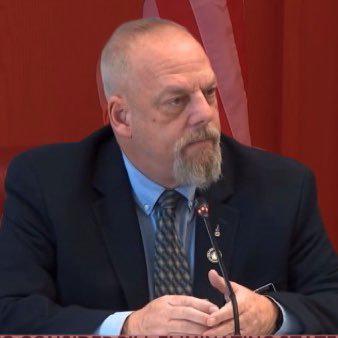
Dennis Mannion
House · District Rockingham 25
|
R |
Oppose
|
33% | 77 |

Marc Plamondon
House · District Hillsborough 3
|
D |
Oppose
|
33% | 61 |
Showing 31–40 of 42
bills
All labor & employment bills
HB 1761: expanding the New Hampshire paid family and medical leave program.
Topics
✓ HealthcareSupports HealthcareExpands medical leave coverage with wage replacement for health-related absences, directly advancing healthcare access and support for patients needing treatment or care.
✓ Labor & EmploymentSupports Labor & EmploymentExpands wage replacement benefits for family/medical leave, directly advancing worker benefits under Labor & Employment.
Sub-Topics
Paid Leave
HB 1464: relative to discrimination, harassment, and violence based on political affiliation or opinion.
Topics
✗ Criminal JusticeOpposes Criminal JusticeBill creates new criminal penalties (class A/B offenses) for politically motivated harassment, expanding criminalization beyond existing laws.
✓ HousingSupports HousingProhibits political discrimination in housing, directly strengthening tenant protections against bias based on political views.
✓ Labor & EmploymentSupports Labor & EmploymentBill prohibits employment discrimination based on political views, protecting workers' rights against harassment and economic harm like doxxing for job loss, directly advancing labor protections.
HB 1669: establishing a teacher bill of rights.
Topics
✓ EducationSupports EducationGuarantees teacher rights including safety, respectful treatment, and protection from retaliation, directly strengthening educator support and school environment per bill summary.
✓ Labor & EmploymentSupports Labor & EmploymentGuarantees teacher workplace safety, respectful treatment, and retaliation protection - directly advancing worker rights in education.
HB 1150: requiring disclosure of complaints to public employees within 5 business days.
Sub-Topics
Employment Discrimination
HB 1819: relative to review of education freedom account service providers.
Topics
✓ EducationSupports EducationRequires EFA providers to comply with anti-discrimination laws and mirror school district policies, directly supporting equitable educational access as defined in the topic description.
✓ Labor & EmploymentSupports Labor & EmploymentBill mandates anti-discrimination policies for EFA service providers, aligning with labor protections under RSA 193:39 (school district requirements), directly advancing workers' rights compliance.
Sub-Topics
Student Financial Aid
HB 1188: relative to noncompete agreements for low-wage employees.
HB 1469: relative to the licensing requirements for massage therapy establishments.
Topics
✓ Budget & TaxesSupports Budget & TaxesBill explicitly makes an appropriation for OPLC inspections and advisory board compensation, directly funding new regulatory requirements under licensing provisions.
✓ HealthcareSupports HealthcareRegulates massage therapy businesses with health/safety standards, enhancing service quality and client safety in healthcare services.
✓ Labor & EmploymentSupports Labor & EmploymentRequires health/safety standards for massage therapy workplaces, directly improving workplace safety regulations for employees.
HB 1701: reestablishing the New Hampshire college graduate retention incentive partnership program and making an appropriation therefor.
Topics
✓ Budget & TaxesSupports Budget & TaxesBill explicitly appropriates state funds to establish NH GRIP program, funding employer incentives for graduate retention in workforce sectors.
✓ EducationSupports EducationBill reestablishes NH GRIP program providing employer incentives for hiring college graduates, directly supporting higher education retention and workforce development in New Hampshire. Addresses higher education as defined in topic.
✓ Labor & EmploymentSupports Labor & EmploymentProvides $1,000 annual wage supplement to graduates via employer incentives, directly increasing compensation for workers in targeted sectors like healthcare and tech.
HB 1451: relative to protecting workers from extreme temperature-related injuries and fatalities in the workplace.
Sub-Topics
Workplace Safety