

Law-Enforcement Innovate to De-Escalate Act This bill removes less-than-lethal projectile devices (e.g., certain TASERs) from regulation under the Gun Control Act. The term less-than-lethal projectile device means a device that (1) is not designed or intended to expel (and may not be readily converted to discharge) commonly used ammunition or projectiles exceeding a velocity of 500 feet per second; (2) is designed and intended to be used in a manner not likely to cause death or serious bodily injury; and (3) does not accept (and cannot be readily modified to accept) an ammunition feeding device. The bill also requires the Bureau of Alcohol, Tobacco, Firearms and Explosives to determine whether a device satisfies the definition of a less-than-lethal projectile device within 90 days of a request.
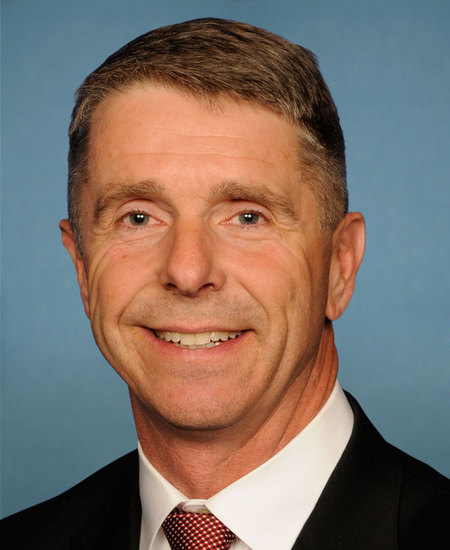
Rep. Robert J. Wittman
Sponsored bills
Maddy summaryHR 7498, the After Hours Child Care Act, creates a new Child Care and Development Innovation Fund to expand child care access for parents working nontraditional hours (like evenings, nights, or weekends). The bill directly affects working parents with young children who struggle to find care outside standard 9-to-5 hours, aiming to help them stay employed and advance in their careers. It authorizes $25,000-$500,000 grants for up to 5 years to eligible entities (such as child care providers or partnerships with businesses) to expand existing programs, establish new onsite workplace child care, or improve facilities and staff training. Grantees must cover 25% of costs, and the Secretary of Health and Human Services must report every two years on the program’s impact, including children served and changes in child care availability.
Maddy summaryThis bill mandates a study on how driver-controlled technology (like touch screen infotainment systems) affects traffic safety, particularly for pedestrians and bicyclists. The U.S. Department of Transportation will commission the National Academies to examine touch screen systems versus tactile controls (e.g., knobs/switches), smartphone use while driving, and factors like weather or traffic conditions. The study must analyze how these technologies impact driver distraction, severe injuries, and fatalities, and will lead to a public report and recommendations for potential data collection improvements. The bill itself does not create new laws but sets the stage for future safety decisions based on the findings.
Maddy summaryThis bill prevents state or local governments from banning or restricting energy connections (like installation, modification, or access) based on the type or source of energy, such as electricity, natural gas, or renewable fuels. It directly affects consumers choosing energy providers and energy companies seeking to offer services. The key provision prohibits local laws, regulations, or policies that limit energy services sold in interstate commerce, covering all energy types listed in the bill’s definitions. It does not create new programs but limits regulatory authority at the state or local level. The law aims to ensure open access to diverse energy sources without source-based restrictions.
Maddy summaryThis bill amends federal energy conservation law to require federal agencies to consider mechanical insulation as a standard energy-saving measure during building evaluations. It defines "mechanical insulation property" as materials that reduce energy loss in mechanical systems while meeting ASHRAE 90.1 standards, including insulation placed in service with those systems. The law adds mechanical insulation to the list of measures agencies must evaluate for potential installation in federal buildings as part of their required energy and water assessments. This directly affects federal agencies managing buildings, ensuring they formally assess this specific efficiency measure during routine evaluations.
Maddy summaryHR 1458, the VETS Opportunity Act of 2025, amends VA education benefits rules to ensure veterans using these benefits for independent study courses receive meaningful instruction. It requires that such courses include regular, substantive interaction between students and instructors, and limits eligibility to programs at institutions approved for federal student aid under the Higher Education Act. This directly affects veterans pursuing online or self-paced courses using VA education benefits. The changes apply to courses starting August 1, 2025, and aim to standardize benefit access for qualifying educational programs.
Maddy summaryThis bill exempts certain less-than-lethal projectile devices from federal sales taxes and National Firearms Act restrictions. It directly affects manufacturers, importers, and producers of these devices, which are defined as non-lethal tools (like rubber bullets or beanbag rounds) designed not to cause serious injury and unable to be easily converted to use standard firearm ammunition. Key mechanisms include a 90-day classification process for manufacturers seeking exemption, an annual public list of approved devices, and annual congressional reports on devices excluded from the exemption. The policy change applies to devices meeting specific safety criteria, such as projectile velocity limits and design features preventing misuse as conventional weapons.
Maddy summaryThe VSAFE Act of 2025 establishes a Veterans Scam and Fraud Evasion Officer within the Department of Veterans Affairs to prevent and address fraud targeting veterans. This officer will develop communication plans, training, and reporting systems for veterans, families, caregivers, and survivors to identify and avoid scams, while coordinating with agencies like the IRS, DOJ, and Social Security Administration. The bill also modifies a home loan fee deadline in the VA loan program, changing a date from June 9, 2034, to June 23, 2034. It does not create new full-time positions or alter existing Inspector General authority.
Maddy summaryThis bill creates a tax credit for businesses selling products made with U.S.-grown cotton. The credit equals 24% of the cotton's market value if processed only in the U.S. or in countries with U.S. trade deals, or 18% for other processing locations. To qualify, cotton must be digitally traced from U.S. farms to finished products and certified by the USDA as meeting origin requirements. It directly affects clothing and textile manufacturers selling qualifying products in the U.S. market.
Maddy summaryHR 4105, the VET Act of 2025, establishes a federal grant program to help veterans, active-duty service members transitioning out of the military, and their spouses secure jobs in the energy industry. The program provides grants to energy companies (including manufacturers of solar, wind, or nuclear equipment) to cover costs like job training, recruitment, and relocation for eligible individuals - prioritizing those with military energy experience, in opportunity zones, or facing barriers like homelessness. Grants are capped at $10,000 per hire, with a maximum $500,000 annual limit per company, funded at $60 million yearly from 2026-2031. Companies must report on job retention, employee satisfaction, and program outcomes to the Department of Labor, with a final evaluation due to Congress by 2030.