

Maddy summaryThis bill redesignates the existing National Parks and Public Land Legacy Restoration Fund as the America's Legacy Restoration Fund to address deferred maintenance on federal lands. It directs revenue from recreation fees and a portion of energy development income into the fund, which must be used primarily for repairing critical infrastructure like roads, trails, and buildings managed by agencies such as the National Park Service and the Forest Service. The legislation establishes strict rules requiring that most funds go toward non-transportation projects, mandates transparency through public dashboards tracking project status, and sets aside a small percentage for matching private donations. Additionally, the bill increases entrance fees for foreign visitors to ensure they contribute to the fund, while prohibiting the use of these specific funds for land acquisition or employee bonuses.
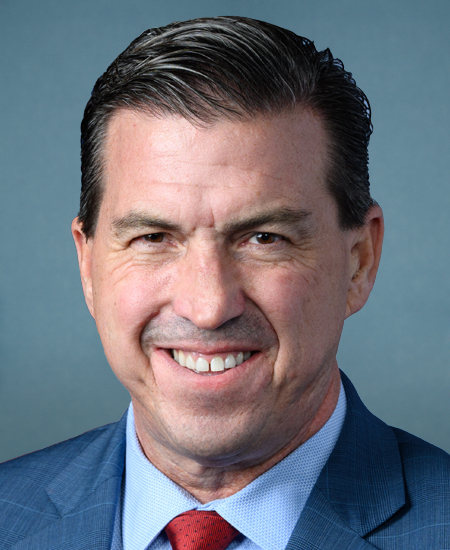
Rep. Kevin Mullin
Sponsored bills
Maddy summaryThis resolution commemorates the 50th anniversary of women enrolling in the U.S. Military, Naval, Air Force, and Coast Guard Academies. It formally designates a specific day to honor the history and achievements of female cadets and graduates, noting their significant contributions to military leadership and combat roles since 1976. The text highlights specific milestones, such as women earning the Army Ranger tab and commanding aircraft carriers, while acknowledging their continued service in both uniform and civilian sectors. Ultimately, the bill serves as a symbolic gesture to recognize the progress made by women in the armed forces without altering any existing laws or policies.
Maddy summaryThe Latonya Reeves Freedom Act of 2026 strengthens the Americans with Disabilities Act to ensure individuals with long-term service and support needs have a federally protected right to live in their communities rather than institutions. It requires states and insurance providers to offer community-based services that allow people to maintain independence, control their own care, and access affordable, integrated housing. The bill mandates that public entities and insurers create enforceable transition plans to move people out of institutions, conduct self-evaluations to identify barriers, and establish clear grievance procedures for resolving complaints. Enforcement is handled by the Department of Justice, which can investigate violations, while individuals may also file civil lawsuits to seek damages or court orders preventing institutionalization.
Maddy summaryThe Federal Flood Risk Management Act of 2026 requires federal agencies to evaluate and manage flood risks when planning, building, or funding projects in floodplains. Under this law, agencies must use climate-informed science to determine flood zones and generally add a safety margin of two to three feet above standard flood levels to ensure structures remain safe over their intended lifetimes. The bill mandates that agencies consider nature-based solutions to avoid building in flood-prone areas, notify local governments and the public of proposed projects in these zones, and update their standards every five years based on new scientific data. Additionally, the act requires agencies to inform private parties about flood hazards before approving financial transactions for structures in at-risk areas and to report annually on how these new requirements affect their operations.
Maddy summaryThis bill, known as the Supreme Court Justice Circuit Riding Act, would require Supreme Court justices to travel across the country to serve as judges in federal appeals courts, a practice that had ended in 1911. Under the new rules, justices must sit on at least one panel of an appeals court for a minimum of 10 days of oral arguments each year, while also being eligible to vote on panel rehearings but barred from participating in full court en banc reviews. The legislation mandates that these appearances occur in person rather than via video or teleconference and establishes a system for reimbursing travel and lodging expenses. Additionally, the bill adds a disqualification provision to prevent a justice from voting on any case after they have already participated in it as a circuit judge. Finally, the Chief Justice is tasked with creating regulations within 180 days to manage the assignment of justices to specific circuits.
Maddy summaryThe No Toxic Chemicals in Food Packaging Act of 2026 prohibits the use of specific chemicals, including PFAS, certain phthalates, and bisphenols, in materials that come into contact with food. This law directly affects manufacturers and distributors of food packaging by requiring the FDA to consider potential health risks to vulnerable populations, such as children and pregnant women, when evaluating alternative substances. While the federal restrictions do not take effect for two years after enactment, the bill explicitly preserves the right of states and local governments to pass stricter regulations on food additives.
Maddy summaryThis bill, known as the Alice Cogswell and Anne Sullivan Macy Act, amends the Individuals with Disabilities Education Act to improve special education services for children who are deaf, hard of hearing, deafdisabled, blind, visually impaired, or deafblind. It requires states to identify these students regardless of how they are currently classified, ensuring they receive specialized instruction in their primary language and access to qualified professionals. Key provisions mandate that state plans include specific strategies for language development, Braille instruction, and the use of assistive technologies, while also establishing a new national center to support research and training for educators of students with visual disabilities. Additionally, the legislation clarifies definitions for deafblindness and interveners, updates data reporting requirements to track these populations more accurately, and ensures early intervention services are delivered in natural environments to support language and communication milestones.
Maddy summaryThe Veterans Hearing Aid Improvement Act of 2026 directs the Department of Veterans Affairs to run a two-year demonstration project evaluating the cost and effectiveness of covering FDA-cleared, over-the-counter hearing aids for eligible veterans with mild-to-moderate hearing loss. To participate, veterans must be enrolled in the VA system, receive a clinical clearance from an audiologist, and have access to a smartphone or Wi-Fi to operate the devices. The project will compare these over-the-counter options against traditional prescription hearing aids at selected VA facilities and require the Secretary to submit interim and final reports on the fiscal impact and health outcomes. Additionally, the bill mandates a separate study by the Comptroller General to analyze the current coverage of hearing aids for veterans and provide recommendations for potential program changes.
Maddy summaryThis resolution expresses support for designating June 5, 2026, as National Gun Violence Awareness Day and June 2026 as National Gun Violence Awareness Month. The bill calls on the public to wear orange on the designated day to honor victims and promote awareness of gun safety. It highlights statistics on gun-related deaths and injuries to underscore the need for community discussions on making neighborhoods safer.
Maddy summaryThis resolution formally designates the week of June 1 through June 7, 2026, as Hidradenitis Suppurativa Awareness Week to highlight a chronic skin condition affecting approximately 3.3 million Americans. The bill aims to increase public understanding of the disease, which causes painful lumps and scarring, and encourages better diagnosis, research, and access to treatment for those suffering from it. By recognizing the importance of these issues, the House intends to foster support for patients and promote initiatives that improve care and quality of life for individuals with this condition.