Maddy summarySF 3861 expands Minnesota's requirement for electronic tracking of human services visits to include additional provider types. It adds three new categories to the list of services needing electronic verification: (1) services from providers designated "high-risk" by the commissioner (using Medicare standards), (2) services specifically labeled "high-risk" by the commissioner, and (3) any other services the commissioner designates. This affects home care and community-based service providers delivering these specific services, requiring them to use electronic systems to document service details like time, location, and provider. The bill modifies Minnesota Statutes 256B.073 to formalize this expanded scope.
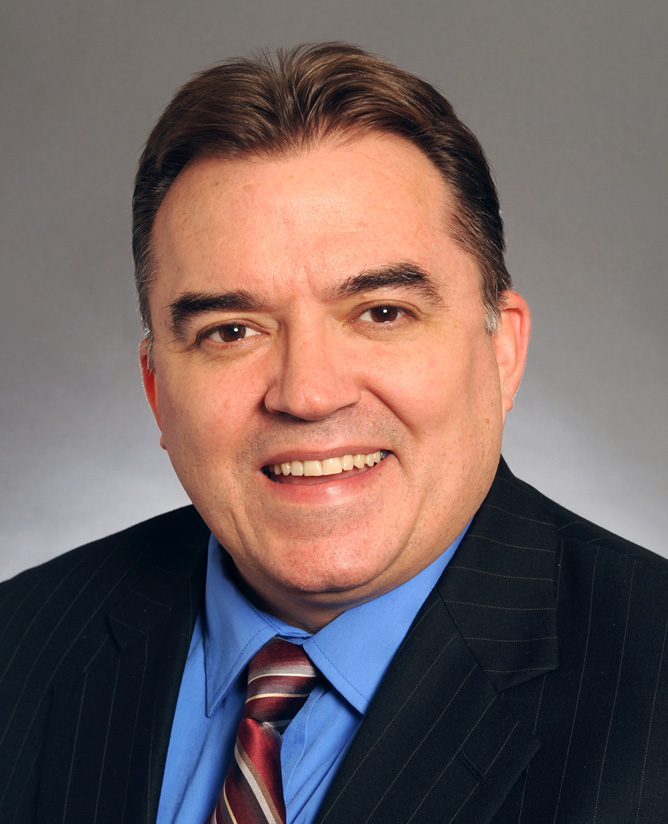
Sen. John Hoffman
Sponsored bills
Maddy summarySF 2630 converts the Governor's Council on an Age-Friendly Minnesota into the permanent "Age-Friendly Minnesota Council" and codifies existing grant programs. The bill establishes a 15-member council with voting members from state agencies (like Health, Human Services, and Transportation) and six public members appointed by the governor to represent older adults, caregivers, Tribal communities, and underserved areas. The council's duties include coordinating age-friendly efforts across state agencies, reviewing grants, promoting equity for older adults of color and Indigenous communities, and making policy recommendations. The bill also appropriates funding to support the council's operations and ensures regular meetings with public participation options.
Maddy summaryThis bill creates a refundable sales and use tax exemption for construction materials and equipment used to build Minnesota's Blue Line Extension light rail line and its associated facilities. Under the new rules, contractors and developers purchasing these items will first pay the standard sales tax, which the state will later refund to the governmental entity responsible for the project. The exemption applies to purchases made after June 30, 2026, and includes materials for stations, park-and-ride lots, and maintenance centers. This measure adds the Blue Line Extension to a list of other public infrastructure and community projects that already qualify for this tax refund process.
Maddy summaryThis bill establishes a property tax valuation freeze for homesteads owned and occupied by individuals who are 65 years of age or older, effective starting with the 2026 tax assessment. Under this provision, the estimated market value of the home, garage, and surrounding acreage cannot increase from the previous year's value unless the property has been improved or renovated. To qualify, both spouses in a married couple must be at least 65, and owners must apply to their county assessor by July 1 of the assessment year with proof of age. The legislation also requires county assessors to update their annual public notices to inform eligible residents about this new valuation limitation.
Maddy summaryThis bill appropriates $5 million from the state's general fund to support the construction of a community center on the White Earth Reservation. The funds are designated for the White Earth Band of Ojibwe to cover costs related to design, site preparation, construction, and equipping the facility. Once built, the center will offer spaces for health services, wellness activities, and community gatherings open to both Tribal and non-Tribal residents. This is a one-time allocation that remains available until the project is finished or discontinued.
Maddy summaryThis bill prohibits the sale and use of paraquat dichloride, a pesticide, in Minnesota. Starting January 1, 2027, no one can sell or distribute this pesticide, and by January 1, 2028, its use is also banned. The state's agriculture commissioner will collect and dispose of any prohibited stockpiles and must submit a report by January 1, 2028, detailing past usage and supply chain status to legislative committees. These measures directly affect farmers, pesticide distributors, and state agricultural regulators. The legislation aims to remove paraquat dichloride from the market through a phased timeline while ensuring proper disposal and oversight.
Maddy summaryThis bill modifies Minnesota's wetland replacement rules to establish a specific priority order for where developers must restore wetlands when construction impacts existing ones. It requires that replacement wetlands be sited first in the same minor watershed, then the same watershed, then the same wetland bank service area, and finally in other service areas, with limited exceptions for older public transportation projects. The legislation also defines what counts as a reasonable replacement opportunity, emphasizing natural conditions, long-term functionality, and minimal environmental disruption, while mandating collaboration among agencies to identify suitable sites. Additionally, the bill directs the state board to set replacement ratios and service area priorities to guide where wetland restoration should occur.
Maddy summaryThis bill modifies enrollment requirements and program integrity rules for medical assistance providers in Minnesota. It directs the commissioner of human services to establish an advisory board, update provider enrollment standards, and conduct audits to improve oversight of the medical assistance program. The legislation expands the commissioner's authority to impose sanctions on providers who engage in fraud, abuse, or billing errors, and clarifies that no criminal conviction is required before sanctions can be applied. Additionally, the bill requires the commissioner to consider the severity of misconduct when determining penalties and mandates specific reporting requirements.
Maddy summaryThis bill modifies Minnesota's laws regarding fleeing a peace officer in a motor vehicle, specifically updating how deadly force is used during police pursuits and addressing civil liability. It clarifies that officers may use deadly force only when there is an immediate threat of death or great bodily harm to others, and it adds protections for individuals with disabilities who may struggle to understand or comply with officer commands. The legislation also grants peace officers immunity from criminal and civil liability for injuries or property damage caused during authorized pursuit interventions, while holding drivers who flee in multi-wheeled vehicles civilly liable if an intervention technique is used. These changes apply to crimes committed on or after August 1, 2026.
Maddy summaryThis bill allocates $200,000 from Minnesota's general fund in fiscal year 2027 to provide a grant to Helping Paws, Inc. The funding supports the organization's work in breeding, training, and placing service dogs for individuals with physical disabilities, veterans and first responders with service-related PTSD, and professionals in courthouse, educational, and mental health settings. The appropriation is designated as a one-time honorarium in memory of Speaker Emerita Melissa Hortman. The bill also allows the commissioner of health to accept private donations to supplement the state funding, with all such donations deposited in a dedicated account that expires on July 1, 2028.