Maddy summaryThis bill clarifies the definition of gifted and talented students in Minnesota to explicitly include twice-exceptional learners, who possess high abilities alongside learning disabilities or autism spectrum disorder. It requires school districts to use fair, research-based assessment methods that account for diverse groups, including low-income families, minorities, English learners, and students with disabilities. Additionally, the legislation mandates that districts establish clear procedures for academic acceleration and early school admission, ensuring these opportunities are matched to individual student needs and remain sensitive to underrepresented populations.
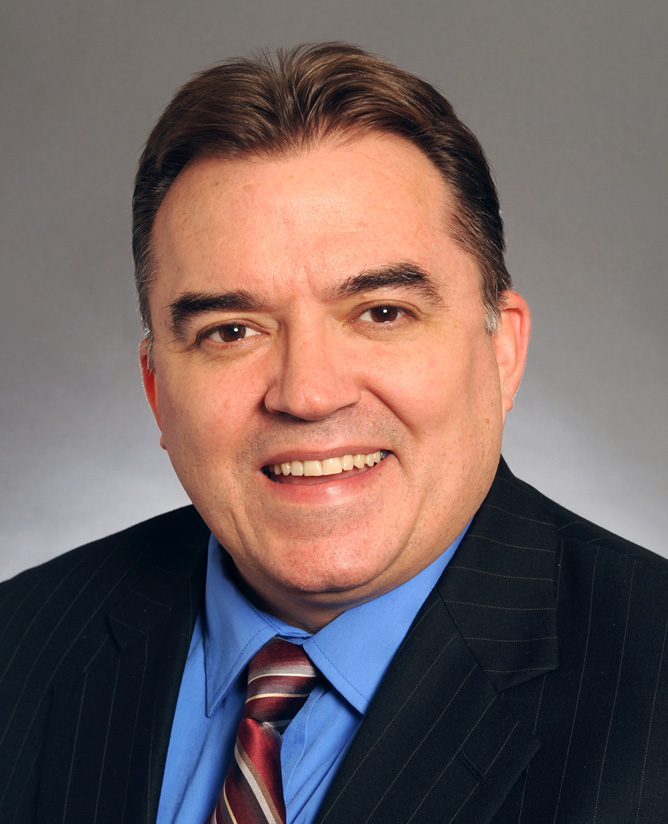
Sen. John Hoffman
Sponsored bills
Maddy summaryThis bill authorizes the state to issue up to $10 million in bonds to fund a new fire station for the city of Cass Lake. The funds will be used to build, furnish, and equip a facility that replaces the existing fire hall, including spaces for living quarters, administration, vehicle storage, and decontamination areas to enhance firefighter safety. The commissioner of public safety will receive a grant from the bond proceeds fund to carry out the project, while the commissioner of management and budget will handle the bond sale process. The legislation takes effect the day after it is finalized.
Maddy summaryThis bill allows Minnesota's Department of Human Services to temporarily stop medical assistance payments to healthcare providers when there is a credible allegation of kickback fraud under investigation. It requires the department to define kickbacks as a form of fraud in its rules and permits withholding funds without prior notice when fraud is suspected, though providers retain the right to appeal the decision. The legislation also mandates that payments be restored once investigations conclude without sufficient evidence of wrongdoing, while allowing forfeiture of funds if criminal convictions occur. These changes directly affect healthcare providers, managed care organizations, and individuals receiving medical assistance in Minnesota.
Maddy summaryThis bill requires playgrounds built or significantly renovated with state money in Minnesota to follow inclusive design standards that welcome children with and without disabilities. To comply, projects must incorporate features like accessible paths, varied play equipment for different abilities, sensory activities, and comfortable seating areas, while also being reviewed by an expert in accessibility. The law defines "substantial renovation" as replacing half the equipment or changing the main play area and mandates the use of established universal design principles. Additionally, the Department of Natural Resources is authorized to create guidance documents in partnership with the Minnesota Council on Disability to help implement these requirements.
Maddy summaryThis bill requires members of the Minnesota State High School League to permit live and recorded video broadcasts of their extracurricular competitions on public access channels. The legislation mandates that the league create a policy ensuring these broadcasts are available through public, educational, or governmental access systems without violating existing contracts. By adding a new subdivision to state statutes, the measure directly impacts high school sports organizations and local public access television providers. The policy must be implemented immediately upon the bill's final enactment.
Maddy summaryThis bill modifies Minnesota's human services laws to update definitions and processes for aging and disability services, behavioral health, and program licensing. It primarily affects residents of nursing facilities, waiver program participants, and the state agencies that fund and regulate these services. Key provisions include clarifying how a resident's need for care is assessed for payment purposes and establishing a new assessment method effective in 2027. The legislation also amends numerous existing statutes to align with these updated requirements and authorizes specific funding adjustments.
Maddy summaryThis bill grants the Direct Care and Treatment executive board the authority to accept gifts on behalf of patients and clients, provided the funds are used solely for their benefit. It also modifies regulations regarding fees for x-ray and security screening equipment, establishing specific registration costs for various devices and defining security screening systems as tools used to detect contraband on individuals in custody. Additionally, the legislation extends the availability of appropriated funds for a pilot program that supports county correctional facilities in providing involuntary medications for mental health treatment.
Maddy summarySF 5030 clarifies how electric cooperatives and municipal utilities in Minnesota can charge customers for fixed costs related to small solar and other net metered facilities. The bill allows these utilities to bill customers for net energy used while charging a separate, reasonable fee to cover fixed costs not already paid through existing rates, provided the fee is based on a recent cost of service study. Additionally, the legislation permits meter aggregation, enabling customers to combine multiple meters on contiguous property for billing purposes, and requires utilities to process these requests within 90 days.
Maddy summaryThis bill requires hospitals and other health care facilities in Minnesota to stop charging patients for medical costs related to infections acquired during their stay. It also bans providers from using open-ended agreements that ask patients to pay for services without first disclosing the specific price. Under the new rules, the facility where an infection occurs must cover all treatment expenses, including extended hospitalizations and follow-up care, regardless of the patient's insurance status. Additionally, the legislation establishes a framework for unique provider numbers to ensure clearer pricing and financial responsibility. These changes aim to protect patients from unexpected bills for complications caused by health care facilities.
Maddy summaryThis bill establishes a new Office of the Ombudsperson for Anti-Asian, Anti-Asian Indian, and Anti-Religious Hate Prevention to address gaps in identifying and investigating hate incidents and crimes targeting Asian and Asian Indian individuals in Minnesota. The ombudsperson will receive complaints, assist victims in navigating reporting processes, collect disaggregated data on bias incidents, and coordinate with law enforcement, schools, and community organizations to improve response efforts. The office will also develop bias-aware training and cultural competency education for state agencies, local law enforcement, and K-12 schools to help prevent and respond to hate-motivated conduct. The bill includes provisions for funding the office and requires the ombudsperson to report findings and recommendations to legislative committees.