

Issue · Labor & Employment
Labor & Employment
Every labor & employment bill, vote, and legislator stance in Minnesota, automatically classified by Maddy, our AI policy reader.
Total bills
292
119th Congress
Top supporter
Amy Klobuchar
75% support rate
Top opponent
Tom Emmer
38% support rate
Ranked legislators
8
5 support · 3 oppose
Key legislators
Who's moving labor & employment in Minnesota
| Legislator | Party | Stance | Support rate | Votes |
|---|---|---|---|---|
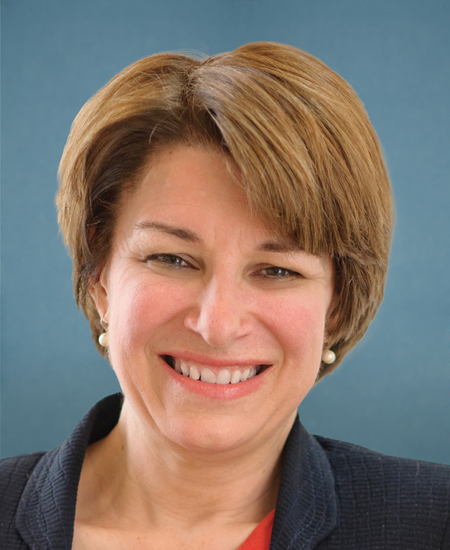
Amy Klobuchar
Senate
|
D |
Support
|
75% | 211 |
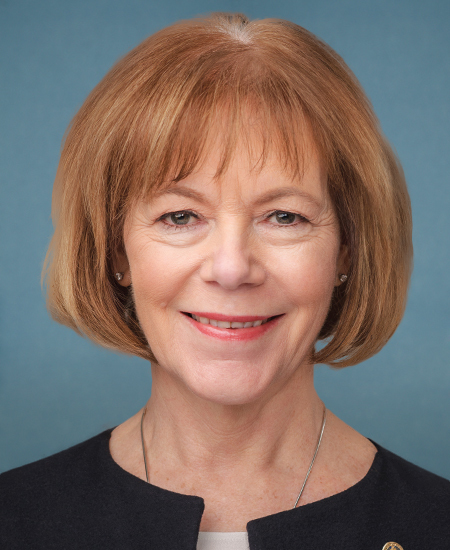
Tina Smith
Senate
|
D |
Support
|
75% | 210 |
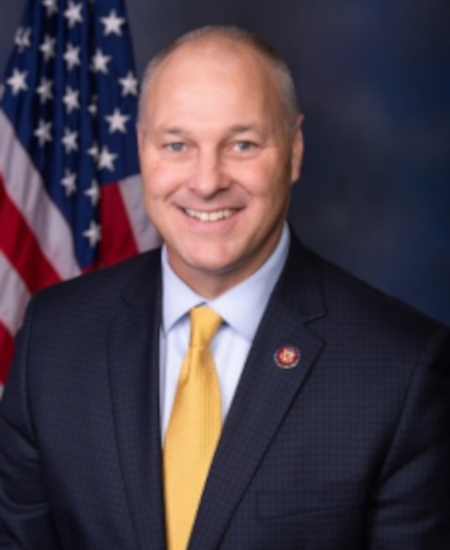
Pete Stauber
House · District 8
|
R |
Support
|
69% | 197 |
Angie Craig
House · District 2
|
D |
Support
|
62% | 193 |
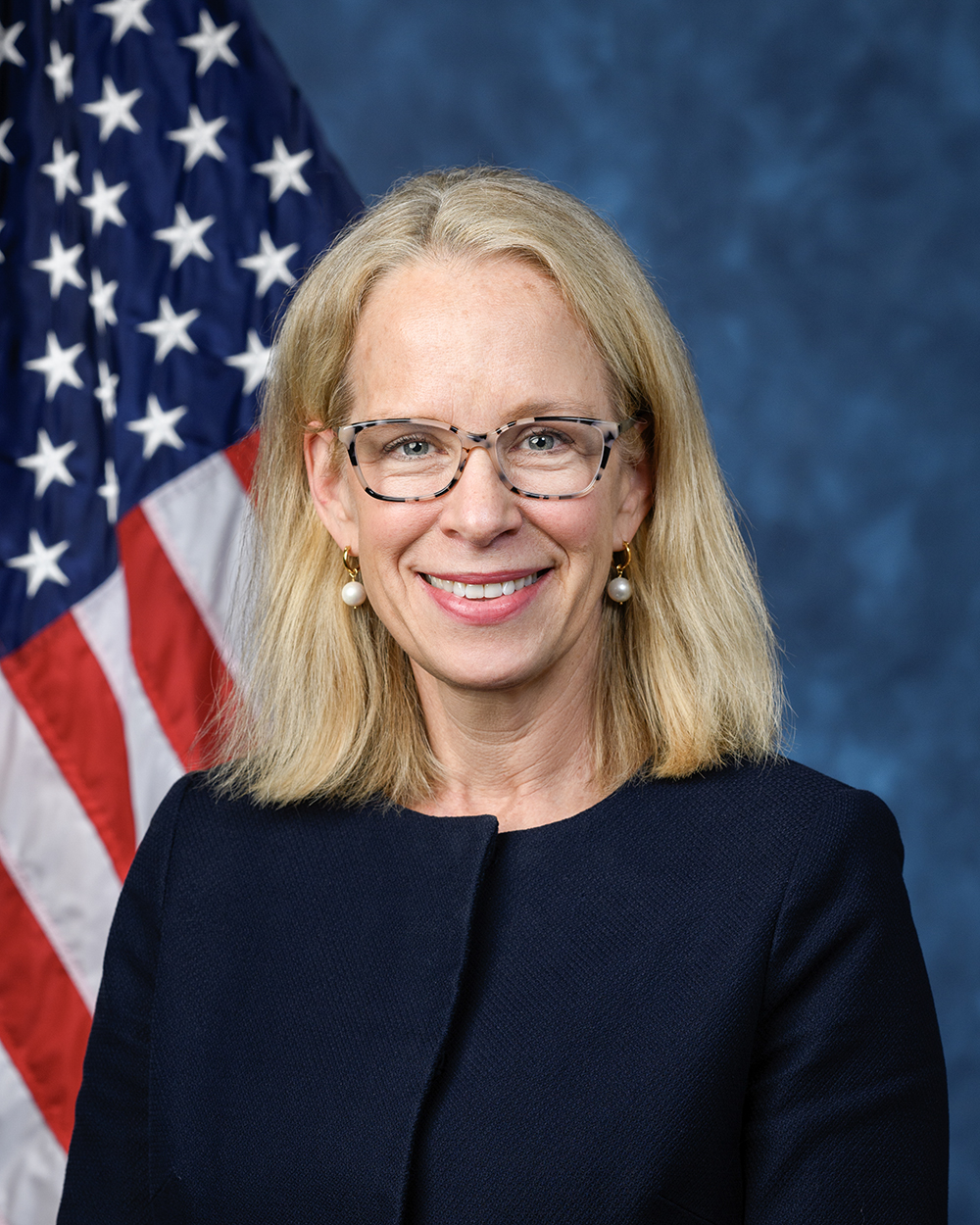
Kelly Morrison
House · District 3
|
D |
Support
|
62% | 198 |
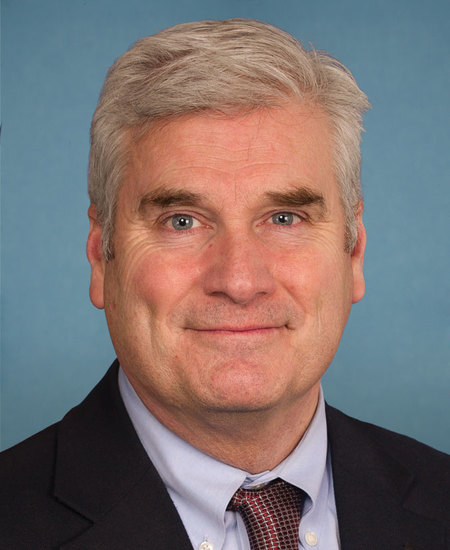
Tom Emmer
House · District 6
|
R |
Oppose
|
38% | 194 |
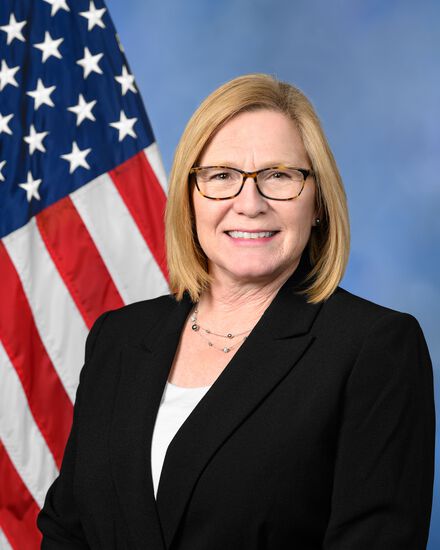
Michelle Fischbach
House · District 7
|
R |
Oppose
|
38% | 198 |
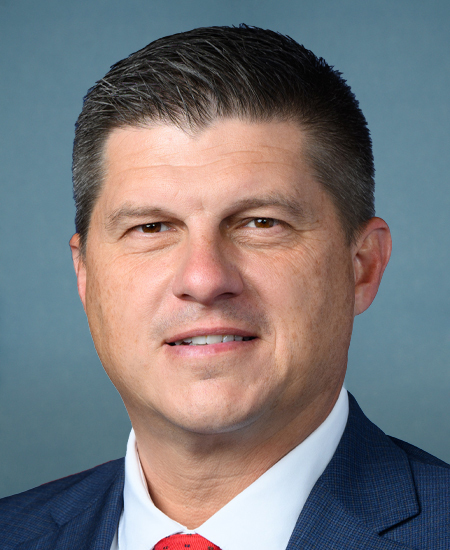
Brad Finstad
House · District 1
|
R |
Oppose
|
38% | 196 |
Showing 1–10 of 292
bills
All labor & employment bills
HR 10239: Equal Pay for Equal Work Act
HR 10260: Reducing Arbitrary Barriers to Apprenticeship Act of 2026
Topics
✓ EducationSupports EducationThe bill expands veterans' education benefits by increasing housing stipends and removing administrative barriers for apprenticeships and on-the-job training.
✓ HousingSupports HousingBill increases the monthly housing stipend for veterans in apprenticeships to match a higher rate, directly funding housing support.
✓ Labor & EmploymentSupports Labor & EmploymentBill removes barriers to apprenticeships and increases housing stipends for veterans in training, directly supporting employment standards and worker benefits.
✓ VeteransSupports VeteransBill explicitly amends veterans' education benefits to remove barriers and increase housing stipends for apprentices.
Sub-Topics
Career & Technical Education
Apprenticeships
Workforce Development
Veteran Benefits
Veteran Education
Veteran Employment
HR 10063: Green New Deal for Public Housing Act
Topics
✓ EnergySupports EnergyThe bill explicitly funds energy upgrades, renewable energy systems, and electrification to create zero-carbon homes, directly advancing clean energy infrastructure.
✓ EnvironmentSupports EnvironmentThe bill explicitly funds energy upgrades and renewable systems to transform public housing into zero-carbon homes, directly advancing climate change mitigation and clean energy adoption.
✓ HousingSupports HousingThe bill directs HUD to provide grants for the rehabilitation and modernization of public housing stock, directly funding and strengthening affordable housing infrastructure.
✓ Labor & EmploymentSupports Labor & EmploymentThe bill explicitly establishes workforce development programs and training, directly advancing employment standards and worker skills in the green energy sector.
Sub-Topics
Renewable Energy
Community Development
Property Development
Labor Standards
Workforce Development
S 5296: Pathways to Health Careers Act
Topics
✓ EducationSupports EducationThe bill establishes a federal grant program to fund training for health careers, directly expanding educational access and workforce development opportunities.
✓ HealthcareSupports HealthcareThe bill allocates $435 million annually to fund training for health professions, directly strengthening the healthcare workforce and supporting medical professionals.
✓ Labor & EmploymentSupports Labor & EmploymentThe bill funds training for low-income individuals to enter health careers, directly expanding employment opportunities and workforce development.
Sub-Topics
Career & Technical Education
Early Childhood
Student Financial Aid
Healthcare Workforce
Women's Health
HR 10085: Lifelong Learning Act
S 5190: Restoring Justice for Workers Act
S 5112: Health Over Wealth Act
Topics
✓ HealthcareSupports HealthcareBill mandates transparency and requires 90-day notice for hospital closures to protect patient access and ensure continuity of care.
✓ Labor & EmploymentSupports Labor & EmploymentBill mandates staffing change reporting and 90-day service closure notices, protecting healthcare workers' job security and preventing abrupt layoffs.
Sub-Topics
Hospitals
S 4817: CHILD Labor Act
S 4918: Right Start Child Care and Education Act of 2026
Topics
✓ Budget & TaxesSupports Budget & TaxesBill creates a new federal tax credit to support child care workers, directly advancing fiscal incentives for public service.
✓ EducationSupports EducationBill creates a federal tax credit to financially reward and retain early childhood education workers, directly supporting educators and improving access to quality care.
✓ Labor & EmploymentSupports Labor & EmploymentBill provides federal tax credits to child care workers based on education and hours worked, directly increasing compensation and supporting the workforce.
Sub-Topics
Tax Credits